REVIEW · TOKYO
Tokyo Sumo Morning Practice: Viewing & Exclusive Interaction
Book on GetYourGuide →Operated by 合同会社 TASUKI · Bookable on GetYourGuide
Early mornings in Sumida hit different. This Tokyo sumo tour gives you close access to real training plus a rare wrestler Q&A after. You’ll start at Narihira Park, walk to an active stable, and watch the intensity up close instead of from a distant viewing cage.
What I like most is that it’s not built like a show. You get flexible seating options (floor cushions up front, stools toward the back) and you’ll hear the rules and etiquette first, so you know what you’re seeing.
One drawback to consider: it’s an early, indoor/outdoor stable-style experience with strict limits. No flash, no video, no audio, and food is off the table, so you’ll want to plan for a quick morning focus.
In This Review
- Key Highlights You’ll Notice Right Away
- Entering Tokyo Sumo Mode at Narihira Park
- The Short Walk to an Active Stable (Where the Real Action Is)
- Seating That Fits Your Comfort Level (Zabuton vs. Stools)
- Watching Sumo Practice Like a Regular, Not a Tourist
- Exclusive Q&A and Photo Moment With Active Wrestlers
- The Official Banzuke Souvenir (A Ranking Sheet With Meaning)
- Deep Q&A at the Park (The Part You’ll Actually Use Later)
- Time Plan and How It Fits Your Tokyo Morning
- Price and Value: What $93 Really Buys You
- Rules and Practical Limits (So You Don’t Feel Rushed or Restricted)
- Who This Tour Is Best For (And Who Might Want Something Else)
- Should You Book It? My Decision Guide
- FAQ
- Where is the meeting point for the Tokyo sumo morning practice tour?
- How long is the tour, and what time does it end?
- Is transportation to the meeting point included?
- What’s included in the price?
- What are the photography and recording rules?
- Is food allowed during the tour?
- What changes during the Grand Sumo Tournament period?
Key Highlights You’ll Notice Right Away
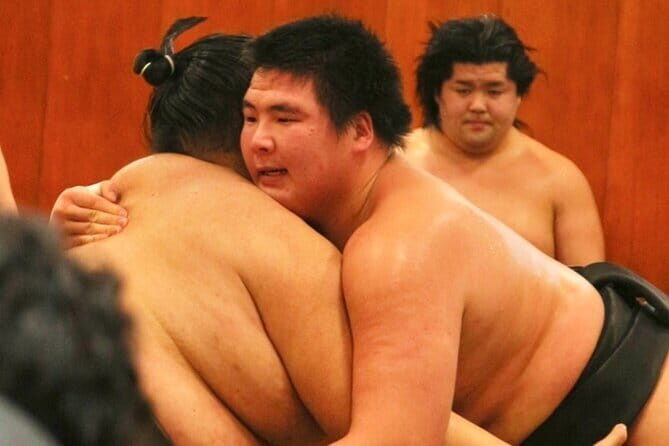
A real sumo stable morning, not a staged performance
Exclusive Q&A with active wrestlers, plus a photo moment
Flexible seating: zabuton cushions up front or stools farther back
You take home an official banzuke ranking sheet in a souvenir folder
Extra park time for a “Deep Q&A” with your guide to answer your questions
Entering Tokyo Sumo Mode at Narihira Park
The day starts in the quiet early hours of Sumida, around Narihira Park. Your meeting point is near the multipurpose restroom, and the guide checks your name and hands out sumo-related materials before you head anywhere near the stable.
This first phase matters more than it sounds. Sumo has rules of behavior, and if you show up without context, you spend the first half of the morning guessing. With an English-speaking guide, you get the basics of history, rules, and manners so the training actually clicks.
You’ll also get a quick sense of how the experience will flow, including where to sit and how to keep things respectful during practice. Guides like Haru, Momo, Ryoko, Sarah, and Sana are repeatedly singled out for being organized and easy to follow, which helps a lot when you’re dealing with a strict environment and unfamiliar etiquette.
A few more Tokyo tours and experiences worth a look
The Short Walk to an Active Stable (Where the Real Action Is)
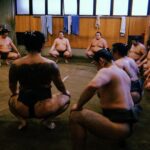
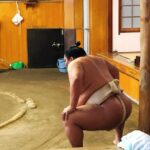
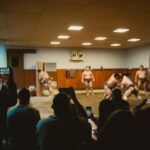
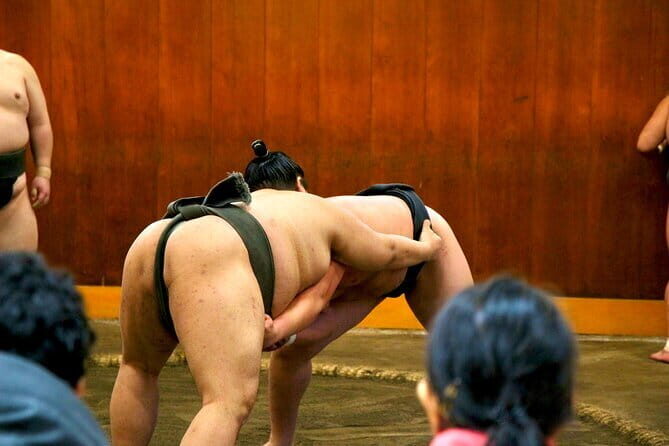
After the intro, there’s a short walk to an active sumo stable. This is one of the core reasons this tour feels special: you’re not just observing sumo as a spectator sport. You’re watching it as a daily routine built on training, discipline, and ritual.
The “closed to the public” feeling comes from scale and proximity. In the stable, you’re close enough to notice the effort behind the warmups, the pace changes during drills, and how quickly everything shifts when training intensifies. You also get the sense that wrestlers are there for work, not entertainment.
And yes, the atmosphere can feel intense at first. Early training in a stable is physical and loud in its own way—so if you’re expecting a quiet museum vibe, adjust your mindset fast.
Seating That Fits Your Comfort Level (Zabuton vs. Stools)
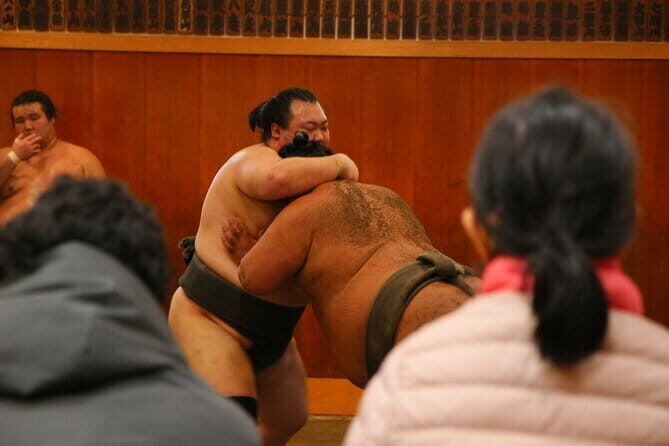
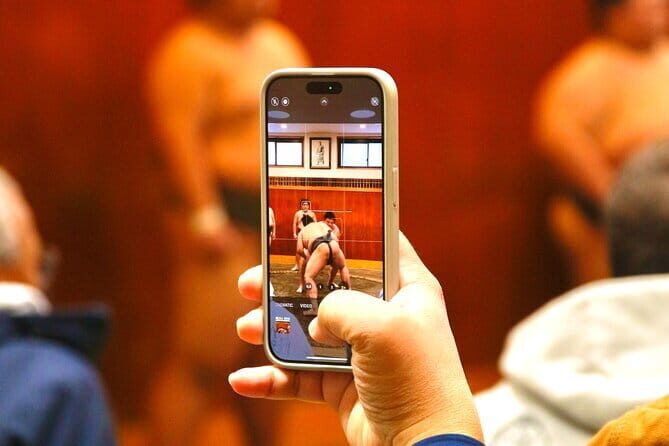
Inside the stable, the tour offers flexible seating so you don’t have to suffer to see well. The front option is zabuton floor cushions, which gives you a more immersive, close-up view. If you’d rather not sit on the floor, there are stools in the back.
This is a smart design because sumo training can take time, and you’ll want your body to feel stable. Sitting on the floor for a while can be fine if you’re comfortable, but stools are a practical alternative if you’re planning to keep your morning enjoyable.
Either way, you’ll be asked to keep quiet during practice. Photography is allowed, but flash isn’t allowed, and you’ll be guided on seating position. So your goal is to watch carefully, not to “perform” with your camera.
Watching Sumo Practice Like a Regular, Not a Tourist
The highlight is the practice itself—professional warmups and training you normally wouldn’t see. The important thing isn’t just the big moments where wrestlers clash. It’s the in-between work: repetitive drills, footwork, and how athletes prepare their bodies and focus.
This tour also helps you understand why the rituals matter. You’ll get context about rules and etiquette early, which makes the training feel logical instead of random. Once you know what you’re looking at, the whole session reads like a system: mindset, technique, and tradition all tied together.
One more thing: during tournament periods, the timing changes. During the Grand Sumo Tournament (about two weeks in Jan, May, Sept), practice starts about 30 minutes earlier, and the viewing time is about 1 hour. That can affect your expectations for how long you’ll be in “watch mode,” even though the overall structure stays similar.
Exclusive Q&A and Photo Moment With Active Wrestlers
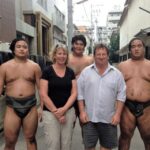
Here’s where the tour earns its “exclusive” label. After the practice, you get a guided setup for direct conversation and photos with active wrestlers. Instead of keeping your distance, the guide helps translate and keeps the experience respectful and focused.
This is the part that turns sumo from sport into human story. You can ask about training routines, daily life, or what their mindset is like. You’ll also get guidance so you know how to ask questions appropriately and keep the mood right for everyone involved.
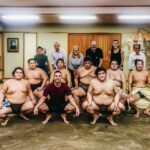
Photo time is included, and it’s more than a checklist moment. You’ll leave with a memory that feels personal, because it pairs a real encounter with the earlier training you witnessed. People who attended often emphasize how generous the wrestlers’ answers were and how much better the day felt once conversation replaced passive viewing.
Depending on timing and the flow of the session, you may also see or experience small interactive moments beyond just sitting and listening—like a short try or volunteer-style opportunity. It’s not something you should bank on as a guarantee, but the format clearly supports interaction, not a one-way lecture.





The Official Banzuke Souvenir (A Ranking Sheet With Meaning)
After training and Q&A, you return to Narihira Park for a special closing session. This is where you receive an official banzuke (sumo ranking sheet) in a dedicated souvenir folder.
Why this matters: a banzuke isn’t just a cute paper souvenir. It represents the structure of sumo’s ranking system and how performance is tracked in a world where status and progress are tracked officially. When you leave with one in hand, you can connect the training you just watched with the larger tournament system.
It’s also a practical keepsake. You don’t need extra museum energy to appreciate it. You have something concrete to look at later—useful when you read about bouts or follow tournament updates.
Deep Q&A at the Park (The Part You’ll Actually Use Later)
Instead of ending with a rushed meal plan, the tour includes time for a Deep Q&A at the park. Your guide stays with you to answer more questions about sumo traditions and provide Tokyo tips tailored to what you care about.
This is valuable because it solves the usual problem with specialty tours: you get excited in the moment, then you’re left wondering how to keep learning after you go. The guide helps you turn what you saw into a better understanding of what to look for next.
Also, your questions don’t have to be basic. You can ask about the meaning behind rituals, how training works day-to-day, or what to focus on if you plan to watch bouts later. This is where a strong guide really shows—people repeatedly mention that guides like Haru, Momo, and Ryoko are both professional and genuinely helpful with explanations.
Time Plan and How It Fits Your Tokyo Morning
The total duration is 3 hours, and the tour wraps around 11:00 AM. That timing is ideal because you’re not stuck in a full-day commitment while visiting Tokyo.
A big plus: you’re released with momentum to explore nearby areas like Asakusa or go up Tokyo Skytree. If you like your itinerary to have structure without feeling locked down, ending before midday helps a lot.
If you’re traveling in winter or during tournament weeks, remember the morning is early and the schedule can shift by about 30 minutes during the Grand Sumo Tournament period. Plan your day so you’re not rushing across Tokyo right after the tour ends.
Price and Value: What $93 Really Buys You
At $93 per person for about 3 hours, this is not a budget activity. But the value is unusually direct for Tokyo: you’re paying for access, translation support, and time with active wrestlers, not just for information.
Here’s what you actually get for the price:
- The sumo stable visit fee
- An English-speaking guide
- An official banzuke souvenir in a folder
- Exclusive Q&A plus a photo session
- A Deep Q&A segment to keep your questions covered
If you compare that to many Tokyo experiences that are mostly observation plus a quick talk, this tour is more interaction-heavy. You also get practical comfort through seating options, which matters in a long, early morning setting.
So the question isn’t whether it’s expensive. It’s whether you want the kind of sumo access that feels personal and guided. If yes, the price usually makes sense.
Rules and Practical Limits (So You Don’t Feel Rushed or Restricted)
This tour has clear boundaries. Food is not allowed, and you must follow rules about quiet behavior during practice. Flash photography is prohibited, and video recording and audio recording are not allowed.
Alcohol and drugs are obviously not permitted either, and the experience is for adults and older kids only: it’s not suitable for children under 6.
The practical takeaway is simple: show up focused. Bring your curiosity, not a snack plan. Keep your camera settings ready if you’re photographing (with no flash), and stay alert to where your seating position is. The guide will explain manners and the required behavior at the meeting point, so listen closely before you walk in.
Who This Tour Is Best For (And Who Might Want Something Else)
This is a strong fit if you want sumo in a way that feels real: daily training, ritual context, and a chance to ask questions directly. People who enjoy cultural precision, sports with tradition, and hands-on conversation usually love this format.
It’s also a good match for first-timers who don’t know the rules. The guide’s pre-training explanation helps you watch with understanding, not confusion. If you already follow sumo, you’ll still benefit from the banzuke souvenir and the deep Q&A that can clarify what you’re seeing.
If you want a long, relaxed tour with lots of free time, this may feel tightly scheduled. If you need to eat during the experience, you’ll need to adjust because food isn’t allowed.
Should You Book It? My Decision Guide
Book this tour if you want authentic sumo morning practice with real wrestlers, guided explanations, and time to ask questions that go beyond basics. The combination of practice viewing, exclusive Q&A, a banzuke souvenir, and the extra Deep Q&A makes it feel more complete than the typical “watch and leave” option.
Skip it (or consider alternatives) if you strongly dislike early mornings, don’t want to follow strict photography and quiet rules, or you’re traveling with very young children.
If you’re the kind of traveler who enjoys being close to tradition without being rude or intrusive, this is the kind of Tokyo experience that can genuinely change how you understand sumo.
FAQ
Where is the meeting point for the Tokyo sumo morning practice tour?
You meet near the multipurpose restroom at Narihira Park. The guide will check your name there and share materials related to sumo manners and rules.
How long is the tour, and what time does it end?
The tour lasts about 3 hours and typically wraps up around 11:00 AM.
Is transportation to the meeting point included?
No. Transportation to Narihira Park is not included.
What’s included in the price?
The price includes the sumo stable visit fee, guidance by an English-speaking guide, and a special souvenir (including an official banzuke).
What are the photography and recording rules?
Photography is allowed, but flash photography is not allowed. Video recording and audio recording are not permitted.
Is food allowed during the tour?
No, food is not allowed.
What changes during the Grand Sumo Tournament period?
During the Grand Sumo Tournament (about two weeks in Jan, May, and Sept), practice starts about 30 minutes earlier, and the viewing time is about 1 hour.