REVIEW · TOKYO
Tokyo Private Day Trip – Enjoy Your First-Time Visit to Tokyo!
Book on Viator →Operated by OTOMO Travel Guide · Bookable on Viator
Tokyo in seven hours can feel magical. This private walking day trip is built for first-timers who want ancient Tokyo and modern Tokyo in the same sweep, using the city’s public transport with an English-speaking guide. I love that it covers major neighborhoods in a logical path, and it helps you actually understand how Tokyo moves—like when guides such as Murayama-san show up with your name sign and get you started without stress.
Two things I really like: the itinerary hits big emotional contrasts (quiet temple grounds, street-style shopping energy, then red-lantern history), and you get true private attention for questions and pacing. One consideration: you should budget extra for things that are not included—transport between stops, lunch, and entrance fees like Tokyo Tower.
If you want a day that’s equal parts culture, food stops, and photo-worthy sights, this one does the job. The key is going in prepared: sneakers, some cash for cash-only moments, and a calm attitude for weather changes.
In This Review
- Key highlights to know before you go
- Why this private day trip works for first-timers
- Starting at Harajuku: the smarter launch point
- Meiji Jingu Shrine: your calm reset inside the city
- Takeshita Street and Omotesando: fashion energy with breathing room
- Tsukiji Fish Market: market history, real shopping energy, plan for lunch
- Tokyo Tower: the icon stop (and why tickets aren’t included)
- Senso-ji in Asakusa: red lanterns and old Tokyo vibes
- Price and value: what you’re paying for at $99.49
- The public transport advantage (why the guide matters)
- Walking, cash, weather changes, and other real-world tradeoffs
- Should you book this Tokyo Private Day Trip?
- FAQ
- How long is the Tokyo private day trip?
- Is this tour private?
- Does the guide speak English?
- What’s included in the price?
- Are entrance fees included?
- Is lunch included?
- Do I need cash?
- What if the weather is bad or a site is closed?
- What is the cancellation policy?
Key highlights to know before you go
- A first-time Tokyo route in one day with modern icons plus classic temples
- English-speaking private guide who can keep public transport from feeling scary
- Meiji Jingu (free admission) for a nature break right in the city
- Tsukiji Fish Market area (free access) for market history and lunch nearby
- Tokyo Tower + Senso-ji to close the loop from skyline to old Tokyo
Why this private day trip works for first-timers
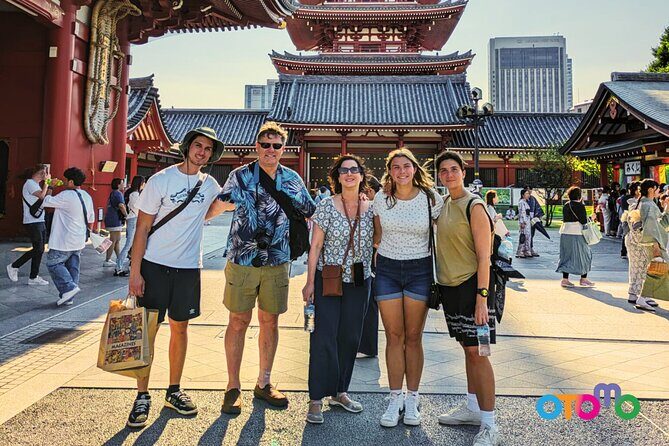
Tokyo can be overwhelming fast. This tour is designed to reduce that. Instead of guessing which trains to take, you follow a guide who understands the flow and keeps you moving between areas like Harajuku/Meiji, Harajuku’s fashion lanes, Tsukiji’s food energy, and Asakusa’s temple district.
The payoff is how much variety you pack in. You get a “Tokyo mood” shift at each stop: forested calm at Meiji Jingu, youth-fashion chaos at Takeshita Street, the intense market atmosphere at Tsukiji’s old grounds, the skyline icon at Tokyo Tower, and then the heritage feel of Senso-ji with its famous red lanterns.
You can also read our reviews of more private tours in Tokyo

Starting at Harajuku: the smarter launch point
The tour begins at Harajuku Station (Jingumae/Shibuya area) and ends at Asakusa Station (Taito City). That end-to-end routing is practical: you’re walking into central sights without backtracking across the whole city.
Harajuku also sets the tone. It’s close to Meiji Jingu, and it naturally feeds into the shopping/people-watching section after the shrine visit. If your goal is to “get your bearings fast,” starting here helps.
Meiji Jingu Shrine: your calm reset inside the city
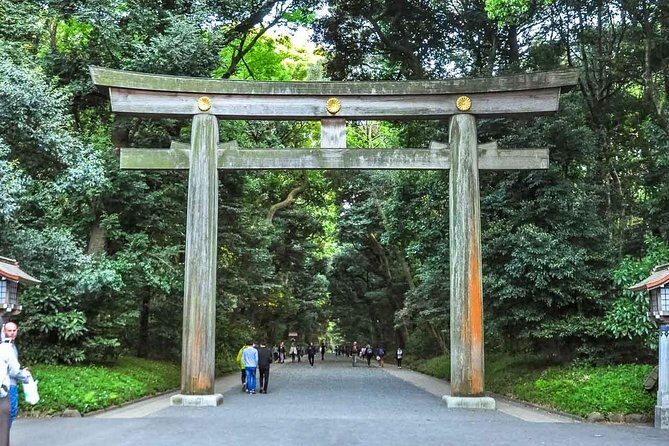
Stop 1 is Meiji Jingu Shrine. You’ll spend about 50 minutes here, and admission is free. This shrine is described as having the most worshippers in Japan, and it sits in a big pocket of greenery—so it’s a rare pause from Tokyo’s noise.
What you’ll likely enjoy most is the atmosphere shift. One moment you’re near busy streets; the next you’re walking through a forested approach and feeling like you stepped into a different city. If you like history you can feel in your feet, Meiji Jingu is the kind of place where details matter: the space, the pace, and the way visitors behave differently inside a sacred area.
A small practical tip: wear shoes you can move in. Even though the stop isn’t long, shrine paths add up, and you’ll continue walking later.
Takeshita Street and Omotesando: fashion energy with breathing room
Next is Takeshita Street / Omotesando for about 50 minutes. Admission is free. This is where you get the fast-hit version of youth culture—bright shops, crowds, and people watching that feels like a live runway.
Here’s what makes this stop useful on a private tour: you’re not just standing in the center of the crowd. A good guide helps you read the area—what’s worth looking at, what’s more gimmicky, and where to slow down for photos without getting stuck in the thickest bottlenecks.
The only catch is that this is popular. Expect more people than you’d see on a quieter street. If your group hates crowds, you might want your guide to steer you toward a less packed lane moment-to-moment.
Tsukiji Fish Market: market history, real shopping energy, plan for lunch
Stop 3 is Tsukiji Fish Market for about 1 hour 30 minutes. Admission is free. Tsukiji used to be Japan’s largest wholesale fish market, thriving from 1935 to 1983—then it closed in 2018 and moved to Toyosu. Even so, the old Tsukiji area still matters, and locals still appreciate it.
This stop is great if you want food culture without needing to know everything beforehand. You’ll walk through the “market mindset”: quick bites, snack-style stops, and shops that feel built for busy daily routines.
A few practical notes you should take seriously:
- Many stores can close on Wednesdays, Sundays, and public holidays, so lunch options can vary by day. Your guide may route you to places that are open, or toward Ginza or Tsukishima nearby.
- Some places only take cash, so bring some with you.
- A mask is recommended at Tsukiji. Bring one if you can.
Also, lunch isn’t included. The tour helps you find a good option, but you’ll pay for your meal.
A few more Tokyo tours and experiences worth a look




Tokyo Tower: the icon stop (and why tickets aren’t included)
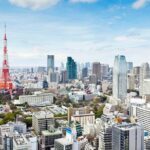
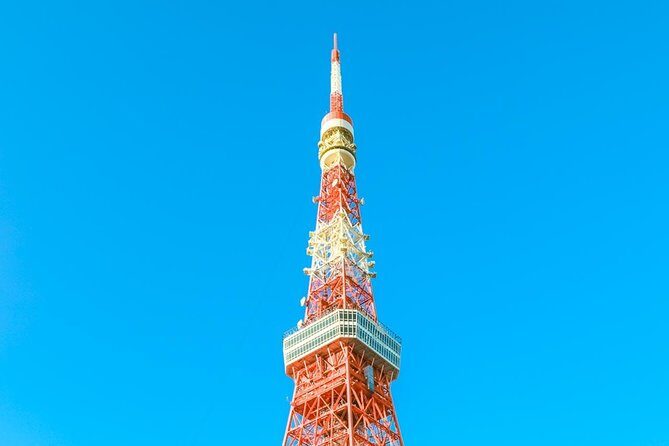
Stop 4 is Tokyo Tower for about 45 minutes. Admission is not included. Tokyo Tower was built in 1958, and it’s still a strong symbol in the city skyline—even with newer, taller landmarks.
This stop is worth it even if you don’t go inside. The real value is being able to point, see it in context with the surrounding buildings, and then have a clear photo moment before you head to Asakusa. If you do want to go up or do a paid entry activity, you’ll need to budget for that separately.
If you’re traveling with anyone who gets “stand-in-line tired,” manage expectations here. Forty-five minutes is enough for the main photo moments and a quick stroll, but not for long ticket-line delays.
Senso-ji in Asakusa: red lanterns and old Tokyo vibes
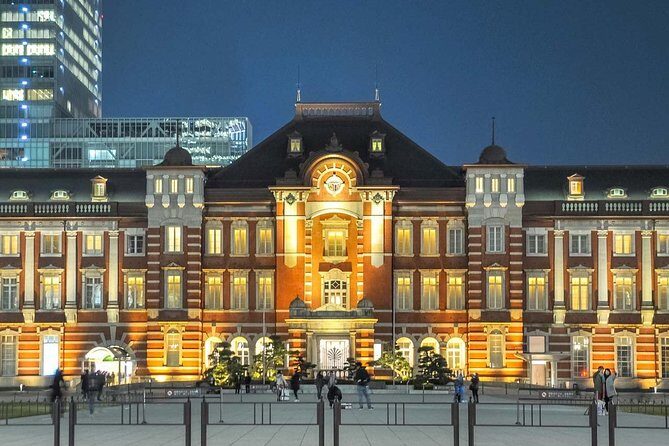
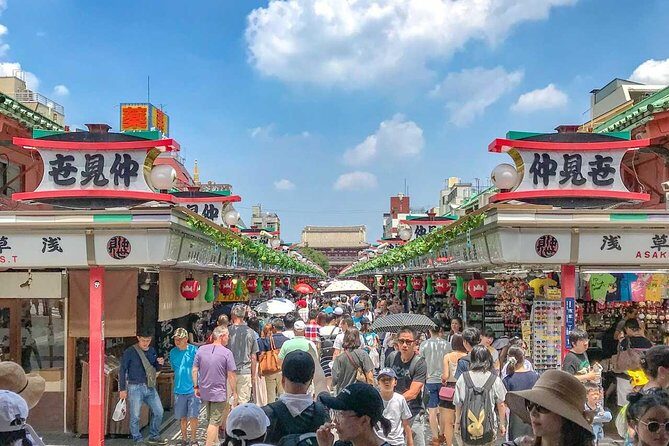
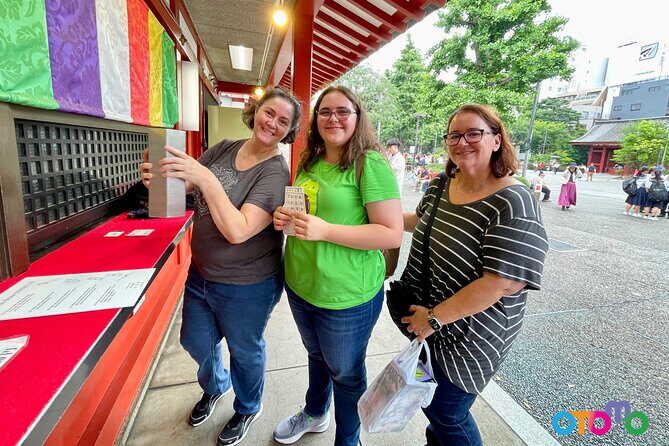
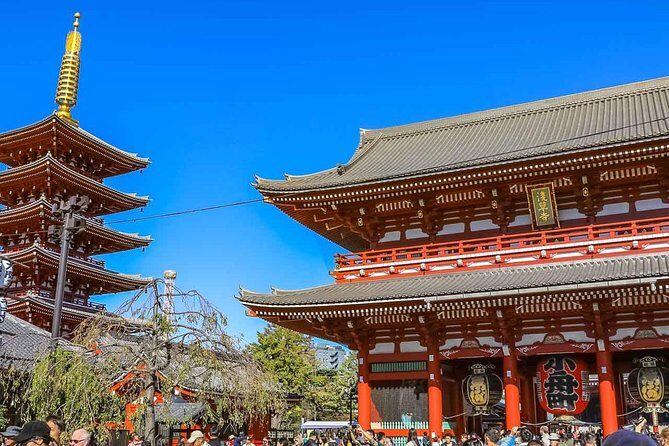
The finale is Senso-ji Temple for about 45 minutes. Admission is free. This is Tokyo’s oldest temple, and the massive red lanterns are basically the poster for Asakusa.
This is the stop that makes the whole day feel like a complete story. Early on you’re in shrine calm; by the time you reach Senso-ji, you’re in classic neighborhood energy with historic architecture and a heavy dose of Tokyo tradition. If you’re the type who likes souvenirs, this area also tends to be where people naturally slow down to shop.
A practical pacing note: you’ll likely be tired by now. That’s normal. Keep your goals simple—see the main temple area, take your photos, and leave enough energy to walk back to your end point.
Price and value: what you’re paying for at $99.49
At $99.49 per person, the biggest value driver isn’t the number of stops. It’s the private guide and how efficiently you move between very different parts of Tokyo.
Here’s what the price does cover:
- Tour guide
- Private tour
- A mobile ticket is mentioned
Here’s what you should plan to pay separately:
- Transportation fees
- Entrance fees
- Lunch and other personal expenses
Tokyo Tower is specifically noted as not included for admission. So even if the main sightseeing entries are free (Meiji Jingu, Tsukiji area, Senso-ji), your total day cost can still rise once you include transit and any paid entry choices.
There’s also an item noted for costs in the pre-planned must-sees option: estimated costs of 2,780 JPY per traveler. In real life, your actual spending depends on what you choose to enter and where you eat.
My take on value: if you’re traveling with a group that wants to learn trains, avoid getting turned around, and see the highlights without building a complicated day plan, paying for a private guide is often cheaper than it looks. If you’re confident with transit already and you only want two or three sites, you might decide this is more guide time than you need.
The public transport advantage (why the guide matters)
This tour uses the public transport system, and that’s not a small detail. Tokyo transit is excellent, but it can still feel like a puzzle when you’re tired, jet-lagged, and navigating stations with multiple exits.
The best guidance is the kind that turns confusion into confidence. In the experiences shared, guides like Yutaka were praised for helping people understand the transport system, and Murayama-san was described as already waiting with a sign at the subway/meeting location—exactly what you want on day one.
Also, this is private. That matters because you can ask quick questions without feeling rushed, and your guide can adjust pacing if your group moves more slowly or wants extra time at a photo spot.
Just keep one mindset: you’re still walking. This isn’t a drive-around tour.
Walking, cash, weather changes, and other real-world tradeoffs
A few things you should treat as facts of the day, not surprises:
- Expect a lot of walking. Sneakers are recommended.
- Some stops use cash only. Have cash ready.
- Weather can change routes. If it’s bad, transportation and destinations may shift.
- Temporary closures can lead to alternatives. You may visit substitute spots.
One more balanced note: most guides are praised for clarity and strong context, and some are even praised for being great at photography. But you should still stay alert at transit moments. If your group has mobility needs or you’re worried about keeping everyone together during station changes, choose the customizable option and communicate your pace and priorities early.
Should you book this Tokyo Private Day Trip?
Book it if you want:
- A structured first day that covers Meiji Jingu, Tsukiji area, Tokyo Tower, and Senso-ji
- Private, English-speaking help so you can understand transit and avoid wasted time
- A day that mixes calm, iconic viewpoints, and classic old Tokyo energy
Skip it (or adjust your plan) if:
- You hate crowds and long walks
- You already know Tokyo transit well and don’t need a guide to connect neighborhoods
- Your budget is tight, because while many key stops are free, transport, lunch, and Tokyo Tower entry (if you choose it) add up
FAQ
How long is the Tokyo private day trip?
It runs for about 7 hours (approx.).
Is this tour private?
Yes. It’s a private tour, and only your group participates.
Does the guide speak English?
Yes. The tour description says you’ll learn from an English-speaking guide.
What’s included in the price?
The price includes the tour guide and the private tour. A mobile ticket is also mentioned.
Are entrance fees included?
Not all of them. Tokyo Tower admission is not included, and entrance fees overall are listed as not included. Some key stops like Meiji Jingu and Senso-ji are listed as free.
Is lunch included?
No. Lunch is not included, though your guide may help you plan where to eat, including near Tsukiji.
Do I need cash?
You should. The info says some spots only accept cash, and it’s recommended to have cash ready.
What if the weather is bad or a site is closed?
The tour may change routes and destinations if weather is bad, and sites can be swapped to alternatives if there are temporary closures.
What is the cancellation policy?
You can cancel for a full refund up to 24 hours in advance of the experience start time.