REVIEW · TOKYO
Mt Fuji & Hakone Cruise, Drum Show Bus 1 Day from Tokyo
Book on Viator →Operated by JTB Global Marketing & Travel Inc. · Bookable on Viator
Fuji and Hakone in one long day. It is a smart way to see big highlights without juggling trains, and the stops are built around classic views of Mt. Fuji plus Hakone’s lake-and-mountain scenery. You ride a heated, air-conditioned coach out of Tokyo, then spend the day at the key photo stops: Mt. Fuji 5th Station, a cruise on Lake Ashi, and a ropeway ride up at Komagatake.
Two things I really like: the tour includes the essential admission fees, so you are not doing last-minute ticket math, and the group is kept to a maximum of 44 travelers, which helps the day feel controlled instead of chaotic. I also like that you can pick a lunch option, and that the lunch stop can include a traditional Japanese drum performance.
One drawback to plan for: the whole schedule depends on weather and operating conditions. If cloud rolls in or routes close, you still go places, but the exact Fuji and ropeway experience can shift.
In This Review
- Key highlights that matter on the ground
- A one-day plan that actually works: coach, stops, and time
- Mt. Fuji 5th Station: the views are the point, but the timing is fixed
- Fuji lunch at the hotel stop: good food, plus taiko-style entertainment
- Lake Ashi cruise on Sorakaze: short time, big scenery pay-off
- Hakone Komagatake Ropeway: shrine stop meets mountain views
- Odawara option and the return to Tokyo without drama
- Price and value: what you are paying for at about $122
- Who this Fuji and Hakone cruise day trip suits best
- Weather reality check: plan for a different kind of day
- Should you book this Mt. Fuji & Hakone cruise day trip?
- FAQ
- How long is the Mt. Fuji & Hakone Cruise day trip?
- Where do I meet, and what time does the tour start?
- Is lunch included?
- What does the lunch include?
- How long is the Lake Ashi cruise?
- Where is the ropeway stop, and how long is it?
- What happens if I can’t see Mt. Fuji at the 5th Station?
- What if the Lake Ashi cruise or the ropeway is not operating?
- Can I cancel for a full refund?
Key highlights that matter on the ground
- Coach comfort from Shinjuku so you can focus on scenery, not transfers
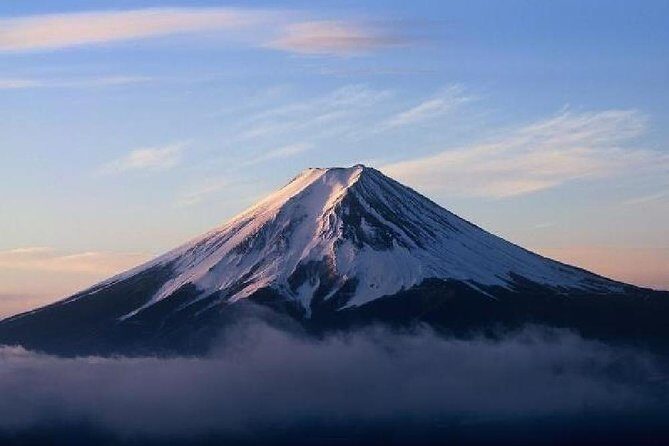
- Mt. Fuji 5th Station at about 2,300 meters for that halfway-up mountain feel
- Lake Ashi cruise (Sorakaze) with postcard views of Fuji and Hakone peaks
- Hakone Komagatake Ropeway plus a shrine at the mountaintop (Mototsumiya)
- Optional lunch with food choices and a wadaiko-style drum performance
- Backup sightseeing when weather hits so the day still has shape
A one-day plan that actually works: coach, stops, and time
This is a full-day day trip built for people who want Fuji and Hakone without spending your whole vacation learning transit. You start at 8:10am from the JTB Sunrise Tours Sales Office in Nishishinjuku (Shinjuku), and the tour runs about 12 hours 35 minutes. You usually finish back in the Tokyo area, commonly around Shinjuku Station between 6pm and 9pm.
The big reason this feels easier than DIY is the flow. You are not coordinating the bus-to-train-to-boat-to-ropeway chain. You get round-trip coach transportation, a licensed English guide interpreter, and included entry fees for the main paid stops. The coach is heated and air-conditioned, which matters because it can get cold near the mountain even in summer.
Group size is limited to 44 people. That is not tiny, but it’s enough to keep lines moving and explanations possible. One practical note: depending on headcount, they might use a smaller bus instead of the biggest coach, so if you care about legroom, keep that in mind.
You can also read our reviews of more boat tours in Tokyo


Mt. Fuji 5th Station: the views are the point, but the timing is fixed
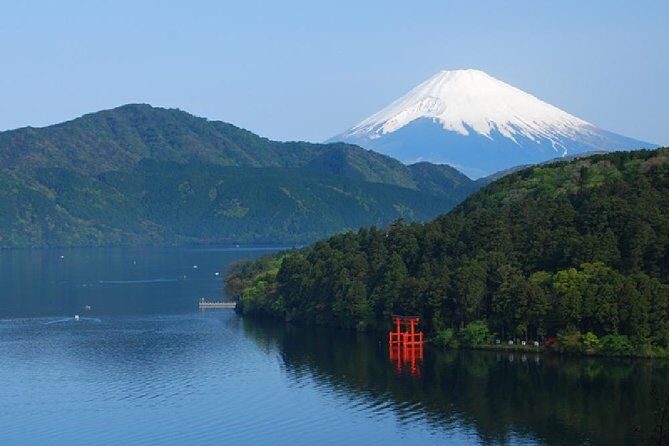
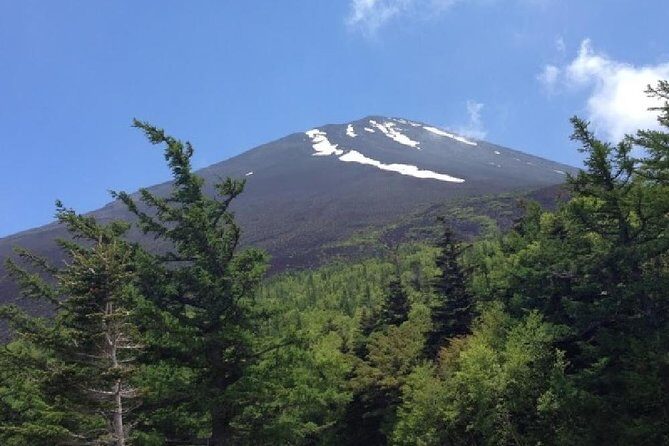
Your Fuji anchor is Mt. Fuji 5th Station. The bus heads up along the Subaru Line or the highest accessible route, and you are dropped at the 5th Station area for about 30 minutes. At roughly 2,300 meters above sea level, you feel the altitude quickly—cooler air, brisk wind, and a different pace of breathing.
What you do in that time is simple and classic: walk around the station area, check out souvenir shops, and visit the torii gates and shrines that mark Fuji as a symbolic place between heaven and earth. Thirty minutes sounds short on paper. In practice, it is just enough time to get your bearings, take photos, and get a quick feel for what the mountain culture is like—especially if the weather cooperates.
Now the key reality check: visibility is not guaranteed. The tour notes that Fuji may be obscured by weather even from the base, and if views are not likely from the 4th or 5th Station area, the operator will switch you to alternative facilities (examples include the Fujisan Museum, Lake Kawaguchi Oishi Park, Fujisan World Heritage Center, Itchiku Kubota Art Museum, and Oshino Hakkai). That is helpful. It also means your day might shift from awe-inspiring views to sightseeing and culture.
Fuji lunch at the hotel stop: good food, plus taiko-style entertainment
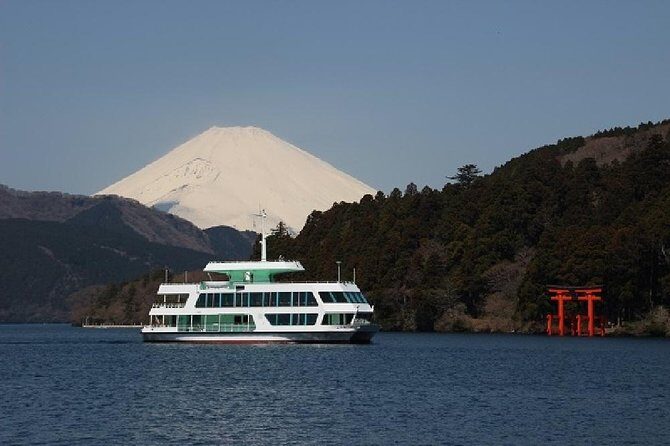
If you select the with-lunch option, one stop is at Fuji Zakura Hotel. Plan on about 50 minutes here. This is a sit-down Japanese-style meal with tea or coffee, and you can usually request meal types like vegetarian, Muslim-friendly, or an Indian thali-style meal when you book (you need to specify counts in advance).
A useful practical detail: the Muslim-friendly option avoids pork and alcohol, but it is not halal certified. The vegetarian option avoids meat and fish, and the Indian thali option is vegetarian as well. Allergy-friendly or gluten-free meals are not listed as available, so if you have serious dietary needs, the no-lunch option may be safer because you control what you eat.
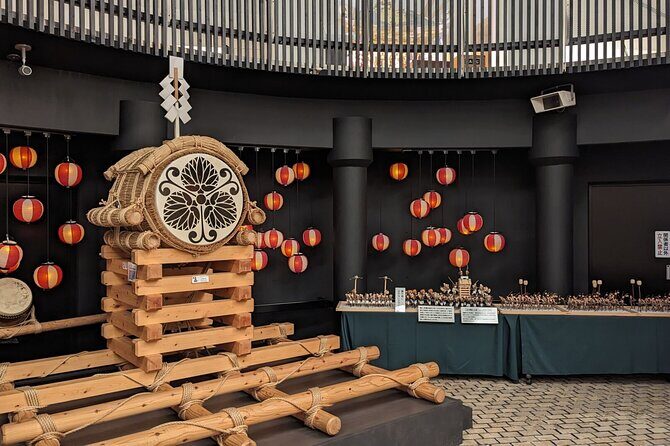
This lunch stop is also where the wadaiko (Japanese drum) performance may happen. It is described as part of traditional arts and social independence training, and it can be a memorable cultural moment after a long coach ride. But timing matters: if you arrive late due to road conditions, the performance might not be viewable, and in some circumstances it can be canceled without notice. There is also a specific note that the drum performance will not be held on February 28, 2026.
Lake Ashi cruise on Sorakaze: short time, big scenery pay-off
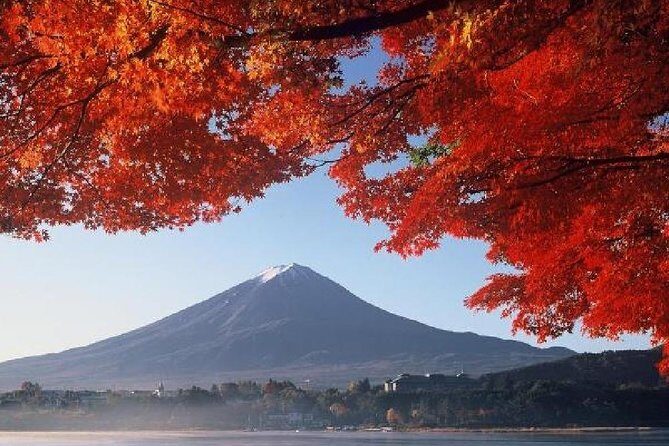
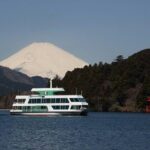
Next up is Lake Ashi, a crater lake formed by a massive volcanic eruption around 3,000 years ago. The cruise stop is brief—about 15 minutes—but it is designed for the classic Hakone postcard view: water in the foreground, mountain silhouettes in the distance, and often Mount Fuji in the background if conditions cooperate.
You board the Sorakaze cruise ship. The experience is described as relaxing and scenic, and because Lake Ashi sits in the Hakone area, you also get a sense of being deep in the national park rather than still trapped in city grid.
What I think is smart about this stop is that it gives you a different travel rhythm. After hours on a bus, you get a slow glide. Even if you already know the photos, seeing the lake from the deck adds a real sense of place.
Just be aware of the practical risk: if the Lake Ashi cruise cannot operate due to weather or road congestion, you will be guided to alternative sightseeing options (examples include Appare Sightseeing Boat on Lake Kawaguchi, Swan Lake Cruise Ship on Lake Yamanaka, Hakone Pirate Ship, or Hakone Jukkokutoge Panoramic Cable Car and others). The day continues either way.
Hakone Komagatake Ropeway: shrine stop meets mountain views
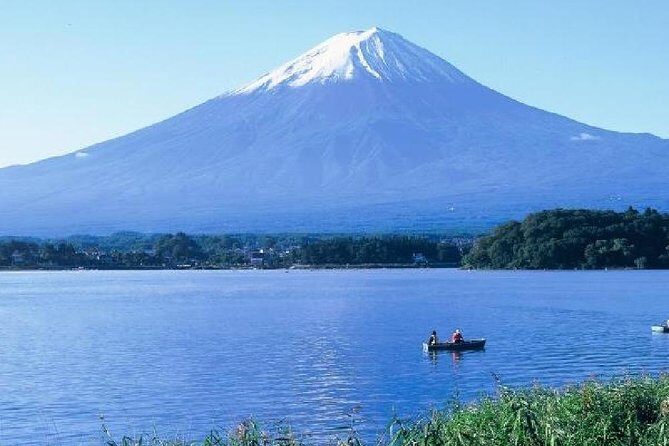
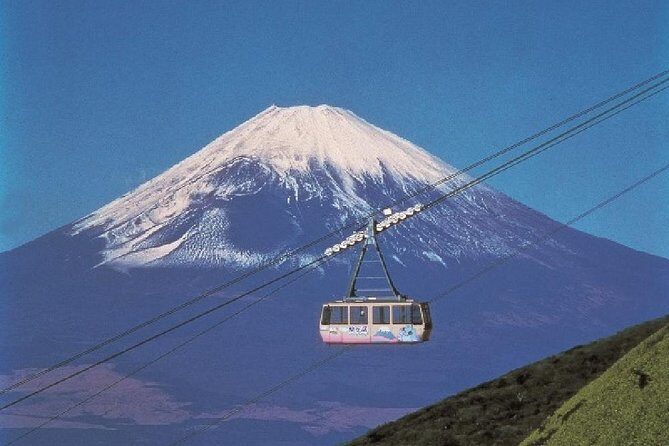
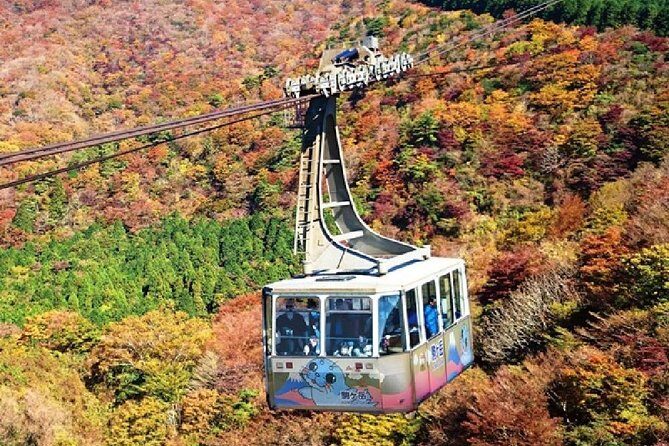
Then comes the mountain lift: the Hakone Komagatake Ropeway. You ride the cableway up and reach the mountaintop area near the Hakone Shrine Mototsumiya (original shrine). You get about 50 minutes here, which is enough time to ride up, look around, and take plenty of photos without feeling like you are being herded.
The ropeway experience is tied to Hakone National Park scenery. Once you are at the summit area, you can explore the viewpoints. The tour description highlights potential views including Mount Fuji, the Izu Peninsula, and the Izu islands, among other features—depending entirely on weather and cloud cover.
If the ropeway is not operating due to conditions, the tour switches to other alternatives such as Mt. Fuji Panoramic Ropeway, Hakone Ropeway, Hakone Jukkokutoge Panoramic Cable Car, Itchiku Kubota Art Museum, or even options like Owakudani (among others). That backup list matters because it protects your day from going completely blank.
One small downside: because the tour is built around multiple sites, your time at Komagatake is not long enough for a slow hike day. This is more about the viewpoint and the ride than about trekking.
A few more Tokyo tours and experiences worth a look

Odawara option and the return to Tokyo without drama
There is an Odawara stop that is only a disembark point if you selected the Odawara drop-off option in advance. Otherwise, the bus keeps moving. If you are going that route, it is a quick stop (listed as about 5 minutes).
Your return to Tokyo is also straightforward. The tour concludes between 6pm and 9pm when you reach Shinjuku Station (for the Shinjuku option). After that, you are responsible for getting to your final destination.
One practical advice: have a plan for your next leg home. The tour sets you down near Shinjuku, and after that you are in charge. If you are picky about train seating later, think ahead and allow extra buffer time—getting caught at peak commute hours after a long day is nobody’s favorite souvenir.
Price and value: what you are paying for at about $122
At about $122.55 per person, the big value is that this is not only a transportation fee. You are paying for a full day of guided logistics: round-trip coach from Tokyo, English guide interpreter services, and key admission fees included for the paid stops. That combination can be cheaper than doing each segment yourself once you add up transport time, tickets, and the risk of late connections.
If you choose the no-lunch option, you are expected to handle food on your own, and the tour does note that there are no cafes or restaurants at the lunch break area. That is a big deal for value and comfort. If you prefer not to rely on finding food mid-day, the with-lunch option is often the more relaxing choice.
Also, the tour is capped at 44 people, and you get guide interpretation rather than just sitting with a driver. In Japan, that can make the stops feel more meaningful because you know what you are looking at and why it matters.
Finally, there is a small sustainability angle: this is described as a carbon offset product, where a portion of the booking goes toward renewable energy contributions.
Who this Fuji and Hakone cruise day trip suits best
This is a strong fit if you want a first taste of Fuji and Hakone and you do not want to spend your day figuring out trains. It’s also ideal if you like a structured day: a set departure, timed stops, and planned experiences like the Lake Ashi cruise and ropeway ride.
It is also a good match for people who appreciate cultural extras. The potential lunch stop drum performance is not just for entertainment; it gives you a slice of traditional performance format and local support work connected to the tour operator’s partner.
I would be cautious if you are the type who wants long time at one location. Some people hope for a longer hike or a more relaxed wandering pace at Fuji or at the summit. The schedule is tight by design. You are trading depth for coverage.
Weather reality check: plan for a different kind of day
You do not control the sky. The tour explicitly warns that Mt. Fuji might not be visible, and it also notes winter closures of the Fuji Subaru Line due to snowfall and freezing conditions. If Fuji visibility is unlikely or access routes are closed, the day will not be canceled, and refunds are not given for weather-related missed visibility.
That sounds harsh, but the key is the alternative sightseeing plan. When Fuji 4th/5th Station views are not likely, you might be taken to places like the Fujisan Museum or Oshino Hakkai. When Lake Ashi or the ropeway cannot operate, you may go to other viewpoints, lakes, castles, shrines, museums, or sites like Owakudani and Hakone Shrine options.
So your best strategy is mindset: treat this as a Fuji-and-Hakone highlights day with weather resilience, not a guarantee of a perfect Fuji skyline photo.
One very practical tip is to dress for cold. Even in summer, temps can drop near Fuji, and in winter it can be far below freezing. Bring warm layers and gloves if you run cold easily. Your comfort at the 5th Station changes how much you enjoy the stop.
Should you book this Mt. Fuji & Hakone cruise day trip?
Book it if you want a high-structure day that mixes iconic Fuji stop culture with Hakone’s cruise-and-ropeway experience, and you value not doing transit planning yourself. The included admission fees and the option for lunch make it easier to manage a long day without surprises.
Pass or consider a different format if you need guaranteed views of Fuji from the 5th Station or you want hours of hiking time. Also think twice if you hate tight schedules, because even in good weather the time at each major stop is intentionally limited to fit everything in.
If you do book, pack warm layers, pick the with-lunch option if you want that cultural drum moment and a ready meal plan, and keep your expectations flexible about clouds. That way, even if the weather changes your exact route, you still get a full and genuinely varied day in the Fuji-Hakone region.
FAQ
How long is the Mt. Fuji & Hakone Cruise day trip?
It runs about 12 hours 35 minutes (approx.).
Where do I meet, and what time does the tour start?
You start at JTB Sunrise Tours Sales Office in Nishishinjuku (Shinjuku). Start time is 8:10am.
Is lunch included?
Lunch is included only if you select the with-lunch option. If you choose no lunch, you are responsible for your own meal.
What does the lunch include?
The with-lunch option includes a Japanese-style meal with tea or coffee at Fuji Zakura Hotel, plus meal-type options like vegetarian, Muslim-friendly, or Indian thali when requested during booking.
How long is the Lake Ashi cruise?
The Lake Ashi stop includes a cruise on Sorakaze for about 15 minutes.
Where is the ropeway stop, and how long is it?
You ride the Hakone Komagatake Ropeway, with about 50 minutes at the stop including time to explore the mountaintop area.
What happens if I can’t see Mt. Fuji at the 5th Station?
The tour will not be canceled due to weather. If views are not likely from the 4th or 5th Station, you will be guided to alternative facilities, and refunds are not given for this reason.
What if the Lake Ashi cruise or the ropeway is not operating?
If those activities cannot run due to weather or road conditions, the tour provides alternative sightseeing options. The tour is not canceled and refunds are not issued for this reason.
Can I cancel for a full refund?
Yes. Free cancellation is available, and you can cancel up to 24 hours in advance for a full refund.