REVIEW · KYOTO
Dinner with Maiko in a Traditional Kyoto Style Restaurant Tour
Book on Viator →Operated by MagicalTrip Inc. · Bookable on Viator
Kyoto’s Gion has a way of feeling secret. This 3.5-hour evening pairs a short Gion stroll with a private maiko dinner experience that explains the etiquette and shows the art up close. It’s built for small groups (max seven), so the night doesn’t feel like a factory tour.
I especially like two things: the way you get time for questions through a guide who can translate, and the fact that dinner happens in an intimate room where the performance and interaction feel personal. One more plus for many people: the meal itself includes multiple dishes and a choice of drinks.
One drawback to think about first: seating can affect your view of the dance, and the interaction can be structured rather than a free-flowing conversation the whole time. If you want eye-level sight lines, plan to speak up when you arrive so the staff can guide you to the best spot.
In This Review
- Key things to know before you go
- Why Gion at night feels made for this kind of dinner
- The 3.5-hour flow: meeting point to dinner in Gion
- Gion stroll: machiya streets, etiquette cues, and quick surprises
- The maiko time: questions, performance, and the pace of traditional interaction
- Dinner setup: private teahouse style and the seating reality
- What you eat and drink: multiple courses, Japanese flavor variety, and choices
- The short after-dinner walk: a calm finish in Kyoto’s night streets
- Price and value: what $299.95 buys you here
- Who this tour fits best (and who might want a different plan)
- Practical tips so you get the best night possible
- Should you book this Gion maiko dinner tour?
- FAQ
- How long is the dinner with Maiko tour?
- What is the group size?
- Where does the tour start and end?
- Is there an age limit?
- Is the tour suitable for mobility issues?
- Can I request dietary changes or allergies?
- What if the weather is bad?
- Is free cancellation available?
Key things to know before you go
- Maximum 7 guests keeps the pace calm and the questions easy to manage
- Private dining room makes the maiko time feel respectful, not rushed
- Guides like Hikari, Peco, and Josh have led groups, often with strong translation support
- Meal format includes many courses and a range of drink options, depending on the group setup
- Short Gion walk first helps you understand the area before the evening shifts indoors
Why Gion at night feels made for this kind of dinner
Gion is one of those places where the streets look like a postcard, but you still need the context to read them. On this tour, you start in the neighborhood itself, so you’re not just showing up for dinner and leaving. You get the layout, the atmosphere, and a few etiquette notes that make the whole experience feel less awkward.
Then the night shifts indoors. That matters. Kyoto’s geisha arts are not just about watching something pretty. The timing, the formality, and the social rhythm are part of the show. Eating in a private room with a maiko (apprentice geisha) is the kind of setting that helps you feel the culture, not just observe it.
A few more Kyoto tours and experiences worth a look
The 3.5-hour flow: meeting point to dinner in Gion
This tour runs about 3 hours 30 minutes, and it keeps a steady pace: a walk in the Gion area, a long block of maiko time and dining, then a short after-dinner stroll. They also note you must start on time, so arrive a little early and take a breath before you meet up.
Your start point is the Statue of Izumo-no-Okuni at Kawabatacho in Higashiyama Ward. The end is at the restaurant in Gion. You’ll also use a mobile ticket, and the meeting area is described as near public transportation.
Two practical things I’d plan for:
- Wear shoes you can walk in comfortably, because the first part is a real neighborhood stroll.
- If you have mobility limitations, this one is not recommended; a private tour is suggested instead.
Gion stroll: machiya streets, etiquette cues, and quick surprises
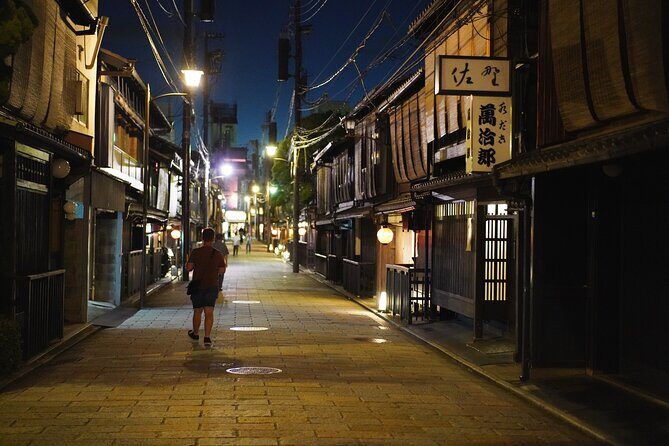
The first stop is a Gion walk for about 40 minutes. Gion is known for preserved traditional wooden houses, often called machiya, and that visual context helps you understand what you’re seeing later in the evening. The tour time is short, so it’s not a long lecture. It’s more like guided orientation: what to look for, how people move through the area, and how to behave respectfully.
In the reviews, people loved noticing small details that they would have missed on their own, like a school timetable sign. That’s a good example of why this walk is worth doing: it trains your eyes. Instead of staring at scenery, you start catching the little bits of local life along the way.
If you’re the type who gets impatient with slow walking, don’t worry. This is paced to fit the full evening, and it’s designed to lead you naturally into the dinner block.
The maiko time: questions, performance, and the pace of traditional interaction
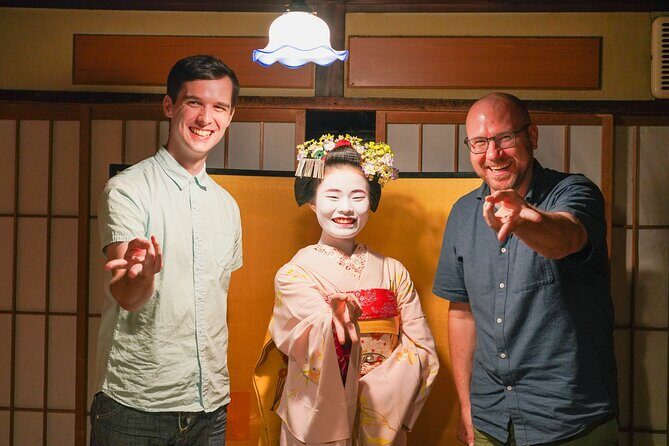
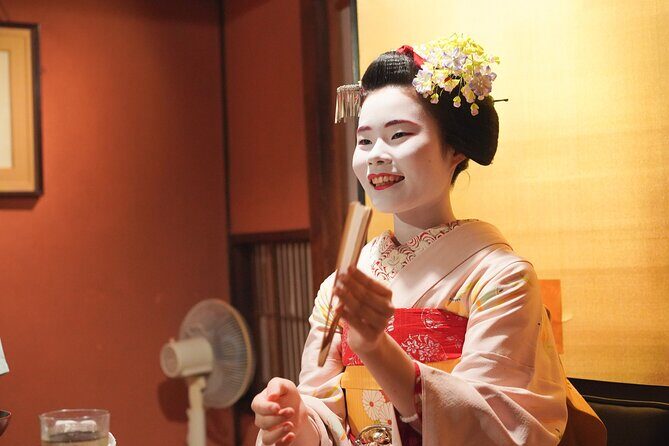
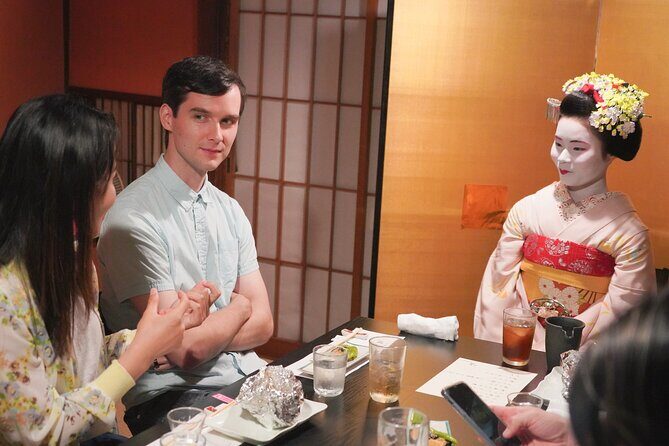
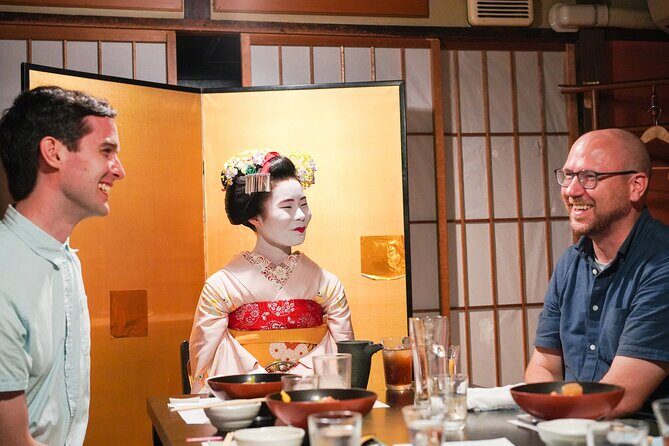
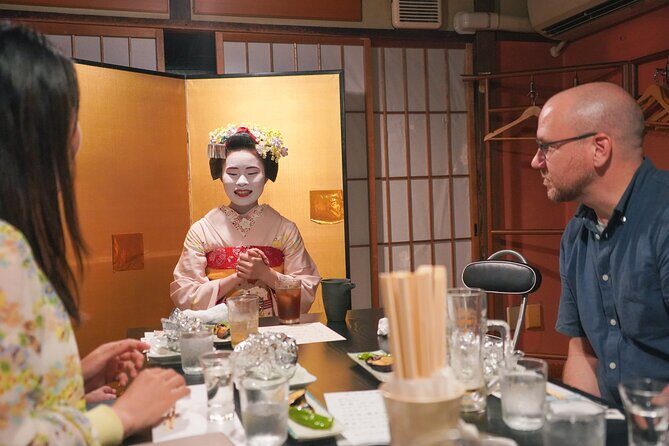
The heart of the experience is the private meeting and cultural performance with a maiko, plus time for interaction. You’re in a private and intimate setting, and the guide helps manage the flow so you can ask questions without the awkwardness that can happen in formal cultural settings.
A big reason people rate this so highly is the translation support. In multiple reviews, guests mentioned guides such as Hikari, Peco, or Josh making it comfortable to ask questions. That’s key. When you’re trying to understand the geiko/maiko world, the details come fast. Without translation, you might miss the meaning behind the customs.
Expect a mix of:
- A performance that showcases the refined art form skill
- Time for Q&A (guided by the structure of the evening)
- Traditional interaction elements, not just a sit-and-chat session
Now, here’s the consideration. One guest felt the interaction wasn’t a deep, conversational back-and-forth. That’s believable here, because these are formal arts occasions. You’ll likely get questions answered, but don’t assume it’s an all-night casual conversation.
What you can do: come with 3–5 prepared questions. Keep them simple. The best questions tend to be about the maiko’s path, training, what certain gestures mean, and how the art connects to daily life.
Dinner setup: private teahouse style and the seating reality

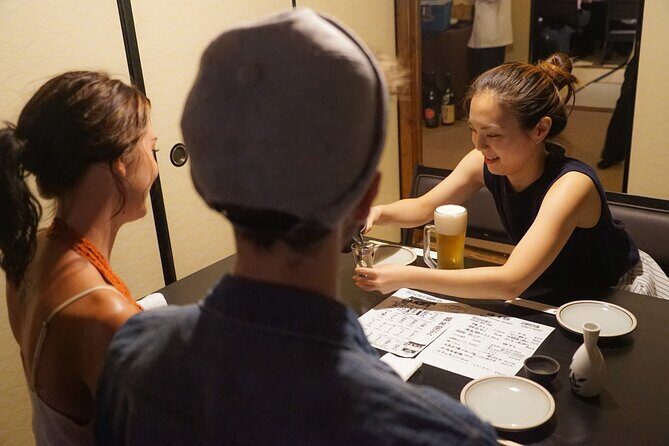
The dinner happens in a small, traditional-style space—often described as a teahouse feel—with the group together in a private room. This is a big part of the value: you’re not trying to time a random Kyoto dinner while also hunting for cultural performances.
But seating can be uneven. One review specifically mentioned that guests on the far end couldn’t see the maiko well, and for someone with a hearing and visibility need, that mattered a lot. So if being able to see the dance clearly is important to you, arrive ready to ask for the best viewing arrangement.
A simple tactic:
- When you sit down, quietly check your sight line.
- If you’re blocked, ask early, while staff can still adjust.
Also, this is small-group dining, so don’t treat it like a casual meal where you can wander. People often want to watch the performance and focus on the interaction, which is why the room format works well.
A few more Kyoto tours and experiences worth a look

What you eat and drink: multiple courses, Japanese flavor variety, and choices
Food is a strong part of the night. Many guests describe the meal as delicious and mention many courses. One review even pointed to getting nine small dishes, which fits the way traditional multi-plate Japanese meals often work: small portions that let you sample more than one style or seasonal flavor.
Drink options also come up in reviews. Guests mentioned choices including non-alcoholic options plus alcoholic drinks such as wine, sake, plum wine, and beer, alongside tea. A few people noted the drinks as free-flowing. Since it can depend on the group setup, don’t plan your night around a specific drink—plan to enjoy the options they offer.
Dietary requests are handled, but not like a restaurant with unlimited swaps. They ask you to inform them at least 1 day before about allergies or dietary needs. Requests made on the day can’t be accommodated, and they can’t guarantee allergy-free meals because the kitchen isn’t operated by the tour provider.
If you have a serious allergy, treat this as: you should send details ahead of time, and you should still be cautious. Ask direct questions before the tour if you’re unsure.
The short after-dinner walk: a calm finish in Kyoto’s night streets
After the maiko evening, the tour includes a brief, about-10-minute meander through Kyoto at night. People often underestimate this part, but I like it for one reason: it helps the experience land.
When you leave a formal performance room, your brain feels full. A short walk through quieter streets helps you process what you saw and heard. It’s also a gentle way to orient yourself back to the neighborhood rhythm instead of just exiting straight to your transport and calling it done.
Price and value: what $299.95 buys you here
At $299.95 per person, this is not a budget dinner. But it also isn’t just a meal. You’re paying for several bundled pieces:
- A small-group Gion walk with context and guidance
- A private setting for maiko time and cultural performance
- Translation and help managing the interaction
- A multi-course meal and drink options
So the value question becomes: would you pay similar money to assemble these pieces yourself? In Kyoto, getting a high-quality cultural experience with the right format is harder than most people expect. You can find dinners, but you can’t always recreate the structure, the translation help, and the respectful setting that makes this kind of evening work.
That said, it’s worth being honest about who might feel it’s overpriced. If you mainly want a long, unstructured conversation and you dislike the idea of a formal arts pacing, the night may feel more like a guided program than a personal chat. And if you go in expecting every course to be world-class gourmet perfection, you might be surprised. One review said the food was okay compared to the rest of the experience, while many others called it delicious.
Who this tour fits best (and who might want a different plan)
This tour fits best if you:
- Care about Japanese culture beyond surface photos
- Want the chance to ask questions with translation support
- Enjoy structured evenings where you know there’s a plan
- Like small groups where the guide can focus on you
It’s also a good option for adults and for groups who want a shared highlight. One review said the experience was the best part of a family trip, even with kids and teens included in the decision.
On the flip side, this one may not fit you if:
- You have mobility issues that make walking difficult (a private tour is suggested)
- You need guaranteed accommodations for visibility from your seat
- You’re traveling with small children or babies (the tour requires at least age 15 and doesn’t allow small children or babies)
Practical tips so you get the best night possible
1) Bring smart questions. Even with translation, a focused question lands better than a vague one. Ask about training, art forms, or daily life themes you noticed during the walk.
2) Plan for sight lines. If your seat blocks your view, ask early. This is one of the few downsides people mentioned, and it’s solvable if you speak up.
3) Dress for Kyoto’s temperature swing. They warn that summers can hit 40°C (104°F) and winters can drop to -5°C (23°F). Bring layers year-round, and carry a light layer even in warm months.
4) Think ahead on dietary needs. Tell them at least 1 day before. Don’t rely on day-of changes. If allergies are serious, confirm what they can and can’t guarantee.
5) Show up on time. They emphasize starting on time, which keeps the schedule smooth for everyone in a small group.
Should you book this Gion maiko dinner tour?
Book it if you want a guided night in Gion that goes beyond sightseeing and gives you structured access to the maiko arts: walking context, translation-led questions, and a private dinner format with performance. The small group size and the emphasis on being able to ask questions are real wins.
Skip or consider a different format if you need guaranteed visibility from where you sit, or if you want a casual, long conversation rather than a traditional program. And if budget is tight, know you’re paying for the whole package, not just dinner.
If you’re the kind of traveler who likes respectful cultural etiquette and wants to leave with a deeper understanding of what you just saw, this is one of the most straightforward ways to do it in Kyoto.
FAQ
How long is the dinner with Maiko tour?
It lasts about 3 hours 30 minutes.
What is the group size?
The tour has a maximum of 7 travelers.
Where does the tour start and end?
It starts at the Statue of Izumo-no-Okuni on Kawabatacho in Higashiyama Ward, Kyoto, and ends at the restaurant in Gion.
Is there an age limit?
Participants must be at least 15 years old. Small children and babies are not allowed, even if accompanied by parents.
Is the tour suitable for mobility issues?
It is not recommended for people with mobility issues. If you have difficulty walking, they suggest booking a private tour.
Can I request dietary changes or allergies?
You should inform them at least 1 day before the tour if you have dietary requests or allergies. Requests made on the tour day cannot be accommodated, and they cannot guarantee allergy-free meals.
What if the weather is bad?
The tour may be canceled in unsuitable weather for safety reasons.
Is free cancellation available?
Yes. You can cancel up to 24 hours in advance of the experience for a full refund.