REVIEW · KYOTO
The right way to know Kyoto
Book on Viator →Operated by Kyoto Daily Tours · Bookable on Viator
Kyoto without the map panic. This private walking tour is a smart way to hit Kyoto’s biggest spiritual sights while staying calm about directions, timing, and etiquette. You’ll focus on Fushimi Inari-taisha torii gates, the bamboo grove trail, and two pavilion temples, with a guide who explains what you’re seeing as you go.
I like how much you get for a fixed, no-fuss plan: hotel pickup offered (when available) and a private group up to 6, so the pace can match your questions and energy. I also like that you’re not just “looking at temples,” you’re walking between them with context, and the paid stops are only part of the day.
One consideration: six hours goes fast, especially if you want long, slow wandering. Also, entrance tickets aren’t included for Kinkaku-ji and Ginkaku-ji, so you’ll need to budget for those on top of the tour price.
In This Review
- Key things I’d plan around
- A private Kyoto walk that keeps you from getting lost
- Price and value: what $371.41 per group really means
- Meeting point and how the day will feel on your feet
- Stop 1: Fushimi Inari-taisha and the torii rhythm
- Drawback to plan for
- Stop 2: Bamboo Forest Trail for a calmer kind of Kyoto
- What to do to enjoy this stop
- Stop 3: Kinkakuji Temple and the price of the Golden Pavilion
- Reality check
- Stop 4: Ginkakuji Temple for Zen gardens and wabi-sabi calm
- Drawback to consider
- How the guides make or break the day
- Language and pacing note
- Who should book this Kyoto tour, and who should DIY
- Should you book? My honest call
- FAQ
- How long is the Kyoto private walking tour?
- What is the group size for this tour?
- Where do we meet for the tour?
- What are the main stops?
- Are entrance tickets included?
- Is transportation included?
- What’s included in the price?
- Can I get a refund if my plans change?
Key things I’d plan around
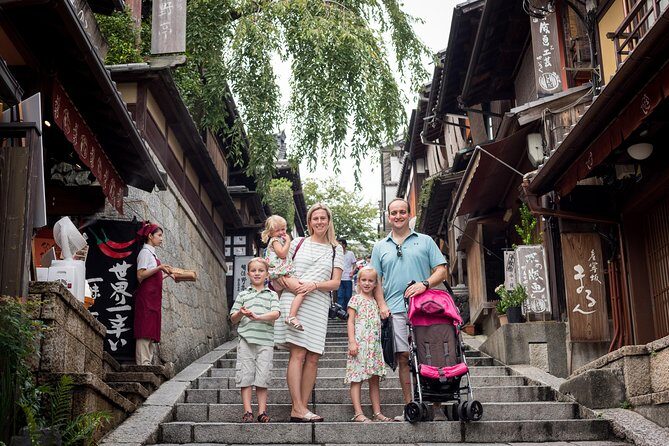
- Private group of up to 6 means less waiting and more flexibility
- Hotel pickup is offered, with the main meeting point at Kyoto Station
- Fushimi Inari + bamboo + 2 pavilion temples gives you Kyoto’s famous variety in one day
- Some stops are free (including Fushimi Inari and the bamboo trail), but paid temple entrances apply later
- Expect walking and public transport for most of the tour
- Guides adjust to your interests and will often try to avoid the most crowded moments
A private Kyoto walk that keeps you from getting lost
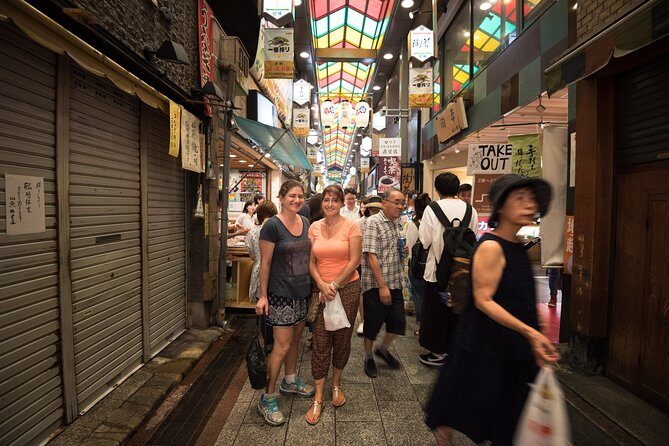
Kyoto is beautiful, but it can also feel like a puzzle. The big win here is that you’re not solving it alone. You meet at Kyoto Station, then spend the day moving site to site with a guide handling the “how do we get there from here?” part.
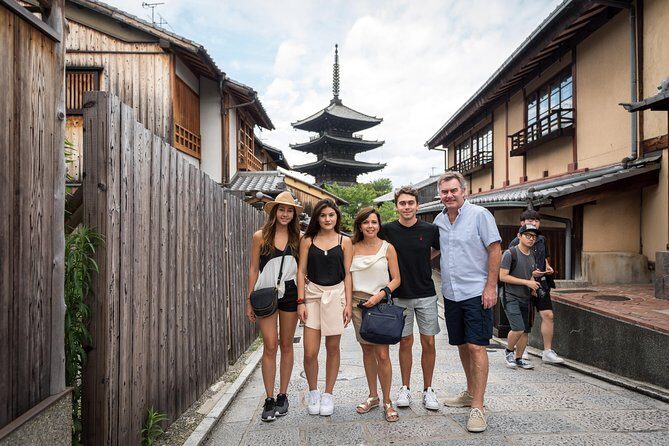
Because this is a private format, you can set a comfortable rhythm. If you’re the kind of traveler who likes to stop for photos, read signs, and ask questions, you’ll appreciate that the day isn’t locked into a big-group stampede. And if your group is simply trying to maximize time, the structure helps you avoid the common Kyoto problem: seeing one highlight and then losing an hour to getting from place to place.
You can also read our reviews of more tours and experiences in Kyoto.



Price and value: what $371.41 per group really means
The price is $371.41 per group (up to 6) for about 6 hours. That sounds like a lot until you do the math for your group size. For a couple, it can feel pricey compared with a DIY day. For a family or friends traveling together, it often feels like a bargain because you’re paying for a guide plus time savings.
Two important money details:
- Entrance tickets are not included, so Kinkaku-ji and Ginkaku-ji will cost extra.
- Transportation is not included, but pickup is offered and you’ll likely use public transit during the day.
So where’s the value? In reducing friction. Your guide’s job isn’t just storytelling at each stop. It’s helping you plan movement between stops so you spend less time guessing routes and more time actually enjoying Kyoto.
Meeting point and how the day will feel on your feet

You start at Kyoto Station (Higashishiokoji Kamadonocho, Shimogyo Ward, Kyoto). The tour ends back at the same meeting point. It’s scheduled in a window of 9:00 AM to 3:00 PM, based on the activity’s operating times.
This is a walking tour. Based on typical experiences with this style of tour, you should expect plenty of steps and standing, plus time on local trains or buses. One traveler specifically called out that public transport can get packed, so it’s not a “sit back and float through Kyoto” kind of day. Wear shoes you trust, bring a bottle of water, and plan for weather. If it rains, you’ll still be outdoors between sites.
Good to know:
- You get a mobile ticket
- The meeting point is near public transportation
- Confirmation is received at booking
- It’s private, meaning only your group participates
Stop 1: Fushimi Inari-taisha and the torii rhythm

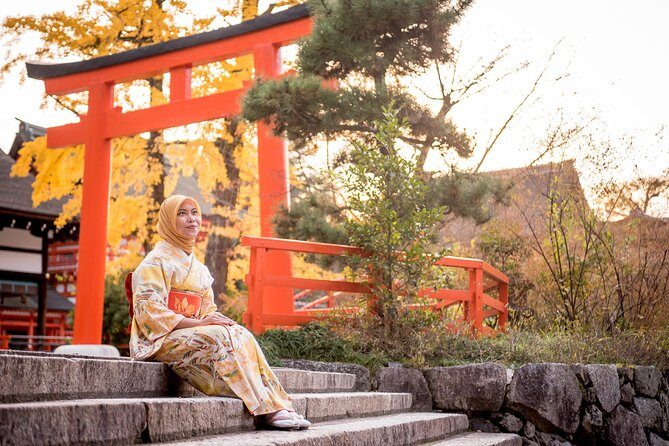
The day begins at Fushimi Inari-taisha, famous for its long chain of bright orange torii gates. You’ll have about 1 hour, and entry here is free.
What makes Fushimi Inari work on a guided day is the flow. You’re not just walking under gates; you’re following a spiritual pattern that’s easy to miss if you’re rushing or trying to read everything alone. Your guide can also help you understand what you’re looking at, including the basic Shinto context that makes the place feel more than scenic.
If you’re interested in offerings, ask your guide what’s appropriate. One guide’s small gesture in a past group stood out: they shared coins so visitors could take part properly. Even if that doesn’t happen for your group, your guide can usually tell you how to participate respectfully without turning it into awkward guesswork.
Drawback to plan for
Fushimi Inari can be crowded, especially later in the day. The good news is that a skilled guide can often help you experience the route without feeling trapped in the densest lines.




Stop 2: Bamboo Forest Trail for a calmer kind of Kyoto
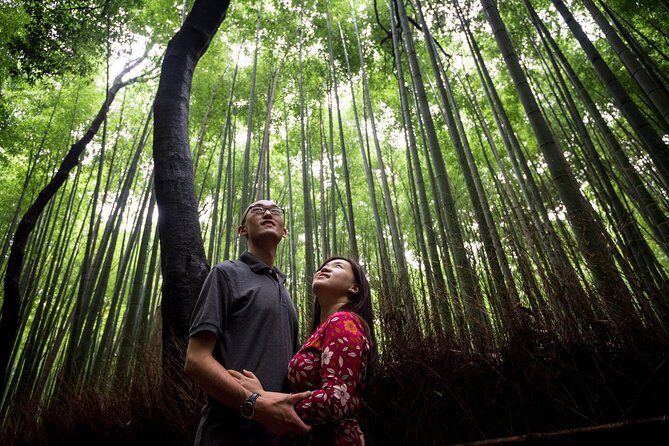
Next is the Bamboo Forest Trail, around 45 minutes, and also free. This is where many first-time visitors realize Kyoto isn’t only about temples. It’s about atmosphere too.
The bamboo grove looks simple from far away, but it’s actually a scene with layers: light through stalks, narrow paths, and areas where the noise drops when you’re not in the busiest foot traffic. A guide can help you move through without losing time, and they can steer you toward the quieter moments so it doesn’t feel like you’re just passing through for a quick photo.
What to do to enjoy this stop
Keep your expectations flexible. If you treat it as a short nature break rather than a half-day hike, it fits perfectly into a 6-hour day. Also, pause for a couple of minutes away from the busiest viewpoints. The bamboo looks best when you slow your pace and let your eyes adjust.
Stop 3: Kinkakuji Temple and the price of the Golden Pavilion
Then it’s on to Kinkakuji Temple (the Golden Pavilion) for about 1 hour. Entry is not included, so this is where your tour budget will get an extra line item.
Kinkakuji is famous for a reason. Even if you’ve seen photos, being there changes how you understand the place: the pavilion’s shape, its reflective pond setting, and the way visitors circulate through the grounds. A guide helps you notice details you might skip, like how the architecture fits into the garden setting and what the temple’s role is in Kyoto’s religious world.
Reality check
Because the entrance ticket isn’t included, factor that cost into your planning. Also, Kinkakuji can draw big crowds. If you hate standing in lines, start by asking your guide about the best way to time your visit within the day’s flow.
Stop 4: Ginkakuji Temple for Zen gardens and wabi-sabi calm
The final temple stop is Ginkakuji Temple (Ginkaku-ji, the Silver Pavilion), about 1 hour, with entry also not included.
If Kinkakuji hits you with shine and spectacle, Ginkakuji tends to land differently. It’s known for its Zen atmosphere and gardens, and it’s often the stop where people slow down without realizing they’re slowing down. The “wabi-sabi” idea—finding beauty in imperfection and simplicity—fits this kind of temple experience.
Your guide’s value here is explaining how to look. Gardens and temple spaces can feel like “pretty views” if you only skim them. With a bit of direction, you can start noticing the design thinking, the pacing of the grounds, and the quiet rules of temple spaces.
Drawback to consider
Like most temple visits in Kyoto, you’ll get more from it if you’re ready to stand and walk at a steady pace. If you’re determined to sit for long stretches, this 6-hour structure may feel tight.
How the guides make or break the day
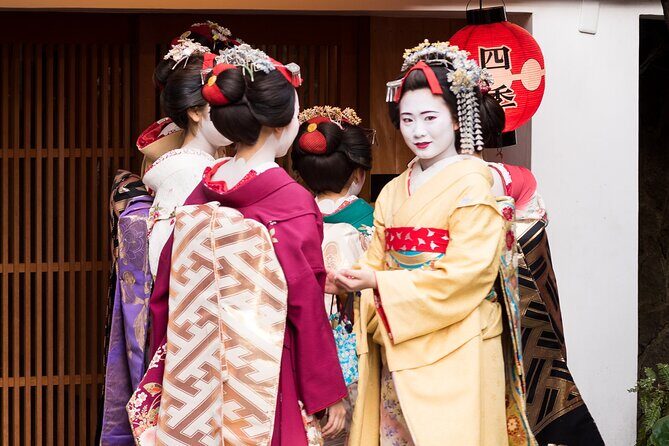
This tour lives or dies by the guide. The best experiences share a pattern: the guide doesn’t just lead you from point A to point B; they turn the day into a teachable, answer-your-questions kind of visit.
In past groups, guides such as Paco, Adrian, Tom, Jose David Santoir, Laura, Esteban, Peter, Cristobal, and Maki were praised for things that matter on the ground:
- Adjusting the day based on what you want to see
- Making the pace work for different ages and energy levels
- Explaining temple/shrine basics so you don’t feel lost in etiquette
- Helping with getting around using trains and buses
- Answering questions in plain language, not just reciting facts
- Taking time for photos and small moments, like offering guidance at Fushimi Inari
One traveler even highlighted how the guide handled public transport like a pro. Another appreciated that a guide could take them to spots away from the most crowded Instagram targets, without making the day feel like a scavenger hunt. And for families, several experiences emphasized that the guide kept teenagers engaged while still teaching the culture.
Language and pacing note
Not every guide experience will feel identical. One earlier comment flagged that clarity can vary on rainy days and with accents. My practical advice: if something isn’t coming through, ask a follow-up right away. A good guide will usually find a way to make it click.
Who should book this Kyoto tour, and who should DIY
This tour fits best if you match one or more of these:
- You’re short on time and want the core Kyoto highlights in one day
- You don’t want to worry about transit routing or getting turned around
- You like cultural explanations, not just sightseeing
- You want a private format for up to 6 people
- You want a guide who can tailor the day to interests
Consider skipping or pairing it with your own plan if:
- You want a very slow, reading-heavy temple day
- You hate walking and packed transit
- Your group wants only one or two sites, not four major stops
If you’re thinking DIY, you can absolutely do it. But you’ll trade away the “someone else handles the plan” benefit, plus the chance to learn what you’re seeing as you go.
Should you book? My honest call
If your goal is Kyoto’s famous sights with less stress, this is a strong choice. The price makes sense when you’re sharing it across a group, and the payoff is mostly practical: you don’t waste energy figuring things out, and you get clearer context at each stop.
Book this if:
- You’re visiting Kyoto for the first time
- You want to cover Fushimi Inari, bamboo, Kinkakuji, and Ginkakuji in one guided sweep
- You’ll appreciate explanations about Shinto and Zen rather than just photos
Think twice if:
- You’re expecting all entrance fees and transport to be included (they aren’t)
- You’re planning a day where your group needs lots of long, sit-down time
- You strongly dislike packed areas and don’t like the idea of adapting to crowds
One last practical tip: if you’re booking close to your travel dates, don’t wait too long. The tour typically gets reserved about 59 days in advance on average, so earlier planning helps.
FAQ
How long is the Kyoto private walking tour?
It runs for about 6 hours.
What is the group size for this tour?
It’s a private tour with only your group, up to 6 people.
Where do we meet for the tour?
The meeting point is Kyoto Station, at Higashishiokoji Kamadonocho, Shimogyo Ward, Kyoto.
What are the main stops?
You’ll visit Fushimi Inari-taisha Shrine, the Bamboo Forest Trail, Kinkakuji Temple, and Ginkakuji Temple.
Are entrance tickets included?
No. Entrance tickets are not included for Kinkakuji and Ginkakuji. Fushimi Inari and the Bamboo Forest Trail are listed as free.
Is transportation included?
Transportation is not included, though pickup is offered.
What’s included in the price?
The expert guide is included. Mobile ticket is used, but meals are not included.
Can I get a refund if my plans change?
Yes, free cancellation is available if you cancel at least 24 hours before the start time.