REVIEW · KYOTO
Kyoto: Fushimi, Arashiyama – Bamboo, Monkey, Torii & Secrets
Book on GetYourGuide →Operated by JAPANIFY TOURS · Bookable on GetYourGuide
Red gates and bamboo, all in one day. This Kyoto walking tour strings together Fushimi Inari and the bamboo of Arashiyama, with quieter side streets and photo stops along the way. You’ll also add Tenryuji’s famed Zen garden, the river views by Togetsukyo, and a climb to see wild monkeys up close.
I especially like how the day mixes big-name sights with calmer moments, so you’re not stuck only in crowds. Tenryuji gives you a slow, peaceful pause, while the steep climb to Monkey Park is real—so plan for hills and heat, not just flat strolls.
In This Review
- Key points at a glance
- Why this Kyoto walk pairs Fushimi Inari with Arashiyama
- Getting started at Inari Station and setting your pace
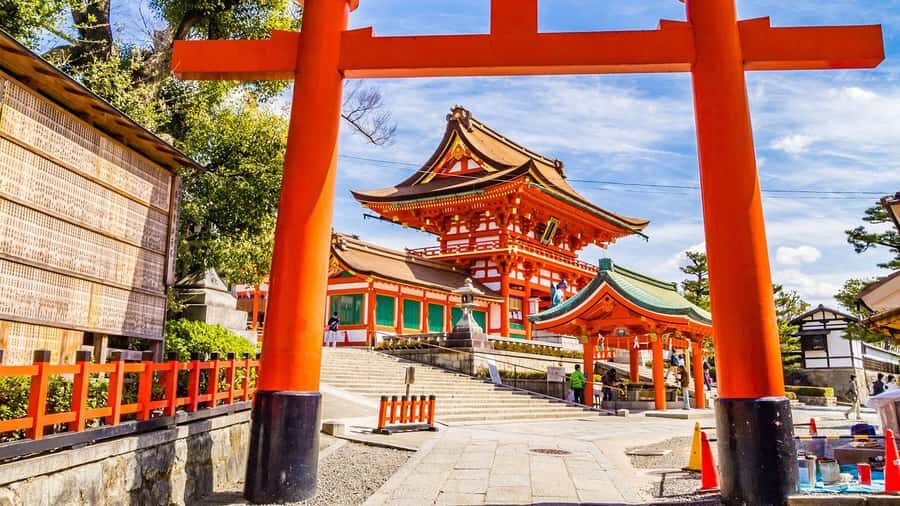
- Fushimi Inari Taisha: walking the torii gates with intention
- Arashiyama Bamboo Grove: famous, but better with the right route
- Tenryuji Temple Garden: where the day finally slows down
- Togetsukyo Moon Crossing Bridge and riverside photo time
- Monkey Park: wild monkeys, steep steps, and big rewards
- Food stops, snacks, and why guides matter here
- Price value: what $88 buys in a day like this
- Who this tour suits best (and who should rethink it)
- Timing tips and what to bring in every season
- Should you book this Kyoto Fushimi Inari and Arashiyama tour?
- FAQ
- Where does the tour start and end?
- What is included in the tour price?
- Are train fees included?
- Is food and drinks included?
- What should I bring?
- Is this tour suitable for wheelchair users or mobility impairments?
- Is video recording allowed?
Key points at a glance
- Fushimi Inari’s red torii path: walk toward the upper gates, not just the first stretch
- Arashiyama Bamboo Grove: famous bamboo plus less-traveled walking routes
- Tenryuji Zen garden entry included: UNESCO-site calm in the middle of a busy area
- Togetsukyo (Moon Crossing Bridge): iconic crossing for river-and-bridge photos
- Monkey Park climb for wild macaques: panoramic viewpoints plus steep steps
Why this Kyoto walk pairs Fushimi Inari with Arashiyama
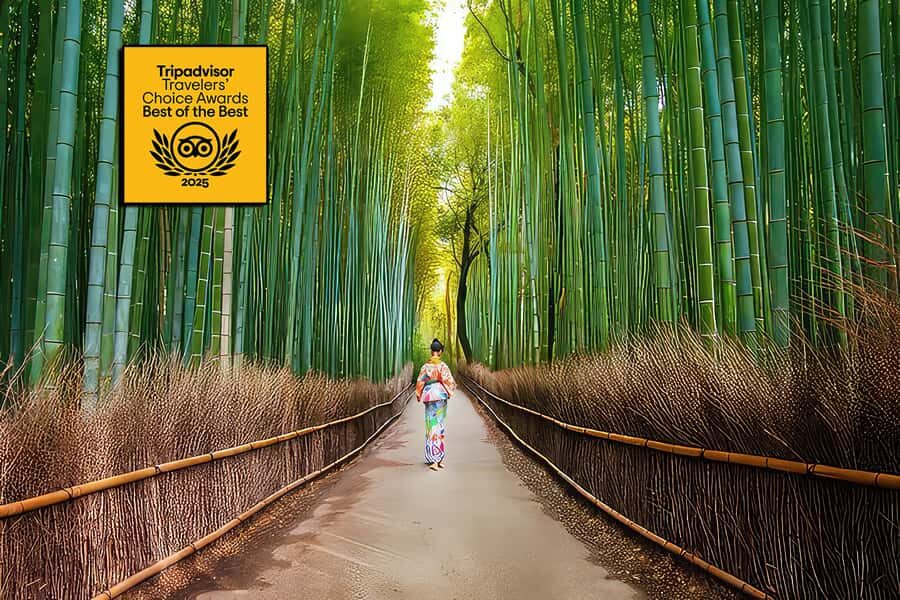
Kyoto can feel like a maze: shrines here, gardens there, neighborhoods scattered across town. This tour is smart because it connects two areas people often do separately—Fushimi Inari and Arashiyama—into one flowing day.
You also get a contrast that’s hard to recreate on your own. The morning torii gates are vertical and intense. Then you shift into bamboo hush, Zen garden calm, and finally a hill climb for monkeys and big city views. It’s the kind of route that helps you understand Kyoto’s rhythm instead of just checking boxes.
And if you care about photos, it helps that the tour is built for stops. You’re not constantly walking with your phone held down; you get moments to frame the bridge, the torii tunnels, and the garden views.
You can also read our reviews of more tours and experiences in Kyoto.



Getting started at Inari Station and setting your pace
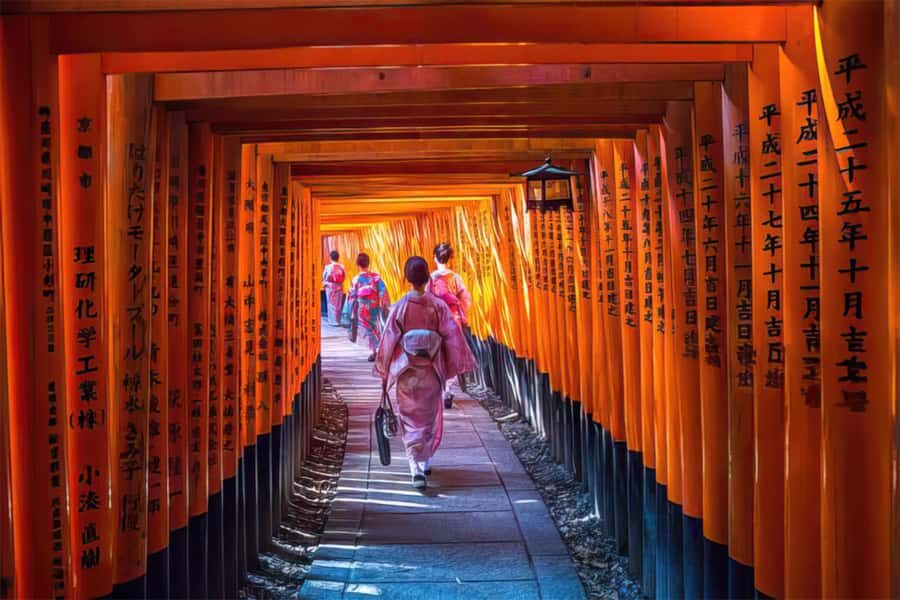
The tour begins in front of the gates of Inari Station and returns to the same meeting point. That matters more than you’d think. You don’t have to figure out transit mid-day, and you can focus on the walk.
Because it’s a walking-focused experience, your comfort is the whole game. Bring comfortable shoes, and expect a day where you’ll be moving for extended stretches, especially with the uphill section later.
What I’d use as your mindset: treat this as an active sightseeing walk. You’ll want to hydrate, take breaks when your guide suggests them, and not fight the pace. Several guides on this route are praised for managing heat with stops to cool off, which is exactly the right approach on a Kyoto summer day.
Fushimi Inari Taisha: walking the torii gates with intention
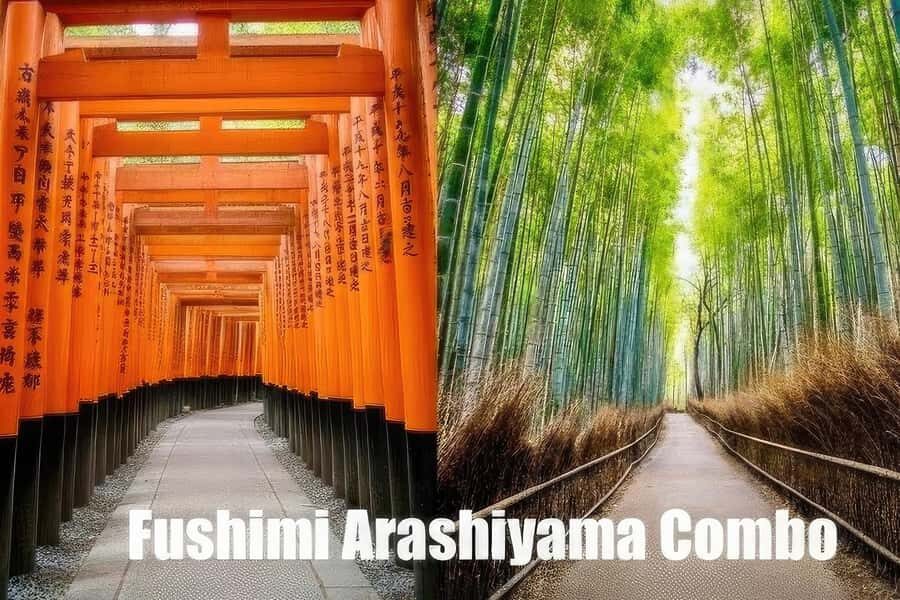
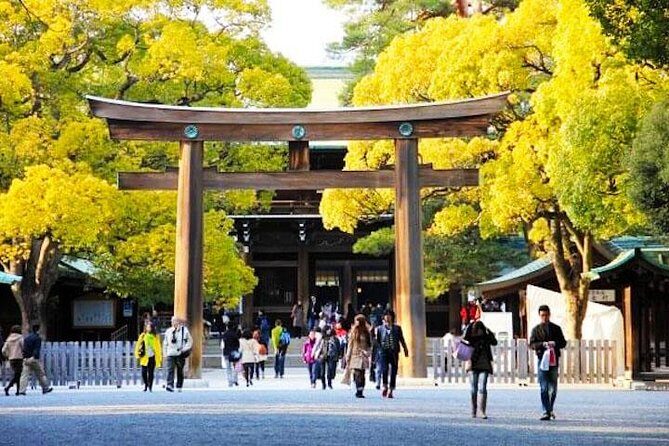
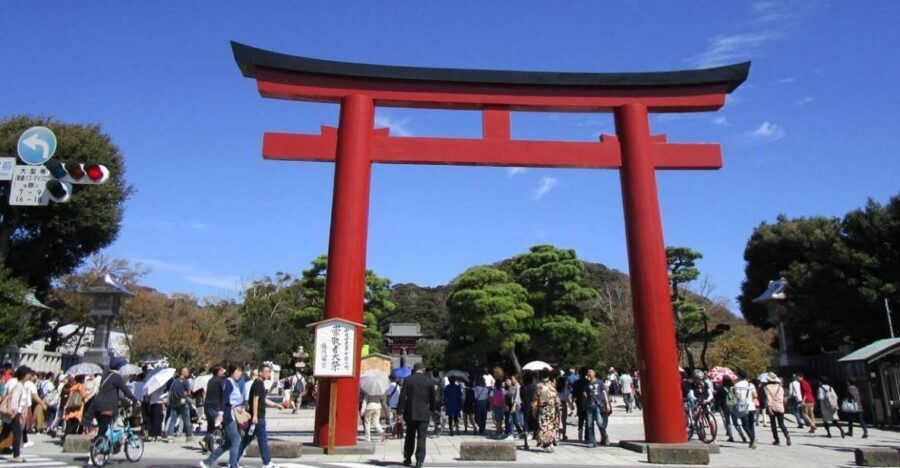
Fushimi Inari is the star attraction, and the tour builds your time there around walking the torii gates, not just posing near the entrance. You’ll start near the station area and then work your way along the winding red gates up toward the sacred mountain path.
A key detail: climbing Mount Inari is part of the plan, and the entry is included. That means the route is more than a quick loop. You’ll get a real sense of how those torii tunnels climb and change as you go higher—gates become denser, sightlines open up, and the whole area shifts from street-level energy into something quieter.
Practical note: the torii paths can get crowded closer to the most famous sections. The tour’s value is that your guide leads you down side streets and quieter walking stretches as you move between sights, so you’re not stuck only in the busiest flow.
Arashiyama Bamboo Grove: famous, but better with the right route
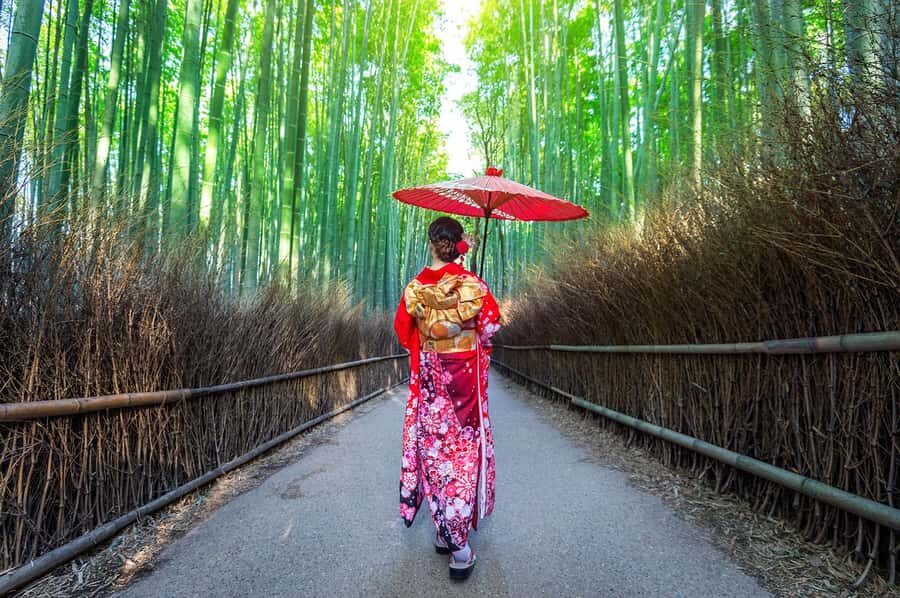
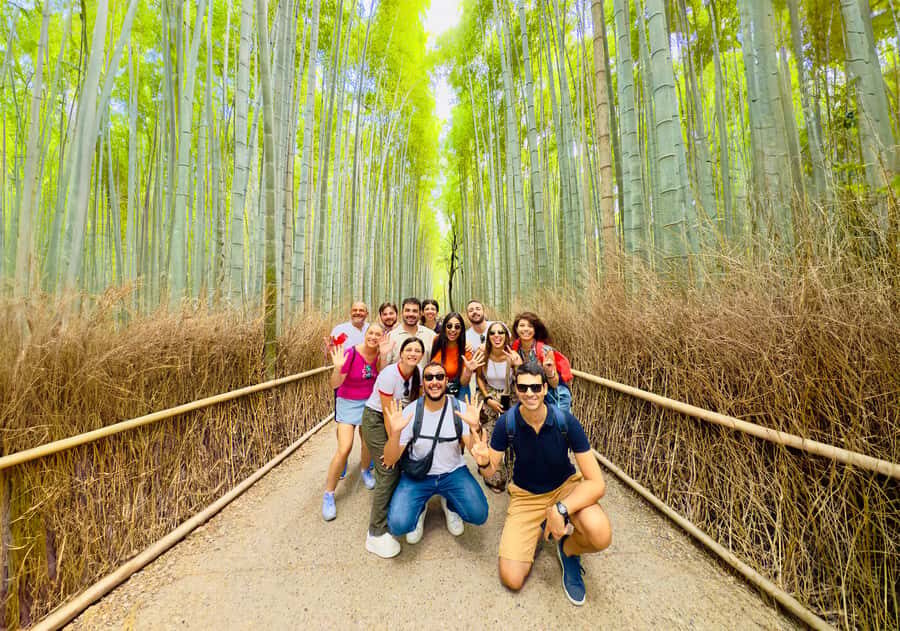
Then comes Arashiyama bamboo, which is one of those places that sounds cliché until you’re actually under it. The trunks rise tall, the light changes through the stalks, and even when it’s busy, there’s a soothing rustle to the leaves when you’re walking.
Your tour includes a walk through the bamboo forest, but what you’re really paying for is the route quality. The experience is described as using hidden paths and quiet alleys along the way, which helps you find calmer stretches and better photo angles.
Also, if you’re sensitive to crowds, this matters. One guide approach highlighted in comments is pacing—waiting for the best moments for photos and then moving before things get too compressed. That’s not magic; it’s just good tour leadership.
Tenryuji Temple Garden: where the day finally slows down
Tenryuji is where the pace softens. The tour includes Tenryuji Temple Garden entry, and this is a UNESCO World Heritage Site known for Zen garden design. The difference from a shrine visit is noticeable: you’re not just passing by sacred structures—you’re looking.
You’ll get time to relax, absorb the garden layout, and enjoy the views in a more grounded way than the earlier gate-walking. It’s a great counterbalance after the vertical torii climbs and before the next uphill section.
If you’re the kind of person who likes gardens, this stop is a highlight for a reason. The value is not only the entry. It’s the chance to slow your brain down for a bit, sit with the design, and then re-enter the day’s motion with clearer energy.






Togetsukyo Moon Crossing Bridge and riverside photo time
Arashiyama’s Togetsukyo is part of the core highlights—often called the Moon Crossing Bridge. Even if you don’t chase moon-themed lore, the bridge is visually strong: it links riverside views with the surrounding scenery and gives you a classic framing point for Kyoto photos.
This is the kind of stop where having a guide helps. Photo spots are rarely obvious once you’re standing in the middle of foot traffic. Your guide can lead you to angles where the bridge fits the shot and where you’re not just photographing a wall of people.
It’s also one of those moments where you can check your energy level before the next climb. Think of it as a breather with a view.
Monkey Park: wild monkeys, steep steps, and big rewards
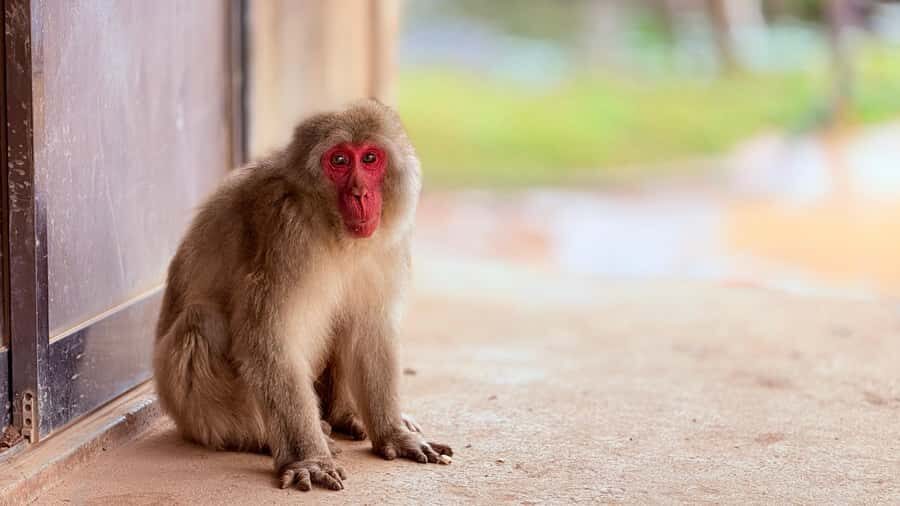
Monkey Park is fun, but it’s not a flat walk. The tour includes visiting the monkey park, and the entry is included. You’ll climb up from the river area, and the route has a steep uphill segment that some people compare to a roughly 525-feet style climb.
If that sounds like your limit, take it seriously. This is the single biggest physical consideration on the day. One clear takeaway: it’s worth it for the views, but you should go in with good shoes, a realistic effort level, and a plan to pause if you need to.
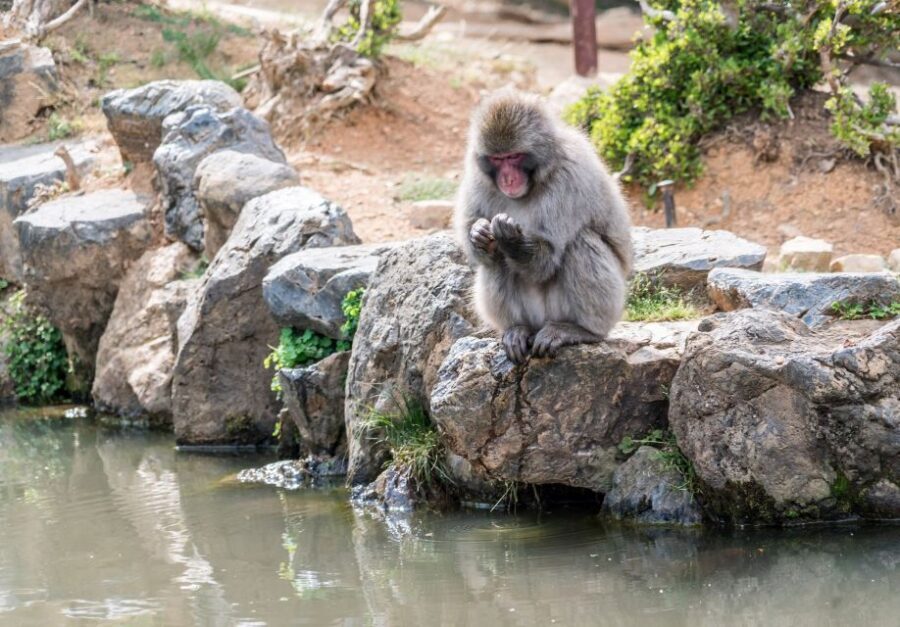
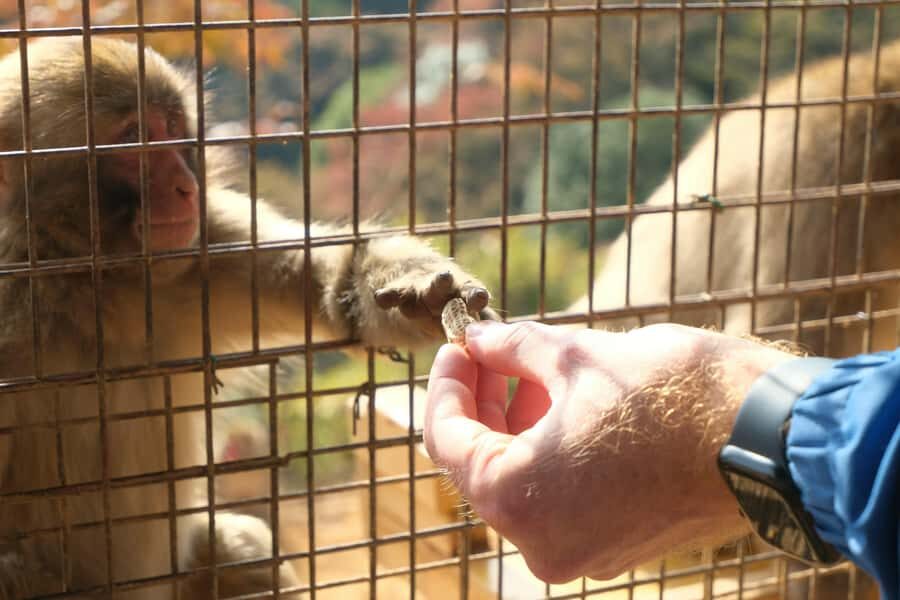
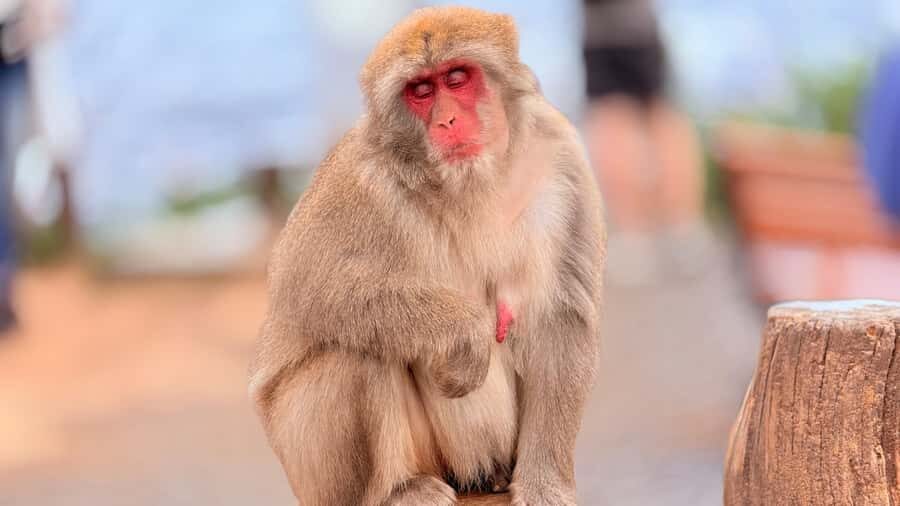
Once you’re there, the payoff is watching wild monkeys in their natural area and looking out over Kyoto from higher ground. The setting is more than a gimmick. The climb changes your perspective, so the city feels wider than it does from street level.
Safety note: you’ll be close to wild animals, so follow your guide’s instructions. That’s the simplest way to keep things smooth and respectful.
Food stops, snacks, and why guides matter here
This isn’t an all-day buffet. Food and drinks aren’t included. Still, there can be a lunch stop, and some routes include a small food area with several choices. Even if you eat elsewhere, having a guide help you time breaks can save you from wasting energy hunting for food mid-walk.
Guides also make the day feel effortless in practical ways. Many comments highlight photo help—taking shots for people, offering photo tips, and making sure you’re not constantly waiting with no direction. One common theme is that your guide will keep a nice pace so the group isn’t stuck standing around.
You might also encounter small extras depending on the guide and timing, such as a sake tasting mentioned by some people. Just treat that as a bonus, not a guaranteed centerpiece.
Price value: what $88 buys in a day like this
At $88 per person, you’re paying for more than walking between famous sights. You’re buying time savings and decision-making help. Kyoto’s biggest attractions can be overwhelming when you don’t know the route flow. A local guide turns that chaos into a sequence where you keep moving, stop at the right moments, and hit the key places without second-guessing.
Here’s the value math that matters:
- Several core entries are included (Tenryuji garden, Monkey Park, and Mount Inari torii area).
- You also get a bilingual local guide and an intimate small-group format.
- Transport to/from the meeting point is on you, since train fees aren’t included.
So the best way to judge value is simple: if you’d struggle to connect Fushimi Inari’s torii climb with Arashiyama’s bamboo and gardens in one efficient day, the tour is likely worth it. If you’re a confident independent walker who already knows the routes and entry points, you might feel less need for a guided structure.
Either way, you’re doing a meaningful amount of walking. Shoes and hydration are part of the real cost of admission.
Who this tour suits best (and who should rethink it)
This experience is best for people who like a mix: temple-and-shrine culture, bamboo nature, and a bit of physical effort for views. It also suits photographers and anyone who wants quiet side paths and story-led context instead of only standing at the loudest spots.
It is not suitable for people with mobility impairments or wheelchair users. There are also restrictions on strollers and baby carriages, and video recording isn’t allowed. If you rely on filming or need mobility support, you’ll want to adjust expectations—or choose a different option.
If you’re sensitive to heat, plan for it. Some guides are praised for providing chances to cool off, which helps, but you still need basic weather readiness.
Timing tips and what to bring in every season
Comfort is the biggest variable. Bring comfortable shoes, because you’ll be walking a lot and climbing as the day progresses. Have cash on hand too, since food and drinks aren’t included and you may want snacks or a meal.
Weather can turn Kyoto into a different experience. If you go in rainy conditions, bring rain gear. One of the praised features is how guides can keep the day moving smoothly even in wet weather, but it’s still on you to have the right shoes and protection so you stay steady.
Also, check your appetite for stairs. The Monkey Park climb is the one to remember. Build your energy for that part, not just for the bamboo and bridges.
Should you book this Kyoto Fushimi Inari and Arashiyama tour?
Book it if you want a well-paced, guide-led way to see Kyoto’s most iconic pair: Fushimi Inari torii gates and Arashiyama bamboo, plus Tenryuji and the views from Monkey Park. The included entries and the small-group feel make it easier to enjoy the day without constant navigation stress.
Skip or rethink it if hills and long walking are a problem for you. Monkey Park is steep, and the tour isn’t designed for mobility needs. Also, if you rely on recording video, note that video recording isn’t allowed.
If you’re choosing between this and a self-guided day, here’s my simple test: do you want someone to handle the flow and point out the quieter walking stretches and best photo angles? If yes, this is a strong pick.
FAQ
Where does the tour start and end?
The tour starts in front of the gates of Inari station and ends back at the meeting point.
What is included in the tour price?
Entry is included for the Bamboo Forest walk, Monkey Park, Tenryuji Temple Garden, and the Mount Inari area with the red gates. The tour also includes a bilingual local guide, small-group experience, and guidance for stories and photo moments.
Are train fees included?
No. Train fees are not included.
Is food and drinks included?
No. Food and drinks aren’t included.
What should I bring?
Bring comfortable shoes and cash.
Is this tour suitable for wheelchair users or mobility impairments?
No. The tour is not suitable for people with mobility impairments and is not suitable for wheelchair users.
Is video recording allowed?
No. Video recording isn’t allowed.