REVIEW · TOKYO
Tokyo: Food Tour in Ueno with 10+ Tastings of Japanese Classics
Book on Viator →Operated by Secret Food Tours · Bookable on Viator
Ready for Tokyo comfort food with cultural stops?
This 3.5-hour Ueno food tour strings together classic bites with real neighborhood context, starting at Ueno Station and moving through a market, under-the-tracks streets, Ueno Park, and sacred grounds. I like that it’s built for limited time, but still feels like you’re walking with a local mindset, not just hopping from restaurant to restaurant.
I also like the food mix: savory staples like sushi, gyoza, and yakitori, plus seasonal fruit and a creamy matcha ice cream finish. One consideration: at $142 for about 3.5 hours, you’ll want to go hungry, because you can easily end up more full than you planned.
In This Review
- Key highlights worth your attention
- Ueno makes a smart base for classic Tokyo bites
- Getting started at Ueno Station (and why it matters)
- First tastings: the indoor-outdoor market where you learn to snack
- Under the train tracks: everyday Tokyo in the under-girders lanes
- Ueno Park break: spring vibes without forcing spring
- Shrine time: Shinto atmosphere and Tokugawa Ieyasu (1627)
- Buddhist grounds: quieter landscaping before dessert
- What you actually eat: sushi, gyoza, yakitori, tea, and matcha ice cream
- The secret dish and why it keeps the tour fun
- Guide quality: small group, big clarity, and names like Harumi and Yumi
- Walking plan and comfort tips that keep the day enjoyable
- Price and value: when $142 is worth it (and when it isn’t)
- Who should book this Ueno food tour
- Should you book this Ueno food tour?
- FAQ
- How long is the Tokyo Ueno food tour?
- Where do I meet, and where does the tour end?
- What’s included in the tastings and drinks?
- Is hotel pickup included?
- Does the tour involve a lot of walking?
- How many people are in the group?
- Can you handle dietary requirements?
- What happens if the weather is bad?
- What is the cancellation window for a full refund?
Key highlights worth your attention
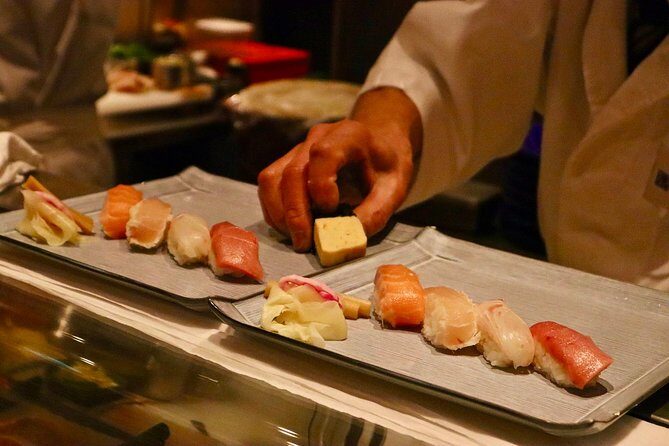
- 10+ tastings in 3.5 hours so you sample a variety of Japanese classics without planning a whole itinerary
- Ueno locations that go beyond food with Ueno Park and both Shinto and Buddhist sites
- Tea on the menu with two different types, including matcha ice cream for a sweet landing
- A small group size (max 15) that makes it easier to hear your guide and ask quick questions
- Guide names you might get including Harumi, Natsumi, Yumi, and Mari, praised for upbeat guidance and useful local tips
Ueno makes a smart base for classic Tokyo bites
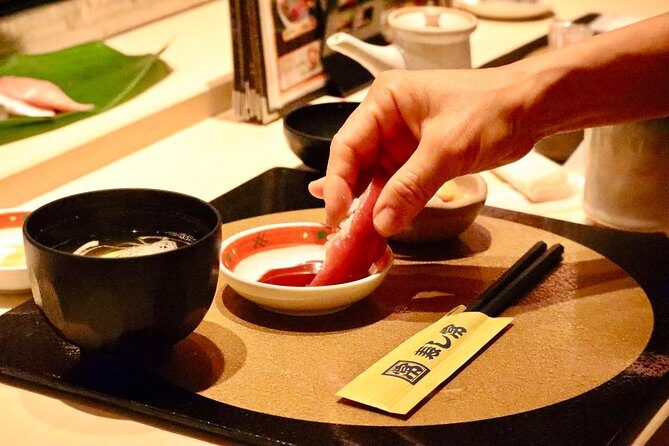
Ueno is one of those parts of Tokyo where “where do I eat?” is an easy question. You get a strong food scene tied to day-to-day life, plus landmarks that give your meals some meaning.
This tour is designed for people who want results fast. In about 3.5 hours, you’ll connect food with place: market energy, side-street rhythm, park breathing room, then shrine and temple calm. And since the itinerary is said to be tailored to your tastes, you’re not stuck in a one-size-fits-all script.
If you’re a first-timer, you’ll also get useful context for reading the neighborhood after the tour. If you’re a repeat visitor, you’ll still likely pick up “how to order / where to look” skills that are hard to figure out on your own.
You can also read our reviews of more food & drink experiences in Tokyo

Getting started at Ueno Station (and why it matters)
You’ll meet at Ueno Station in Taito City (7 Chome-1, Ueno). This is a practical choice: it’s easy to reach on public transportation, and you won’t need hotel pickup. The tour ends back at the meeting point, so you’re not left guessing how to get home while you’re full.
Starting at a major station also keeps the whole plan realistic. You can arrive, get briefed, and start eating without wasting time. That matters in Tokyo, where a “quick plan” that falls apart on the first transit hop can turn into a day-long delay.
Bring comfortable shoes too. The tour involves a fair amount of walking, and you’ll be shifting between market aisles, outdoor lanes, and park/temple grounds.
First tastings: the indoor-outdoor market where you learn to snack
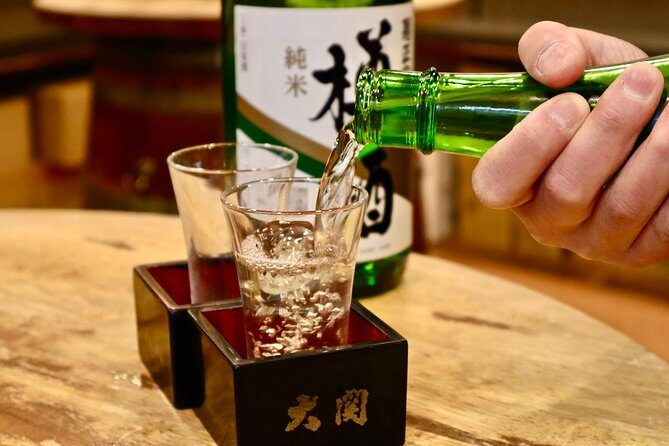
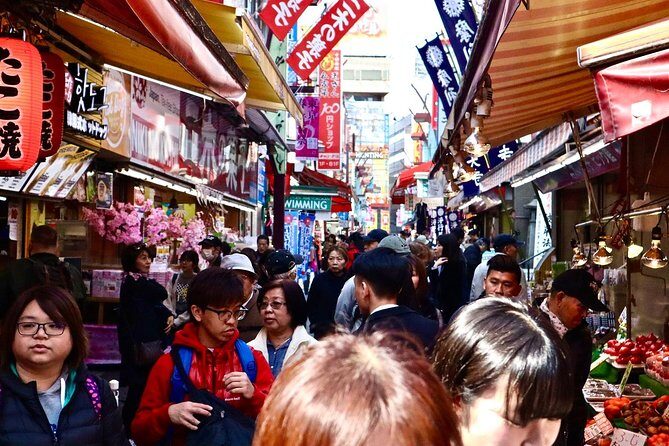
Your first food-and-stores stop is a popular indoor-outdoor market. The idea here is simple: markets in Japan are where you see how food, gifts, and everyday errands share the same space.
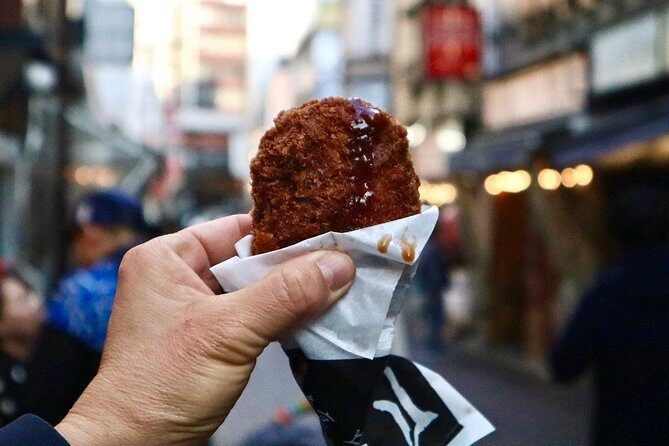
This is where you’ll likely meet your guide’s pacing. You’ll sample items like fresh sushi, and get classic comfort snacks such as crispy gyoza. Markets are also a good place for learning small “how things work” habits—like how to handle ordering, how to read what’s fresh, and what to expect from Japanese cooking styles.
What I like about this kind of opening stop: it gives you a baseline fast. After you taste a few hits, the rest of Ueno makes more sense. You’ll stop thinking of the neighborhood as just sights, and start noticing food signals everywhere.
Under the train tracks: everyday Tokyo in the under-girders lanes
Next you’ll head to an area under elevated train tracks. The tour describes it as the Japanese term for under the girders, and that description is doing real work.
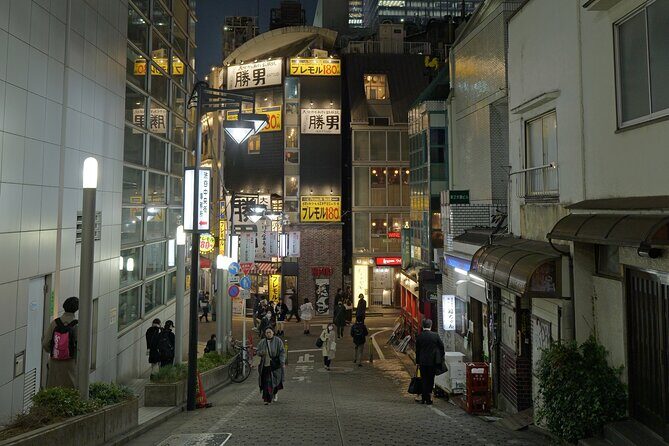
These places often feel more local than the big “attraction” corridors. The vibe tends to be practical and lived-in. You’re not sightseeing your way through a themed street; you’re moving through Tokyo’s in-between spaces where people actually go about their day.
This stop matters because it explains why food culture isn’t separate from city structure. In Ueno, transportation lines, side streets, and small storefronts all shape where you can eat and when. You’ll likely understand that better as you walk and hear your guide’s points.
Ueno Park break: spring vibes without forcing spring
You’ll also spend time at a spacious public park in the Ueno district—Ueno Park. It’s especially famous in spring for cherry blossoms and hanami (flower viewing), but even outside peak season, parks here give you breathing room.
For a food tour, that park stop does two useful things. First, it breaks the nonstop snacking loop. Second, it gives you a geographic anchor: this is why Ueno feels like a real neighborhood, not a food court on a schedule.
Expect a calmer pace after the market and under-the-tracks walking. You’re still moving, but you get a chance to reset your senses before the more solemn parts of the itinerary.
A few more Tokyo tours and experiences worth a look


Shrine time: Shinto atmosphere and Tokugawa Ieyasu (1627)
The tour includes a shrine in Shinto tradition, built and dedicated in 1627 to remember Tokugawa Ieyasu, the founder of the Tokugawa Shogunate. That date isn’t a trivia flex. It’s a reminder that Japan’s food culture sits alongside long-standing ritual and memory.
This kind of stop can feel unexpected if you booked a food tour only for food. But it often works well because it changes your pace and expectations. You’ll walk with more awareness, not just with appetite.
Also, shrines are an easy place to learn how Tokyo spaces carry meaning. Even if you don’t study religion, you’ll likely notice how visitors behave, how people pause, and how respect shows up in small actions.
Buddhist grounds: quieter landscaping before dessert
After the shrine, you’ll visit a center for Buddhist worship and prayer with tranquil landscaping. This is another contrast stop, and it’s one reason the tour feels more complete than a straight “eat-and-go” program.
Food tours sometimes skip context because it slows things down. Here, the sacred grounds help you understand a different side of Tokyo—one where people slow down, not just search for the next meal.
And since the tour later includes dessert and tea, this pause can make those final tastes feel more intentional. Your body gets a break; your palate gets ready.
What you actually eat: sushi, gyoza, yakitori, tea, and matcha ice cream

Let’s talk food specifics, because that’s the whole reason most people book.
You should expect classic Japanese items included in the price:
- Fresh, authentic sushi
- Crispy, flavorful gyoza
- Yakitori (perfectly grilled Japanese skewered chicken)
- Seasonal fresh fruits
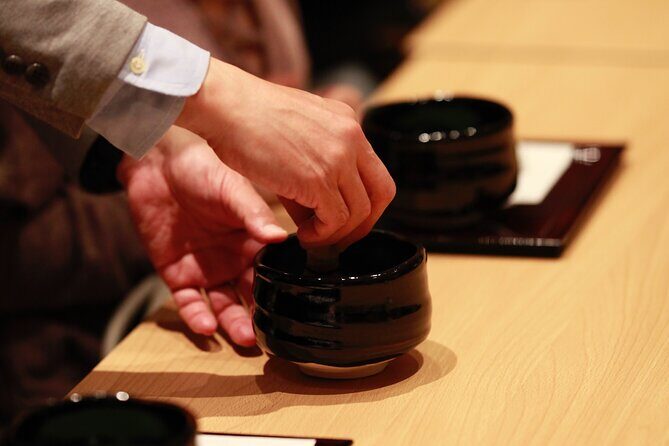
- Creamy matcha ice cream
- Two different types of tea
- One draft beer, plus water
- A Secret Dish (not spelled out in the basic outline, but it’s part of the included tastings)
The big value move here is variety. You’re not eating ten versions of the same thing. You get seafood, dumplings, grilled skewers, fruit, and matcha sweetness. That’s why people often call this a strong introduction: you’re tasting a set of Japanese classics, not just one narrow category.
One practical tip: if you’re the type who eats lightly when traveling, take that as your warning. This tour is designed for you to eat and keep eating. If you’re already planning a big breakfast or brunch, you’ll probably feel it later.
The secret dish and why it keeps the tour fun
The tour includes a Secret Dish, but the exact item can vary based on locations’ availability, weather, and other circumstances. That’s not a cop-out. It’s how real Japanese food days work: vendors, lines, and supply shift.
This is also why the tour feels more like a guided plan than a factory checklist. You’re not getting a script that could work in any city. You’re getting Ueno’s food reality, with your guide handling the practical decisions.
If you want a smoother experience, tell your guide your must-haves and your no-thanks ahead of time. The tour says the itinerary can be tailored to your tastes, and that flexibility can matter for the Secret Dish choice.
Guide quality: small group, big clarity, and names like Harumi and Yumi
A local English-speaking guide is included, and the tour is capped at 15 travelers. That small size is a big deal. You can actually hear explanations, ask questions, and get practical restaurant tips without turning it into a crowded classroom.
The guide experience also shows up in names highlighted by past groups, including Harumi, Natsumi, Yumi, and Mari. People consistently praise them for being fun, energetic, and ready with local recommendations beyond the food.
If you care about more than just taste—like why certain foods show up in Ueno, how locals order, or what to look for next—you’ll likely appreciate a guide who connects food to place.
Walking plan and comfort tips that keep the day enjoyable
This is a “wear your feet out” kind of tour. Comfortable shoes aren’t optional here; they’re the difference between remembering the food and thinking about your toes.
You’ll move between:
- a market area (with a lot of shop energy)
- an under-the-tracks zone
- a park
- shrine and Buddhist grounds
That mix is great for balance, but your legs will feel it. Build the day around the tour. Keep the next hour after the finish low-key. Then decide whether you want a second dessert hunt or you’re done.
Also, if you have dietary needs, the tour asks you to contact them in advance. That’s the right call. Japan can do a lot with substitutions, but it’s best handled early so the guide can plan options.
Price and value: when $142 is worth it (and when it isn’t)
At $142 per person for about 3 hours 30 minutes, you’re paying for three things: access, guidance, and food volume.
Let’s break it down. You get 10+ tastings plus drinks, including sushi, gyoza, yakitori, fruit, matcha ice cream, tea, and a draft beer. That’s not just snacks; it’s a structured meal spread across multiple stops. The guide also handles navigation and local ordering, which is a big deal in neighborhoods where restaurant menus and etiquette can be tricky if you don’t read Japanese.
That said, there’s a fair criticism to consider. If you’re the type who can easily build a better meal plan on your own—because you already know where to go and what to order—then the price can feel steep. This is especially true if you don’t care about the cultural stops and only want food.
My advice: treat this as an introduction to Ueno food life. If you want “learn fast, eat a lot, go home happy,” it’s strong value. If you only want a light snack circuit, you’ll likely feel the cost more.
Who should book this Ueno food tour
This tour fits best if you:
- have limited time in Tokyo and want a tight plan
- want Japanese classics in one guided route (sushi, gyoza, yakitori, matcha)
- like mixing food with culture, not choosing one or the other
- enjoy small group interactions with an English-speaking guide
- want useful restaurant tips you can use after the tour
It’s also a good first-Japan activity because Ueno is approachable. You’ll see a mix of daily-life spaces and landmark sites without needing deep cultural background beforehand.
If you dislike walking, or you’re sensitive to crowds, or you have very specific dietary restrictions and haven’t messaged in advance, consider carefully. The tour does note that availability and weather can shift what’s served.
Should you book this Ueno food tour?
If your goal is to leave Tokyo with a quick understanding of how Ueno eats, I’d book it. The combination of market food, sacred stops, and a finish with matcha ice cream is exactly the kind of “see it, taste it, learn it” day that makes travel feel efficient.
Do it especially if you like guided structure. Your guide handles the hard parts: where to go next, what to try, and how to keep the group moving.
If you’re price-sensitive, test your expectations first. This isn’t a sample spoon tour. It’s a meal circuit. Skip breakfast if you can, wear comfortable shoes, and plan to be full—happily full.
FAQ
How long is the Tokyo Ueno food tour?
It runs for about 3 hours 30 minutes.
Where do I meet, and where does the tour end?
You meet at Ueno Station (7 Chome-1 Ueno, Taito City, Tokyo 110-0005, Japan), and the tour ends back at the meeting point.
What’s included in the tastings and drinks?
The tour includes fresh sushi, gyoza, yakitori, seasonal fresh fruits, matcha ice cream, two different types of tea, a Secret Dish, one draft beer, and water.
Is hotel pickup included?
No. Hotel pickup and drop off are not included.
Does the tour involve a lot of walking?
Yes. It involves a fair amount of walking, so comfortable shoes are recommended.
How many people are in the group?
The tour has a maximum of 15 travelers.
Can you handle dietary requirements?
You should contact the tour in advance for any dietary requirement so they can cater to you as best as possible.
What happens if the weather is bad?
The tour requires good weather. If it’s canceled due to poor weather, you’ll be offered a different date or a full refund.
What is the cancellation window for a full refund?
You can cancel up to 24 hours in advance for a full refund. If you cancel less than 24 hours before the start time, the amount paid isn’t refunded.