Arashiyama can feel like a maze. This 4-hour, small-group tour keeps you moving smartly through Kyoto’s temple stops and bamboo forest photo spots, with a guide to handle the pacing and the explanations. You get a clear shortcut to the highlights, plus quieter moments in Sagano that you might otherwise skip while chasing the obvious photos.
What I like most is how much context you get at the temples. Stops like Otagi Nenbutsu-ji and Jōjakkōji aren’t just quick look-and-go; the guide helps you understand why these places matter, not only what they look like. I also appreciate the small group size (max 8), because it’s easier to ask questions instead of shouting over a crowd.
One thing to consider: the walking is moderate, and some stops are timed (often around 10–30 minutes). If you love lingering, you’ll want to plan extra solo time after the tour, especially around the bamboo area and river views.
In This Review
- Key highlights I’d plan around
- Arashiyama feels easier with a guide, not a map
- The timing and route: a 9:30 start that makes sense
- Stop 1: Otagi Nenbutsu-ji and its 1,200 stone rakan
- Wednesday note
- Stop 2 (Wednesday): Adashino Nenbutsu-ji in Sagano
- Saga Toriiimoto Preserved Street: a historic path up toward Atago
- Sabou Sagano break: a timed drink stop that keeps momentum
- Stop 3: Jōjakkōji Temple’s gardens and quiet views
- Mikami Shrine and Ogura Pond: small stops with specific vibes
- Bamboo Forest Street photo spot: short time, smart framing
- Togetsukyo Bridge and riverside viewpoints: the classic Kyoto postcard
- Price and value: what $79.07 buys you
- Who this tour fits best
- Practical tips so your day stays smooth
- Should you book this Arashiyama tour?
- FAQ
- What time does the tour start?
- Where do we meet and where does the tour end?
- How long is the Kyoto Arashiyama tour?
- Is this a small group tour?
- What’s included in the price?
- What happens if I’m joining on a Wednesday?
- Do I need to pay for transportation during the tour?
- Is the tour suitable if it rains?
Key highlights I’d plan around
- Max 8 travelers means the guide can actually answer your questions
- Temple-focused route with admissions included at key stops
- Wednesday swap: Otagi Nenbutsu-ji closed, so you visit Adashino Nenbutsu-ji instead
- One drink included at Sabou Sagano (coffee, tea, or juice)
- Bamboo forest photo window plus nearby riverside viewpoints
- Guide-led navigation so you don’t waste time figuring out where to go next
Arashiyama feels easier with a guide, not a map
Arashiyama is one of those Kyoto areas where everyone has the same photo plan—and then things get messy. This tour helps you avoid the chaos by giving you a guided route from the start near Hannari Hokkori Square to the end at the Site of Kotokiki Bridge. The day also runs rain or shine, so you can plan with confidence even if Kyoto weather does its usual mood swings.
The tour is also practical in a very non-glam way: you use a mobile ticket, and the guide keeps you on track. There’s no “figure it out yourself” moment where you’re stuck staring at signs while everyone else passes you. For many visitors, that’s the real value—less stress, more sightseeing.
And because it’s a small group (8 max), you get better access. You can ask what you’re looking at—especially at temple stops—without feeling like you’re interrupting a factory line of tourists.
You can also read our reviews of more tours and experiences in Kyoto.


The timing and route: a 9:30 start that makes sense
You start at 9:30 am, meeting at the address listed for Hannari Hokkori Square (Ukyo Ward). The tour clocks in at about 4 hours, which is long enough to cover the iconic stuff without turning your morning into a full-day marathon.
You’ll also notice a smart pacing pattern: major sights with admission included are spaced out with breaks and free time at outdoor photo spots. That matters because Arashiyama’s highlights aren’t all “museum interior” type sightseeing. Some are quiet temple grounds; others are photo-worthy streets and river views where you’ll naturally slow down.
The ending point is at Kotokiki Bridge’s site, which is useful because it keeps you near where the Arashiyama sightseeing flow continues. You’re not trapped returning to the exact same starting area. After the tour, you can continue on your own terms.
Stop 1: Otagi Nenbutsu-ji and its 1,200 stone rakan
Your first temple stop is Otagi Nenbutsu-ji Temple for about 20 minutes, and admission is included. This is the kind of place that rewards attention, because the visual story is in the details: the temple is known for over 1,200 stone statues, called rakan, each with distinct character.
Why this stop works on a short tour: you don’t need hours to get the idea of what makes it unique. The guide’s commentary is especially helpful here because it gives you context for what you’re seeing, instead of leaving you to guess why these figures are arranged the way they are.
A quick reality check: 20 minutes is not a “take 200 photos and wander forever” slot. You’ll enjoy it most if you’re focused—look closely first, then shoot photos where the angle makes the story click. If you’re a slow-walker, plan to move carefully and prioritize your favorite view(s).
Wednesday note
On Wednesdays, Otagi Nenbutsu-ji is closed. The tour swaps you to Adashino Nenbutsu-ji instead.
Stop 2 (Wednesday): Adashino Nenbutsu-ji in Sagano
Adashino Nenbutsu-ji Temple is listed for 20 minutes, with admission included, and it’s specifically called out as the Wednesday replacement. The temple is located in Kyoto’s Sagano district and was founded in 811 by the monk Kūkai.
This swap is not just a consolation prize. If you’re going on a Wednesday, you still get a temple stop designed to feel calm and reflective, rather than a rushed detour. You also avoid the common Kyoto problem of showing up to a closed attraction and losing time.
What you’ll likely notice at Adashino is the atmosphere. Even within a short time window, a temple visit can slow your pace down. That contrast is helpful because later you’ll be in faster-moving zones like bamboo and river viewpoints.

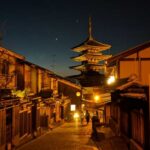
Saga Toriiimoto Preserved Street: a historic path up toward Atago
Next you’ll head to Saga Toriimoto Preserved Street, described as a historic hiking trail that leads from the base of Mount Atago up toward its summit, noted as one of Kyoto’s highest points. This part of the experience is less about “one building” and more about the act of walking through an older, traditional route.
Because it’s a hiking-style trail, it’s also where your shoe choice matters most. The tour includes a moderate amount of walking overall, so this is not the moment for brand-new sneakers that haven’t met your feet yet.
You won’t feel like you’re doing a full hike, but you’ll feel the terrain. I’d suggest you pace yourself and treat it like a transition section: it resets you from temples into scenic viewpoints, without requiring a whole extra ticket day.
Sabou Sagano break: a timed drink stop that keeps momentum
At Sabou Sagano, you get about 25 minutes and one included drink: coffee, tea, or juice. If you want something else—like matcha—that’s listed as your own expense.
This stop matters because it prevents “Arashiyama tunnel vision.” You can recharge, regroup, and still stay on schedule. That’s a big deal when you’re moving through several temple and photo stops in one morning block.
Also, the included drink is simple and predictable, which helps you budget. When you’re planning a Kyoto day, the meals can be the surprise cost. Here, at least part of the break is handled.
Stop 3: Jōjakkōji Temple’s gardens and quiet views
Jōjakkōji Temple is scheduled for 30 minutes, with admission included. The description highlights it as a tranquil retreat that mixes nature, spirituality, and stunning views, known for gardens and historical significance.
A 30-minute slot is often enough to get a meaningful feel here—especially if the guide points out what to notice. Garden temples are visual in layers: angles, paths, and sightlines that change as you walk.
Practical note: it can be tempting to speed up if the weather turns or you feel behind schedule. Don’t. Garden temples tend to reward slower steps. If you let your pace match the setting, the whole tour feels less like sightseeing and more like walking through a real place.
Mikami Shrine and Ogura Pond: small stops with specific vibes
After the main temple time, the tour includes two more distinct experiences:
- Mikami Shrine, described as a shrine dedicated to beauty, specifically hair—often referred to as the shrine of hair.
- Ogura Pond, a calm pond scene tucked among greenery, with reflective water that changes with the seasons.
These stops are valuable because they add texture. The day isn’t only about headline attractions. You get quiet, specific places that can be emotionally easier to enjoy, especially after several temple zones.
One caution: these are likely shorter, lower-pressure moments compared to the timed temple blocks. That’s not a drawback if you’re flexible, but it means you should keep your phone ready and your attention open, because the best parts here are the details you might miss while rushing.
Bamboo Forest Street photo spot: short time, smart framing
Then you reach Bamboo Forest Street as a photo spot, scheduled for 10 minutes, and free. The bamboo grove is one of Kyoto’s most photographed areas, and the reason is obvious once you’re in it: tall stalks, a curved path, and that strong, rhythmic visual effect.
Ten minutes can sound short, but it’s usually enough if you think like a photographer. Pick one or two “must-have” angles, then let the rest be bonus. The guide-led flow also helps you avoid lingering too long in the busiest zones.
If you’re going in hotter months, the photo spot can feel intense under direct sun. Comfortable timing helps. A staged visit like this is easier than trying to enter the bamboo area at peak crush on your own.
Togetsukyo Bridge and riverside viewpoints: the classic Kyoto postcard
Next up is Togetsukyo Bridge, crossing the Hozu River, scheduled for 10 minutes and free. This bridge is known for mountain and river views, and it’s described as a centuries-old crossing that’s both practical and scenic.
This part gives you the “Arashiyama postcard” view without demanding a full photo marathon. You’ll also have time around a park area with views of the Arashiyama Mountains and riverside settings. When your itinerary includes both bamboo and bridge, it creates natural visual contrast: forest geometry, then open river lines.
If you want the best photos, look for small changes in your angle—bridge edges and river reflections can vary a lot depending on where you stand. The time is short, so you’ll enjoy this more if you arrive mentally ready rather than still deciding.
Price and value: what $79.07 buys you
The price is $79.07 per person, and it’s about a 4-hour experience. That number looks straightforward, but the value comes from what’s included.
Admissions are included at several key stops: Otagi Nenbutsu-ji, Adashino Nenbutsu-ji, Sabou Sagano (as part of the scheduled stop), and Jōjakkōji Temple. Bamboo and bridge viewpoints are listed as free. You also get a drink included at Sabou Sagano.
The one extra cost to plan for: bus fee is excluded. The tour notes you should have an IC card or coins (¥230) ready. That’s a real-world detail that makes a difference. If you forget, you’ll lose a little time finding the right fare setup.
So the “value” picture is: you pay for the guide, the route logic, and the temple admissions, and you bring a little cash for transit. For many people, that’s a smart trade compared with doing a scavenger hunt through multiple stops with inconsistent walking directions.
Also, this tour is typically booked about 39 days in advance on average. If you’re traveling during peak seasons (spring and autumn are popular), you’ll want to reserve early so you get the time slot that fits your Kyoto schedule.
Who this tour fits best
This is a good match if you want a structured Arashiyama morning. I’d especially recommend it for:
- First-time Kyoto visitors who want the big hits plus temple context
- People who like small groups and actually want to talk to the guide
- Travelers who would rather spend time looking at sights than figuring out routes
It’s also a solid choice if you’re trying to balance culture with iconic scenery. Temples take up part of the day, but you still get the bamboo and river viewpoints that make Arashiyama famous.
Practical tips so your day stays smooth
Start with comfortable walking shoes. The tour mentions a moderate amount of walking, and you’ll feel it most during the trail-style section connected with Mount Atago.
Bring an IC card or coins for transit (¥230 is specifically referenced). It’s the kind of small thing that can either keep you moving or trip you up for 10 minutes while you sort payment.
Plan your energy for a timed itinerary. You’re not getting a half-day free-form wander. You’ll move from point to point with scheduled stops, usually around 10–30 minutes depending on the location.
And remember: it runs rain or shine, so pack for weather. A light layer helps more than you’d think in Kyoto, even when the forecast looks calm.
Free cancellation is available if your plans change, and the tour is confirmed at booking time. If you’re flexible, you can book with less worry.
Should you book this Arashiyama tour?
If you want an easy Arashiyama route that hits temples, views, and bamboo without navigation headaches, I think this is a strong option. The standout advantage is the guide-led storytelling at the temples, plus the practical structure that keeps your morning efficient in about 4 hours.
I’d skip it only if you’re the type who wants to spend long, quiet hours in one place. This itinerary is designed for momentum. For that style of travel, you’d be better off adding extra independent time after the tour—especially around the bamboo area—so you can slow down where you love it most.
If you book, aim for comfortable footwear, bring transit payment ready, and treat the short stops like a sampler you’ll build on later. Arashiyama is famous for a reason, and this tour helps you see that reason faster, with less friction.
FAQ
What time does the tour start?
The tour start time is 9:30 am.
Where do we meet and where does the tour end?
You meet at Hannari Hokkori Square in Ukyo Ward. The tour ends at the Site of Kotokiki Bridge, in the same area.
How long is the Kyoto Arashiyama tour?
The duration is about 4 hours.
Is this a small group tour?
Yes. The tour has a maximum group size of 8 travelers.
What’s included in the price?
The tour includes admission tickets for Otagi Nenbutsu-ji, Adashino Nenbutsu-ji, Sabou Sagano (as part of the scheduled stop), and Jōjakkōji Temple. You also get a drink included at Sabou Sagano (coffee, tea, or juice). Bamboo forest and Togetsukyo Bridge photo/view areas are free.
What happens if I’m joining on a Wednesday?
Otagi Nenbutsu-ji Temple is closed on Wednesdays, so the tour takes you to Adashino Nenbutsu-ji Temple instead.
Do I need to pay for transportation during the tour?
The bus fee is excluded. The tour asks you to have an IC card or coins (¥230) ready.
Is the tour suitable if it rains?
Yes. The tour takes place rain or shine, and it’s recommended that you wear comfortable walking shoes since there’s a moderate amount of walking involved.