REVIEW · KYOTO
Inside of Fushimi Inari – exploring and lunch with locals
Book on GetYourGuide →Operated by Japan Exploration Tours JIN · Bookable on GetYourGuide
Fushimi Inari feels different from the inside. This 4-hour small-group walk with guides like Go or Kenji explains the meaning behind the torii and how the whole site works, not just the famous red gates. I also like that it’s not a photo-only mission; you finish the trek with soba at a traditional local restaurant.
The only catch is the hike. You’ll go up and down stairs and climb toward a summit shrine on a path that can feel steep, so bring comfortable shoes and plan to move at your own pace.
In This Review
- Key things I’d lock in before you go
- Entering Fushimi Inari Taisha without getting stuck in the crowd
- Where the tour starts: the Great Torii Gate by JR Inari Station
- Inside the shrine: torii gates, faith, and what you’ll notice when someone points
- Bamboo and cedar trail time: where the air gets quieter
- The climb to the summit shrine (233m): short but real effort
- Photo spots on the way down: where you’ll actually get space
- Mountain-hut snack break: tea and a boiled egg
- Lunch at a traditional soba restaurant (plus Inari sushi)
- Offering staff moments and small surprises
- What you’re really paying for: value of a $67, 4-hour plan
- Who should book this tour (and who might skip it)
- Should you book the inside-of-Fushimi Inari tour?
- FAQ
- How long is the tour?
- Where do we meet?
- How big is the group?
- What’s included for food and drinks?
- Are vegan options available?
- Are drinks at the lunch restaurant included?
- Is there a climb involved?
Key things I’d lock in before you go
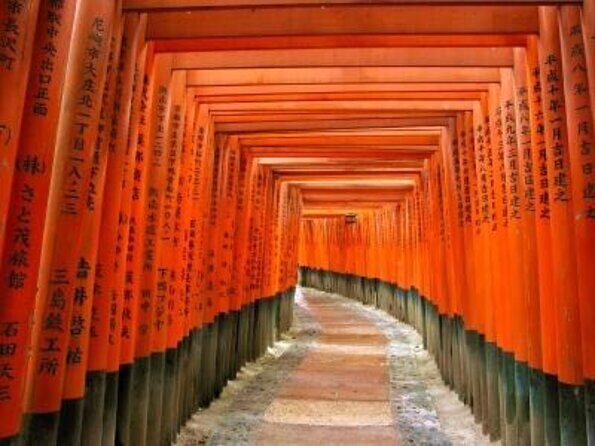
- Less-crowded routes on purpose: you’ll be guided along photo-friendly paths people often skip.
- Torii-making details: the route includes a stop at a factory where you can see torii craft at work.
- Summit-shrine views: you climb to a summit area (233m) for Kyoto-city panorama time.
- Tea-and-egg reset: a mountain-hut break with hot tea and a boiled egg keeps the energy up.
- Real local lunch: soba plus Inari sushi, with vegan options available if you request ahead.
Entering Fushimi Inari Taisha without getting stuck in the crowd
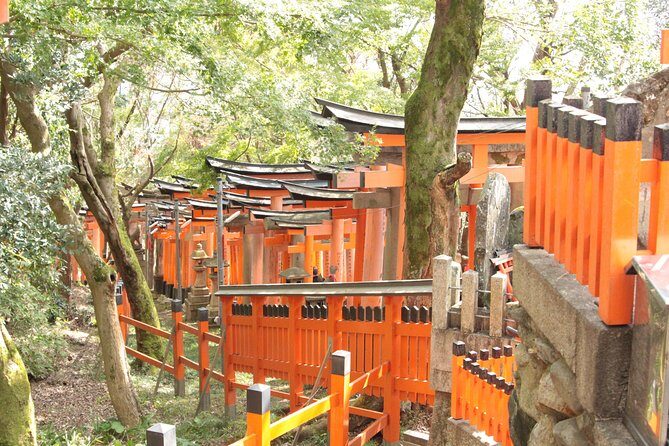
Fushimi Inari Taisha is one of those places where the main image is easy: endless rows of red gates. The problem is that the famous picture is also where most people funnel in. This tour helps you see the shrine as an actual pilgrimage route, with an order to it and a reason for where the paths lead.
What I like right away is the guide framing. You’re not left guessing why the torii gates are everywhere, or why certain spots feel more “holy” than others. With an English live guide and a small group capped at 10, you can ask questions while you walk, instead of shouting over the crowd.
A few more Kyoto tours and experiences worth a look


Where the tour starts: the Great Torii Gate by JR Inari Station
Your meetup is at the Great Torii Gate, at the stone pillar on the first gate, across from the JR Inari Station exit. It’s an easy landmark to find, and the tour also notes you’ll walk about 10 minutes from Fushimi-Inari Station on the Keihan line.
This matters because the timing at Fushimi Inari can make or break your experience. Starting near the first big gate helps you get your bearings fast and avoid wasting the first part of your tour searching.
Inside the shrine: torii gates, faith, and what you’ll notice when someone points
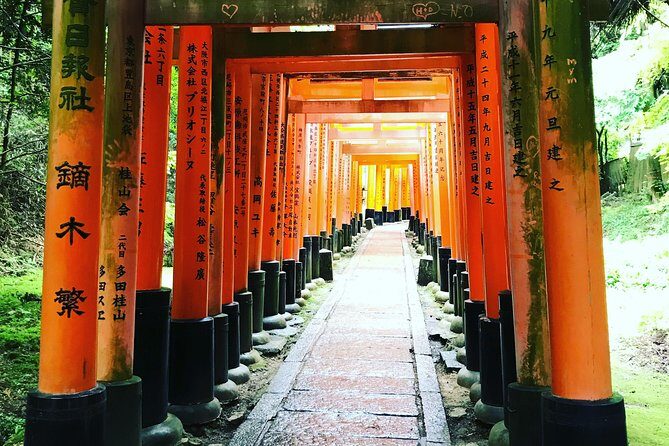
Once you’re on the shrine grounds, the focus shifts from sightseeing to understanding. You’ll explore the main area and move through the dense network of torii gates, with your guide explaining the history and cultural background behind them.
Here’s the practical value: torii gates aren’t just decoration. They mark space and meaning, and the route teaches you how people move through the site. When someone explains what you’re looking at, you stop treating it like a photo backdrop and start treating it like a living place of worship.
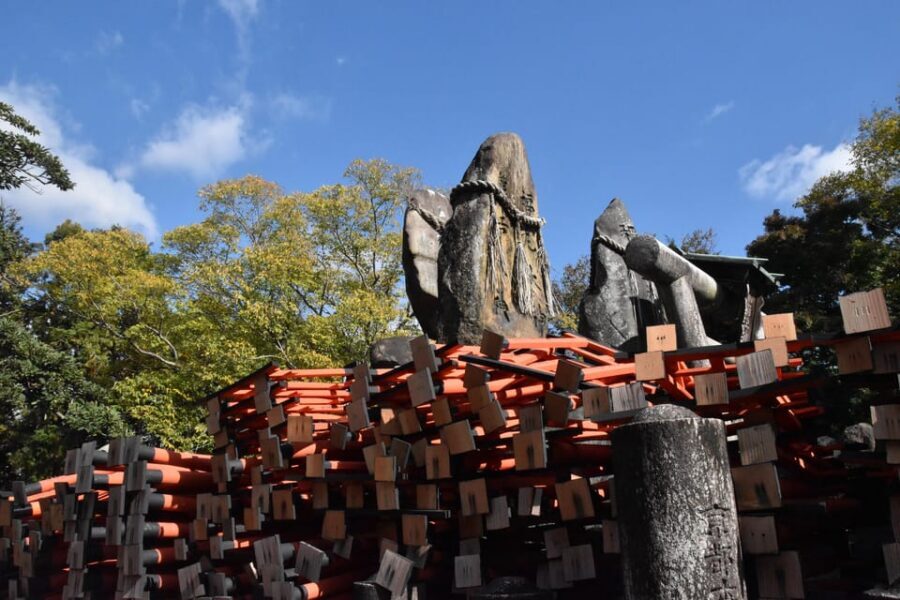
You’ll also visit authentic holy points along the way, including worship stones and even a waterfall spot. That kind of detail is hard to find on your own, especially if you’re trying to keep up with foot traffic.
Bamboo and cedar trail time: where the air gets quieter
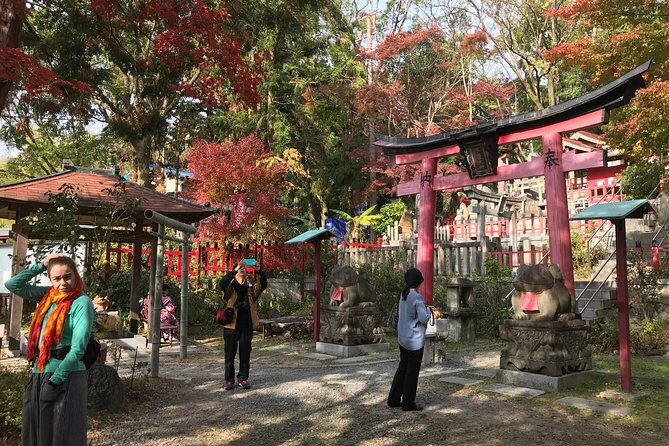
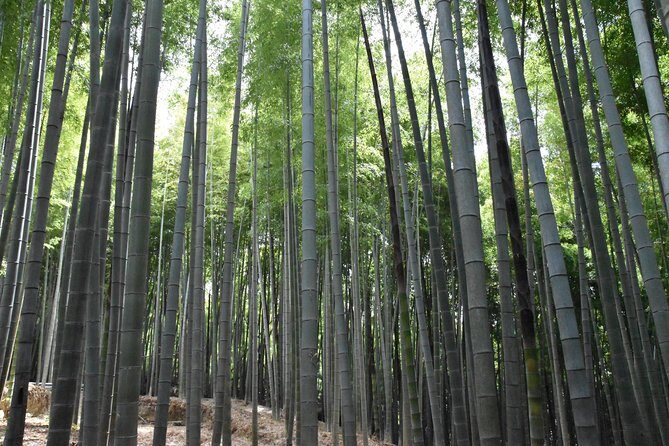
A big reason to do this on a guided path is what happens after the main gates. The tour takes you through a peaceful bamboo and cedar tree forest section, where the sound level drops and the pace changes.
This is also where the “walk with purpose” feeling kicks in. You’re not just moving for movement’s sake; the route is organized to bring you to holy spots that feel more personal than the busiest entry lanes.
And then there’s the stop that adds a surprising, hands-on layer to the experience: a factory visit. One of the most praised moments is watching a master carve torii columns, which turns the shrine from something static into something made—piece by piece, with craft.
The climb to the summit shrine (233m): short but real effort
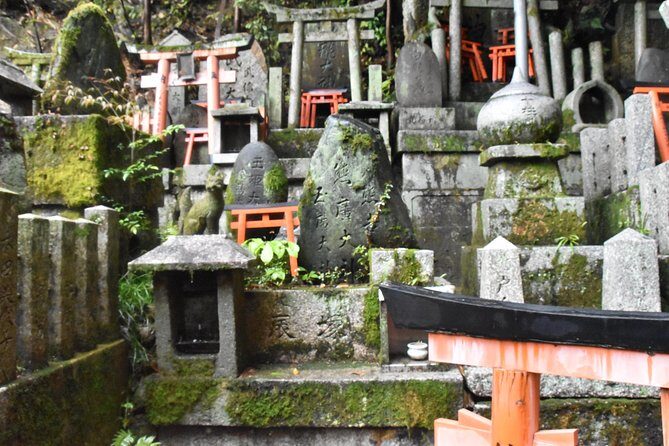
About 20 minutes of climbing brings you to the summit shrine area. The summit is 233m high, and that altitude plus the stairs is the part of the tour that feels like exercise.
The good news: it’s paced. Guides let you go at your own speed, and the route includes breaks so you don’t feel rushed. Still, this is not a stroll. If you don’t love stairs or if you’ve got knee issues, you’ll want to take the “go at your pace” part seriously and don’t try to keep up for ego reasons.
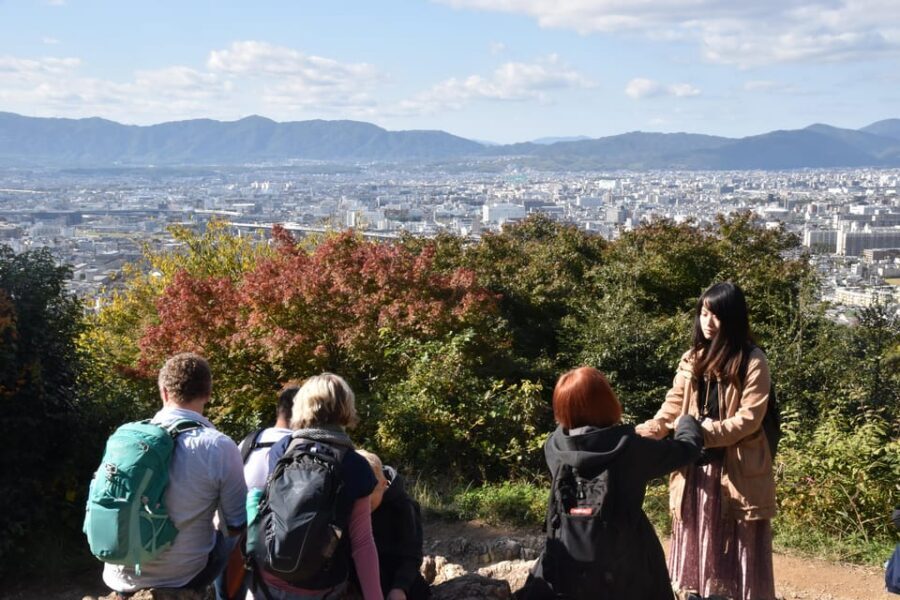
When you reach the shrine, your guide shows you around and helps you connect the view and the place. Even if you’ve seen Fushimi Inari from photos, standing here changes the scale.




Photo spots on the way down: where you’ll actually get space
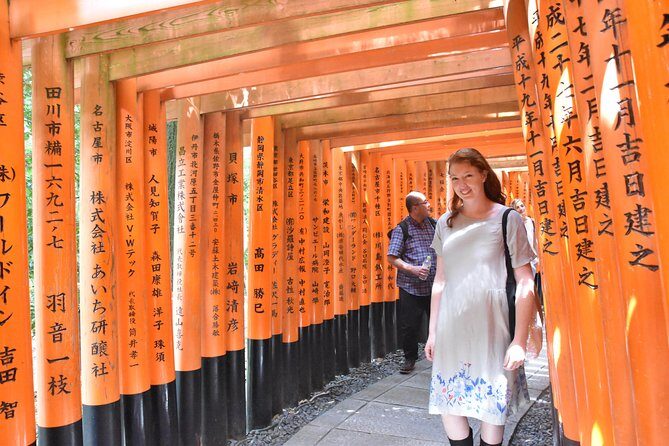
The tour includes a dedicated photo-shooting section, especially on the descent. This matters because Fushimi Inari has that annoying pattern: the best angles are often the busiest lanes.
Your guide takes you to photogenic spots that tend to be less crowded, so you spend time framing your shot instead of waiting for a clear moment. You’ll also get guidance on angles that show the gates and the forest together—those are the shots that look less like a postcard and more like you were really there.
If you’re traveling solo, this also helps. You’re not stuck asking strangers to take your picture or constantly switching places to catch the right lighting.
Mountain-hut snack break: tea and a boiled egg
About halfway through your day of shrine walking and climbing, you’ll get a break at a mountain hut. The tour includes hot Japanese tea and a boiled egg with salt—simple, warm, and perfect for restoring your energy.
This is one of those small inclusions that changes the whole feel of the hike. Without it, you’d be rationing your energy and relying on convenience-store snacks. With it, you get a pause that fits the setting.
You’ll also spend time in the area with a viewpoint. The tour calls it a breathtaking panorama view of Kyoto city from the lookout point, which is exactly what you want after the stairs.
Lunch at a traditional soba restaurant (plus Inari sushi)
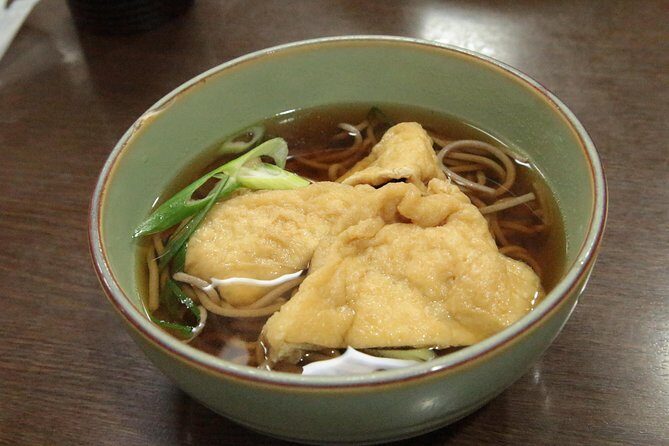
When it’s time to eat, you go to a traditional local restaurant for lunch—Japanese soba and fried sweet sushi (Inari sushi). This is not just a “we’ll grab food somewhere nearby” stop. It’s presented as the best soba restaurant the tour visits, and it’s built into the timing of the walk.
Two practical notes help you enjoy lunch more:
- Drinks at the lunch restaurant are not included, so you may want cash or a card ready for bottled water, tea, or beer.
- Vegan options exist, but you must tell the tour in advance.
I like meals like this because they feel connected to the day’s theme. Inari sushi ties into the Inari spirit behind the shrine, so it’s not random food after walking. And soba is one of those meals that tastes better when you’ve earned it with a real hike.
Offering staff moments and small surprises
The tour includes time with offering staff. That’s more than a quick photo stop; it gives you a chance to see how worship works on-site.
Some of the most positive feedback also points to moments like fortunes and even sweet treats such as ice cream as part of these on-site experiences. I’d treat those as bonus-style additions that can vary by timing and day.
Either way, this is the sort of detail that makes the trip feel less like sightseeing and more like being welcomed into how locals move through the shrine area.
What you’re really paying for: value of a $67, 4-hour plan
$67 for 4 hours can sound like a lot until you break down what’s included. You’re paying for a live English guide, a small group (max 10), food support (soba lunch plus tea-and-egg snack), and—most importantly—route planning.
Here’s the value logic I’d use:
- If you do this alone, you can see plenty of gates, but you’ll likely miss the factory stop and the less-crowded photo routing.
- With a guide, you also get explanations of cultural background and help navigating where to look, when to pause, and how to pace the climb.
- And you get built-in downtime with the mountain-hut snack, instead of guessing meal timing while you’re tired.
So the price feels fair if you want more than the headline view. If your goal is only to walk the most famous lanes and grab lunch on your own, you might spend less without a guided structure. But you’d be choosing convenience over craft, context, and calmer routing.
Who should book this tour (and who might skip it)
This tour is a great fit if you:
- want insider context for the torii and shrine areas, not just the scenery,
- like walking but still want a guide to manage the route,
- care about food that feels local and tied to the day.
You might skip it if you:
- want zero stairs and minimal exertion,
- only care about quick photos at the most famous spots,
- are the kind of traveler who prefers full independence without scheduled stops.
Should you book the inside-of-Fushimi Inari tour?
Yes, if you want the shrine experience to feel purposeful. The biggest win is the combination of quieter paths, summit views, and food that’s genuinely part of the program—plus a guide who can point out what to notice while you’re walking.
Also, take note of the practical reminders: wear comfortable clothes and shoes, bring a hands-free backpack for hiking, and expect some stairs. If you handle that, you’ll get a far more satisfying day than just standing in the gate-lines.
FAQ
How long is the tour?
The tour is listed as 4 hours total.
Where do we meet?
Meet at the Great Torii Gate at the stone pillar at the first gate, across from the JR Inari Station exit.
How big is the group?
It’s a small group limited to 10 participants.
What’s included for food and drinks?
Lunch is soba and fried sweet sushi (Inari sushi). Tea and a boiled egg are included during the mountain-hut snack break.
Are vegan options available?
Yes, vegan options are available, but you need to tell the tour in advance.
Are drinks at the lunch restaurant included?
No, drinks at the lunch restaurant are not included.
Is there a climb involved?
Yes. The tour includes going up a forest route to the summit shrine (about 20 minutes of climbing), and you’ll go up and down stairs.
If you want, tell me what month you’re going and your comfort level with stairs, and I’ll help you decide whether this is a good match for your Kyoto schedule.