REVIEW · KYOTO
Kyoto: Full-Day City Highlights Bike Tour with Light Lunch
Book on GetYourGuide →Operated by Kyoto Bike Tours · Bookable on GetYourGuide
Kyoto feels closer when you pedal. This full-day Kyoto highlights bike tour strings together Arashiyama’s bamboo green and Fushimi Inari’s torii trails at a relaxed group pace, with time to slow down and look (not just point). You also get the big-name east-side temples without the usual hassle of switching trains and buses all day.
Two things I really like: the route hits both the famous photo stops and the calmer side streets around them, and you’re not doing it alone—your bilingual guide keeps the day moving while still letting you linger. One possible drawback: it’s a long riding day (about 44 km / 27 mi over roughly 8 hours), and you need decent comfort on a bike to enjoy it.
The tour starts and ends in Arashiyama at JR Saga-Arashiyama Station. Before you ride, you get a safety briefing and bike fitting, plus a helmet, water, entry fees, and a light lunch. After that, it’s eight hours of Kyoto rhythm—green bamboo air, shrine colors, temple gold, and a steady return ride to set you up for dinner.
In This Review
- Key highlights to know before you go
- Meeting at Saga-Arashiyama and Getting Your Bike Ready
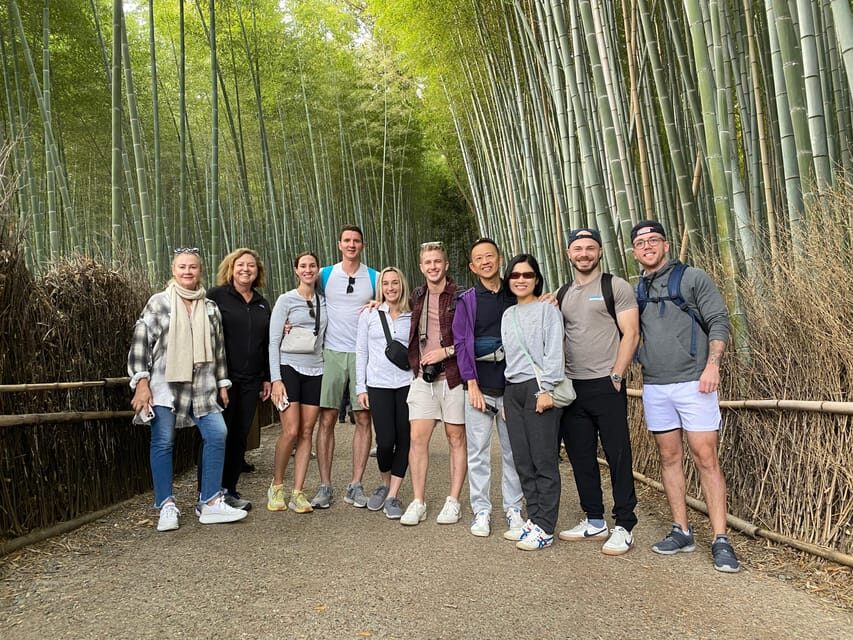
- Arashiyama Bamboo Grove: Kyoto’s Green First Impression
- Fushimi Inari Taisha Senbontorii: Torii Color and Fox Statues
- Gion District and Hanamikoji Street: Kyoto in People-Scale
- Kiyomizu-dera: UNESCO Views and Otowa Spring Water
- Kinkaku-ji Golden Pavilion: Gold, Zen, and a Reflecting Pond
- Price and Value: Is $167 Worth a Full-Day Bike Route?
- Pace, Riding Fit, and the Real Meaning of 8 Hours
- What to Wear: Shoes Rules That Actually Protect Your Day
- Who Should Book This Kyoto Bike Tour Highlights Day
- Should You Book This Kyoto Bike Tour?
- FAQ
- How long is the Kyoto full-day bike tour?
- Where do we meet the guide?
- How far do you ride during the tour?
- What’s included in the price?
- Is the guide available in English?
- Is lunch included?
- Is hotel pickup or drop-off included?
- Is this tour suitable for children?
Key highlights to know before you go
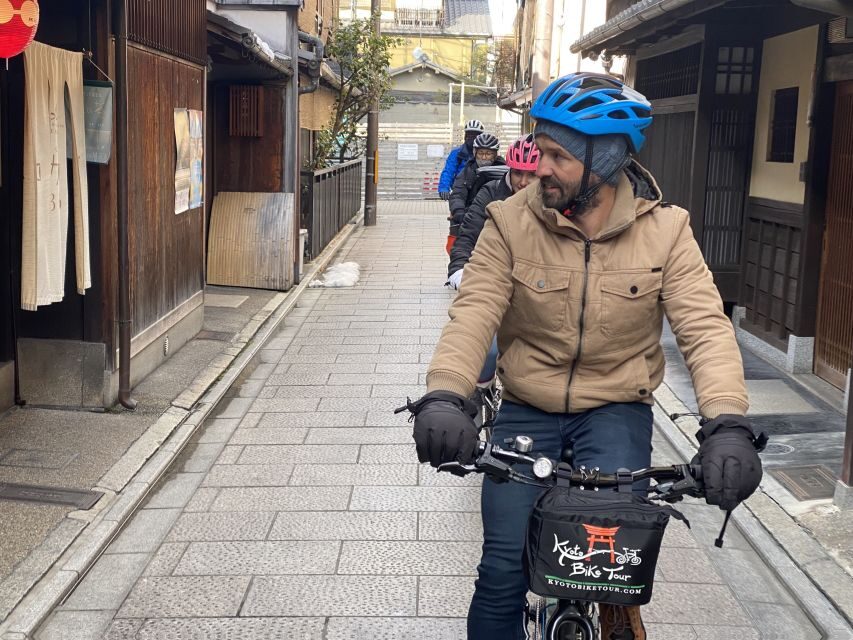
- 44 km / 27 mi over about 8 hours, so this is a real day of riding, not a casual spin
- Small group (up to 8) with a live English guide and bilingual support
- Arashiyama Bamboo Grove for that signature sea of green stalks and easy photo opportunities
- Fushimi Inari Taisha Senbontorii for torii gates and fox statues along the shrine grounds
- Gion district stops for Tatsumi Bridge and Hanamikoji Street atmosphere in daylight
- Kiyomizu-dera (UNESCO) plus Kinkaku-ji Golden Pavilion for two of Kyoto’s most photogenic temple moments
Meeting at Saga-Arashiyama and Getting Your Bike Ready
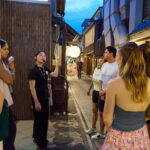
Your day begins at Saga-Arashiyama Station (outside JR). The guide is easy to spot: helmet on and a Kyoto Bike Tour shirt, so you’re not hunting around with a backpack and a dead phone battery.
Right before the ride starts, plan on a bike fitting plus a clear safety briefing. This matters more than it sounds. If your seat height is wrong or your handlebars are awkward, you’ll feel it fast—especially on a route that covers long stretches plus short walking moments at temples and shrines. A good fitting also helps you ride smoother through the small streets where you’ll be sharing space with pedestrians.
The tour provides the basics that remove friction from the day: bicycle, helmet, bottled water, and entry fees are included. That’s part of the value math. You’re not showing up, then adding costs for tickets and gear once you’re already tired.
You’ll also see a pattern in how guides lead. People mention guides like Cass, Rob, Peter, and Ray for staying organized and keeping the group together without turning every stop into a lecture. In other words: you’ll get context, but the day still runs on Kyoto time, not classroom time.
You can also read our reviews of more cycling tours in Kyoto

Arashiyama Bamboo Grove: Kyoto’s Green First Impression
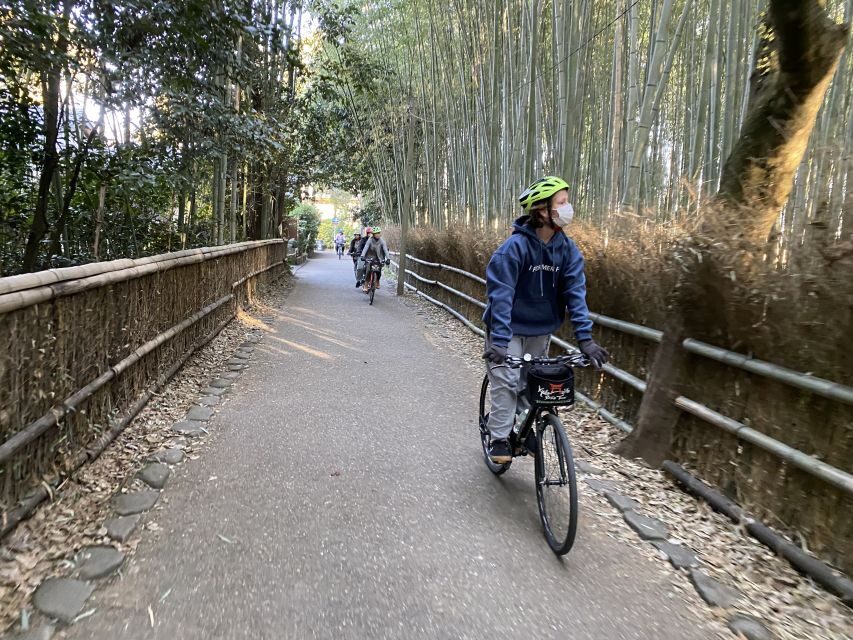
Arashiyama Bamboo Grove sets the tone immediately. This isn’t just a landmark; it’s a mood. One of the coolest parts of arriving by bike is that you get to transition into it—streets quiet down, the air changes, and then suddenly you’re in the “where did all the green come from?” zone of swaying bamboo stalks.
The tour spends about 30 minutes here with guided time for sightseeing. That’s enough to walk the area for a few viewpoints and get photos without treating it like an amusement ride. You’ll also want to take a slow look at the details: the way shadows fall between stalks, the depth of the grove, and how the sound changes when the crowd shifts.
A practical note: even though the experience is serene, you still need to handle crowds and bikes. Bamboo Grove is one of Kyoto’s top photo spots, so expect foot traffic and stop-and-go moments nearby. If you’re easily annoyed by crowds, this is the stop where you’ll feel it first—then the rest of the tour helps balance it out.
Fushimi Inari Taisha Senbontorii: Torii Color and Fox Statues
After bamboo comes one of the most recognizable shrine scenes in Japan: Fushimi Inari Taisha and its network of orange torii gates. The tour includes time at the Senbontorii area, again about 30 minutes for guided sightseeing.
What makes this stop special isn’t only the torii themselves—it’s the way the gates stretch behind the main buildings and create a trail feel. That structure encourages you to walk through the shrine grounds instead of doing the one-minute-and-leave version.
You’ll also spend time noticing the fox theme. Fushimi Inari is famous for fox statues, and the tour’s set up encourages you to hunt for different types and placements. That’s a smart way to see more of the space in less time: you’re not just staring at a single view; you’re looking around.
Consider footwear and posture here. Even though the tour is bike-focused, the shrine area is a walking experience with steps and turning points. The tour’s dress rules—no sandals/flip-flops and no loose clothing—are there for a reason. This is also where comfortable shoes matter most, because your day is longer than you expect.
Gion District and Hanamikoji Street: Kyoto in People-Scale
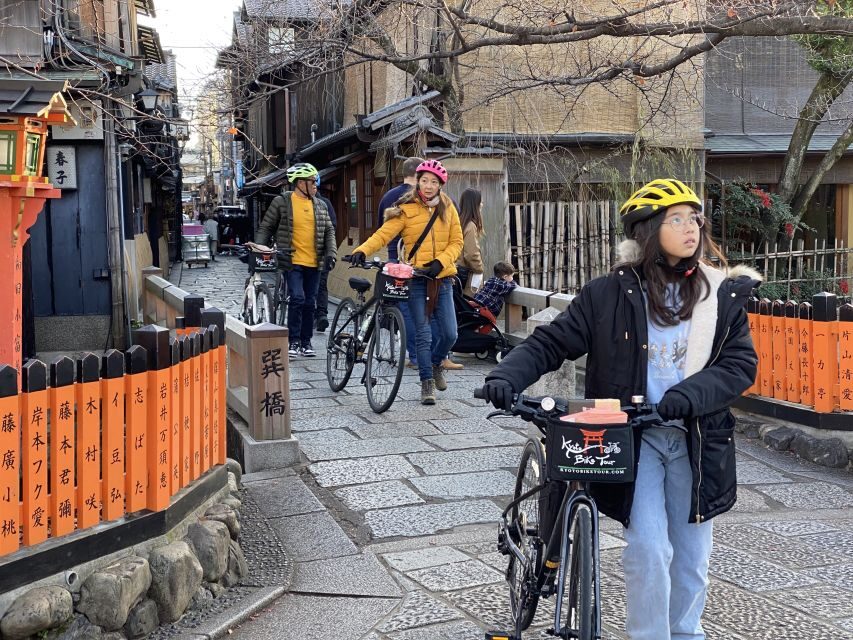
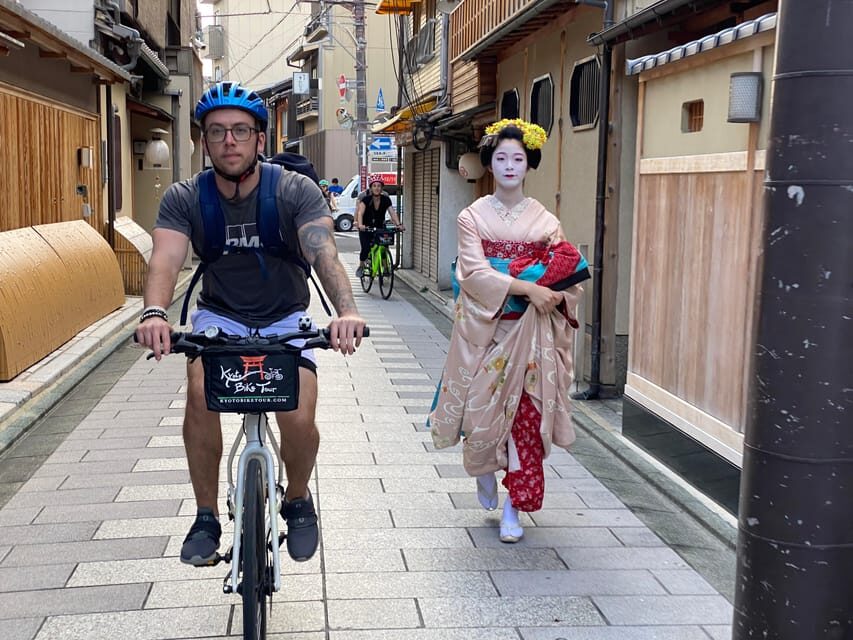
Next is Gion, the Kyoto neighborhood people associate with geiko and maiko culture. The charm is that Gion doesn’t feel like a single attraction. It feels like a place where daily life still happens around the historic setting.
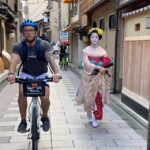
You get about 30 minutes here, timed for an easy stroll. You may spot details like hostesses in colorful kimonos on the wooden Tatsumi Bridge, and you’ll ride and walk through the atmosphere of Hanamikoji Street, known for its boutiques and upscale restaurants.
Here’s what’s worth planning for: don’t expect a performance. This neighborhood works when you treat it like a living street, not a stage. If you respect privacy and give people space, Gion feels more interesting. If you treat it like a scavenger hunt for costumes, it can feel awkward fast.
A nice bonus that shows up in guide styles is attention to small moments. One rider noted the day aligned with a rare maiko sighting, which is the kind of unpredictable payoff you can’t guarantee—but you can increase your chances of by keeping your senses open and not rushing.
Kiyomizu-dera: UNESCO Views and Otowa Spring Water

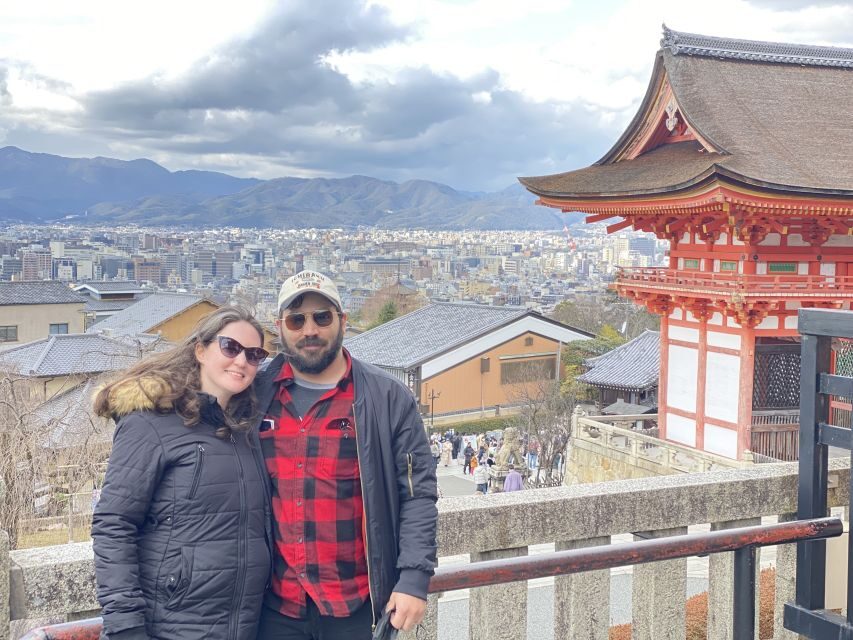
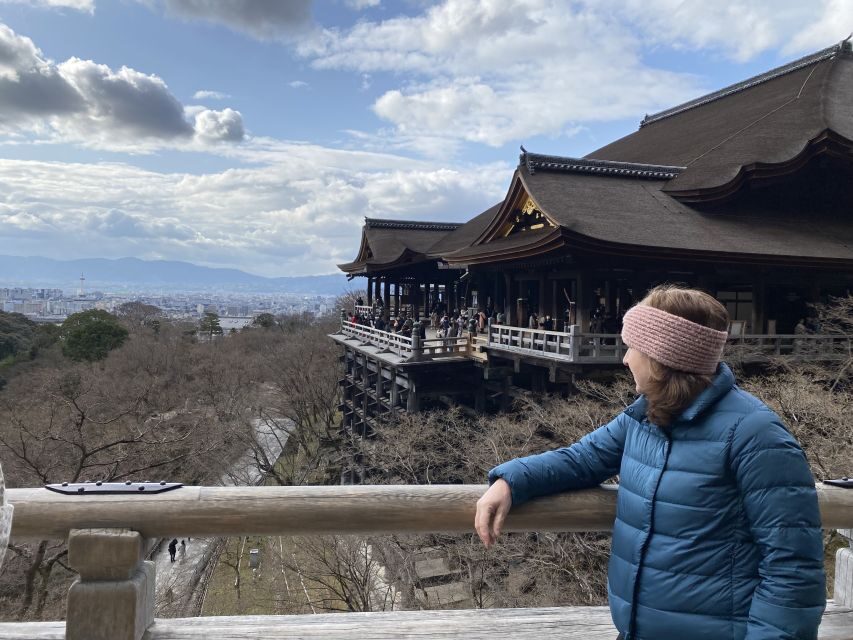
Eastern Kyoto brings you to Kiyomizu-dera, a UNESCO World Heritage Site with a major temple presence on the hills. The tour includes about 30 minutes for guided time here, after you ride over and then move through the temple approach.
Kiyomizu-dera is celebrated for the Otowa Spring, including the idea of medicinal pure waters. Even if you don’t focus on the mythology, the spring is an anchor point for understanding why this temple mattered—and why people still care today. It gives you a concrete reason to look for the flow of water and the way visitors gather.
The tour’s structure helps here. You’ll get enough time to take in the main sight and then absorb the surroundings without feeling dragged. Still, the drawback with any big temple is the mix of crowds, viewpoints, and stairs. The tour’s “bring comfortable shoes” warning isn’t filler. Plan for walking and short climbs.
If you want a strategy, use the guide’s framing: ask questions about what you’re seeing as you go. People mention guides like Rob and Ray for connecting temple design to everyday cultural meaning. That turns Kiyomizu-dera from a photo stop into an experience you can actually explain later.
You can also read our reviews of more city tours in Kyoto

Kinkaku-ji Golden Pavilion: Gold, Zen, and a Reflecting Pond
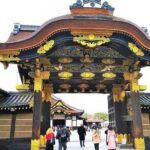
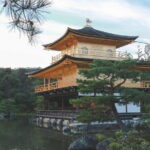
Then comes the showpiece for many first-time Kyoto visits: Kinkaku-ji Golden Pavilion. The tour includes about 30 minutes here, and it’s the kind of place where you understand why people say Kyoto looks unreal.
Kinkaku-ji is a Zen temple with a brilliant golden appearance on a structure from the 14th century. The iconic part is the way it rises above its reflecting pond—it can feel like an apparition because the light bounces off both gold surfaces and water.
You’ll likely see it at a satisfying angle because the tour is paced and guided rather than random. One rider specifically mentioned the pavilion in golden-hour light, which hints that timing can work in your favor when the day runs smoothly. Still, don’t count on the exact lighting. Even in flat daylight, the pond reflection effect is real and worth waiting for.
One practical consideration: Kinkaku-ji can be crowded. If you’re the type who needs space to enjoy a view, come ready to move with the group and find your moment. The good news is the tour’s short stop length keeps it from turning into a long wait.
Price and Value: Is $167 Worth a Full-Day Bike Route?
At $167 per person for 8 hours and about 44 km / 27 mi of riding, you’re paying for more than transportation. You’re buying a package that includes bicycle, helmet, bottled water, entry fees, and a light lunch, plus a bilingual guide with live English guiding.
Here’s the value logic I like: Kyoto’s top sights add up quickly once you factor in entrance fees, transit time, and the cost of basic comfort stuff like water. This tour bundles it. You also get a route built to reduce “where do we go next” stress. That matters on a day when you’ll be tired enough that bad logistics start to ruin enjoyment.
The other value piece is effort saved. Riding with a guide isn’t just convenience; it helps you spend your energy on looking and learning, not navigating. People highlight guide styles that are friendly and organized, including Cass’s balanced pacing and Rob’s engaging explanations. You’re not stuck listening nonstop, but you’re also not floating through the day with no context.
The only way the price gets harder to justify is if you can’t comfortably do the ride length. If you’re hesitant about stamina, check whether pedal-assist e-bikes are available. Multiple riders said the upgrade was worth it, especially in heat or for those who aren’t regular long-distance cyclists. If an e-bike turns the day from exhausting to enjoyable, the value flips in your favor.
Pace, Riding Fit, and the Real Meaning of 8 Hours
The tour advertises a leisurely pace, but the key word is still pace within a full-day plan. You’re riding for roughly 44 km / 27 mi total, and the schedule assumes you can keep moving without constant breaks.
This is why the reviews put so much weight on bike confidence. Guides also tend to keep people included, including solo travelers who appreciated being supported throughout. That kind of group management can make the day feel smoother, but it won’t change the physical reality: this is an all-day riding route.
Winter changes the feel, too. During December to February, stops are made shorter to finish before sunset. That can actually be good for riders who don’t want a late-day chill, but it does reduce how long you can linger at each place.
If you’re deciding between standard bikes and assist options, think like this: can you ride for long stretches without feeling cooked by mid-afternoon? If not, you’ll likely enjoy the tour more with an assist bike.
What to Wear: Shoes Rules That Actually Protect Your Day
This is one of those tours where clothing rules aren’t annoying—they’re practical. The tour asks for:
- Comfortable clothes
- Comfortable shoes
And it explicitly bans:
- High-heeled shoes
- Sandals or flip-flops
- Boots
- Loose clothing
I read those rules as “we want stable footing and safe riding.” Boots and loose clothing can interfere with pedal contact or get caught in moving parts. Sandals are fine for walking to a ramen shop; they’re not a great choice for a long bike day that includes short temple and shrine walks.
Also dress for weather. Kyoto can switch moods fast, and you’ll be outdoors most of the day. Bring layers you can manage without making your clothing flappy or dangerous around bike hardware.
Who Should Book This Kyoto Bike Tour Highlights Day
This tour is best for adults who can ride comfortably and handle a long day. It’s not suitable for:
- Children under 14
- People with back problems
- People with mobility impairments
- People who can’t ride a bike
- People with low level of fitness
If that sounds like you might be on the fence, use the e-bike hint from the real-world experiences shared by riders. Some people specifically recommended pedal-assist for making the day doable while still letting you contribute with your own pedaling.
If you love walking too, you’ll be happy—there are shrine and temple strolls built into the day. If you hate crowds, you’ll still get big moments, but the most popular photo stops (like bamboo and Kinkaku-ji) may feel busy. Go with patience and use the guide’s pacing to find your view instead of fighting the crowd.
Should You Book This Kyoto Bike Tour?
If you want a Kyoto day that feels efficient but not rushed, this one is a strong match. You get the core highlights—Arashiyama Bamboo Grove, Fushimi Inari torii, Gion, Kiyomizu-dera, and Kinkaku-ji—and you do it on bike, which naturally helps you see more of how Kyoto connects street life to sacred places.
I’d book it if you:
- can handle a full day and comfortably ride a bike
- want entry fees and lunch included so you can keep your day simple
- like the idea of a guide who connects sights to culture without dragging your schedule
I’d skip it if you’re dealing with pain, mobility limits, or basic bike discomfort. In that case, you’ll spend too much mental energy worrying instead of enjoying Kyoto.
One last practical note: if you want flexibility, the tour offers free cancellation up to 24 hours in advance and has a reserve now & pay later option, which makes it easier to lock in plans without committing everything upfront.
FAQ
How long is the Kyoto full-day bike tour?
The tour runs for about 8 hours.
Where do we meet the guide?
Meet outside JR Saga Arashiyama Train Station.
How far do you ride during the tour?
You’ll ride approximately 44 km (27 mi) during the full day.
What’s included in the price?
Included are a bilingual guide, bicycle, helmet, bottled water, entry fees, and a light lunch.
Is the guide available in English?
Yes. The tour includes a live English guide.
Is lunch included?
Yes, the tour includes a light lunch.
Is hotel pickup or drop-off included?
No. Hotel pickup and drop-off are not included.
Is this tour suitable for children?
No. It is not suitable for children under 14, and it’s also not suitable for people with back problems, mobility impairments, low fitness, or anyone who can’t ride a bike.