REVIEW · KYOTO
Best of Kyoto: Red Gates of Fushimi Inari & Kiyomizu Temple
Book on GetYourGuide →Operated by Kyoto Fun · Bookable on GetYourGuide
Kyoto hits different in the early morning—and this tour starts you where the best photos live. I love how the red torii gates at Fushimi Inari set the tone, and how the guide stories turn two top sights into something you actually understand. It’s a focused 3-hour plan that keeps you moving at a good pace without feeling rushed.
The biggest watch-out is physical: you’ll climb stairs and rack up 10,000+ steps, and the route isn’t suitable for people with mobility impairments. If you can handle walking comfortably, it’s an excellent way to see Kyoto’s spiritual landmarks and preserved streets with less stress.
In This Review
- Key highlights you’ll care about
- Why Fushimi Inari early-bird timing matters so much
- Kiyomizu-dera views and the Higashiyama streets you’ll remember
- Guide quality: the difference between seeing and understanding
- Route, timing, and what your feet need to handle
- Price and value: what $58 covers (and why it’s not just a headline number)
- Finishing at % ARABICA Kyoto Higashiyama: a smart, low-pressure payoff
- Who this tour is best for (and who should skip it)
- Practical tips to make the most of your morning
- Should you book Best of Kyoto: Red Gates of Fushimi Inari & Kiyomizu Temple?
- FAQ
- How long is the tour?
- Where do I meet the guide?
- What is included in the price?
- What language is the live guide?
- Do I need to pay for tickets separately?
- What should I bring and wear?
Key highlights you’ll care about
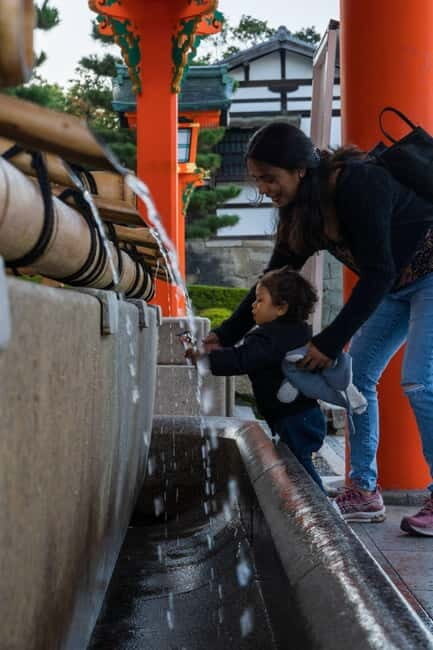
- Fushimi Inari early-bird timing: beat the crowds and catch the torii in softer morning light
- Fewer logistics headaches: train and taxi between stops are included, plus entry fees
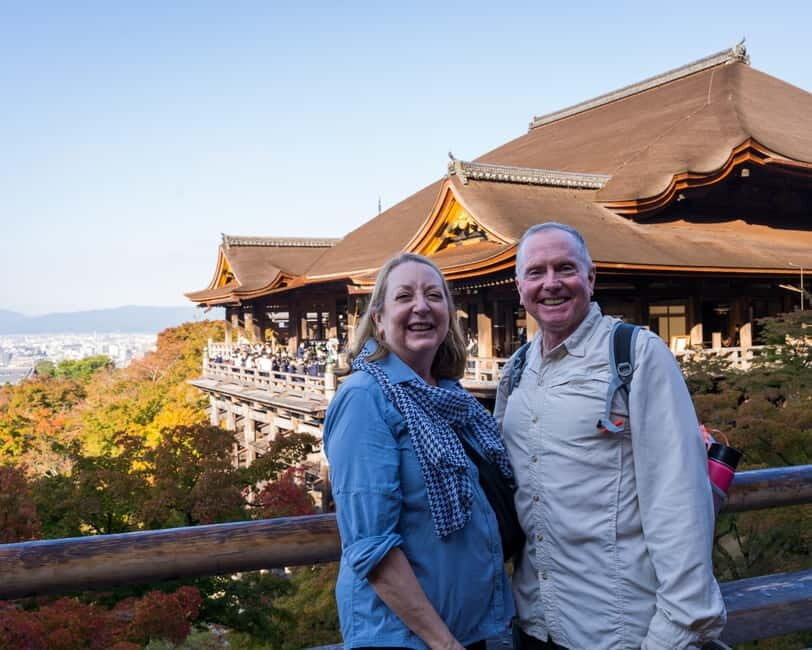
- Kiyomizu-dera viewpoints: see the temple iconically positioned over Kyoto
- Historic lanes in Higashiyama: walk through Sannenzaka and Ninenzaka as you go
- Strong guiding comes first: guides like Shanda and Diana are praised for calm, clear explanations
- A satisfying finish: end at % ARABICA Kyoto Higashiyama for coffee (or a quick breakfast vibe)
Why Fushimi Inari early-bird timing matters so much
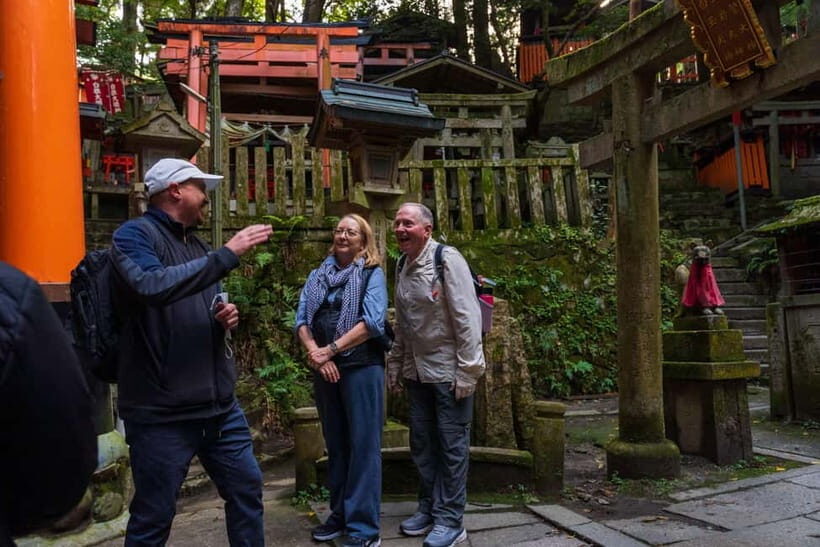
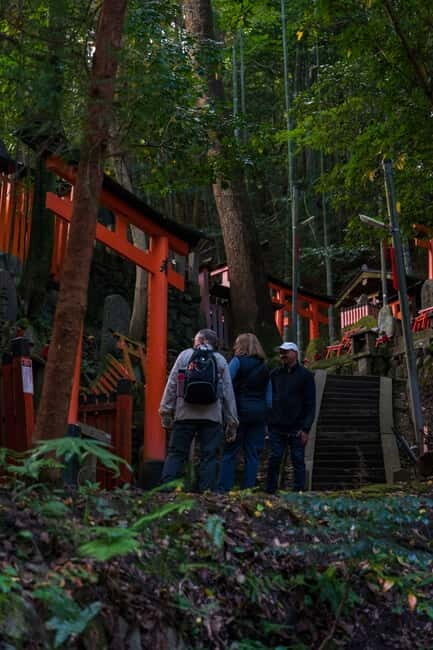
Fushimi Inari is the #1 visitor draw in the country, which means timing isn’t a small detail—it’s the whole experience. On this tour, you start at JR Inari Station and head into the shrine area early enough that the torii gates feel less like a photo line and more like a real sacred path.
As you walk under the red torii, pay attention to how the atmosphere changes with light. Those long gate shadows and the quiet lanes between them make it easier to slow down, look up, and take photos that don’t look like they were shot through shoulder-to-shoulder crowds. If you’ve ever felt like Kyoto’s top sights were more about dodging people than seeing the place, this early start is your fix.
And yes, you’ll get the iconic gates. But the guide’s job is to help you understand what you’re seeing—religious meaning, how the shrine tradition works, and why this maze of gates became such a strong symbol in Japanese culture. That context makes the walking feel purposeful, not just scenic.
You can also read our reviews of more tours and experiences in Kyoto.



Kiyomizu-dera views and the Higashiyama streets you’ll remember
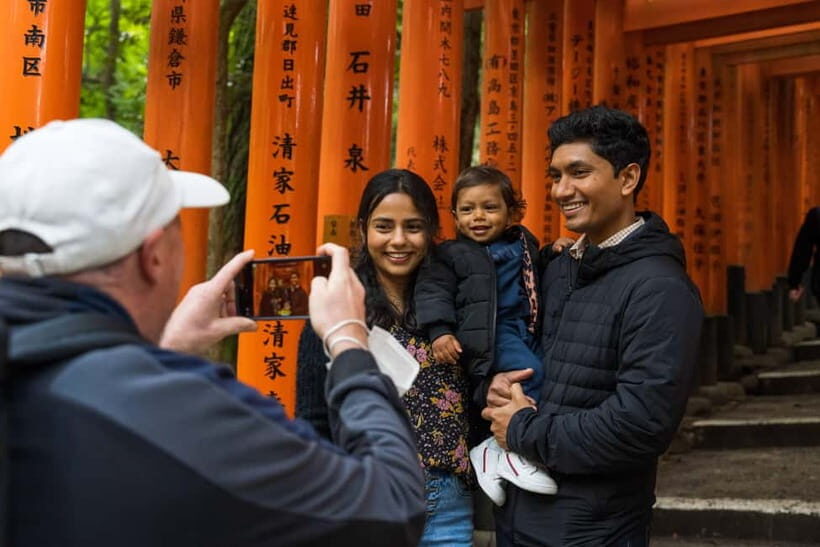
Kiyomizu-dera is the other half of the classic Kyoto combo: a major temple that’s also famous for its dramatic setting and sweeping views. Your stop there is guided for about an hour, which gives you enough time to explore without feeling stuck in one spot.
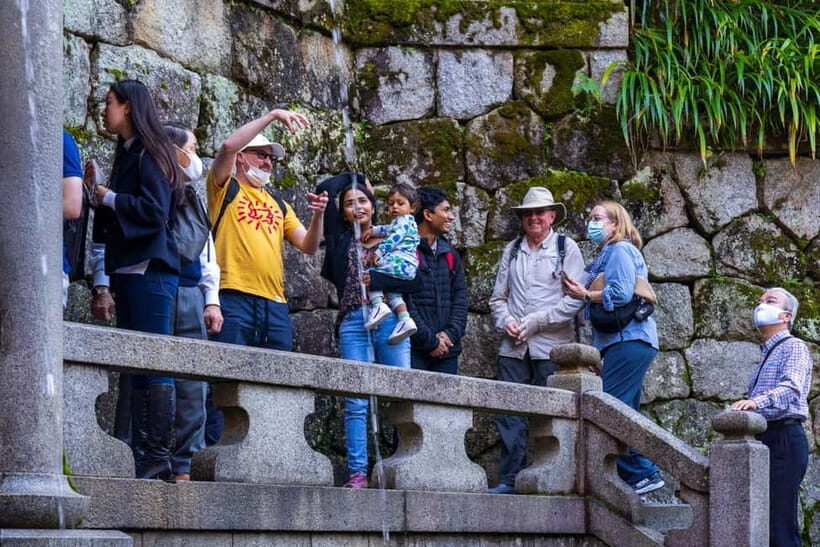
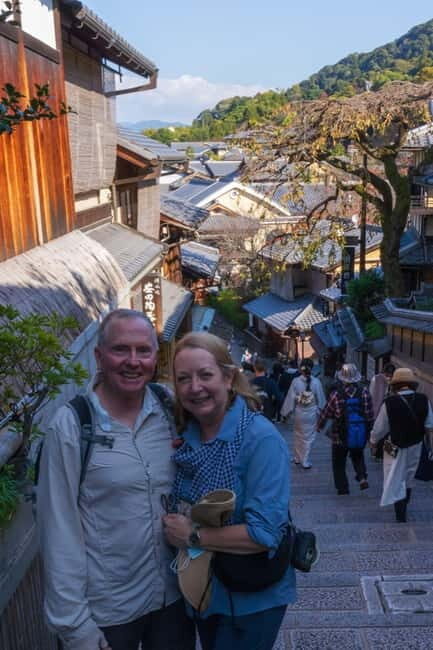
The temple itself is the obvious draw, but what you’ll likely remember just as much is the approach through preserved districts. The tour includes time to experience Higashiyama, including the stone-lane vibe of Sannenzaka and Ninenzaka. These lanes are narrow and designed for slow wandering—exactly the kind of place where you want comfortable shoes and a little patience.
One practical note: shop hours can vary. You might find fewer storefronts open earlier in the day, but the trade-off is that you can enjoy the lanes and temple sightlines with fewer people. On a morning tour, that’s often the right call—especially if you’re after photos and calm.
There’s also a dedicated photo stop in the mix (about 30 minutes). It’s a simple but smart piece of planning. Instead of telling you to stop whenever you can, the tour builds in time so you can step aside, reframe, and get a few great shots without constantly feeling like you’re holding the group back.
Guide quality: the difference between seeing and understanding
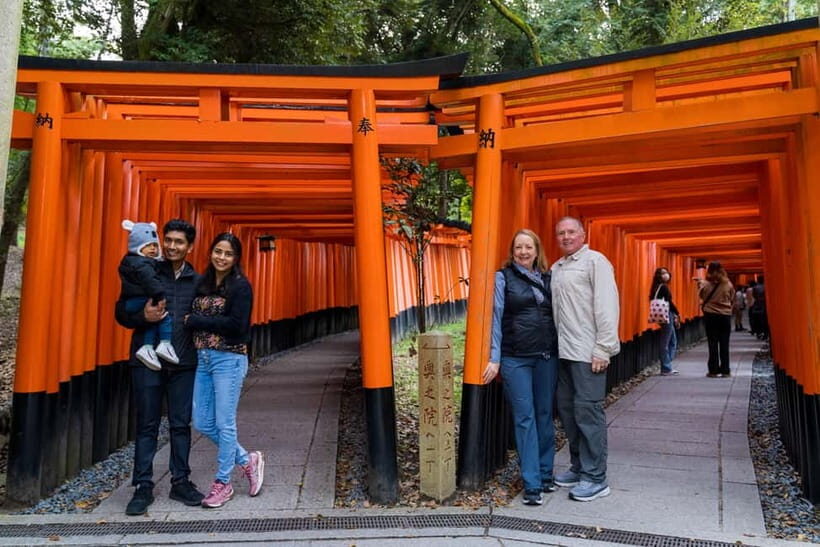
What turns this from a checklist tour into a Kyoto-feeling tour is the guide. You’re not just moving between sights—you’re learning how to look at them.
English and French are available, and the guides are described as enthusiastic and engaging, with clear explanations and time for photos. Two guide names show up in strong feedback: Shanda and Diana. One review praised Shanda for expert knowledge and the ability to let people take photos calmly. Another highlighted Diana’s positive, interesting explanations about both Fushimi Inari and Kiyomizu-dera, with early timing helping avoid heavy crowding.
That matters because both shrines/temples have a lot going on. Without guidance, you can end up standing in front of the scenery thinking, I’m sure this means something. With a good guide, you start connecting the dots—why offerings exist, what the shrine/temple role is in Buddhism and local tradition, and why these sites are so strongly tied to Japanese cultural identity.
Route, timing, and what your feet need to handle
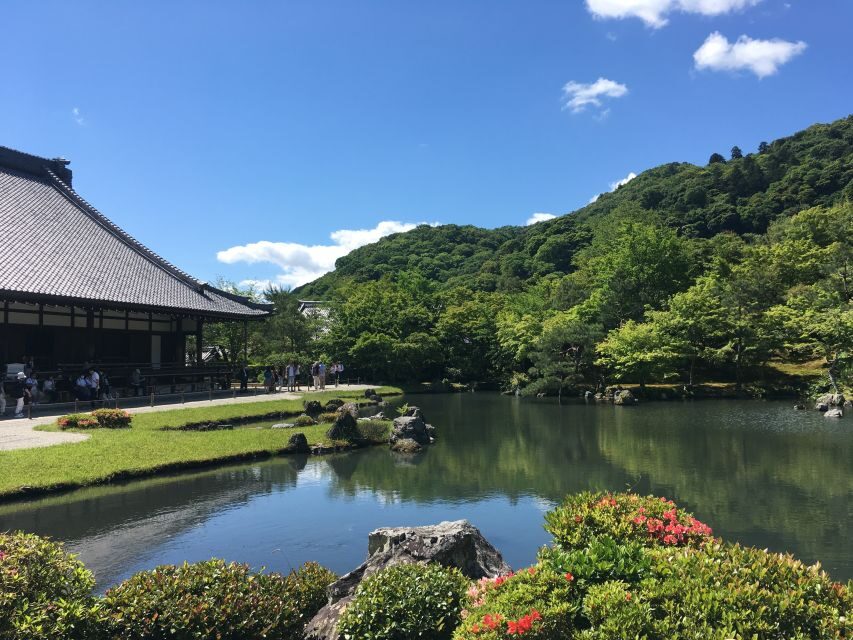
This is a short tour, but it’s not a sit-and-watch experience. You’ll walk from JR Inari Station to the shrine area, then transition to Kiyomizu-dera with included train fares and taxi fare between the stops.
The total duration is about 3 hours, and the walking adds up fast. The tour guidance is blunt about it: expect stairs and plan for 10,000 or more steps. That’s typical for Kyoto sightseeing, but it’s still worth planning for.
Here’s what that means for you in real terms:
- Wear comfortable shoes you trust for long pavement and stair sections.
- Dress for early morning walking weather; Kyoto can feel cooler before the day warms up.
- If you’re the type who needs frequent breaks, build in a slower pace right from the start. The guide will keep you on track, but you’re still walking uphill and through stairs.
Also, this tour isn’t suitable for people with mobility impairments. If you’re at all unsure, it’s better to choose a gentler option rather than counting on shortcuts.
Price and value: what $58 covers (and why it’s not just a headline number)
At $58 per person for a 3-hour experience, the value comes from what’s included. You’re not paying separately for entry tickets and you’re not managing transport between the two major stops on your own.
Included costs:
- Guide
- Train fares
- Taxi fares
- Entry fees
Not included:
- Food and drinks
So the math is pretty straightforward. If you’re already planning to pay for tickets and you’d rather not spend your limited Kyoto time figuring out how to get from the shrine maze to the temple viewpoints, the bundled pricing helps.
The other value piece is the early start. Avoiding the worst crowds means fewer wasted minutes stalled in photo lines. Even if you never hit your phone’s camera count limit, you’ll spend your time looking at Kyoto instead of negotiating other people’s pace.
For solo travelers or small groups who want structure, this price is easier to justify than piecing together your own half-day with two top sights plus transit plus tickets.






Finishing at % ARABICA Kyoto Higashiyama: a smart, low-pressure payoff
The tour ends at % ARABICA Kyoto Higashiyama. That’s not just a random coffee stop. After temples, gates, stairs, and lots of walking, you want a place that’s easy to reach and simple to relax in.
This is where you can:
- Grab a coffee or breakfast-style snack if you’re hungry
- Sit down for a few minutes and let your feet recover
- Use the last minutes to review photos without feeling rushed back to a meeting point
And if you’re the kind of traveler who likes small local rituals—coffee as a reset button—this ending works nicely. The route through preserved lanes and café aromas makes Kyoto feel lived-in, not staged.
Who this tour is best for (and who should skip it)
You’ll likely love this tour if you:
- Want the two biggest Kyoto icons—Fushimi Inari and Kiyomizu-dera—without planning stress
- Prefer early starts to keep your sightseeing calmer and more photo-friendly
- Like learning. A good guide turns the temples from scenery into story
- Can handle stairs and long walking blocks with ease
You might choose a different option if you:
- Don’t want to walk 10,000+ steps or deal with stairs
- Need accessibility-friendly routes
- Want a lot of free time to roam independently without a structured guide pacing
Practical tips to make the most of your morning
A few small choices will make your 3 hours smoother:
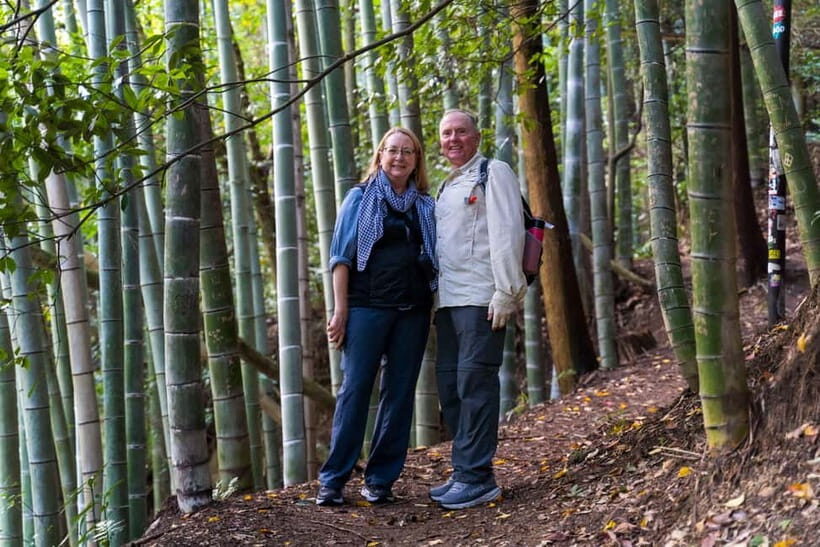
- Bring comfortable shoes and socks you won’t regret after lots of stairs.
- Keep your camera ready early. The torii gates and morning light are your best payoff.
- If you hate rushing photos, you’ll appreciate that the tour builds in time for picture stops.
- If you’re planning to buy snacks later, consider that food and drinks aren’t included—so have a plan for when you’ll eat.
Should you book Best of Kyoto: Red Gates of Fushimi Inari & Kiyomizu Temple?
If you’re choosing just a short guided window to see Kyoto’s headline sights, I think this tour is an easy yes—especially because it solves the two biggest problems people run into: crowds and logistics. Early timing at Fushimi Inari gives you space to breathe and take photos, and a guided hour at Kiyomizu-dera helps you appreciate what you’re looking at beyond the postcard version.
Skip it only if stairs and long walking are a deal-breaker for you, or if you’d rather travel fully on your own with zero structure. Otherwise, this is a strong value, well-paced introduction to Kyoto’s spiritual landmarks and preserved historic streets.
FAQ
How long is the tour?
The tour duration is 3 hours.
Where do I meet the guide?
Meet your guide in front of the entrance to JR Inari Station at the time on your voucher. You’ll see a small mailbox and a public phone next to each other.
What is included in the price?
The price includes the guide, train fares, taxi fares, and entry fees.
What language is the live guide?
The live tour guide is available in English and French.
Do I need to pay for tickets separately?
No. Entry fees are included, and taxi/train fare between stops is included too.
What should I bring and wear?
Wear comfortable shoes and comfortable clothes. The tour includes quite a few stairs, and you should plan for 10,000 or more steps.