REVIEW · TOKYO
From Tokyo: Mt. Fuji & Hakone Tour w/ Return by Bullet Train
Book on GetYourGuide →Operated by H.I.S. Co Ltd(TIC) · Bookable on GetYourGuide
A single clear sky can make this day. You’ll chase Mt. Fuji from high ground, ride through volcanic Hakone, then cap it with a fast Shinkansen return to Tokyo.
I love two things in particular. First, you get guided access up to the Mt. Fuji 5th Station (~2300m), where cloud speed is part of the game plan. Second, Hakone is hands-on: the Owakudani cable car puts you right in the volcanic action, then Lake Ashi’s cruise helps you reset while watching for Fuji in the distance. Guides like Yumi, Happy, and Sachi-san consistently keep the day organized and human-sized.
The main drawback is simple: weather can erase the summit view, and the tour still runs. If Mt. Fuji is hidden (or transport is redirected), you may end up at the highest reachable alternative instead of the exact spots you were picturing.
In This Review
- Key Points Worth Knowing Before You Go
- Tokyo to Mt. Fuji: Why This Day Trip Feels Efficient
- Mt. Fuji 5th Station: The Closest You Can Get Without Hiking
- The Weather Backup: What Happens If You Can’t Reach the 5th Station
- Lunch at the Resort: Hot Pot and a Half Buffet
- Owakudani by Cable Car: Volcano Views That Feel Physical
- Lake Ashi Cruise: The Scenic Payoff (When Visibility Cooperates)
- Getting Back to Tokyo on the Shinkansen: Fast, But You’re On Your Own
- Price and Value: Why $117 Can Make Sense
- Who This Tour Fits Best (And Who Might Skip It)
- My Call: Should You Book This Fuji and Hakone Day Trip?
- FAQ
- Where do I meet the guide?
- Is Mt. Fuji always visible on this tour?
- What is included with Hakone?
- Is the black egg purchase included?
- What’s the lunch option like?
- How does the Shinkansen return work?
- What should I bring and wear?
Key Points Worth Knowing Before You Go
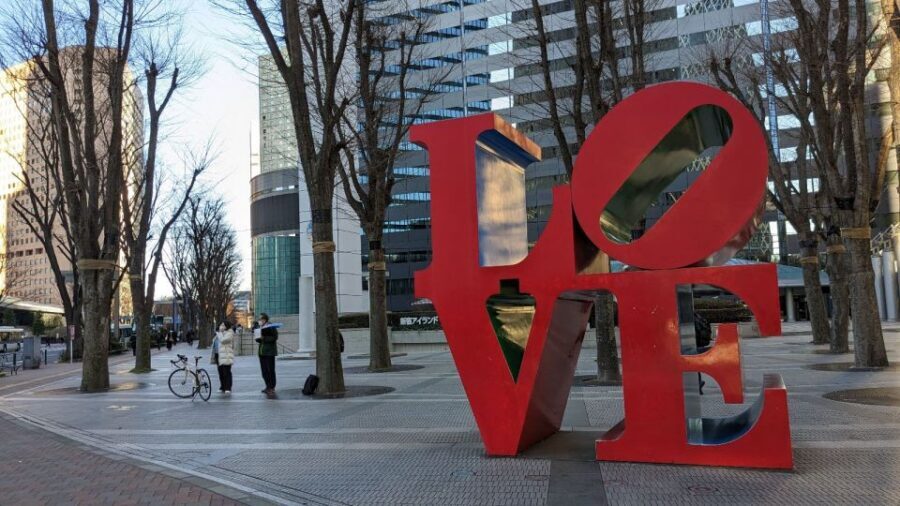
- You start at the Nishi Shinjuku LOVE sculpture outside Shinjuku i-Land, so you skip hotel pickup and make your own way to the meeting point.
- Mt. Fuji 5th Station is the star (about 2300 meters): it’s the best shot at getting closer to the summit without hiking.
- Clouds move fast up high, so your guide’s timing matters more than luck.
- Owakudani is a real volcanic stop: you’ll ride the ropeway in the sulfur-and-steam zone, with souvenirs like the famous black eggs (extra cost).
- Lake Ashi cruise is a scenic payoff when visibility is good, especially from the waterline.
- Your Shinkansen ride back is non-reserved from Odawara, and the guide won’t travel with you on the train—so you’ll want to be alert at the station.
Tokyo to Mt. Fuji: Why This Day Trip Feels Efficient
This is an 11-hour long day, but it doesn’t feel like a full-day slog. The structure is built around motion plus short, purposeful stops. You’ll leave from Shinjuku (meet at the LOVE sculpture outside Shinjuku i-Land) and spend about 2.5 hours heading toward the Mt. Fuji area by air-conditioned bus.
The biggest value here is not just visiting Fuji and Hakone. It’s outsourcing the logistics: getting to the right places in the right order, and getting there with a guide who can explain what you’re seeing as you go. If you’ve ever tried to stitch together bus routes and transfers on your own in Japan, you already know why that matters.
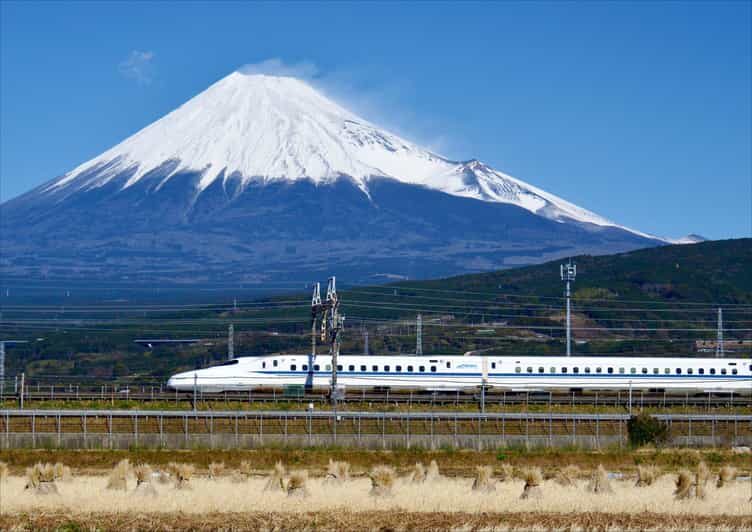
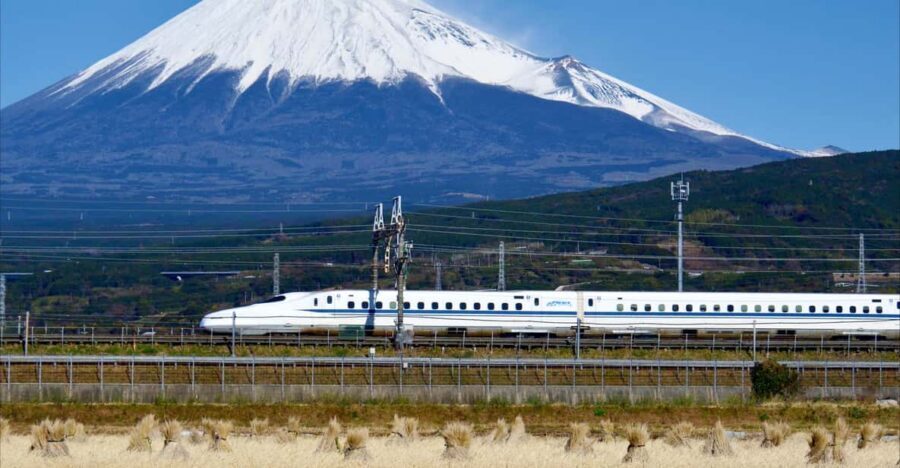
And yes, the rail back is part of the appeal. You’ll get a Shinkansen ticket from Odawara to Tokyo (typically around 34 minutes to Tokyo Station), which turns the return into something you can plan around instead of waiting on traffic.
You can also read our reviews of more tours and experiences in Tokyo.



Mt. Fuji 5th Station: The Closest You Can Get Without Hiking
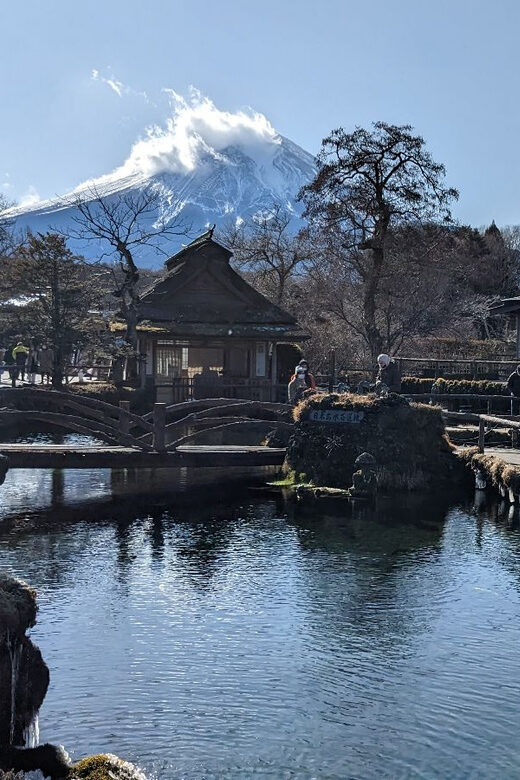
The tour’s Fuji segment is the dramatic climb in altitude, even if you never lace up boots. You’ll reach Subaru Line access and then the Mt. Fuji 5th Station, at around 2300 meters above sea level.
What I’d focus on: this stop is about probability and perspective. At higher elevations, the air thins and cloud movement becomes obvious. Your guide may encourage you to watch the summit region closely, because even small changes in fog can suddenly reveal the peak.
You should also expect time for a bit of browsing. From the 5th Station area, you’ll find souvenirs and the Komitake Shrine to visit when you want a quieter pause. It’s a good place to slow down for a moment, even if your main goal is the view.
A practical tip: wear comfortable shoes. You’re not doing a hike, but you’ll still be walking around a lively transit area at elevation, and it’s easy to underestimate how often you’ll step on and off buses and walk between platforms and shops.
The Weather Backup: What Happens If You Can’t Reach the 5th Station
Mt. Fuji is famously moody. The tour explicitly plans for that. If they can’t reach the 5th Station due to bad weather or an accident on the road, you’ll visit the highest point possible instead.
That fallback is important because it changes the day from a letdown into a salvage mission with purpose. Even without summit views, you’re still getting high-altitude scenery, and you’ll still have guided time at a viewpoint that makes the trip worth doing.
One more thing to understand: Mt. Fuji may not be visible due to high humidity, heavy rain, or fog. And weather-related complaints don’t come with refunds or a reschedule option handled by the operator. So go in with the right mindset. Your “success condition” isn’t just seeing the peak—it’s experiencing the places the tour takes you to, even if Fuji is hiding behind clouds.
Lunch at the Resort: Hot Pot and a Half Buffet
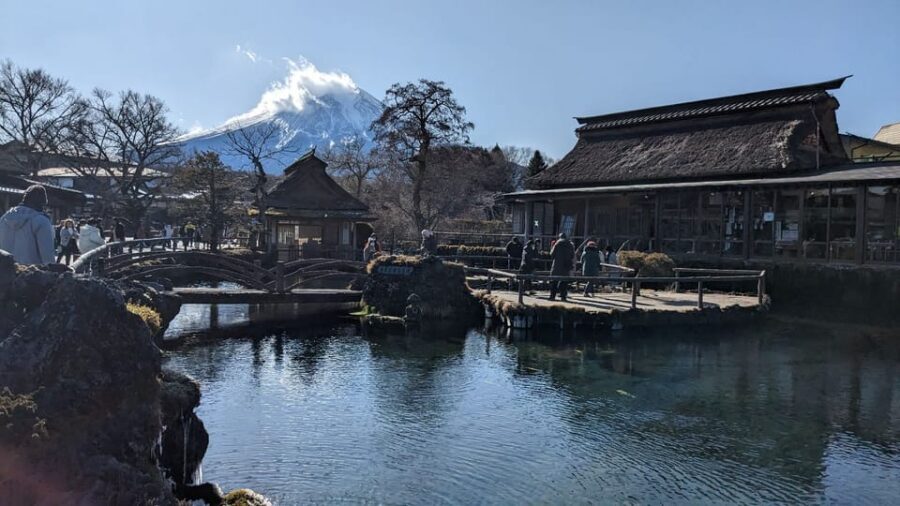
Midday is your reset. Lunch runs about 45–60 minutes at the time set by the day’s flow, and the included meal (if you selected that option) is a hot pot with a half buffet.
This matters because the day is packed. When you’re bouncing from elevation to volcanic zones to a lake cruise, a real sit-down meal helps you avoid the tired, cranky version of yourself that can show up late in the trip. Also, you can share food restrictions with the operator so they can try to make sure the meal works for you.
Based on the experience people shared afterward, lunch is often a highlight of the trip. Some days it hits the right balance of warm and filling. On other days, it can be more hit-or-miss depending on what’s served and how you feel about hot pot. If you don’t love hot pot, don’t panic—buffer-style options are part of the setup, and there’s generally enough to build a decent meal.
Owakudani by Cable Car: Volcano Views That Feel Physical
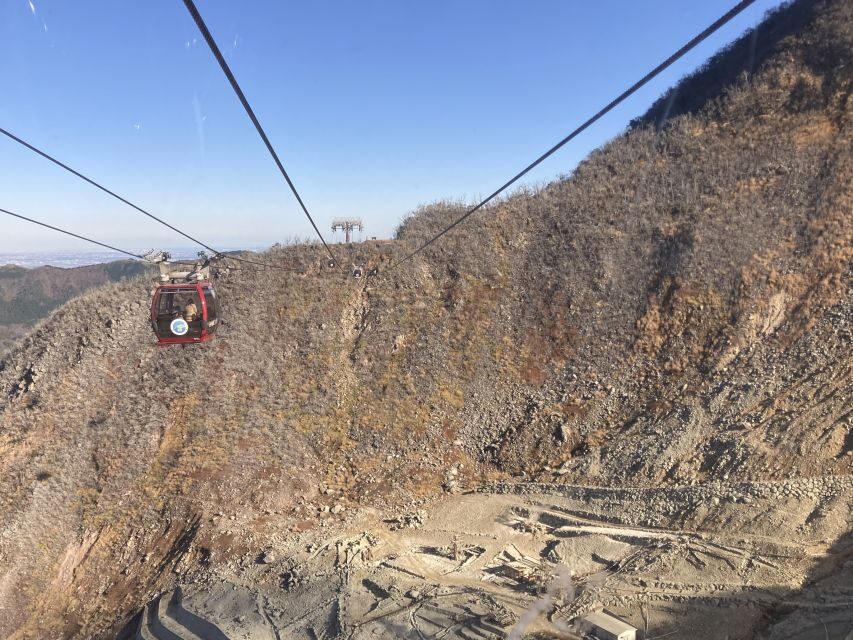
Then you shift from altitude to geology.
The Hakone portion includes a ropeway (gondola) ride to the Owakudani volcanic area. This is where the tour starts feeling less like sightseeing-from-a-bus and more like stepping into a natural phenomenon.
As you ascend and descend on the ropeway, you can watch the elevation change around you. You’re in an active volcanic zone, and it’s common for people to be struck by the sulfur presence and the steam coming up from below.
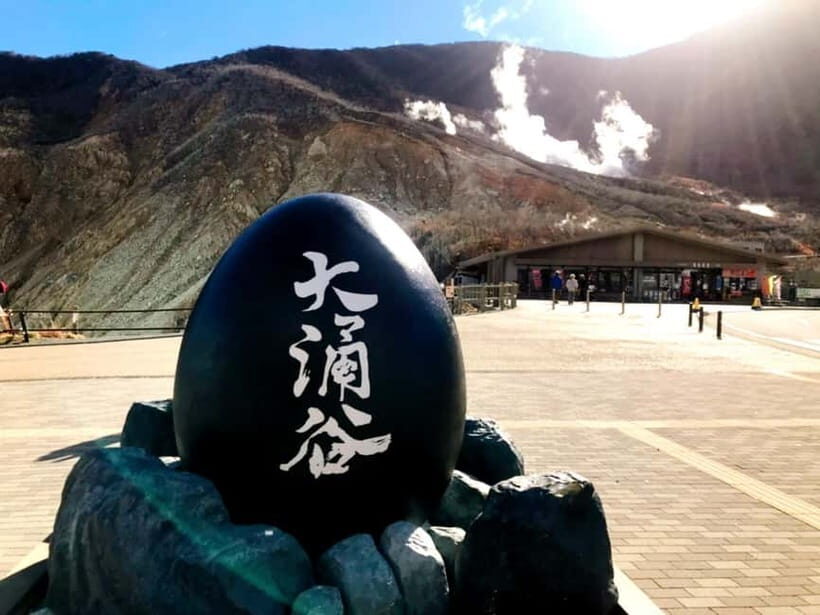
One of the most memorable extras here is souvenir culture. You can buy the famous black eggs boiled in sulfuric water from the Owakudani area. The catch: the egg fee is not included, so treat it as a pay-as-you-go choice.
If you’re the type who likes small, iconic food items you can actually remember later, this is the moment. The eggs are goofy in a fun way, and the volcanic setting makes them feel special instead of like a random snack stop.






Lake Ashi Cruise: The Scenic Payoff (When Visibility Cooperates)
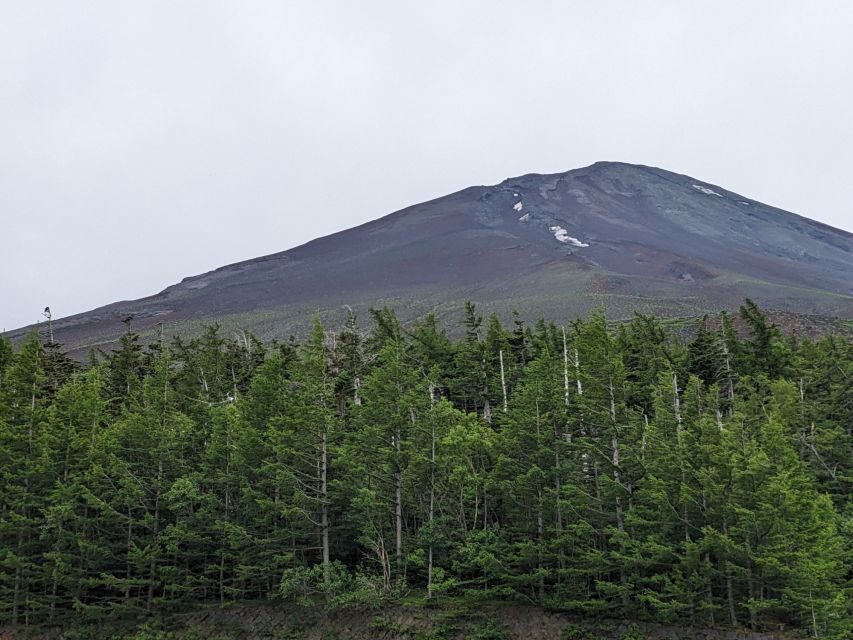
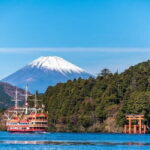
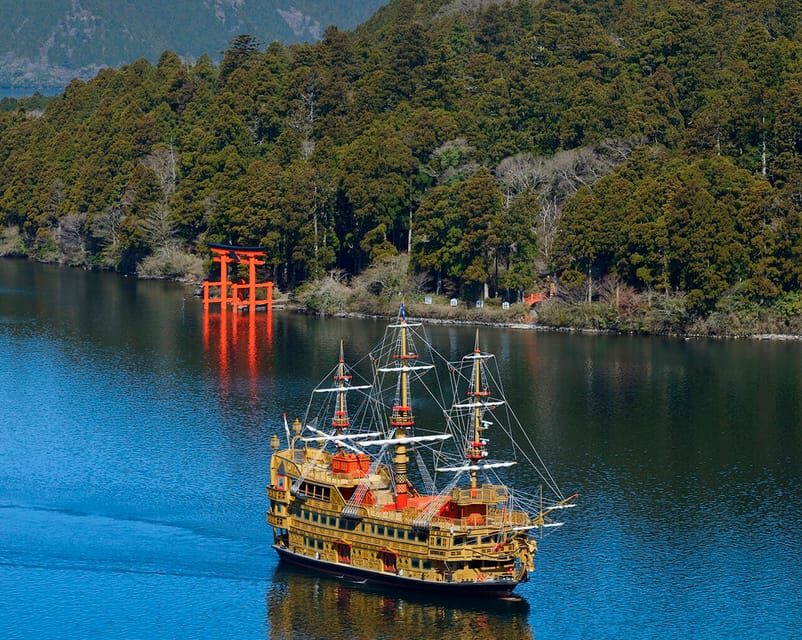
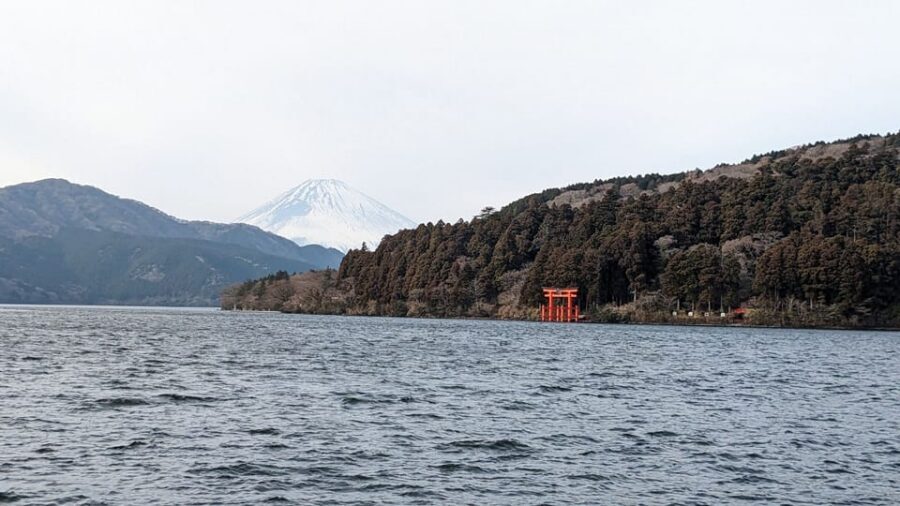
After Owakudani, you’ll head to Lake Ashi for a cruise. On clear days, this is one of the most rewarding parts of the schedule because you may get sweeping views of Mt. Fuji from the deck.
The tour is designed around that hope—again, because weather is the boss here. When clouds thin, Fuji can appear in the background like it’s been waiting for you to relax for a second. When it’s foggy, you still get water, boats, and the Hakone atmosphere, just with less dramatic framing.
When the Hakone Pirate Ship is operating, you’ll be on a boat with a very on-theme look. People also recommend grabbing snacks early if you want specific items, because some limited offerings can sell out quickly once the boat fills.
This stop is also where the pacing of the tour helps you. You’ve been moving hard all morning. A cruise gives your eyes time to rest. It’s not just photo time—it’s a breathing moment.
Getting Back to Tokyo on the Shinkansen: Fast, But You’re On Your Own
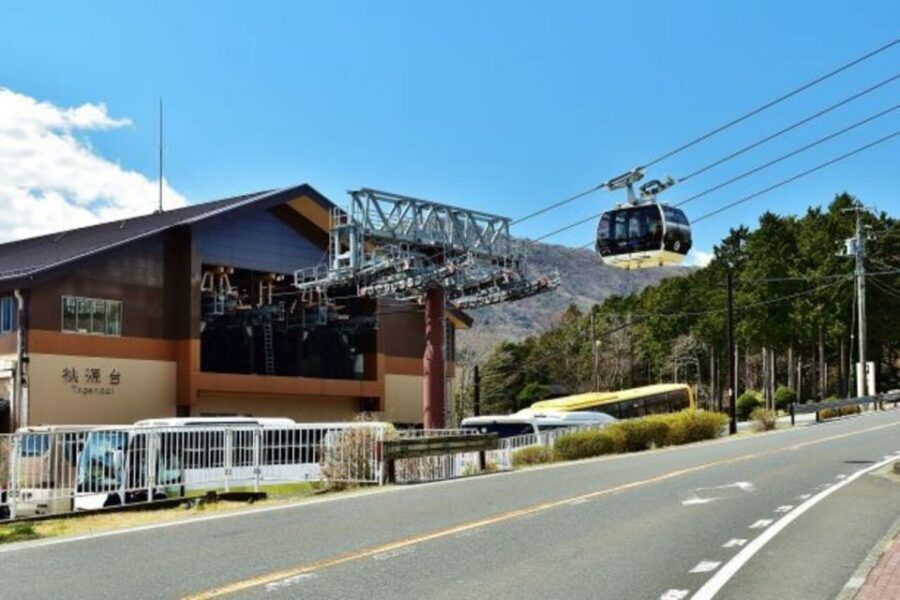
The return is built around speed and clarity.
You’ll go back to Odawara Station, then ride the Shinkansen to Tokyo Station (typical duration about 34 minutes). The ticket you get is non-reserved, which means you’ll want to be ready to move efficiently once you’re at the platform.
Important detail: your guide will not ride the train with you. Still, guides often help you get organized and make sure you know what to do next before separating. Once you’re on the train, you’re navigating like a local.
The Shinkansen timing depends on how the bus traffic goes into Odawara. There are two trains per hour, and you can take any of the non-reserved coaches. You can also get off at Shinagawa Station (one stop before Tokyo) and transfer to the Yamanote Line using the same Shinkansen ticket, which is a smart option if your next stop is closer to the Yamanote loop.
Here’s a practical way to make this stress-free: keep your boarding plan simple. Know that you’re aiming for Tokyo or Shinagawa, get your bearings at Odawara, then follow the flow of other passengers. Non-reserved is easy once you’re inside the system; it just requires you to act promptly.
Price and Value: Why $117 Can Make Sense
At about $117 per person for an 11-hour day, this tour is really pricing three things together:
1) Transportation by air-conditioned bus (from Shinjuku and around Hakone)
2) Included admissions that drive the itinerary: Hakone ropeway ticket and Lake Ashi cruise ticket
3) A Shinkansen return ticket (non-reserved)
The big value isn’t the individual ticket line items. It’s that you’re not spending half your day figuring out which transfer works, which platform, and how to keep the day from turning into a maze. For many people, that alone is worth paying for.
Two cost caveats to remember. Drinks are not included, and if you want the black eggs or other small souvenirs, those are extra. Lunch is only included if you chose the lunch option, so double-check what you selected.
Also, the day can be weather-dependent. If Fuji is hidden, the tour still gives you a full program, including high viewpoints and the volcanic and lake elements. That weather reality is part of the deal, so it’s best to see the price as paying for the whole organized day, not only paying for a perfect Fuji photo.
Who This Tour Fits Best (And Who Might Skip It)
This works well for you if:
- You want to see Mt. Fuji + Hakone without spending your vacation time routing buses.
- You like structured pacing: short stops, then movement, then another stop.
- You’re excited by the idea of riding a Shinkansen back to Tokyo rather than waiting in traffic.
It might not be the best fit if you:
- Are pregnant (this tour is listed as not suitable).
- Have mobility limits that conflict with long standing/walking at viewpoints and stations.
- Need the trip to be guaranteed to show Mt. Fuji’s summit. Weather can change everything.
Wheelchair info, in plain terms: all sightseeing spots on the tour are wheelchair-accessible, but standard tour buses aren’t equipped with wheelchair lifts or ramps. Folding wheelchairs can generally be stored in the luggage compartment. Electric wheelchairs may not fit due to size/weight limitations, so you’d need to inform them at booking.
If you’re traveling with kids, note that children up to 3 years old may join free, but they won’t be provided with bus seats or lunch—so if you need those, you’ll want to book a child rate.
My Call: Should You Book This Fuji and Hakone Day Trip?
If you’re short on time in Tokyo and you want Fuji and Hakone in one smooth plan, I think this is a strong booking. The included ropeway and cruise make the Hakone side feel real, not just scenic detours. And the Shinkansen return is a smart time-saver that keeps the day from collapsing into traffic.
Book it if you can handle the main risk: weather. Go with the expectation that you’re buying access to the best possible viewpoints, plus a satisfying Hakone day—even when Mt. Fuji decides to stay shy.
Don’t book it if you’re only happy with a guaranteed summit view, or if your schedule can’t handle a weather-driven change to the highest accessible point.
FAQ
Where do I meet the guide?
Meet the guide at the Nishi Shinjuku LOVE sculpture outside the Shinjuku i-Land building.
Is Mt. Fuji always visible on this tour?
No. Mt. Fuji may not be visible due to high humidity, heavy rain, and fog. On days when they can’t reach the planned area, the tour goes to the highest point possible instead.
What is included with Hakone?
You get a Hakone ropeway (gondola) ticket and a Lake Ashi cruise ticket.
Is the black egg purchase included?
No. You can buy black eggs at Owakudani, but the fee is not included.
What’s the lunch option like?
If you select lunch, you’ll have a hot pot and a half buffet (lunch time is about 45–60 minutes). Drinks are not included.
How does the Shinkansen return work?
You’ll ride the Shinkansen from Odawara Station to Tokyo (ticket is non-reserved). The guide will not ride the train with you. You can also get off at Shinagawa and transfer to the Yamanote Line.
What should I bring and wear?
Bring comfortable shoes. The tour also involves walking around stations and viewpoints, so comfortable footwear matters.