REVIEW · TOKYO
Yanaka District: Historical Walking Tour in Tokyo’s Old Town
Book on GetYourGuide →Operated by MagicalTrip · Bookable on GetYourGuide
Nezu Station to Old Tokyo in one walk. This tour maps out Yanaka District at an easy pace, with stops that show how Tokyo’s neighborhoods still feel local. I especially like the mix of religious landmark photos, snack streets, and a hands-on craft that keeps you from turning into a camera-only tourist.
My favorite parts are the photo-ready Nezu Shrine visit (with its red torii gates and context on traditional belief in Shinto) and the relaxed café break where you paint a lucky Maneki-neko cat. You get the kind of stops that work even if you’ve already seen a lot of big-city Tokyo.
One thing to plan for: this is a walking-heavy old-town route, and it’s not suitable for wheelchairs or strollers. You’ll also want cash handy since many small shops don’t take cards.
In This Review
- Key highlights you’ll feel on this Yanaka walk
- Entering Old Tokyo: Yanaka District starts at Nezu Station
- Nezu Shrine and the red torii photo run
- Why this shrine stop is worth your time
- What to watch for in the shrine area
- Practical tip
- Hebimichi market time: local snack energy you can actually follow
- What makes the market segment work
- Food and drink basics
- A possible bonus stop (day-dependent)
- The old-house café break and Maneki-neko painting
- Why I love this midpoint activity
- What you should expect from the craft
- Practical tip
- Yanaka Ginza lanes: food sampling and small-shop browsing
- What you’re really getting here
- Food sampling included
- Shopping advice that actually helps
- How the small-group English guide changes the whole feel
- Price, pace, and what to pack for a smooth afternoon
- Pace notes (read this before you go)
- Bring cash
- Weather reality check
- Should you book this Yanaka historical walking tour?
- FAQ
- Where does the tour start?
- What is the duration of the Yanaka District walking tour?
- How much does the tour cost?
- Is the tour group small?
- What’s included in the price?
- Do I need cash?
- What should I wear?
- Is the tour suitable for wheelchair users or strollers?
- Are dietary restrictions or allergies guaranteed to be accommodated?
- Can I cancel for a refund?
Key highlights you’ll feel on this Yanaka walk
- Nezu Shrine torii-gate photo moments plus clear context on Shinto
- Hebimichi market street time for everyday sights and local snack energy
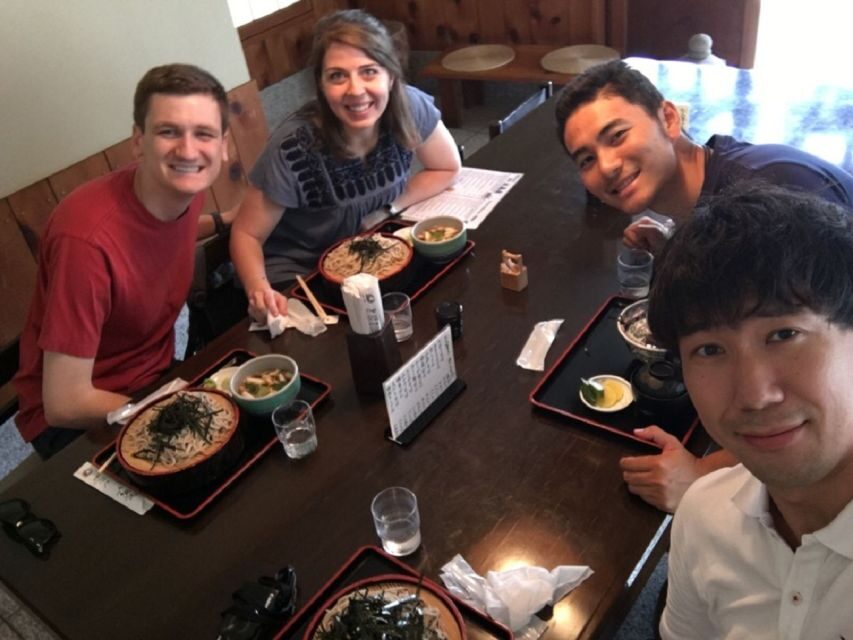
- Maneki-neko painting in an old-house café with a drink and sweet treat included
- Yanaka Ginza food sampling along a nostalgic shopping street
- Small-group size under 7 for questions, pacing, and personal attention
- English live guide who helps you read the neighborhood instead of just passing it
Entering Old Tokyo: Yanaka District starts at Nezu Station
The tour begins at Tokyo Metro Nezu Station, Exit 1, right outside on the street level. Your guide holds a red/orange sign that reads Magical Trip, so you’re not guessing. The location matters because Yanaka feels like a different Tokyo from the rush zones around Shibuya and Shinjuku. Instead of chasing skylines, you’re stepping into lanes where daily routines still set the rhythm.
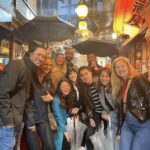
You’ve got a total length of about 210 minutes (3.5 hours). That’s long enough to feel like you left the tourist track, but short enough that the day doesn’t turn into a full-on endurance event. The group is limited to 7 people, which is a big deal here: you can ask questions, stop for photos without holding up a huge crowd, and actually hear what your guide is saying over the street noise.
Also, expect this to be a “look with your brain” kind of walk. Yanaka survived major events that reshaped Tokyo, and that resilience shows in the textures: older streets, older storefront shapes, and a calmer vibe. You’re not just viewing buildings. You’re learning how people use them.
You can also read our reviews of more walking tours in Tokyo

Nezu Shrine and the red torii photo run
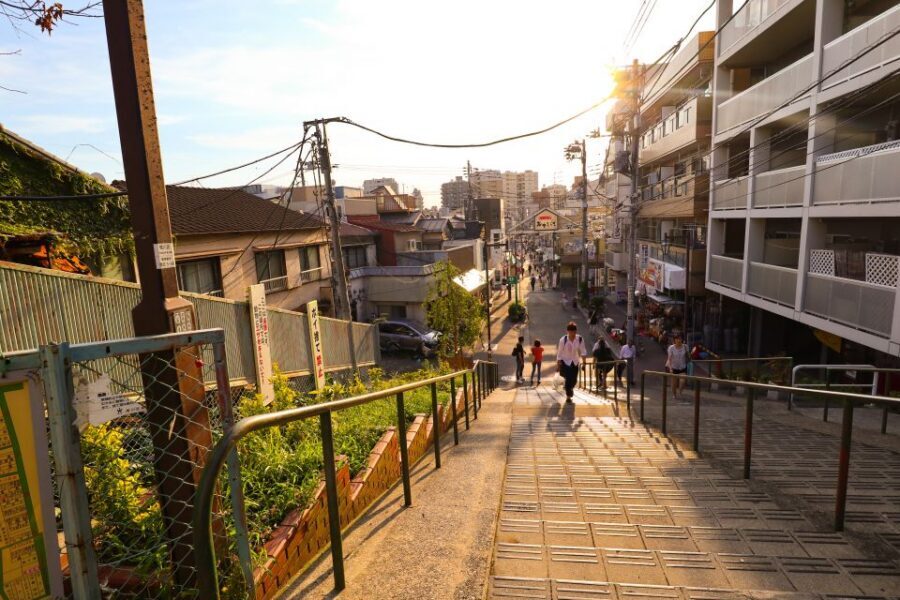
The tour’s first major stop is Nezu Shrine, allotted about 20 minutes. This is a high-value appointment on the itinerary because it hits two needs at once: a striking scene and a quick cultural framework.
Why this shrine stop is worth your time
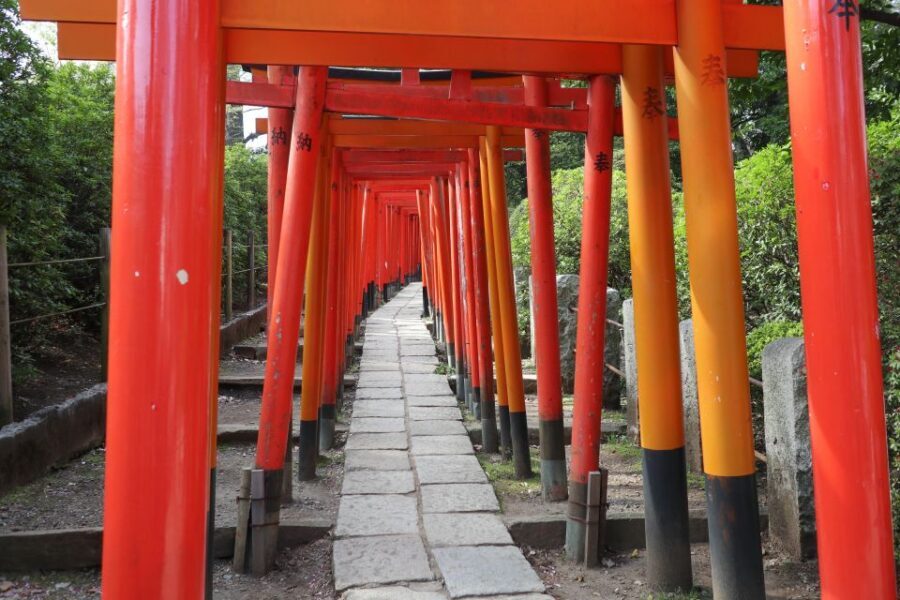
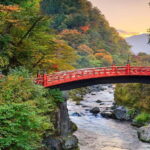
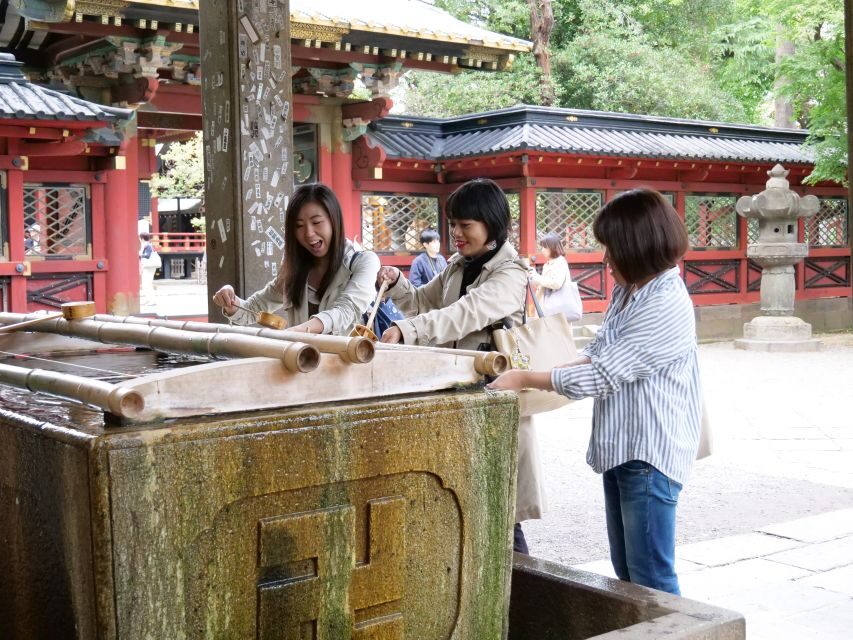
Nezu Shrine is described as the oldest in Tokyo, and the standout visual is the sequence of vibrant red torii gates. Even if you’re not a temple-and-shrine superfan, this part works because your guide helps you see what you’re looking at. You’re not just taking pictures; you’re learning traditional views on religion in Japan (Shinto), which changes how torii gates and shrine spaces make sense.
What to watch for in the shrine area
Plan to keep your eyes open for the “in-between” moments: small details on the approach path, the way the gates frame the yard, and how visitors move through the space. Those small cues are usually what get lost when you rush through alone.
Practical tip
Wear comfortable shoes. The terrain in older shrine areas often means uneven sidewalks and short stretches that add up when you’re also carrying your phone, water, and maybe a small snack in the pocket.
You can also read our reviews of more historical tours in Tokyo

Hebimichi market time: local snack energy you can actually follow
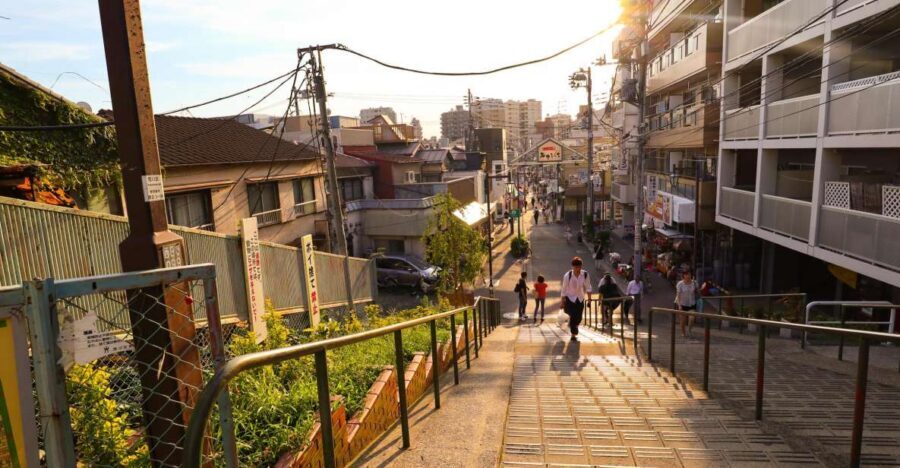
Next up is Hebimichi, with about 45 minutes here. This is one of the tour’s anchor experiences: you walk through a locals-only market tied to traditions that go back to the 1940s. That age matters, because it’s not a curated “market for tourists.” It’s the kind of street where shops still serve people who live nearby, day after day.
This is where the tour shifts from landmarks to “real life Tokyo.”
What makes the market segment work
A guide-led market walk is more than sampling. Your guide helps you understand what you’re seeing—what kinds of snacks people buy quickly, how stalls are set up, and what the street’s daily rhythm looks like. You get to feel the scale too: the market feels big because it’s doing what it was built to do.
Food and drink basics
Local snack and sweet tastings are included on the tour, but additional purchases aren’t included. You’re also told to bring cash, because many of these older shops don’t take credit cards. Think of it as a “small wallet” day. Keep a bit of cash accessible so you’re not doing awkward ATM detours mid-walk.
A possible bonus stop (day-dependent)
Some guides may add a quieter stop along the way—people have mentioned time around a small museum or a cemetery area depending on how the afternoon runs. That’s not something to bank on every day, but it’s a good sign that your guide isn’t stuck on a rigid script.
The old-house café break and Maneki-neko painting
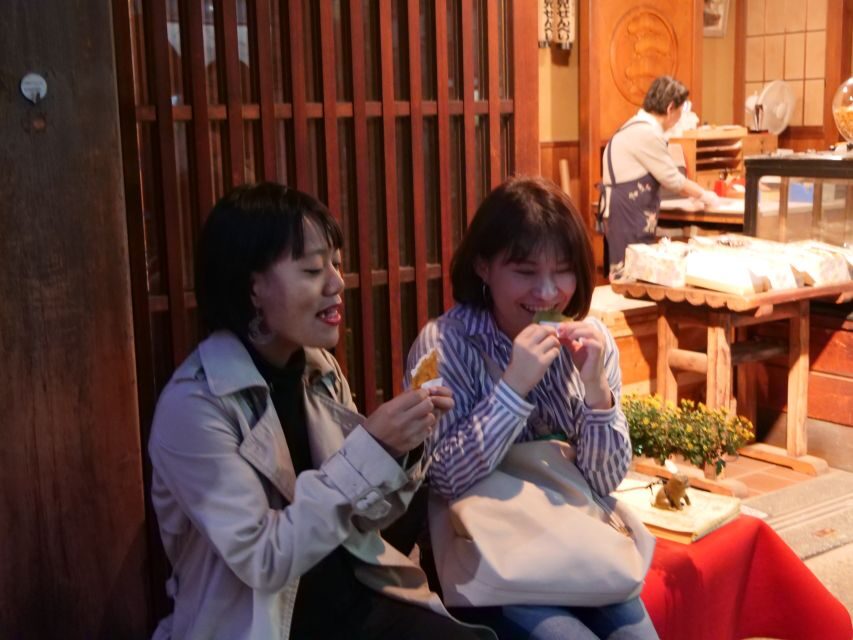
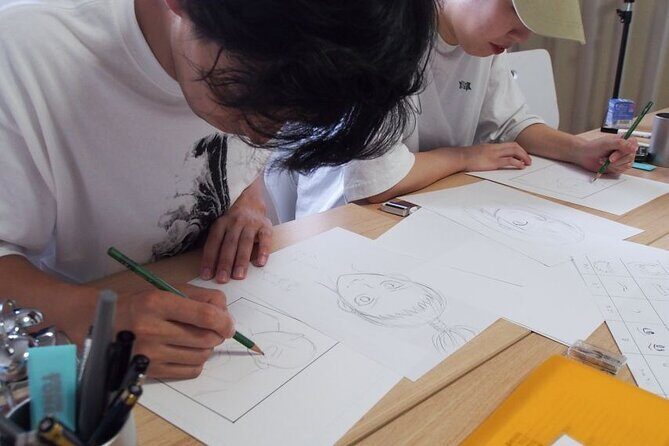
About 75 minutes are set aside for the café stop, and it’s one of the most relaxing parts of the entire afternoon. This isn’t just a sit-down-and-recover interlude. You get a drink and sweet treat plus a lucky cat craft experience where you paint your own Maneki-neko-style cat.
You’ll be working in a café setting described as an old house café, which is exactly what you want in Yanaka: a pause that feels like the neighborhood, not like a generic chain café break.
Why I love this midpoint activity
This painting step is smart because it breaks the walking into two clean halves. It also turns the tour from passive sightseeing into a small creation you’ll remember. And you get to chat with your group while you paint, which helps the group size feel friendly instead of awkward.
What you should expect from the craft
You’ll be painting a lucky cat statue—simple enough to enjoy without stress, but hands-on enough that you’re not just watching. People have also described the moment as a calming reset during hot weather, which makes sense: you’ll want a pause with shade and seated time.
Practical tip
Bring a little patience. Even in a small group, crafting takes time and people like to choose colors and get the details right. This is one of the areas where the tour feels unhurried, and that’s the point.
Yanaka Ginza lanes: food sampling and small-shop browsing
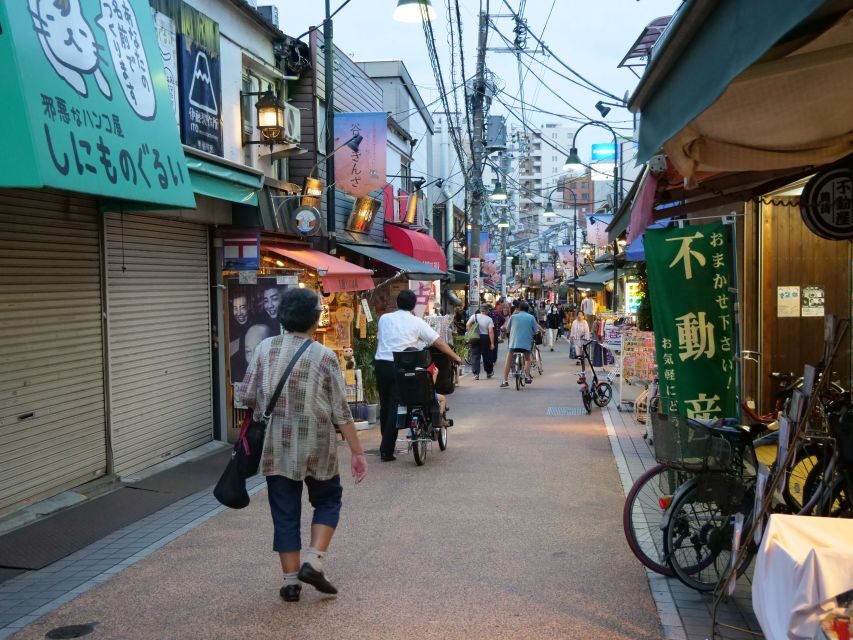
The final walking block is about 100 minutes in the Yanaka area, including time around Yanaka Ginza—a shopping street that represents the flavors of old Tokyo. This is your late-afternoon “taste and wander” stretch, with residential lanes, local shops, and stalls along the way.
What you’re really getting here
Yanaka Ginza isn’t just about buying souvenirs. It’s about seeing how everyday Tokyo snacks and goods work in a neighborhood setting. If you’ve been spending most of your trip on major city districts, this is the correction. The street feels nostalgic and retro, and the energy is slower. You’re not hunting for the loudest photo spot—you’re sampling things and noticing how people choose what they’ll eat later.
Food sampling included
You get delicious food sampling as part of the tour. That typically means small portions you can try without committing to one big meal. You’re told explicitly that additional food and drinks are available to purchase with cash, so you can keep snacking if something grabs you.
Shopping advice that actually helps
If you’re the type who buys gifts and snacks, I suggest doing that thinking last on this route. You’ll see the street later, after the rest of the walk has given you context for what feels authentic. Several people have noted that their guides point them toward handmade or local items worth bringing home. So keep your shopping open until you’ve seen what Yanaka is selling.
How the small-group English guide changes the whole feel
The tour is live and in English, and the group stays under 7 participants. That’s not a luxury feature here—it’s the main reason the experience feels personal and not like a conveyor belt.
In real terms, it means:
- You can ask follow-up questions about what you’re seeing at Nezu Shrine
- You can get route guidance through narrow streets and market lanes
- Your guide can adjust pacing so you’re not sprinting for the next photo
Guides you may get have included people like Ramesh, Mark, Masae, Kenji, Hina, and Yoko. The names matter less than the pattern: people highlight that the guides explain the area clearly, answer random questions, and help with practical travel advice beyond the walk. One recurring theme is that guides take pictures for the group and keep the mood light without turning it into a joke-tour.
Price, pace, and what to pack for a smooth afternoon
The cost is $79 per person for around 210 minutes. That price makes sense if you count what’s included: the guide, tour photos, a café drink and sweet treat, lucky cat painting, and local snack/sweet tastings. In other words, you’re not paying only for walking with a map. You’re paying for curated stops, cultural framing, and built-in activities that you’d otherwise have to plan and pay for separately.
Pace notes (read this before you go)
You’re walking through older neighborhoods and some areas that aren’t set up for wheelchairs or strollers. Even if you don’t have mobility issues, this is still a “comfortable shoes” tour. Reviews also hint that the time passes quickly when you’re stopping often for explanation and photos, so don’t plan tight connections right after.
Bring cash
You’re told to bring cash because many old shops don’t accept cards. You’ll have tastings included, but if you see something you want—snacks, small gifts, or extra drinks—you’ll want the option.
Weather reality check
Japan can swing hard. The tour info specifically flags summer heat up to 40°C (110°F) and winter lows down to -5°C (20°F). Dress in layers if you’re going in cooler months, and bring sun protection if it’s hot. One guide example included helping with shade during heat, which is the kind of practical care you can hope for, but you should still show up prepared.
Should you book this Yanaka historical walking tour?
Book it if you want Tokyo without the mega-crowd feel. I think this tour is ideal for people who like neighborhoods with character, want a real Shinto landmark context at Nezu Shrine, and enjoy food snacks more than formal sit-down meals.
Skip it (or at least reconsider) if you hate walking, need step-free access, or want a strictly wheelchair-friendly route. Also, if you’re hoping for an all-inclusive meal package with no cash needed, you’ll likely feel limited—this is very much a bring-cash, small-shop style day.
FAQ
Where does the tour start?
The meeting point is outside Tokyo Metro Nezu Station, Exit 1. Your guide will be standing just in front of the upstairs area and holding a red/orange sign that reads Magical Trip.
What is the duration of the Yanaka District walking tour?
The tour runs for about 210 minutes (3.5 hours).
How much does the tour cost?
The price is $79 per person.
Is the tour group small?
Yes. It’s a small group limited to 7 participants.
What’s included in the price?
Included are a walking tour with a local English guide, tour photos, 1 drink and sweet treat at a cafe, lucky cat craft/painting, and local snack and sweet food samples.
Do I need cash?
Yes. You’re asked to bring cash because many old shops don’t accept credit cards, and you may want to buy extra items beyond included tastings.
What should I wear?
Wear comfortable shoes and clothes, since it’s a walking tour.
Is the tour suitable for wheelchair users or strollers?
No. It’s listed as not suitable for people with mobility impairments and includes locations that are not accessible by wheelchair or stroller.
Are dietary restrictions or allergies guaranteed to be accommodated?
No. The tour info says they’re unable to guarantee allergy-free or that dietary restrictions can be fully catered to, since food prep may happen in kitchens not belonging to the tour operator.
Can I cancel for a refund?
Yes. The tour offers free cancellation up to 24 hours before the start time for a full refund.