REVIEW · TOKYO
Tokyo: Tsukiji Fish Market Food and Walking tour
Book on Viator →Operated by Traveling Tokyo · Bookable on Viator
Tsukiji is chaos. A good guide fixes that fast. This 2-hour food and walking tour pairs Tsukiji’s famous market energy with a calm temple stop, then lets you eat at your own rhythm thanks to a no set menu setup. I particularly like the fact that you choose what to taste instead of getting herded through a fixed lineup, and that the guide adds clear context on ingredients you’ll see in sushi and local dishes. One possible drawback: you start with a temple, so if you want nonstop eating from minute one, plan for a slower first stretch.
The pacing is also flexible, which matters in Tsukiji. You’ll walk the fish market area with time to sample what looks best that day, not just what fits a strict script. And because the group maxes out at 10, it stays easier to ask questions, including about what you should buy and what’s worth skipping.
You’ll meet at Starbucks Coffee near Tsukiji Station, and you’ll end back at the same spot. Since foods and drinks are not included, come ready to pay for samples with yen, and wear shoes you don’t mind standing in.
In This Review
- Key things I’d plan around on this Tsukiji tour
- Tsukiji in Two Hours: what you really get for $30
- Meeting at Tsukiji Station and how to keep the morning smooth
- Stop 1: Tsukiji Hongwanji Temple for a calmer start
- Tsukiji Fish Market: history, ingredients, and tasting without the guesswork
- Stop 3: Tsukiji Jogai Market street food energy, closer to everyday life
- The no set menu system: control your taste, control your spending
- What the guide role really changes (and why small groups help)
- What to expect on the ground: walking, standing, and market stamina
- Should you book this Tsukiji Fish Market walking tour?
- FAQ
- How long is the Tokyo Tsukiji Fish Market food and walking tour?
- What does the $30 ticket price include?
- Are foods and drinks included?
- Is there a set menu for the tastings?
- Where do we meet for the tour?
- How big is the group?
- Can I cancel for a refund?
Key things I’d plan around on this Tsukiji tour
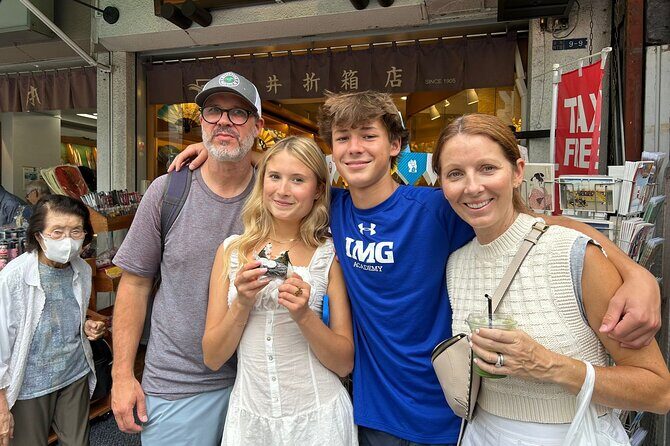
- No set menu tastings: you pick what you want to buy and eat
- Flexible pacing: the route adjusts to what the group wants to try
- Temple + market flow: Tsukiji Hongwanji Temple first, then the market rush
- Two market areas: Tsukiji Fish Market and Tsukiji Jogai Market street stalls
- Fresh tasting variety: seafood, fruit, Japanese omelets, fried fish cakes, and more
Tsukiji in Two Hours: what you really get for $30
For $30 per person, you’re paying for two things: a local English-speaking guide and entry/admission for three stops—Tsukiji Hongwanji Temple, Tsukiji Fish Market, and Tsukiji Jogai Market. That’s the core value. The actual food is on you, which can make or break your budget depending on how adventurous you get.
The best part is that this isn’t a rigid menu experience. It’s a guided walk that helps you navigate what to order, where to go, and how to make sense of a place that can feel overwhelming fast. Tsukiji can look like one giant maze of stalls, seafood displays, and people working at fast speed. With a guide, the chaos turns into a route—one you understand as you walk.
Also, Tsukiji is one of those areas where timing matters. You want to be there when stalls are active and the street-food rhythm is working. A two-hour format helps you do this without turning your morning into a half-day endurance test.
You can also read our reviews of more walking tours in Tokyo
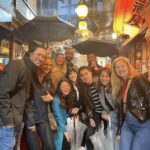
Meeting at Tsukiji Station and how to keep the morning smooth

The meeting point is Starbucks Coffee at Tsukiji Station, Chuo City, Tsukiji (with the specific building reference at 2-chōme). The tour ends back at the meeting point, so you’re not stuck trying to re-orient yourself afterward.
This is a near-public-transport kind of start, which is exactly what you want for Tsukiji. You’ll be walking a lot once you start, so it helps that you’re not committing to a long commute before the tour even begins.
One small tip that will save stress: bring cash before you get hungry. The tour includes admission, but foods and drinks aren’t included, and samples at market counters are typically paid directly as you order.
Finally, the tour uses a mobile ticket. That’s convenient for you because you’re not fumbling for paper while navigating a crowd.
Stop 1: Tsukiji Hongwanji Temple for a calmer start
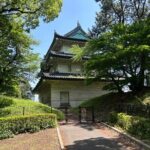
Your first stop is Tsukiji Hongwanji Temple (築地本願寺). You’ll spend about 30 minutes here, and admission is included.
Why begin at a temple? For one, it gives you a reset before the market gets intense. You’re not just walking into food mode—you’re getting context for the neighborhood and the rhythm of daily life around Tsukiji. The temple also brings a different kind of atmosphere: steadier, quieter, and a little more spacious than the market streets.
That said, there’s a clear tradeoff. Some people prefer a temple-free start because they want the first minutes to be pure tasting. If you’re in that camp, treat the temple as a short breather that helps you enjoy what comes next. It’s only 30 minutes, and then the route tightens back up around food.
Tsukiji Fish Market: history, ingredients, and tasting without the guesswork
Next comes the heart of the tour: Tsukiji Fish Market, about 1 hour. Admission is included, and your local Japanese English-speaking guide leads the walk.
This is where the tour earns its keep. Tsukiji Fish Market is famous, and not just for seafood. It’s tied to tuna auction culture and the broader history of the market district. Even if you’re not there to watch any auction moment, you still get the sense of how the market system works and why the area has shaped Japanese food culture for decades.
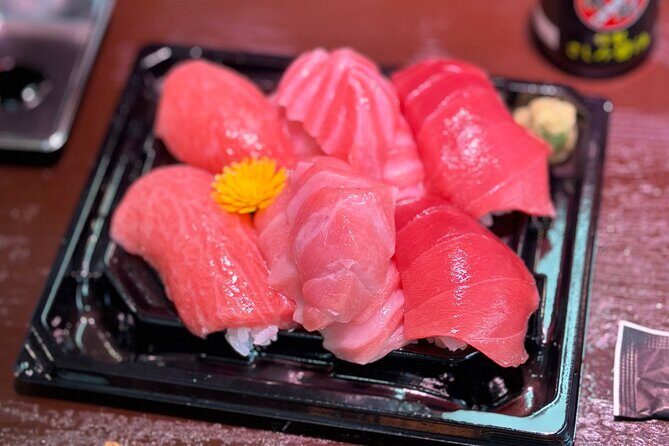
More importantly for you, this stop is set up for tasting decisions. Instead of being given a fixed set of items, you’re supported in choosing what to eat. The tour also talks about traditional ingredients used for sushi and local dishes, which helps you understand what you’re tasting instead of just collecting snacks.
Expect to see and sample items like:
- fresh seafood
- fruit
- Japanese omelets
- fried fish cakes
- and other market bites your guide recommends
This is also a place where a good guide can help you spot value. When counters are crowded and menus are simple, it’s easy to overpay or miss the best item that’s right next to it. The best guides focus on what’s worth your money and time—then steer you toward options that taste good and make sense.
Stop 3: Tsukiji Jogai Market street food energy, closer to everyday life
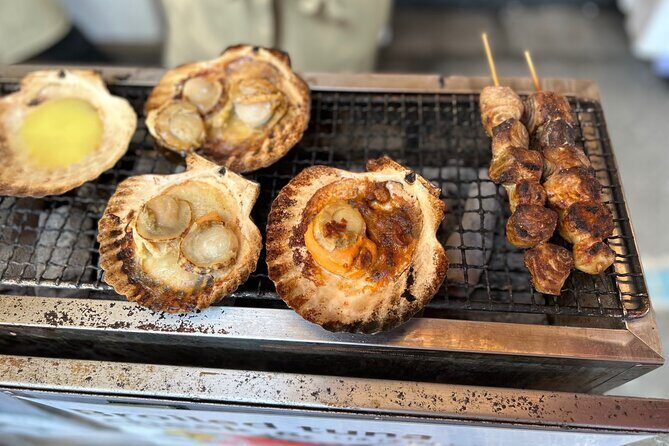
After the fish market area, you’ll head to Tsukiji Jogai Market for about 30 minutes. Admission is included again.
This section shifts the feeling from formal market workflow to street-food shopping and snack tasting. You’ll pass numerous stalls and shops with fresh seafood and Japanese street food. It’s a nice contrast: the Fish Market stop is more about the market’s identity and big-picture culture, while Jogai Market is where your taste buds start making faster decisions.
This is also where you can lean into the no set menu concept. You’re not locked into a single course plan. You’ll have room to adjust based on what you liked earlier, what looks freshest, and what your group wants to keep eating.
If you’re the type who likes variety—seafood one moment, a savory bite the next—this stop is built for you. It’s short enough to avoid fatigue, but long enough that you don’t feel rushed while ordering and eating.
You can also read our reviews of more food & drink experiences in Tokyo

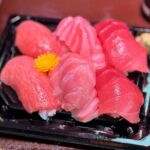

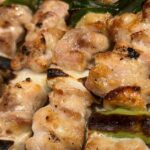
The no set menu system: control your taste, control your spending
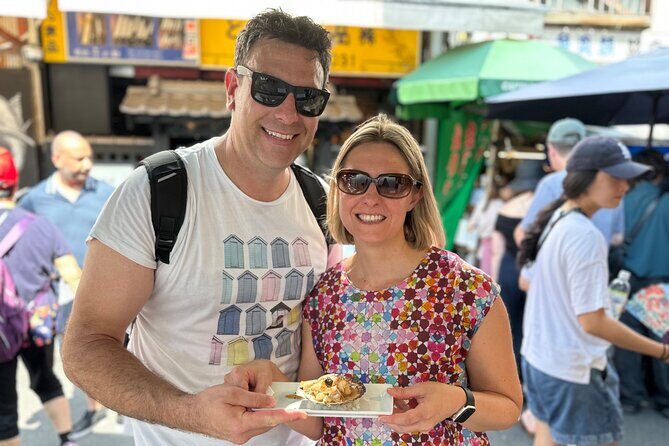
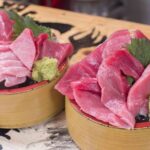
The tour is built around one simple promise: no set menu. You only choose and pay for the dishes you’d like to eat.
For you, that means flexibility. If your group wants fruit and light bites, you can lean that way. If you want richer seafood flavors, you can push the tasting basket in that direction. And if you’re curious about specific ingredients used in sushi, this format makes it easier to ask questions and then buy something you recognize.
For your wallet, it means you should plan ahead. Since foods and drinks are not included, the $30 tour price buys your guide, admissions, and access—not your meal. Many market tastings are paid at the stall, often in cash.
A practical approach:
- Bring enough yen to cover multiple small samples
- Don’t assume each stop will be one bite only
- If you’re trying something daring, expect it to cost more than simple snacks
If you go in thinking of this as a guided shopping-and-snacking route, you’ll be happier with the final total. If you go in thinking the $30 is a full meal, you might feel surprised.
What the guide role really changes (and why small groups help)
This tour has a maximum of 10 travelers. That’s not just a nice-to-have—it changes your whole experience.
In a small group, you can:
- move without getting split too much
- ask quick questions without waiting
- get help deciding what to buy
- keep up with the guide’s route in a tight crowd
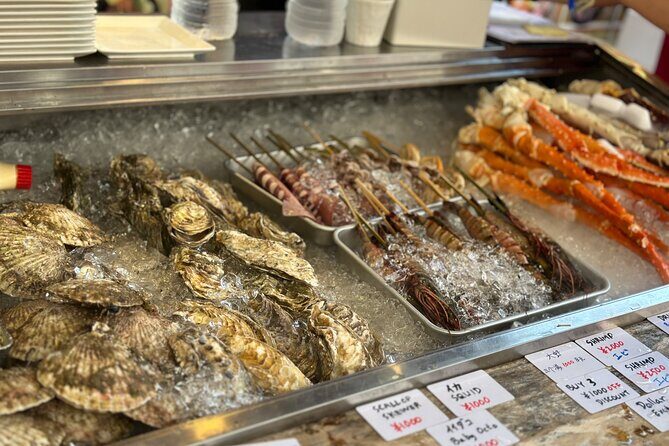
The guide also makes the market feel manageable. Tsukiji can be loud and crowded, with fast-moving people and constant visual noise from seafood displays. A guide helps you turn that into something you can navigate confidently. You’re also more likely to get practical advice on what to try, what’s a good deal, and what’s not worth the effort.
From the variety of guide styles shown in past tour experiences, the common thread seems to be encouragement. The best guides push you toward foods you might skip on your own, like bolder seafood choices, then guide you to the best ordering points. That’s a big part of the value: you leave with more than just photos—you leave with a taste story you understand.
What to expect on the ground: walking, standing, and market stamina
This is a walking tour with lots of standing. That means you should show up with comfortable shoes and expect your morning to be active even though the total duration is only about 2 hours.
The schedule is:
- 30 minutes at the temple
- 1 hour at Tsukiji Fish Market
- 30 minutes at Tsukiji Jogai Market
So you’re not constantly on the move every minute, but you are always in the market zone. If you’re prone to getting tired in crowds, pace yourself during tasting. Eat enough to stay energized, but don’t rush—market food is better when you can actually pay attention to flavor.
Also, keep an eye on how your group is doing. The tour uses a flexible schedule and pace based on what the group wants to see and try. If your group slows down for extra tastings, the guide can adjust the path. If your group wants to move faster, you can often keep things moving.
Service animals are allowed, and the meeting area is near public transportation—both make logistics simpler.
Should you book this Tsukiji Fish Market walking tour?
Book it if you want a guided Tsukiji experience that combines real food tasting choices with help navigating the area. It’s especially good value if you like eating your way through neighborhoods and you’re willing to pay for what you choose to sample.
Skip it or choose a different option if:
- you want a true all-included meal experience (this one isn’t)
- you strongly prefer zero temple stops at the start
- you dislike standing and crowd walking
My take: $30 is a fair entry fee for the guide and admissions, and the no set menu format makes the tour feel like your morning. If you go in with cash, comfortable shoes, and an open mind, this tour does a smart job turning Tsukiji from overwhelming into understandable.
FAQ
How long is the Tokyo Tsukiji Fish Market food and walking tour?
It runs for about 2 hours.
What does the $30 ticket price include?
The price includes a local Japanese English-speaking guide, entry/admission to Tsukiji Hongwanji Temple, Tsukiji Fish Market, and Tsukiji Jogai Market, plus learning about the history and culture of Tsukiji.
Are foods and drinks included?
No. Foods and drinks are not included, and you pay for what you choose to eat.
Is there a set menu for the tastings?
No set menu. You choose and pay only for the dishes you want to eat.
Where do we meet for the tour?
You meet at Starbucks Coffee – Tsukiji Station, Tokyo 104-0045, Chuo City, Tsukiji (Tsukiji 2-chōme).
How big is the group?
The tour has a maximum of 10 travelers.
Can I cancel for a refund?
Yes. Free cancellation is available up to 24 hours in advance for a full refund.