REVIEW · TOKYO
Tokyo: Imperial Palace and Shogun Historical Walking Tour
Book on Viator →Operated by Traveling Tokyo · Bookable on Viator
Tokyo’s royal grounds feel surprisingly calm. This Imperial Palace East Gardens walking tour pairs peaceful park paths with on-the-ground explanations of the Edo-era world that shaped the area, plus the kind of route that bus tours can struggle to deliver. The payoff is simple: you get to see the stone gates and garden highlights, and you also understand what you’re looking at.
I especially like the small group size (up to 15). It keeps the pace relaxed, and it means the guide can actually answer your questions as you walk. I also love the emphasis on guide commentary, since it turns a free-feeling park visit into a guided story about the imperial family and the shogun era.
One drawback to plan for: you need to show up on time at the exact Starbucks meetup. One missed handoff can cost you garden time, and closing hours can make that frustrating fast.
In This Review
- Key things you’ll notice right away
- Imperial Palace East Gardens: where Edo-era memory meets quiet green
- Getting there: Starbucks Kokyo Gaien meetup and transit-friendly start
- How the 2-hour small-group walk actually feels
- Stone gates, keep foundations, and the Edo Castle ruin story
- Ninomaru Garden ponds and seasonal flowers in the palace grounds
- What the guide adds: Emperor, shoguns, and modern Tokyo connections
- Price and value: $22 with included entry and a guided route
- Who should book this Imperial Palace and Shogun tour
- Should you book this Imperial Palace East Gardens walking tour?
- FAQ
- How much does the Tokyo Imperial Palace and Shogun Historical Walking Tour cost?
- About how long is the tour?
- Is the admission ticket included?
- What is the group size?
- Where do we meet for the tour?
- Is there a mobile ticket?
- Do I need to research Japanese history before going?
- Is it near public transportation?
- What should I expect to see on the walk?
- What is the cancellation policy?
Key things you’ll notice right away
- Max 15 people means more personal attention and fewer awkward group herds
- Admission ticket included lets you skip a step and focus on the walk
- Edo Castle ruin viewpoints give context you won’t get from a quick photo stop
- Guides like Blake, Jim, Miguel, Tony, and Aya bring the imperial and shogunate story to life
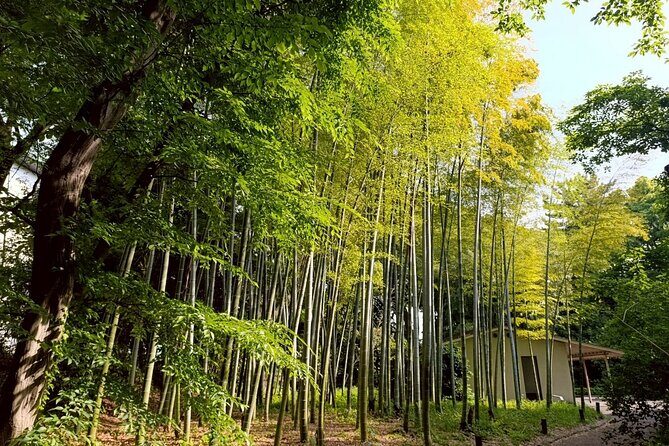
- Ninomaru Garden is part of the route, with seasonal flowers and tranquil ponds
Imperial Palace East Gardens: where Edo-era memory meets quiet green

The Imperial Palace East Gardens are the kind of place where Tokyo noise fades fast. In this tour, you’re not just strolling for scenery. You’re walking through the former space of Edo Castle’s power center, then into elegant gardens that reflect Japan’s imperial and samurai-era influence.
You’ll see the area in layers. First come the stone gates and the feel of old defenses in the remnants around you. Then you shift into garden calm—Ninomaru Garden is built around refined water and seasonal plantings, so the experience changes mood as you move.
One thing I like about this setup is that it keeps your attention on what matters. It’s easy to treat the grounds like a generic park if you go solo. With a guide, the details connect: what used to stand there, what the layout suggests, and why certain spots feel important even if the buildings themselves are gone.
You can also read our reviews of more walking tours in Tokyo


Getting there: Starbucks Kokyo Gaien meetup and transit-friendly start
The tour starts at Starbucks Coffee – Kokyo Gaien Wadakura Fountain Park, address listed as 3-1 Kōkyogaien, Chiyoda City. That’s an unusual but helpful anchor point: it’s easy to find compared to a moving target, and it gives you a clear meetup reference for your day.
The area is marked as near public transportation, so you can usually build the start into a wider Tokyo plan without wrestling with a complicated commute. Just give yourself extra minutes, because the tour begins at the scheduled time and groups need to move together once you’re inside.
A practical tip: before you head out, check your route to the exact Starbucks location, not just the neighborhood. There’s enough walking in the gardens that losing time at the start can shrink your experience quickly.
How the 2-hour small-group walk actually feels
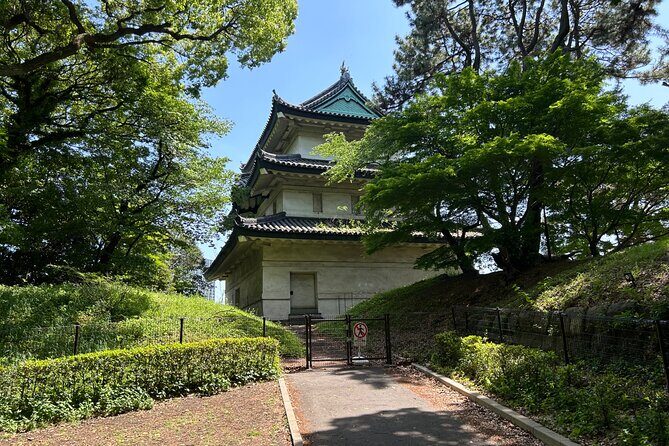
The tour runs about 2 hours and keeps you on foot. Most of the time is spent at the East Gardens portion (1 hour 30 minutes is stated for the included admission and main walking time), with the rest used for getting oriented and moving between key areas.
Because the group is capped at 15, the pace tends to be human. You’re not sprinting to hit checkboxes. You can slow down for questions, and you can linger when something catches your eye—especially at spots tied to the Edo Castle story.
If you’re the type who likes your tours structured but not rigid, this hits a sweet spot. The route is guided, but it still feels like a walk—less performance, more conversation.
Stone gates, keep foundations, and the Edo Castle ruin story
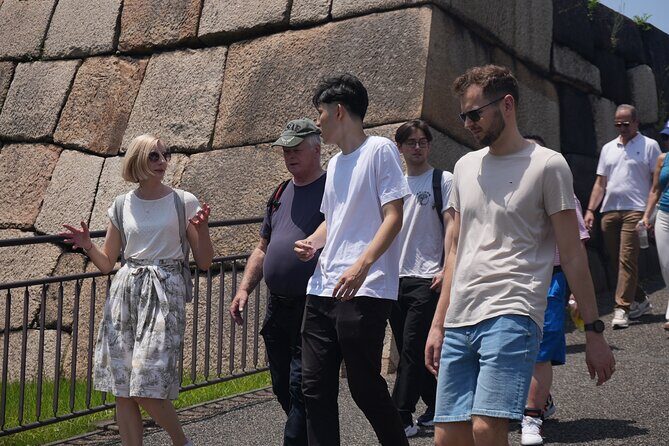
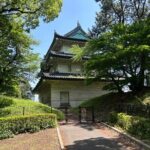
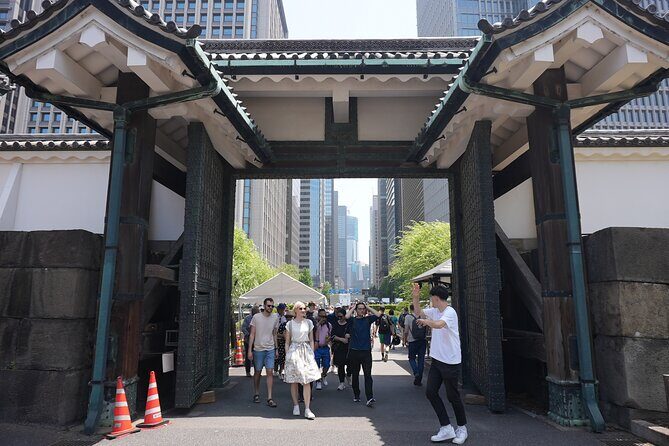
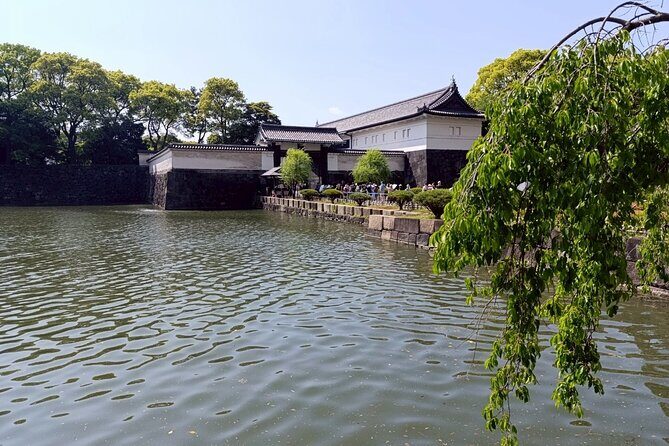
At the main stop, you’ll walk past stone gates and remnants of the towering castle walls that once defined Edo Castle. Even when you’re standing in a modern garden, the guides’ explanations help your brain rebuild the older scale of the place.
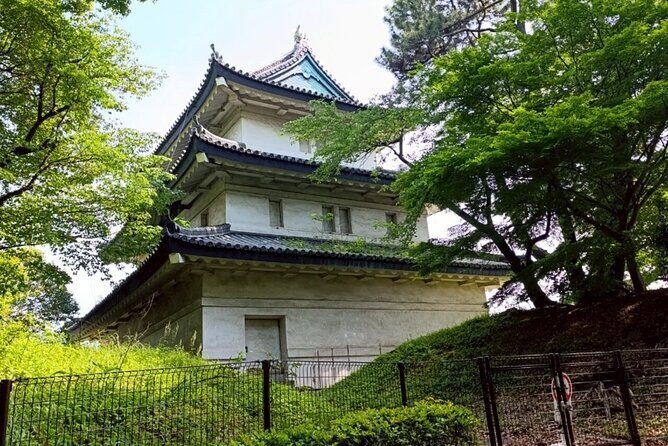
One of the most powerful moments is the chance to stand atop the foundation area of the castle keep and imagine what life looked like during the shogun and feudal-lord eras. You’re not just looking at shapes in stone. You’re learning how the space connected power, security, and ceremony.
This part of the tour also tends to include a lot of interpretation around the era shift—from shogunate rule into the imperial timeline, and how the physical layout reflects that change. Guides vary, but you’ll commonly hear themes tied to the shoguns, the imperial family, and how Edo-period Tokyo shaped later Japan.
Good to know: this is a walking tour. You should expect steady movement over garden paths, and some parts may include slopes. If you’re planning your day around this, build in time buffers rather than stacking back-to-back activities immediately after.
Ninomaru Garden ponds and seasonal flowers in the palace grounds

After the castle-ruin context, the tour flows into Ninomaru Garden, where the mood softens. This is where the experience becomes more than “history in the abstract.” You get the refined quiet of garden design—seasonal flowers, tranquil ponds, and carefully shaped views.
What makes this garden stop valuable is how it balances story with atmosphere. The guide’s commentary helps you understand why gardens weren’t just decoration. In these spaces, nature and design often served as part of the broader social and cultural language of the time.
If you like to photograph, this is often the easiest part to slow down for shots. The ponds and garden paths give you visual pause points. And since you’re walking with context, you’ll know what to look for instead of guessing which details are intentional.
You can also read our reviews of more historical tours in Tokyo


What the guide adds: Emperor, shoguns, and modern Tokyo connections
This tour is built around the idea that you shouldn’t have to do your own homework to enjoy the Imperial Palace East Gardens. The guide commentary covers the story—imperial family context, the Edo castle background, and the shogun-era realities that shaped how the area worked.
The guide quality is a clear theme in the feedback. Names that came up again and again include Blake, Jim, Miguel, Tony, John, Izzy, Lasse, Dylan, Michi, and Aya. People consistently singled out guides for being engaging, friendly, and good at connecting facts to what you can actually see in front of you.
Here’s what that means for you on the ground. When you pass a gate or a foundation line, you’ll likely hear not just dates, but meaning: what the space signals, how Japan’s leadership structure changed over time, and why certain garden choices feel purposeful. That kind of interpretation is hard to replicate if you’re wandering alone, even if you’re reading signs.
Also, ask questions. With a small group, you’re more likely to get a real back-and-forth than a one-way lecture. If you want the emperor-and-shogunate story explained in a way that matches how you think, this is one of those tours where you can steer the conversation a bit.
Price and value: $22 with included entry and a guided route
At $22 per person, this isn’t expensive for central Tokyo—especially because the admission ticket is included for the East Gardens portion. The tour is also positioned as a focused walk, not a big bus day trip, which matters when you’re trying to actually see the details rather than rush past them.
Now, you might notice that the Imperial Palace East Gardens can feel like something you could do on your own. Even so, paying for the guide is usually the difference between a quiet stroll and a memorable, understandable experience. In other words, you’re paying for route guidance plus context, not for access to something entirely out of reach.
If you enjoy history only when it comes with storytelling, this is a good match. If you only want photos and don’t care why anything matters, you’ll likely feel like you could save money. But for most people, the included admission plus the guided interpretation adds up to solid value.
Who should book this Imperial Palace and Shogun tour
This works best if you want a relaxed walking pace and you like learning while you go. It’s also a strong option early in your Tokyo trip, because it helps you build context for how modern Japan connects back to the imperial timeline and the shogunate period.
It’s also a good choice if you prefer smaller groups. With a cap at 15, you should feel like you’re part of the experience rather than stuck behind a crowd.
One caution: if you’re fragile on your feet, read your own comfort level carefully. It’s a walking tour through palace grounds and gardens, and some attendees referenced slopes. For most visitors it’s described as manageable, but plan accordingly.
Should you book this Imperial Palace East Gardens walking tour?
If you want to see Tokyo’s royal green space with a clear explanation of what you’re looking at, yes, book it. The mix of Edo Castle ruin foundations, stone-gate atmosphere, and Ninomaru Garden calm is a strong combination, and the small group setup makes the guide time feel worthwhile.
I’d skip it only if you’re strictly photo-only, hate walking, or you already have the story perfectly sorted and plan to self-guide without a need for interpretation. If you’re aiming for understanding in a couple hours, this is one of the more efficient ways to do it in central Tokyo.
FAQ
How much does the Tokyo Imperial Palace and Shogun Historical Walking Tour cost?
It costs $22.00 per person.
About how long is the tour?
The duration is listed as about 2 hours.
Is the admission ticket included?
Yes. An admission ticket for the East Gardens portion is included (listed as 1 hour 30 minutes).
What is the group size?
The tour has a maximum of 15 travelers.
Where do we meet for the tour?
The meeting point is Starbucks Coffee – Kokyo Gaien Wadakura Fountain Park, 3-1 Kōkyogaien, Chiyoda City, Tokyo 100-0002, Japan.
Is there a mobile ticket?
Yes. The tour uses a mobile ticket.
Do I need to research Japanese history before going?
No. The experience is designed so you can enjoy guide commentary and don’t need to research local history in advance.
Is it near public transportation?
Yes, it’s listed as near public transportation.
What should I expect to see on the walk?
You’ll explore the East Gardens of the Imperial Palace and the Edo Castle ruin areas, including stone gates, remnants of castle walls, and the Ninomaru Garden.
What is the cancellation policy?
There is free cancellation. You can cancel up to 24 hours in advance for a full refund. If you cancel less than 24 hours before, the amount paid is not refunded.