REVIEW · KAMAKURA
Exciting Kamakura – One Day Tour from Tokyo
Book on Viator →Operated by Fulfilling Inc. · Bookable on Viator
Kamakura is the calm antidote to Tokyo noise. This one-day tour is interesting because you get hotel pickup and drop-off plus a guide who keeps the day moving across major sights, not just one temple. I also like the private format, so you can ask questions as you go instead of waiting for a group. The main drawback to plan for is that it’s a full, walking-heavy day with train and local transport time built in.
You’ll spend your morning and afternoon on a tight temple-and-shrine route that mixes big-ticket landmarks with quieter garden spaces. If you catch it in early summer, the Hase-dera area is a big reason to go, especially for hydrangeas. And if you rely on English, it’s worth noting that guide English levels can vary a bit from person to person.
In This Review
- Key things I’d zero in on
- Entering Kamakura’s Big Sights (Without Wasting Your Day)
- Price and Logistics: What’s Included, What Costs Extra
- Getting From Tokyo: Hotel Pickup and a Guide Who Handles the Hard Parts
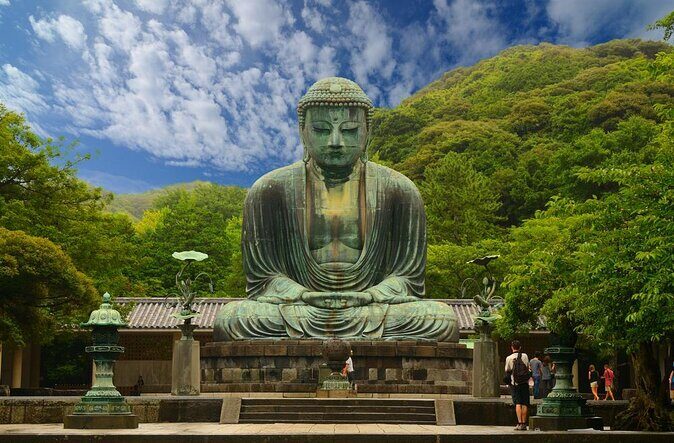
- Kotoku-in Great Buddha: The Landmark You Can Actually Feel
- Hase-dera Temple: Garden, Cave Shrine, and Pacific Views
- Hokoku-ji (Takedera Temple): Bamboo Forest Instead of Repeat Temples
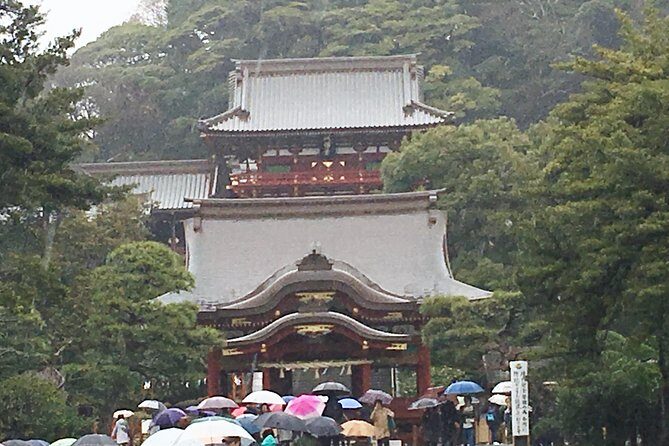
- Tsurugaoka Hachimangu Shrine: Shogun-Era Meaning at a Free Stop
- Lunch, Rest Stops, and Photo Time: What Your Guide Can Do
- How Much Walking Is Actually Involved?
- Should You Book This Kamakura Day Trip From Tokyo?
- FAQ
- What time does the Kamakura tour start?
- How long is the tour?
- Is hotel pickup and drop-off included?
- Is this tour private?
- Are entrance fees included in the price?
- What transportation costs are mentioned for the day?
- What physical condition is recommended?
- What is the cancellation policy?
Key things I’d zero in on
- Hotel pickup + drop-off keeps the day simple and cuts stress right away
- Private guide time means questions and pacing are easier to manage
- Four core stops hit the Great Buddha, Hase-dera, Hokoku-ji, and Tsurugaoka Hachimangu
- Seasonal payoff at Hase-dera with hydrangeas in June and July
- Easy-to-follow schedule helps you avoid getting stuck figuring out transport mid-day
Entering Kamakura’s Big Sights (Without Wasting Your Day)
Kamakura can be surprisingly hard to plan if you only have one day. You’ll find temple after temple along hills, near the coast, and along old approach roads. Without a plan, it’s easy to burn time on the “where do we go next?” question instead of actually seeing the places you came for.
That’s where this tour works. You start around 9:00 am, and the whole day runs about 8.5 hours. The structure is built around a short list of the area’s most recognizable temple/shrine stops, with enough guidance to keep you on track. You’re not getting rushed between random locations. Instead, the day is designed to connect sights that complement each other: a landmark Buddha, a garden-and-cave temple, a bamboo-forest temple, then a major shogunate-era shrine.
The best part for me is the human side: a private tour means your guide isn’t trying to manage 20 people. In practice, that shows up as direct answers and more flexible small adjustments if your group has questions or needs a moment to orient.
A few more Kamakura tours and experiences worth a look
Price and Logistics: What’s Included, What Costs Extra
Let’s talk value honestly. The tour price is $145.31 per person for about 8 hours 30 minutes of private guiding, with professional guide support and meeting in the hotel lobby.
But don’t ignore the add-ons, because they’re part of the real budget:
- Transportation cost: about ¥2,720 per person (listed separately)
- Entrance fees (not included):
- Kotoku-in (Great Buddha): ¥1,100 per person
- Hase-dera: ¥400 per person
- Hokoku-ji (Takedera Temple): ¥300 per person
- Tsurugaoka Hachimangu Shrine: free
When you add those up, you’ll see why this doesn’t feel like a “cheap” tour. Still, it can be good value if you treat it like time-saving. You’re paying for:
- someone to coordinate the route,
- help with movement through the day,
- and context at each stop so you don’t just take photos—you understand what you’re looking at.
If your group prefers maximum independence and you don’t need historical commentary, you can probably do Kamakura on your own. But if you want a well-paced highlights route without the planning headaches, this is the kind of day-trip structure that can make the money feel worth it.
Getting From Tokyo: Hotel Pickup and a Guide Who Handles the Hard Parts
The day starts with hotel pickup and ends with drop-off, which is a big deal in Tokyo. Not having to coordinate trains right at the start gives your group a calmer beginning.
You’ll also appreciate the guide support once you’re en route. In the feedback for this experience, guides frequently help with practical transit issues—things like figuring out where to go in busy stations and even getting transit cards working smoothly for the rides. That sort of help matters more than it sounds, because rail navigation in Tokyo and Kanagawa can feel like a puzzle if you’re tired.
One more practical point: this is a private tour/activity, so you won’t be waiting for other groups to catch up. That usually means less standing around and more “go-time,” which helps when your schedule is tight.
Kotoku-in Great Buddha: The Landmark You Can Actually Feel
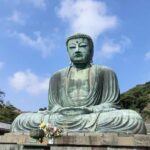
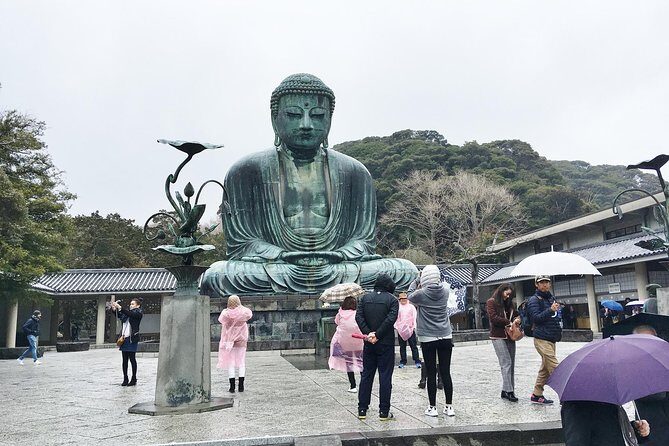
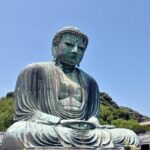
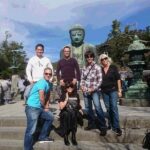
Stop one is Kotoku-in, home of the Great Buddha of Kamakura. The site is associated with a major construction period in the 13th century, and it’s widely treated as Kamakura’s “start here” monument.
What makes Kotoku-in a strong first stop is the visual impact. Even if you’ve seen Buddhist statues before, this one has a scale that hits fast. It’s also the kind of place where context changes everything: you’re not just looking at an old sculpture, you’re seeing why Kamakura became a magnet for faith and culture.
A helpful detail to know: some people report being able to walk inside the Buddha area at Kotoku-in. If you’re claustrophobic, treat that as a personal caution. You can skip it and still enjoy the site, but it’s good to know it exists so you can choose comfortably.
Expect the entrance fee here to be one of the larger ones on the route. Plan for the yen and keep it easy.
Hase-dera Temple: Garden, Cave Shrine, and Pacific Views
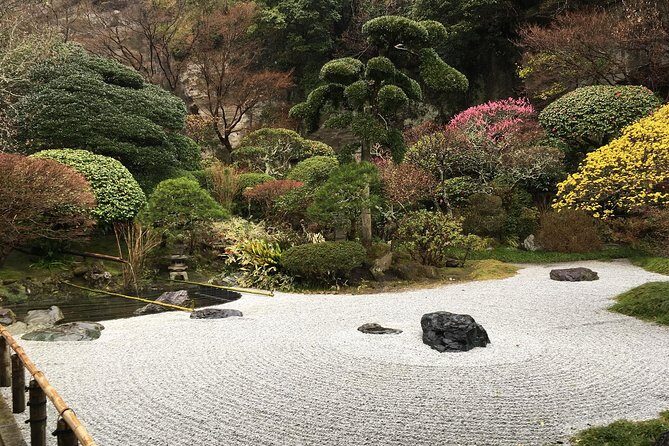
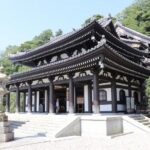
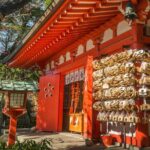
Next up is Hase-dera Temple, one of Kamakura’s most beloved spiritual spots. It’s described as dating back to the 8th century, and it’s the kind of temple that doesn’t rely only on one object. You get multiple “wow” angles in one place.
Here’s what you can look forward to at Hase-dera:
- a Japanese garden
- Buddha statues
- a cave shrine
- and views toward the Pacific Ocean
This stop is also the seasonal star. In June and July, the hydrangeas are a major draw. If your trip lines up with that season, this is where the day turns into a memory. Even if hydrangeas aren’t in bloom when you go, the garden layout plus the ocean-facing setting gives Hase-dera its calm, coastal feel.
One caution: this is not a “sit down and snack” stop. It’s a temple day, which means more walking and stair-style paths than you might expect. The tour is still moderate in physical demand overall, but your shoes should be comfortable. A guide can help you follow the best route through the grounds without wasting steps.
Hokoku-ji (Takedera Temple): Bamboo Forest Instead of Repeat Temples
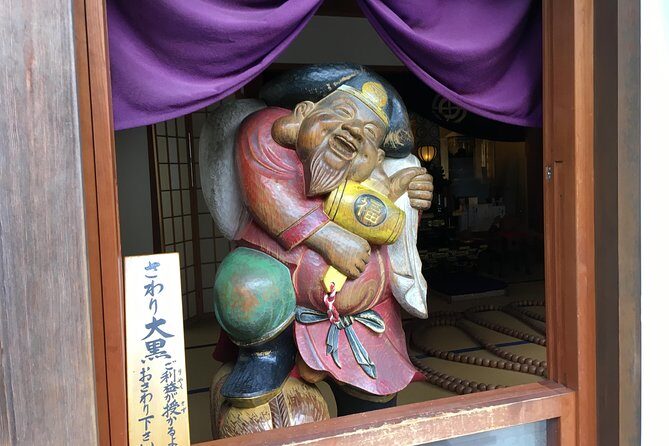
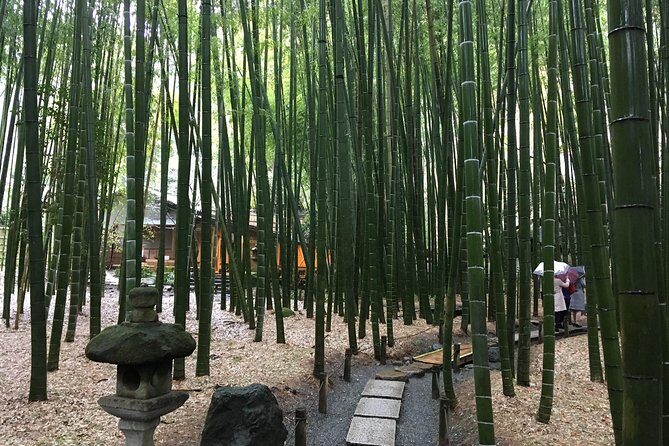
Then you switch gears at Hokoku-ji, also known as Takedera Temple. This is where the route becomes more interesting because it’s not trying to repeat the same temple format you already saw at the Great Buddha.
Hokoku-ji is described as dating to the 14th century, and the signature feature is the bamboo forest. Bamboo temples are special because the experience is environmental. You don’t just read plaques; you feel the shift in light and sound as you move through the bamboo area.
Entrance fee here is listed as ¥300 per person, which keeps the overall day from getting too expensive at the smaller stops. If you’re someone who gets “temple fatigue” (totally normal), Hokoku-ji is a nice counterbalance. It changes the sensory experience without straying from the spiritual theme.
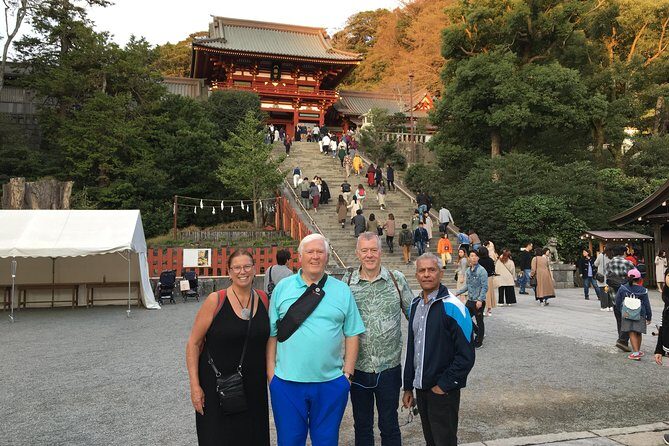
Tsurugaoka Hachimangu Shrine: Shogun-Era Meaning at a Free Stop
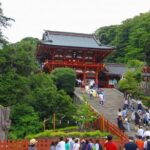
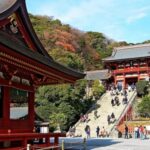
The final major stop is Tsurugaoka Hachimangu Shrine, and it’s also one of the best “big finish” locations because it’s central to Kamakura’s identity.
You’ll hear how the shrine functioned as the official guardian shrine of the Kamakura shogunate, and how worship connected to warriors and military power. That political context matters. Without it, the shrine can feel like just another beautiful shrine. With it, you see how Kamakura’s medieval power structure shaped religious life.
The best part for value: Tsurugaoka Hachimangu is free. You don’t pay a ticket fee here, so you can spend that money elsewhere (like snacks, souvenirs, or simply keeping your energy up).
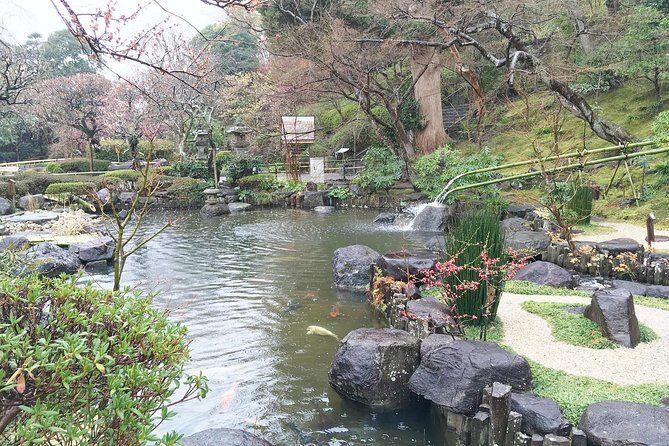
Also, some visitors note pond details and peaceful garden elements around the shrine area, including lotus and carp. If that’s your taste—quiet water, calm walking, and photo opportunities—this stop is a nice way to end the day.
Lunch, Rest Stops, and Photo Time: What Your Guide Can Do
This tour includes guiding, not lunch. But the practical reality is that your guide can help you solve the lunch problem fast.
In the experiences shared by English-speaking guests, guides often do one or more of these things:
- recommend a nearby lunch spot at a convenient moment,
- help with dietary needs (including gluten-free needs in at least one case),
- and adjust the timing so lunch doesn’t derail the route.
You might end up eating regional comfort food like noodles or okonomiyaki, depending on what’s open and what the guide suggests. If you have a dietary restriction, say so early—before you’re starving. That’s the best way to maximize your odds of a good match.
Photo-wise, the route is built for it: the Great Buddha area for iconic scale, Hase-dera for gardens plus ocean views, bamboo for a more atmospheric shot, and Tsurugaoka for the shrine setting. Just remember: the day is timed, so take photos as you move rather than trying to “stand still” for long stretches.
How Much Walking Is Actually Involved?
This is where you should be realistic. The route includes multiple temple approaches, and the day is packed: four major sites in about 8.5 hours plus transport time.
Some people describe Kamakura as steps-heavy, and that lines up with what you should expect from coastal hill-temple layouts. The tour notes moderate physical fitness is recommended. That usually means: you don’t need to be an athlete, but you should be ready for steady walking and stairs.
If you have mobility limits, tell your guide on the day so they can help you choose the easiest routes through each stop. Private format helps here because you can communicate without slowing everyone else down.
Should You Book This Kamakura Day Trip From Tokyo?
You should strongly consider booking if:
- you want a highlights route without spending your morning planning,
- you value history and site context at each stop (not just photos),
- and you like the comfort of hotel pickup and drop-off.
It may not be the best fit if:
- you want a totally unstructured day and don’t want to follow a set route,
- your group needs very consistent language support, since guide English ability can vary,
- or you hate walking and prefer fewer stops.
My simple decision rule: if you’re thinking, I’d rather pay to reduce stress, book it. If you’re thinking, we’re happy to navigate trains and temples on our own, you can probably DIY. But if you want Kamakura in one smart day—this route does it.
FAQ
What time does the Kamakura tour start?
The tour starts at 9:00 am.
How long is the tour?
The duration is about 8 hours 30 minutes.
Is hotel pickup and drop-off included?
Yes. The tour includes meeting in the hotel lobby, plus pickup and drop-off.
Is this tour private?
Yes. It’s a private tour/activity, so only your group participates.
Are entrance fees included in the price?
No. Entrance fees are not included, including Kotoku-in, Hase-dera, and Hokoku-ji. Tsurugaoka Hachimangu Shrine is listed as free.
What transportation costs are mentioned for the day?
Your transportation cost is listed as about ¥2,720 per person.
What physical condition is recommended?
Travelers should have moderate physical fitness level.
What is the cancellation policy?
Free cancellation is available up to 24 hours in advance for a full refund. If you cancel less than 24 hours before the start time, the amount paid is not refunded.