REVIEW · KAMAKURA
When Emperors Reigned and Shoguns Ruled
Book on Viator →Operated by Samurai Phototours · Bookable on Viator
Kamakura feels like time travel on foot. I love how this private tour turns famous landmarks into a clear story of the Kamakura Period, from shogunate power to Zen Buddhism, and Virgil will snap photos of you as you go.
photographer guide
What I liked even more was the small-group pace and the way you can ask questions without feeling rushed. You’ll focus on major stops with context—samurai rule, the shogunate government, and why Buddhism mattered in daily life.
One thing to plan for: not every site’s entrance is included, especially Kotoku-in and Hasedera, so budget a little extra on the day. Also, it’s still a walking tour, so comfortable shoes matter.
In This Review
- Key Things That Make This Tour Worth Your Time
- Kamakura Period Power You Can See, Not Just Read
- Price and What $108.99 Buys You in Real Terms
- The Simple Route: From Kamakura Station to Hase Station
- Working With Virgil: Photos, Stories, and a Pace That Fits You
- Stop 1 and 2: Wakamiya Main Street and Tsurugaoka Hachimangu
- Stop 3: Komachidori Shopping Street Without Losing the Thread
- Stop 4: Kotoku-in Great Buddha (Budget the Entrance Fee)
- Stop 5: Hasedera Temple and the 11-Headed Kannon
- What’s Not Included (and How to Handle It Like a Pro)
- Rain, Crowds, and Other Real-Life Day Factors
- Who This Tour Fits Best (and Who Might Want Another Option)
- Should You Book This Kamakura Photographer-Led Walk?
- FAQ
- What’s the duration of this Kamakura tour?
- Is this a private tour?
- How big is the group?
- Where do we meet, and where does it end?
- What are the main stops included?
- Are admission tickets included?
- Is the guide also a photographer?
- Is food included?
- What’s the cancellation policy?
- How early should I book?
Key Things That Make This Tour Worth Your Time
- Virgil as your photo guide: he helps you frame shots and keeps the day moving at a human pace
- Kamakura Period focus (1185–1333): you learn what changed and why, not just where to stand
- Free entry for several big stops: Wakamiya Main Street, Tsurugaoka Hachimangu, and Komachidori cost you $0
- A practical station-to-station route: start at Kamakura Station and end at Hase Station for an easy follow-on day
- Choose your start time: several departure times let you match the day’s crowds and your energy
Kamakura Period Power You Can See, Not Just Read
This tour is built around the Kamakura Period, when the shogunate system took hold and samurai influence shaped government and culture (1185–1333). The payoff is that the places you visit start to feel connected instead of random stops on a list.
You’ll also see how Zen Buddhism’s rise connects to temples, statues, gardens, and the way people practiced devotion over centuries. That lens matters because Kamakura isn’t only scenery—it’s a working story of belief and rule.
You can also read our reviews of more tours and experiences in Kamakura.
Price and What $108.99 Buys You in Real Terms
At $108.99 per person for about four hours, the price can make sense when you look at what’s included. You get a local guide, a professional photographer guide (Virgil), and a tour escort/host—plus a private format for your group.
Most of the major walking stops are free to enter, which helps stretch value. The main trade-off is that two key temples have admissions not included, so your final “all-in” cost may rise depending on what you choose to enter.
Also, this activity is booked fairly far in advance on average (71 days). If you have a tight schedule, pick your time early, especially for weekends.
The Simple Route: From Kamakura Station to Hase Station
Logistically, this is one of the easier Kamakura tours because it runs between stations. You start at Kamakura Station (Onarimachi area) and end at Hase Station on the Enoden Line, so you’re not backtracking across town.
It’s also near public transportation, and the tour confirms at booking time. That matters because Kamakura days can hinge on train timing, and you’ll appreciate the clean start and finish.
And yes, it’s private: only your group joins you. The tour is sized for single travelers to groups up to eight people, which keeps the day flexible without feeling chaotic.
Working With Virgil: Photos, Stories, and a Pace That Fits You
The biggest practical win for me is the way the tour handles pacing. With a private group, you don’t get stuck rushing through each stop just to meet a schedule—so you can slow down for questions, viewpoints, and photos.
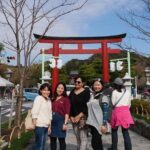
Virgil stands out for two reasons from what you can expect on the day. First, he’s set up as a photographer guide, so he’s ready to take photos of you rather than making you manage solo pictures. Second, he guides with context—he doesn’t just point at sights, he explains what you’re looking at and how it connects to the broader Kamakura story.
One more plus: he speaks English very well, and he also speaks Spanish. If you’re traveling with language preferences, that’s a nice safety net.
Stop 1 and 2: Wakamiya Main Street and Tsurugaoka Hachimangu
You’ll start with a scenic walk along Wakamiya Main Street. This is where you get your first feel for modern Kamakura while still gearing up for the historical anchor that follows. The stop is about 20 minutes, and admission there is free.
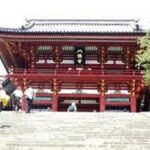
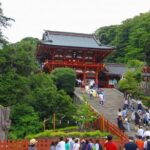
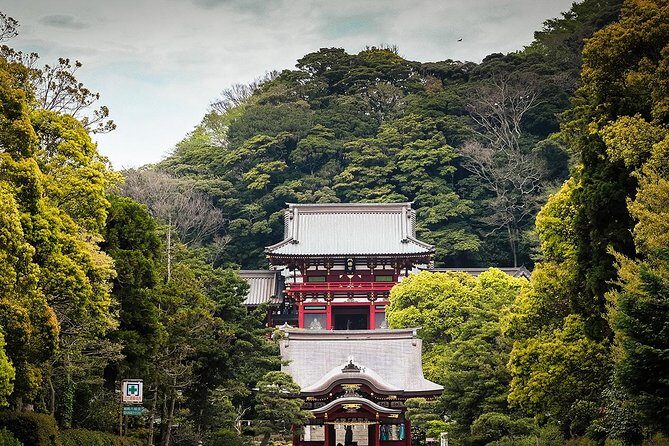
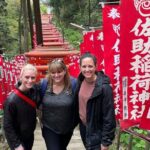
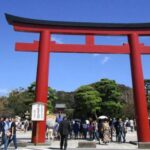
Next comes Tsurugaoka Hachimangu Shrine, built by Minamoto Yoritomo in the 12th century and one of Japan’s most important Shinto shrines. Expect around 50 minutes here, with free admission, and time to absorb what the shrine symbolizes in the story of Kamakura’s rise.
Practical tip: this area can attract crowds, so if you’re choosing among start times, pick the one that matches your crowd comfort level. An earlier time often helps, but day-to-day conditions can vary.
Stop 3: Komachidori Shopping Street Without Losing the Thread
After temples and sacred spaces, Komachidori is where you see Kamakura as it is now. The tour includes about 50 minutes on the shopping street, lined with stalls and shops selling sweets, snacks, and souvenirs.
This stop is valuable because it breaks up the “only history” feeling. You get a chance to snack, browse, and take in everyday coastal-city energy without turning the day into a shopping-only mission.
A small drawback: since the tour is structured, you won’t have endless wandering time here. If you’re serious about shopping, keep a list of what you want so you can grab it within the allotted window.
Stop 4: Kotoku-in Great Buddha (Budget the Entrance Fee)
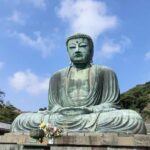
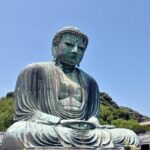
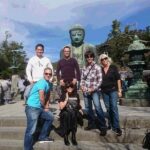
Kotoku-in is the stop that people recognize fast: the Great Buddha of Kamakura. You’ll spend about 40 minutes there, and admission is not included.
Even if you’ve seen Buddha statues elsewhere, the scale and age make this one feel special. The tour frames it in a way that helps you see the statue as more than a postcard—think of it as devotion carried across generations.
Because admission isn’t included, plan for an extra payment on the day. If you want to stay on budget, set aside some cash or card margin before you start walking.
Stop 5: Hasedera Temple and the 11-Headed Kannon
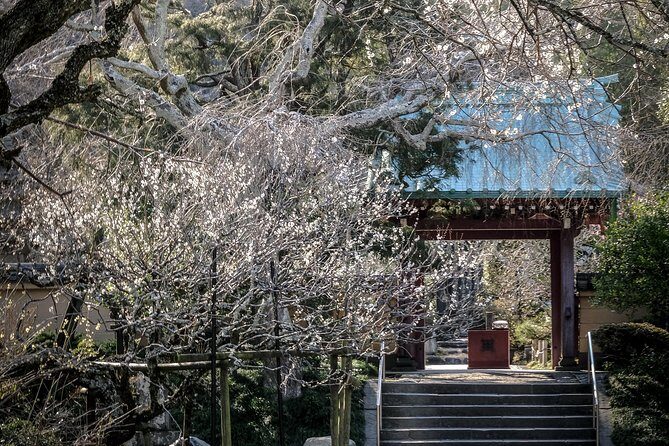
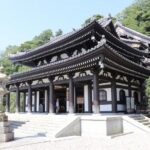
The final major stop is Hasedera Temple, with about 1 hour 20 minutes allotted. Admission is also not included here, and the setting makes it easy to understand why temples are more than buildings.
Hasedera spreads across multiple levels and includes gardens, ponds, caves, and an ancient statue of Kannon—specifically described as the Goddess of Mercy with 11 heads. This is the kind of stop where the structure of the grounds matters: as you move up and around, your view changes, and you feel the place instead of just looking at it.
The tour’s historical lens also helps you connect the dots between Kamakura-era Buddhism and what pilgrims may have been seeking. It’s a strong finale because it combines atmosphere with meaning.
Practical tip: count on steps and uneven ground. If your legs are sensitive, wear supportive shoes and go at your own pace—private tour means you should.
What’s Not Included (and How to Handle It Like a Pro)
Food and drinks are not included. You’ll pass through Komachidori, where snacks are common, but the tour won’t provide meals—so you’ll want a plan for energy.
Transportation to and from attractions isn’t included either. The good news is that the meeting and ending stations are set, and the route is near public transport. You still need to handle your train rides on your schedule.
Also, two admissions are not included. So I’d treat this as a “mostly covered” tour with a couple of predictable extras rather than a fully all-in ticket bundle.
Rain, Crowds, and Other Real-Life Day Factors
Kamakura isn’t always cooperative with weather, and parts of this experience are outdoors. If it rains, you’ll still keep moving through streets and shrine grounds, so bring a small umbrella or light rain layer.
Crowds can also show up, especially around major shrines and shopping streets. The private format helps because you’re not stuck behind a huge group in the same way, and Virgil’s ability to navigate the day makes the route feel smoother.
Who This Tour Fits Best (and Who Might Want Another Option)
This works especially well if you want more than photos and basic facts. The Kamakura Period angle is ideal if you like history that connects to what you’re seeing right now.
It’s also a great match for:
- single travelers who want company without joining a big bus group
- people who care about photo help (Virgil actively takes shots for you)
- families or groups who want questions answered at a comfortable pace
If you’re the type who prefers purely self-guided wandering with zero structure, you might find the time limits at each stop a bit confining. But if you want a clear plan with flexibility, it hits a nice balance.
Should You Book This Kamakura Photographer-Led Walk?
I’d book it if you want a guided day that ties Kamakura’s big sites to the Kamakura Period story—without turning your afternoon into a sprint. The combination of private group size, free admissions for several major stops, and Virgil’s photo support makes the value feel practical.
One more reason: you can choose a start time from several options, which helps you shape the day around your energy and crowd tolerance. If weather or plans change, you also have the option of free cancellation up to 24 hours before the experience starts.
If you’re coming to Kamakura for the main temples and want them explained in plain language (with photos handled), this is a strong way to spend your time.
FAQ
What’s the duration of this Kamakura tour?
It’s listed as about 4 hours.
Is this a private tour?
Yes. Only your group participates.
How big is the group?
The experience is designed for groups of up to eight people, and it’s also a good fit for single travelers.
Where do we meet, and where does it end?
You start at Kamakura Station (Onarimachi area). You end at Hase Station on the Enoden Line.
What are the main stops included?
The tour includes Wakamiya Main Street, Tsurugaoka Hachimangu Shrine, Kamakura Komachidori, Kotoku-in (Great Buddha), and Hasedera Temple.
Are admission tickets included?
Admissions are free for Wakamiya Main Street, Tsurugaoka Hachimangu Shrine, and Kamakura Komachidori. Admission is not included for Kotoku-in and Hasedera Temple.
Is the guide also a photographer?
Yes. The experience includes a professional photographer guide who can snap photos of you.
Is food included?
No. Food and drinks are not included, and there’s no lunch provided.
What’s the cancellation policy?
You can cancel for a full refund up to 24 hours before the experience starts. If you cancel less than 24 hours before, the amount paid is not refunded.
How early should I book?
On average, it’s booked about 71 days in advance, so booking early is smart if your dates are fixed.