REVIEW · KAMAKURA
Kamakura: Private Guided Walking Tour with Local Guide
Book on GetYourGuide →Operated by JGA Inc. · Bookable on GetYourGuide
Kamakura hits you fast, on foot. What makes this private guided walking tour worth it is the mix of big, iconic sights and small moments you’d skip alone, all shaped by a nationally licensed guide. I especially loved two things: getting to enter the Great Buddha (you’re not just looking at it from outside) and having the route adjusted to your interests, whether you want more shrines, fewer crowds, or more time for photos.
One consideration: you’ll still handle entrance fees and between-site transport costs (Japanese Yen needed), since food, drinks, and site tickets aren’t included in the price.
In This Review
- Key points I’d plan around
- Why Kamakura works best as a guided walking day
- Entering the Great Buddha: the scale you can’t fake
- Hase-dera gardens: hydrangeas in June, beauty year-round
- Zeniarai Benten: a legend you can actually perform
- Hokoku-ji’s bamboo forest and matcha with a view
- How the day stays flexible (and why it matters)
- What you’ll likely see beyond the headline stops
- Price and what $106 really buys you
- Pickup, getting around, and the Yen you’ll want handy
- Guide quality is the whole show
- Who should book this Kamakura private walking tour?
- Should you book this tour?
- FAQ
- How long is the Kamakura private guided walking tour?
- Is this tour private?
- What languages are the guides?
- What major sights does the tour include?
- Are entrance fees included?
- Are food and drinks included?
- Do I need money for transportation during the tour?
- Is the tour wheelchair accessible?
Key points I’d plan around
- Inside access to the Great Buddha means the day feels more real than a photo stop
- Hase-dera gardens are a highlight, with hydrangeas blooming around June (40 varieties, about 2,500 flowers)
- Zeniarai Benten includes a famous money-washing legend tied to the spring water
- Hokoku-ji’s bamboo forest garden pairs well with a matcha break and quiet atmosphere
- English or Japanese guidance from a nationally licensed Tour Guide-Interpreter (government certification)
- Your pace and route are flexible, and guides often route around crowds and closures
Why Kamakura works best as a guided walking day
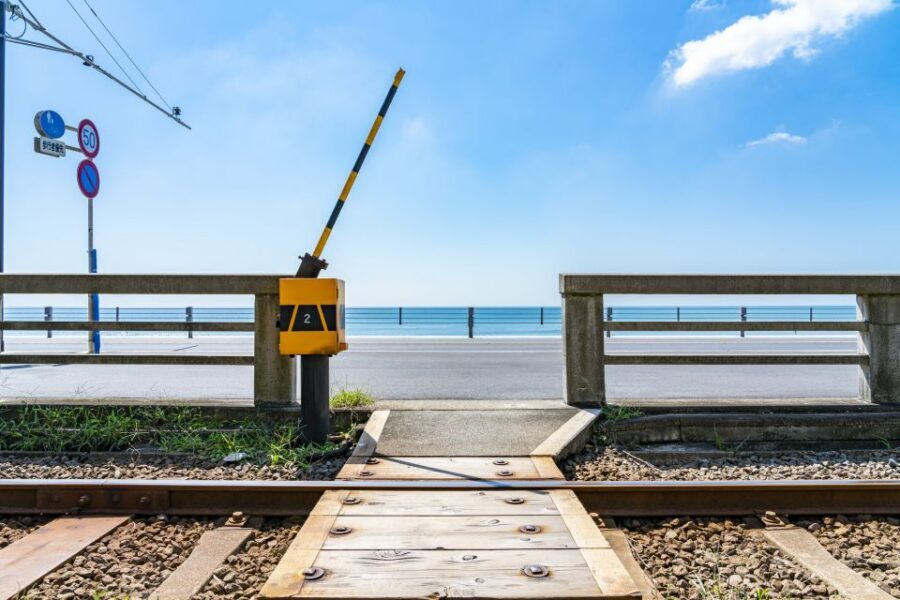
Kamakura is one of those places that feels simpler on paper than it is in real life. Yes, it’s close to Tokyo. But the concentration of temples, shrines, and historic neighborhoods means you can easily waste time hopping between sites—or miss the significance of what you’re seeing.
That’s where a private walking format pays off. On a 4–6 hour day, you’re not just checking boxes. You’re getting a storyline: who built what, why certain places matter, and how Kamakura’s samurai-era influence still shows up in the details. I like the pace because you can actually notice the textures—stone steps, carved beams, little donation racks, the rhythm of pilgrims—without dragging your feet between far-flung stops.
The private part also matters. The guide can steer the day based on your energy level. Some days you want a quick sprint between major sites. Other days you want a slower walk through gardens and photo angles. People I learned from in these guides’ styles—like Koba, Shinji, An, Yuki, Kei, Emiko, and Yutaka—have the same pattern: they keep the day organized while still leaving room for what you care about.
You can also read our reviews of more walking tours in Kamakura
Entering the Great Buddha: the scale you can’t fake
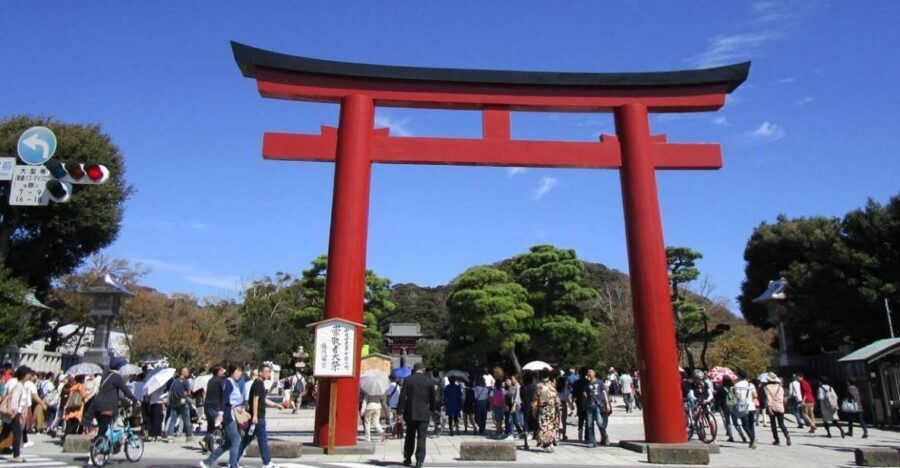
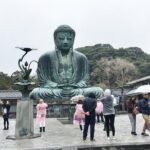
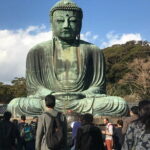
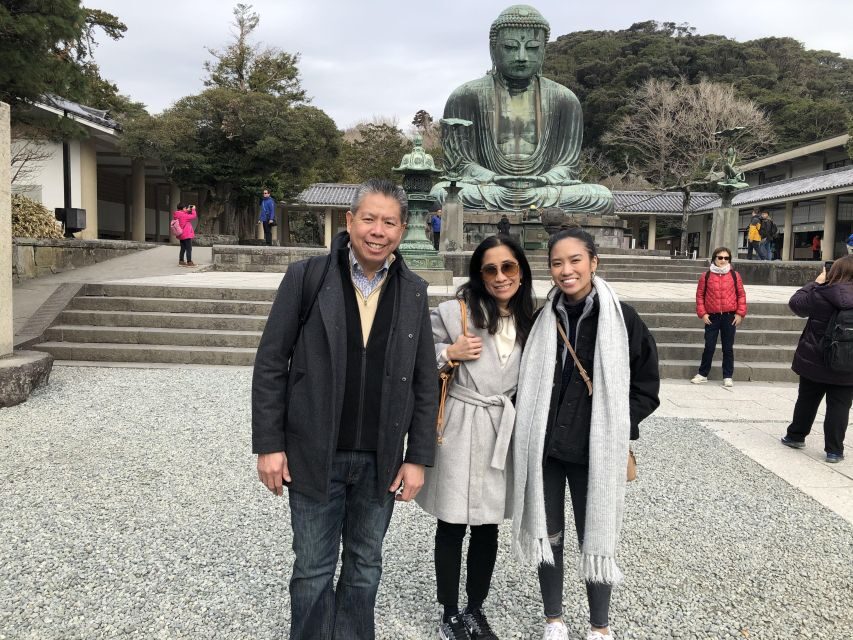
The Great Buddha is the kind of attraction that can go either way on a tour. From the outside, it’s impressive. Inside, it becomes something else: it’s a reminder of how massive and intentionally designed these spiritual landmarks are.
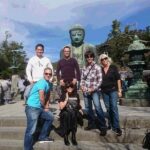
This tour includes entry into the interior of the huge Great Buddha statue. That’s a big deal for value because it turns the stop into more than a quick sighting. You’re there long enough to understand what you’re looking at, and your guide can explain the cultural weight of Kamakura’s religious identity.
Practical note: the day’s overall walking time means you’ll want good shoes. You’ll move between temple complexes and shrines, and you’ll likely do some stairs. If you’re the type who likes to linger, tell your guide early—guides can adjust who gets more time and who gets a shorter look.
Hase-dera gardens: hydrangeas in June, beauty year-round
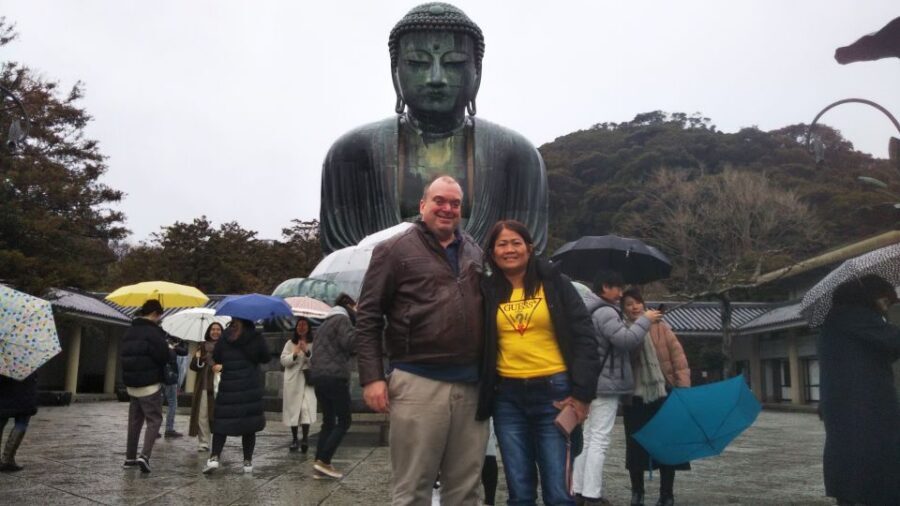
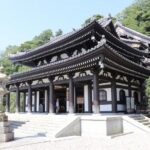
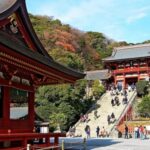
Hase-dera is one of the most photogenic temple stops in Kamakura, and this tour builds it in for a reason. The star is the famous gardens, especially during the rainy season around June when hydrangeas explode into bloom. The details matter here: you can see about 2,500 colorful hydrangeys across 40 varieties.
Even if you’re not visiting in June, the garden design still gives you that “slow down” feeling. Stone paths, layered viewpoints, and seasonal plantings make it easy to spend time without feeling like you’re trapped in a crowd. A good guide also helps you time photo stops—standing where the light and sightlines make the gardens look their best.
The trade-off? Hase-dera is popular. When a private guide is on the job, you’re more likely to keep things fluid—choosing walking routes through the complex and deciding when to pause—so the garden experience stays calm instead of rushed.
Zeniarai Benten: a legend you can actually perform
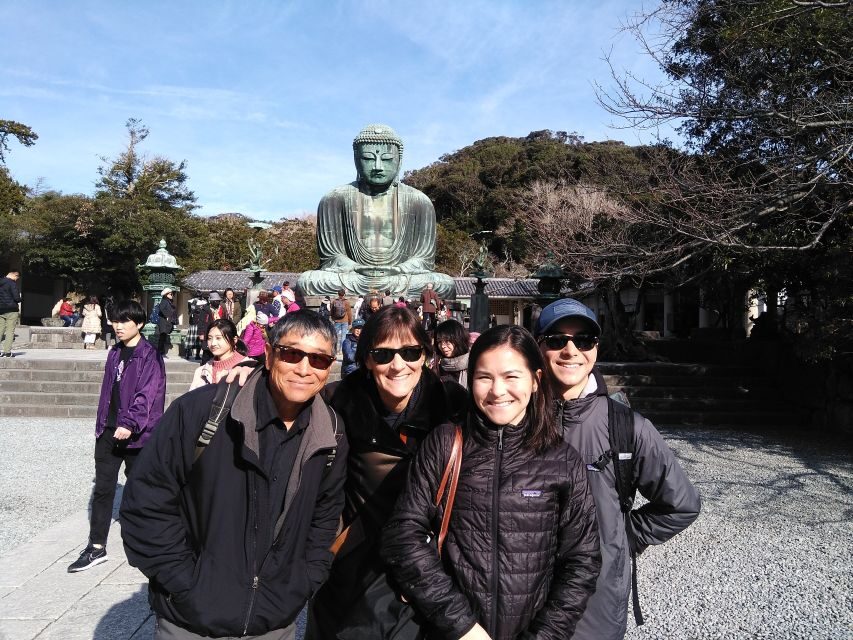
This stop is fun in a very specific way. At Zeniarai Benten Shrine, legend says that washing money in the shrine’s holy water helps you earn more. Whether you treat that as a playful ritual or a meaningful tradition, it’s the kind of moment that turns “touring” into participation.
Why it works on a walking day tour: it’s short, it’s memorable, and it breaks up the heavier temple moments with something interactive. Your guide can explain the context so you’re not just doing a novelty act—you understand why the shrine’s ritual exists and how it fits into local beliefs.
If you’re traveling with friends or family, this is also an easy stop to enjoy together. You can take part, watch others do the ritual, and still keep moving without exhausting your feet.
Hokoku-ji’s bamboo forest and matcha with a view
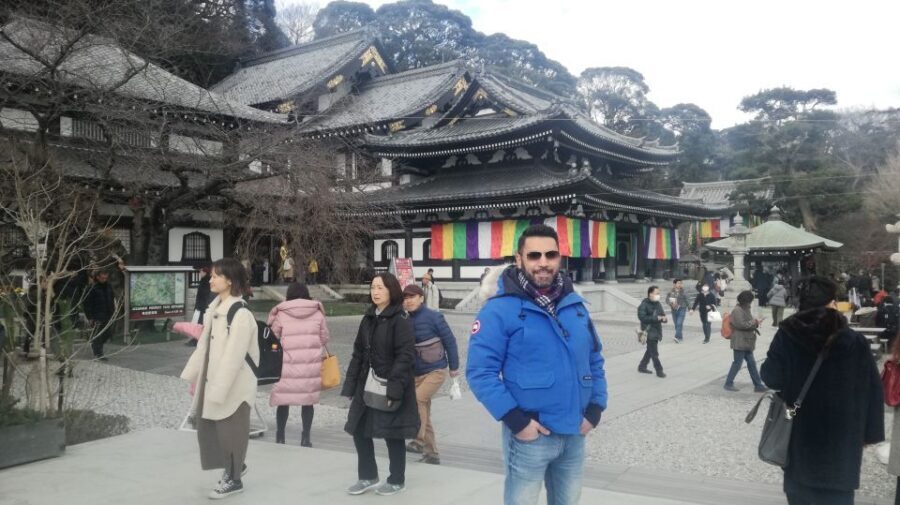
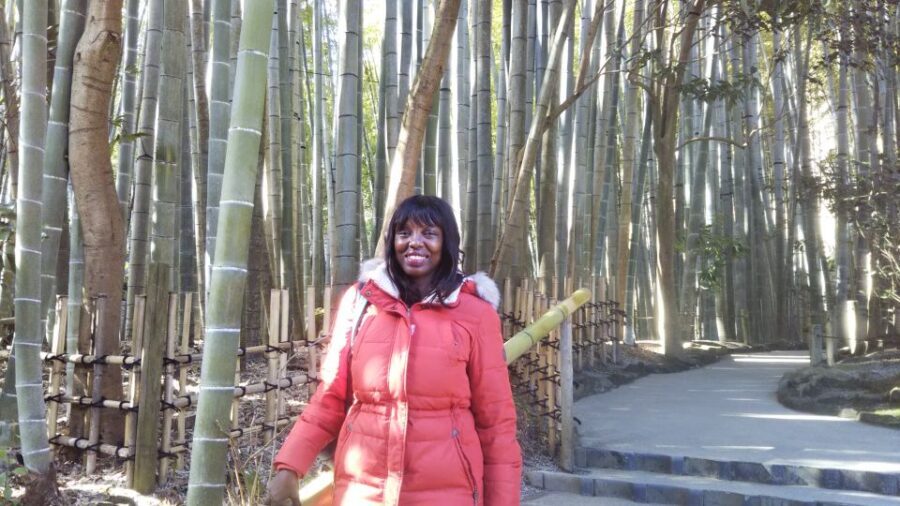
Hokoku-ji is known for its bamboo forest garden, and you can feel why as soon as you step into it. The bamboo doesn’t just look beautiful—it changes the mood. It’s cooler, quieter, and more enclosed than many open shrine paths.
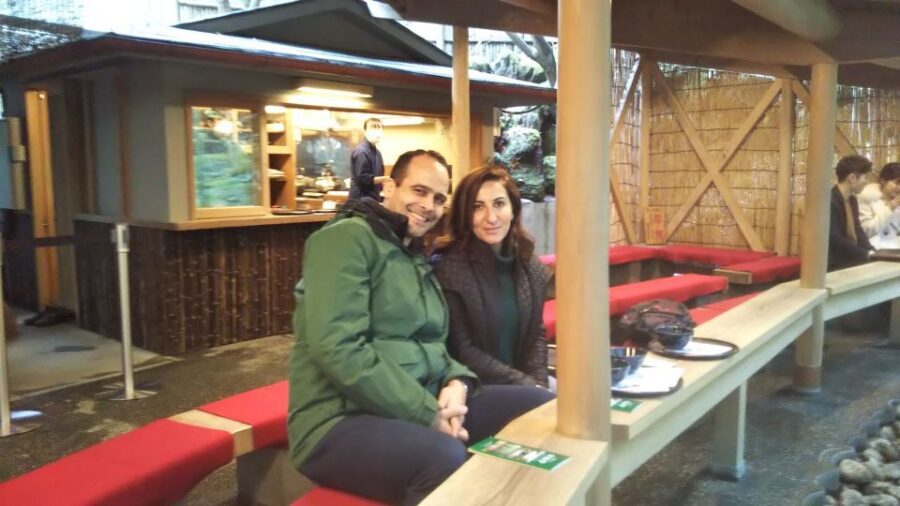
This tour doesn’t stop at scenery, though. You’ll also sample matcha tea while you admire the forest view. That pairing is smart. Walking temple days can blur together if everything is purely visual. A tea break gives your body a rest and makes the experience stick because you’re linking flavor to place.
In real terms, this is where you’ll likely appreciate a skilled guide. Guides who plan well help you avoid bottlenecks and get you to the bamboo forest at the right moment in the day. Some guides in the past—like Shinjis and Emiko—were praised for time management and crowd awareness. You don’t need that kind of praise to benefit, but it’s a good sign.
You can also read our reviews of more guided tours in Kamakura
How the day stays flexible (and why it matters)
This tour is designed around customization. You can choose from a 4-hour or 6-hour option, and you can personalize the route around what you care about most. If you’re a shrine person, you’ll likely get more shrine time. If you want temples, you’ll shift toward temple complexes and gardens. If you’re photo-focused, you can ask for viewpoints and calmer walking segments.
That flexibility is more than a marketing line. In Kamakura, the “best” itinerary depends on your travel style. One person wants the main hits: Great Buddha and the top gardens. Another person wants deeper temple variety and quieter routes. The private guide format lets you do that without you running around doing last-minute research.
It also helps with timing. Several guides were noted for adjusting around closures and building itineraries that work with limited schedules. If you have a train back to Tokyo and you’re worried about missing it, tell your guide what your deadline is. The best tour days feel like you planned them yourself—except you didn’t have to.
What you’ll likely see beyond the headline stops
The tour highlights call out Great Buddha, Hase-dera, Zeniarai Benten, and Hokoku-ji. But Kamakura has more to offer, and private guides can often swap in additional sites based on your interests.
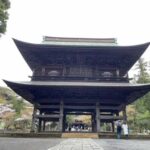
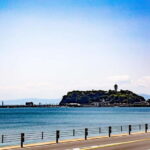
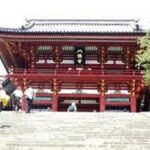
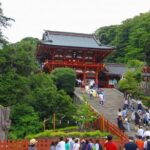
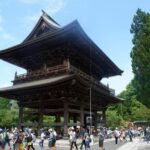
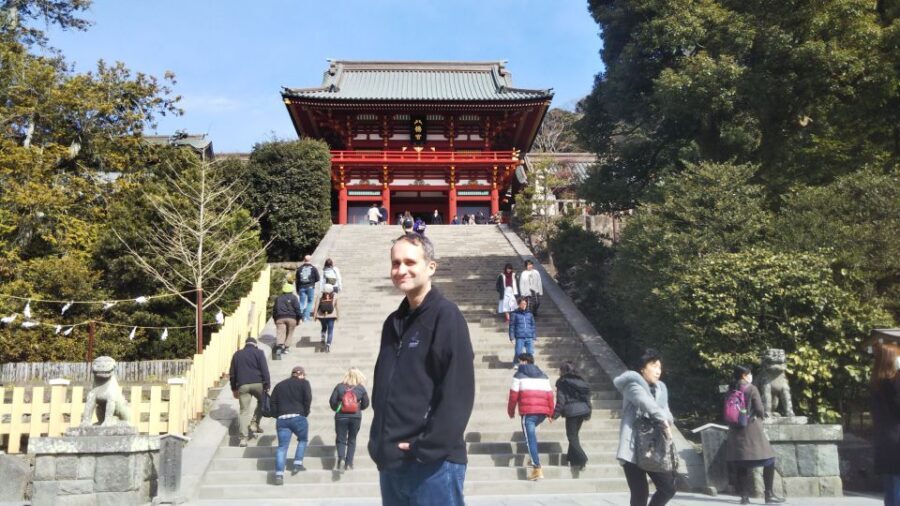
From previous itineraries tied to this experience, I saw examples of stops such as Tsurugapoka Hachiman-gu Shrine, Engaku-ji Temple, and Jencho-ji Temple. Some guides also added extra context like landmarks tied to Engoshima (depending on what you choose and what fits your schedule). That’s useful if you want more than a standard checklist.
One thing to watch: more stops can mean a faster pace and less time per location. If you like to linger, set expectations. If you like to move, tell your guide you’re happy with a quick rhythm.
Price and what $106 really buys you
At $106 per person for a 4–6 hour private tour, the price isn’t just about walking next to you. It’s about having a licensed guide-interpreter and a plan that saves your time and confusion.
Here’s how I’d think about value:
- You’re paying for interpretation of Japanese history and culture tied to each site, not just directions.
- You’re paying for efficiency between locations, which matters in a place where the stops are close but the time adds up.
- You’re paying for personalization, which can be hard to get with group tours.
What’s not included also matters for budgeting. Entrance fees are not included, and food and drinks are not included. Plus, between-site public transport or taxi costs may apply during the tour. So your real trip cost is the base price plus any entry tickets and local transit you use.
If you’re traveling solo or as a couple, this can still be a good value if you care about understanding what you see. If you want a casual self-guided stroll with minimal interpretation, it may be more than you need. But if you want your day to feel meaningful—not just scenic—this price starts to make a lot of sense.
Pickup, getting around, and the Yen you’ll want handy
Pickup is included on foot if your accommodation is within a reasonable distance. That’s convenient, but it also hints at the tour’s style: it’s a walking day tour. A private vehicle is not included.
Between sites, you may use public transport or taxis. The tour notes that you should have Japanese Yen on hand for transportation costs. Guides can discuss exact transit costs after you reserve.
There’s also an option to arrange a private vehicle, but that has to be booked in advance (5 days ahead). If you’re relying on a car for mobility or timing reasons, ask early so it’s not a last-minute scramble.
Also good to know: the experience runs rain or shine. That’s common in Japan, but it still matters for planning footwear and what you pack.
Guide quality is the whole show
In a private tour like this, the guide is the product. And the names tied to strong experiences—Koba, Shinji, An, Yuki, Kei, Emiko, Hirosan, Taku, Hide, Goto, Mr Nishiyama, Tome, and Yutaka—point to the same theme: the best days come from a guide who stays organized, answers questions well, and adjusts without making you feel rushed.
A detail I really like from past experiences is that some guides actively avoided crowds, used their timing skills to get you to photo-friendly angles, and still managed the schedule so you didn’t feel like you were sprinting. Another common win: guides tailored the route when guests couldn’t decide which temples to prioritize.
If you want peace of mind, message your interests before the day. The tour experience supports personalization, so the more you tell your guide about what you want, the more your route can match your idea of a perfect Kamakura day.
Who should book this Kamakura private walking tour?
This is a great fit if you:
- Want more than photos and want the cultural meaning behind shrines, temples, and rituals
- Prefer a private day with route flexibility (4 or 6 hours)
- Like walking but also want someone to handle sequencing and timing
- Appreciate a guide who can answer questions as you go
You might rethink it if:
- You’re mainly after a cheap, self-paced wander and don’t care about explanations
- You don’t want to manage extra costs for entrances and local transport
- You struggle with walking and stairs (it is wheelchair accessible, but the tour is still a walking format)
Should you book this tour?
I’d book it if you’re spending a limited amount of time in the Tokyo area and want Kamakura to feel focused and understandable. The stand-out value is not just the famous sites—it’s the ability to enter the Great Buddha and the guided context that turns the day into something you can remember later.
Just budget for what’s not included (entrance fees, food/drinks, local transport) and bring the right mindset: this is an active, organized walk day. If that sounds like your kind of trip, you’ll likely love how quickly Kamakura comes alive when someone who knows the place is walking you through it.
FAQ
How long is the Kamakura private guided walking tour?
You can choose a 4-hour or 6-hour option. The overall tour duration is listed as 4–6 hours, depending on the itinerary you select and your starting time.
Is this tour private?
Yes. It’s a private group experience, with a single licensed local guide for your group.
What languages are the guides?
The live tour guide is available in English and Japanese.
What major sights does the tour include?
The experience highlights include entry into the interior of the Great Buddha statue, Hase-dera gardens, Zeniarai Benten Shrine, and Hokoku-ji Temple with its bamboo forest garden and matcha tea.
Are entrance fees included?
No. Entrance fees are not included in the tour price.
Are food and drinks included?
No. Food and drinks are not included.
Do I need money for transportation during the tour?
You should have Japanese Yen on hand. Public transportation or local taxis may be used between sites, and the exact costs can be discussed with the guide after booking.
Is the tour wheelchair accessible?
Yes, the experience is listed as wheelchair accessible.