REVIEW · KAMAKURA
Kamakura Private Tour: Temples, Nature, and the Great Buddha
Book on Viator →Operated by Trip Designer Inc. · Bookable on Viator
Forget Tokyo traffic; find a forest-temple walk. This private Kamakura tour puts you on foot through quiet Zen grounds, up a mountain pass, and then straight to the shockingly big Great Buddha at Kotoku-in. I like the way the route blends spiritual sites with nature, and I love that your guide can tailor pace and questions—guides like Yumi and Teiko are repeatedly praised for clear explanations and keeping things human.
The one real drawback: this is not a flat stroll. You’ll walk at least 5 km, including an uphill pass, so if your legs get cranky easily, plan extra breaks (and pack good shoes).
In This Review
- Key Things I’d Prioritize on This Tour
- Why Kamakura’s Temples and Trails Feel Worth Leaving Tokyo
- Price and What You Actually Get for $98.44
- Getting There: Meet at Kita-Kamakura, Finish at Hase Station
- Stop 1: Jochiji Temple in a Quiet Forest Mood (About 25 Minutes)
- Stop 2: Kamakura Hiking Trails Through the Mountain Pass (About 40 Minutes)
- Stop 3: Zeniarai Benten Ugafuku Shrine and the Daibutsu Hiking Course (About 25 Minutes)
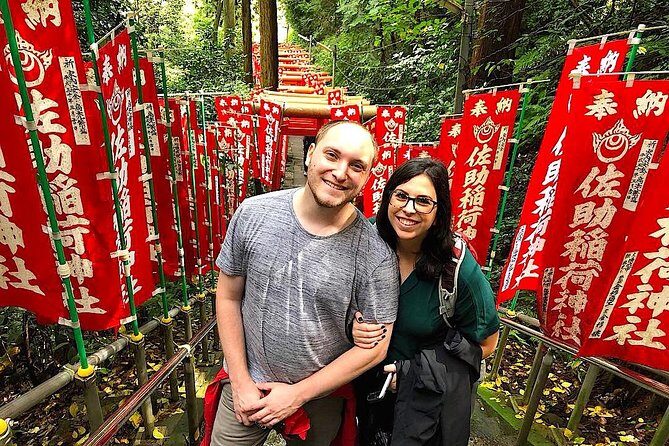
- Stop 4: Sasuke Inari Shrine and the Fox Dream Legend (About 20 Minutes)
- Stop 5: Kotoku-in Great Buddha of Kamakura (About 20 Minutes)
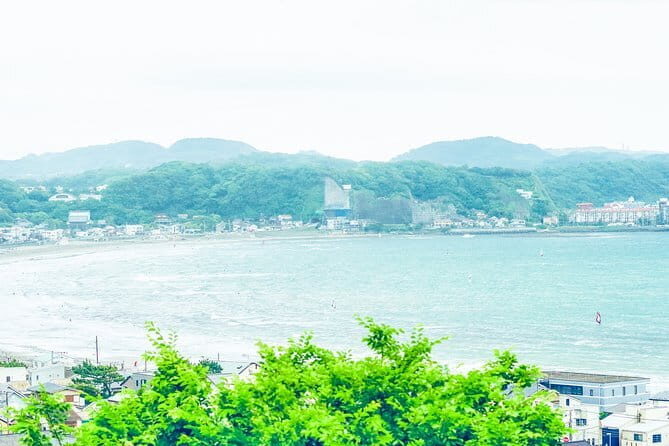
- Stop 6: Hasedera Temple With South-Facing Ocean Views (About 30 Minutes)
- Stop 7: Yuigahama Beach Wind-Down (About 15 Minutes)
- How the Guide Can Make or Break This Day
- What to Plan For: Shoes, Lunch, and Weather
- Who This Tour Is Best For
- Should You Book This Kamakura Private Tour?
- FAQ
- How long is the Kamakura private tour?
- Where does the tour start and end?
- What’s included in the tour price?
- Is hotel pickup included?
- How much walking should I expect?
- Is food included?
- Is transportation included?
- Can the tour be extended?
- Is the tour private?
- What happens if the weather is bad?
Key Things I’d Prioritize on This Tour
- Mountain pass hiking, not just sightseeing: you get trails and viewpoints, not only temple gates.
- Temple admissions handled for key stops: Hasedera, Jochiji, and Kotoku-in are included.
- Guides make the day feel personal: you’ll get temple etiquette, history context, and help adjusting when conditions change.
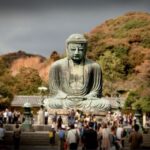
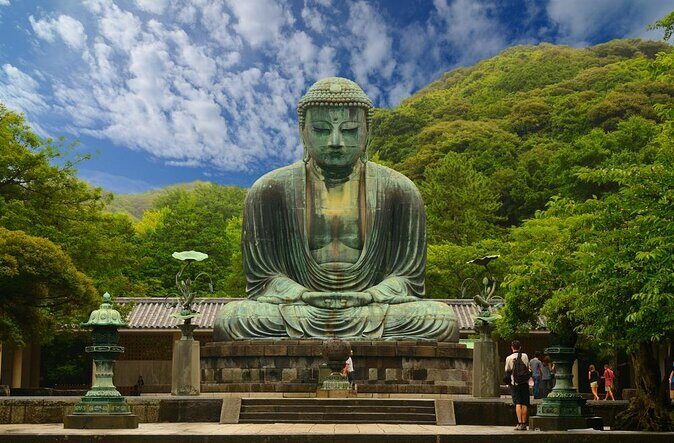
- The Great Buddha is the main event for a reason: 13.35m tall, around 121 tonnes, and dating to the bronze statue visible today (1252).
- Ocean views are built in: Hasedera looks south over Yuigahama Beach.
- Small-group energy is common: since it’s private for your group, you may avoid the worst crowds at several stops.
Why Kamakura’s Temples and Trails Feel Worth Leaving Tokyo
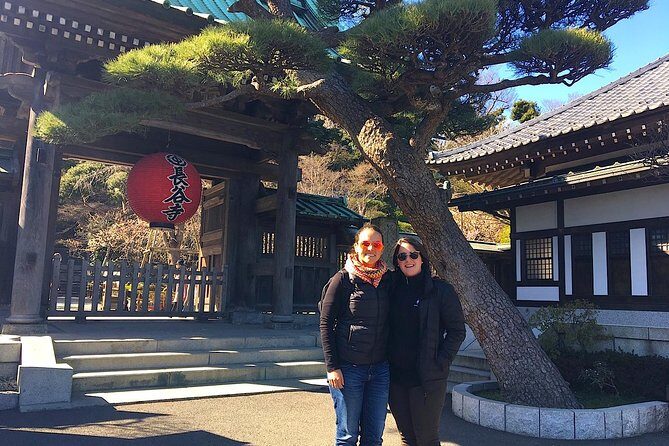
Kamakura is close to Tokyo, but the vibe is different the moment you step into the hills. Instead of racing between train stops, you walk between spiritual sites that sit inside forests and along mountain paths. It’s a day that feels like it has room for pauses.
This tour is built for that kind of pacing. You’re not just ticking boxes for famous landmarks—you’re also getting the smaller, more atmospheric stops along the way: mountain shrines, hillside water lore, and fox legends tied to Kamakura’s warrior past.
Two things make this work better than a DIY wander for most people: a guide who can explain what you’re seeing, and a route that already makes sense when the paths get hilly.
You can also read our reviews of more private tours in Kamakura
Price and What You Actually Get for $98.44
At $98.44 per person for about 5 hours, you’re paying for more than someone to walk with you. This is private, and it includes:
- An English-speaking guide
- Entrance fees for Jochiji, Kotoku-in (Great Buddha), and Hasedera
- Photos of tour participants
- All fees and taxes
Food isn’t included, and you’ll handle your own transport outside what’s already part of the walking/hiking plan. But the value is still strong if you’d otherwise pay entrance tickets plus spend time figuring out which hills to walk.
If you want to stretch the day, you can extend at 1,000 yen per person per half hour (cash). That matters in Kamakura, where a cloud cover moment or a slower pace can change how much you enjoy each stop.
Getting There: Meet at Kita-Kamakura, Finish at Hase Station
The tour starts at Kita-Kamakura Station (Yamanouchi area) and ends at Hase Station (near Mount Kamakura). You’ll be near public transportation for both ends, so you’re not stuck in the middle of nowhere with no plan.
Here’s why that end-point matters: Hase is a natural place to exit after Hasedera and the beach. If you want a smooth day trip, this route supports it. Also, the guide typically accompanies you for the right train connection, which is a small detail that saves stress.
You can also add hotel pickup for 8,000 yen per person. Since the tour ends at Hase, pickup can help if you’re optimizing your Tokyo time—but it’s optional.
Stop 1: Jochiji Temple in a Quiet Forest Mood (About 25 Minutes)
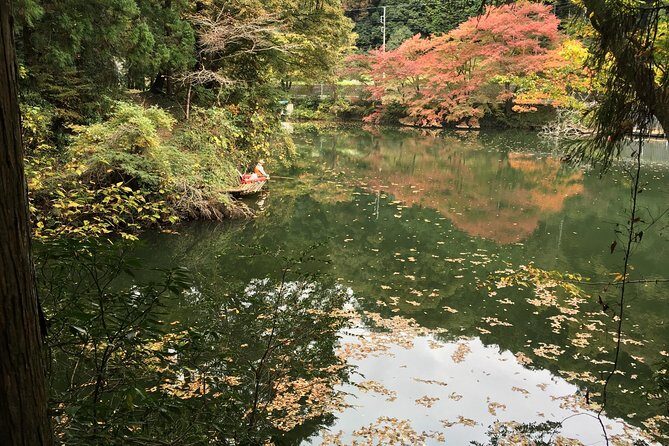
Jochiji Temple is a Zen temple surrounded by forest, and it’s the kind of start that flips your mental switch from city mode to slow-walk mode.
A couple of specifics give it weight:
- It was built in 1281 by Hojo Tokoyori, a leader of the Kamakura Shogunate.
- It was built to honor his son, who died young.
That context is what makes the place more than pretty scenery. On a guided route, you get the story behind why this temple exists here, in this particular time in Kamakura’s history—not just where it is on a map.
If you’re hoping for calm before the big crowd magnet sites, Jochiji is a great opener.
Stop 2: Kamakura Hiking Trails Through the Mountain Pass (About 40 Minutes)

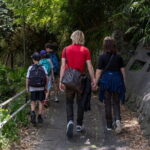
This is the “move your legs, but earn your views” section. The tour includes hiking trails around the pass, and you’ll be on foot long enough that you should treat this like a light hike, not casual walking.
You should expect:
- Real up-and-down, especially if you’re not used to Japanese temple steps and hillside paths
- A good chunk of time spent actually outside, not waiting for transit
You’re also walking the equivalent of at least 5 km total across the tour, so shoes matter more than you think. If your shoes are fine for sidewalks but hate uneven terrain, switch them.
And yes, weather changes the feel of this section. Rain can make stone and steps slick. The good news: the tour is guided, so the plan can adjust when conditions demand it.
Stop 3: Zeniarai Benten Ugafuku Shrine and the Daibutsu Hiking Course (About 25 Minutes)
After the mountain-trail stretch, you reach a shrine experience that sounds like a story you’d only hear in Japan.
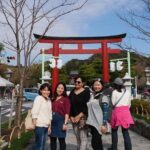
You walk along the Daibutsu Hiking Course through the mountains until you find a mysterious hole in the hillside, framed by a torii gate. Walk through that hole and you reach the Zeniarai Benzaiten Ugafu-ku area.
The practical takeaway: this isn’t just another photo stop. It’s a moment where the terrain itself becomes part of the ritual geography. A guide helps connect the legend and the layout so it clicks instead of feeling like random scenery.
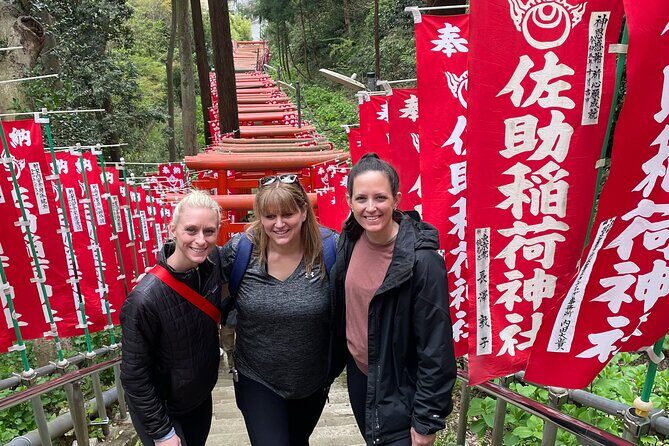
Stop 4: Sasuke Inari Shrine and the Fox Dream Legend (About 20 Minutes)
Sasuke Inari Shrine is shorter on time, but it’s packed with meaning.
Here’s the legend the tour explains:
- The first Shogun of Kamakura, Minamoto Yoritomo, was visited in a dream by a white fox known as Inari.
- Inari advised him on how to win a battle against his enemies.
This kind of shrine is why Kamakura works even when you’re not a hardcore temple person. You start seeing how spiritual beliefs and local history overlap in the same hillside space.
If you enjoy stories you can actually point to—dreams, messengers, rituals—this stop tends to land well.
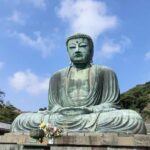
Stop 5: Kotoku-in Great Buddha of Kamakura (About 20 Minutes)
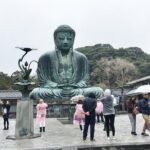
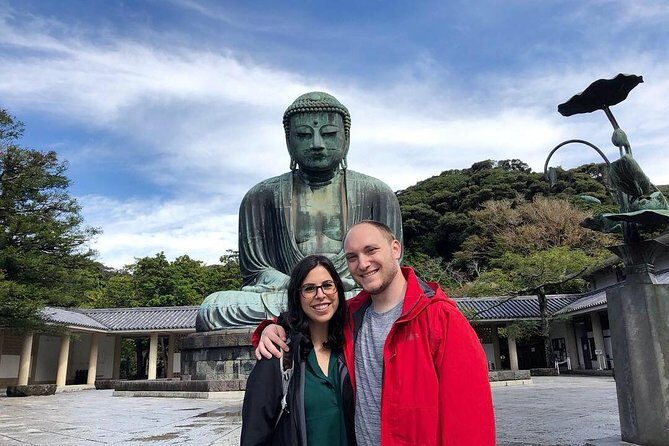
This is the obvious highlight. And it’s obvious because it’s huge.
The Great Buddha at Kotoku-in:
- Stands 13.35m tall
- Weighs about 121 tonnes
- The bronze statue visible today dates to 1252
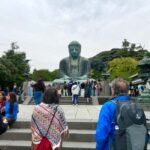
Even if you’ve seen photos before, nothing prepares you for scale in person. The best way to experience it is to slow down, look for details in the surrounding areas, and let your guide connect what you’re seeing to the era when Kamakura was shaping its identity.
This is also where crowds can show up. If you’re the type who likes quiet, the earlier stops may feel calmer before the Big Buddha wave.
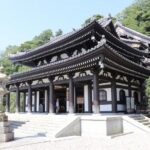
Stop 6: Hasedera Temple With South-Facing Ocean Views (About 30 Minutes)
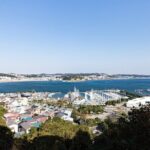
Hasedera is often described as halfway up Mount Kamakura, and the reason is simple: it’s placed where you get views.
From here you can look south over:
- the ocean
- Yuigahama Beach
During June and July, you can see seasonal flowers at Hasedera, and people often connect the temple with hydrangeas and garden calm.
This stop is valuable because it lets you breathe. You’re not just learning; you’re also looking. A guide’s job here is to point out what you’re looking at—so the view becomes part of the story, not just a background for pictures.
Stop 7: Yuigahama Beach Wind-Down (About 15 Minutes)
After temple views, the beach makes sense.
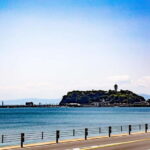
Yuigahama Beach faces south, so from this point you can see the sun over the ocean. In summer, there’s also an open air market called Umi-no-ie, which can add a little energy if you’re there at the right time of year.
This is a short stop, but it plays a smart role. It gives your legs a reset after hills and steps, and it makes the whole day feel balanced.
How the Guide Can Make or Break This Day
In this kind of route, the guide is the difference between a nice walk and a memorable one.
When guides like Yu are running the day, people often highlight how they personalize the tour and help with details like meal reservations. Yumi and Teiko are praised for staying flexible even with rain, and for explaining temple and shrine meaning in a way that feels clear instead of rehearsed. Noriko gets credit for adding local flavor and even arranging something like a tea ceremony when weather changed plans.
Even small care details show up in real stories:
- Takeshi (the coordinator) has been described as noticing older travelers and suggesting changes to minimize walking.
- Shijuko has been described as bringing extra umbrellas in heat and rain conditions.
- Guides often take photos and send them after, so you don’t have to play cameraman the whole time.
Bottom line: you’re not buying access to temples you could reach alone. You’re buying context and smoother decision-making on uneven paths.
What to Plan For: Shoes, Lunch, and Weather
Wear shoes that are easy to walk in. You’re dealing with at least 5 km on foot and a mountain pass. If you wear blister-prone footwear, you’ll pay for it later.
Food and drink are not included. Still, guides may help you find a place and sometimes reserve it, and one account described a lunch stop that involved grilling style cooking. Just don’t assume lunch is included in the price.
Weather is also a factor. The experience requires good weather, and if it’s canceled due to poor conditions, you’ll be offered a different date or a full refund.
Rain is survivable with the right attitude and footwear. The big risk is slipping on mountain roads, which is why a careful guide matters.
Who This Tour Is Best For
This works especially well if you:
- want a half-day that feels like you actually saw Kamakura, not just passed through it
- like temple history but also want nature and walking
- prefer a private route where you can ask questions and set the pace
- are comfortable with moderate hills and stairs
It’s less ideal if you:
- hate uphill walking or have mobility limits you can’t manage with breaks
- want a mostly flat, low-effort day
- expect lunch to be included in the ticket price
Should You Book This Kamakura Private Tour?
I’d book it if you want the best mix of temple meaning + hillside walking + ocean views in one organized route. The price makes sense when you compare it to paying entrance fees yourself and spending hours piecing together a trail-based day.
Skip it only if you know your body won’t handle the mountain pass and steps. Kamakura isn’t hard like Everest, but it is not a sidewalk stroll either. If that’s you, you’ll enjoy Kamakura more with a lighter plan.
FAQ
How long is the Kamakura private tour?
It lasts about 5 hours.
Where does the tour start and end?
It starts at Kita-Kamakura Station and ends at Hase Station.
What’s included in the tour price?
You get an English-speaking guide, entrance fees for Jochiji Temple, Kotoku-in (Great Buddha of Kamakura), and Hasedera Temple, plus all fees and taxes. Photos of tour participants are also included.
Is hotel pickup included?
No. Hotel pickup is available for an extra 8,000 yen per person.
How much walking should I expect?
You will walk at least 5 km, including a mountain pass. Moderate physical fitness is recommended.
Is food included?
No. Food and drink are not included.
Is transportation included?
Private transportation like taxi or a private car/bus is not included.
Can the tour be extended?
Yes. You can extend it at 1,000 yen per person per half hour, paid in cash.
Is the tour private?
Yes. It’s private, so only your group participates, and there is a minimum of 2 people per booking.
What happens if the weather is bad?
The experience requires good weather. If it’s canceled due to poor weather, you’ll be offered a different date or a full refund.