REVIEW · KAMAKURA
Kamakura Historical Walking Tour with the Great Buddha
Book on Viator →Operated by MagicalTrip Inc. · Bookable on Viator
Kamakura rewards slow steps. This 5-hour small-group walk pairs Komachi street snacks with major temple stops and photo-worthy seaside views, including the Great Buddha at Kotoku-in. You get a plan that’s easy to follow, even if you’re new to Japan. The vibe is relaxed but purposeful, and you’ll learn what to look for along the way; the only real catch is the walking.
I especially like that entrance fees and snacks are included, so you can focus on the sights instead of stopping to sort costs. I also like the built-in lunch at a temple setting (vegetarian, and vegan is available), which keeps the day from turning into a last-minute search for food. One drawback: the trail can be slippery in places, so you’ll want proper shoes and a bit of stamina.
In This Review
- Why This Kamakura Walk Feels Like a Smart Day Trip
- The Exact Route: From Komachidori Snacks to Yuigahama Fuji Photos
- Komachidori Street Food: Starting on Easy Fuel
- Tsurugaoka Hachimangu Shrine: Learning the Meaning Behind the Rituals
- Hasedera Temple: Coastal Views and the Cave Detail
- Kotoku-in Great Buddha: The Stop You Came For
- Enoshima Island Passing Views: Quick Change of Scene
- Yuigahama Beach and Seaside Park: Fuji Across the Water
- Price and Value: What $98.44 Buys You in Real Terms
- The Guide Makes It: What I’d Look For in a Good Day
- Walking Tips That Keep the Day Comfortable
- Weather, Timing, and Route Changes: How It Stays Reliable
- Who Should Book This (And Who Might Want Something Else)
- Should You Book the Kamakura Historical Walking Tour with the Great Buddha?
- FAQ
- What is the duration of the tour?
- What does the tour price include?
- Is transportation during the tour included?
- Where do I meet for the tour?
- What happens if it rains?
- What should I bring?
- How many people are in the group?
Why This Kamakura Walk Feels Like a Smart Day Trip
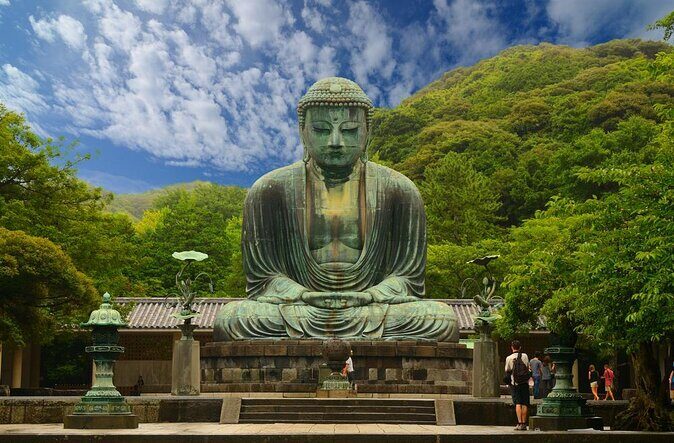
Kamakura is one of those places where you can feel the layers fast. You start in the old shopping streets, then move into shrine and temple grounds with their own rules of space, sound, and even manners. By the time you reach the Great Buddha, the day makes sense as one continuous story instead of a checklist.
This tour is built for short-notice visitors from the Tokyo area, or for anyone trying to pack a lot into a single afternoon without losing the fun. With a maximum of 7 travelers, you’re not fighting for attention or getting shoved through each stop. You also get a certified guide from MagicalTrip, and the guide makes a real difference in what you notice.
The Exact Route: From Komachidori Snacks to Yuigahama Fuji Photos
You can also read our reviews of more walking tours in Kamakura
Komachidori Street Food: Starting on Easy Fuel
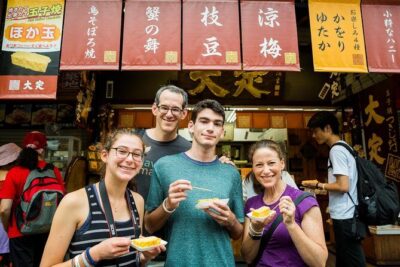
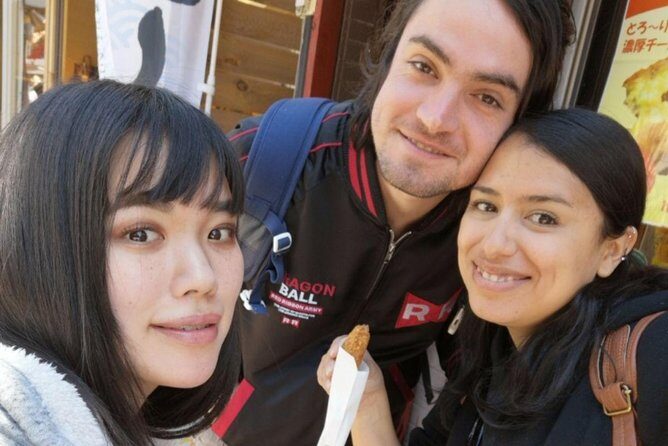
You begin near JR Kamakura Station (West Exit), Onarimachi clock plaza. The first stretch hits the classic Kamakura energy on Komachidori, the shopping street that runs parallel to Wakamiya-Oji Street. The best part is that you don’t just walk past stalls—you get food samplings to power you up early.
Expect a mix of Japanese street bites that work well for a morning appetite. It’s also a nice warm-up mentally. You get a feel for local flavors and the rhythm of the street before the day switches gears into sacred grounds.
What to know: if you’re picky, you’ll still have options, but the tour does mention that additional food is available for purchase if you want more.
Tsurugaoka Hachimangu Shrine: Learning the Meaning Behind the Rituals
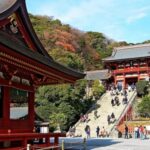
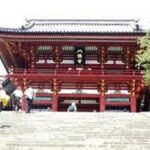
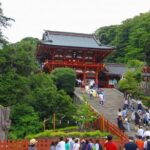
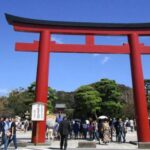
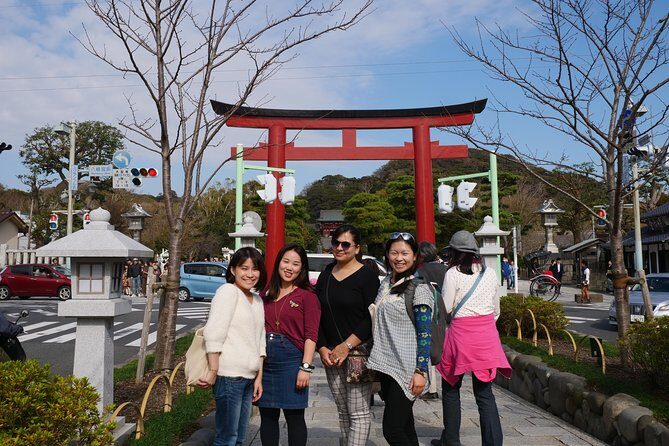
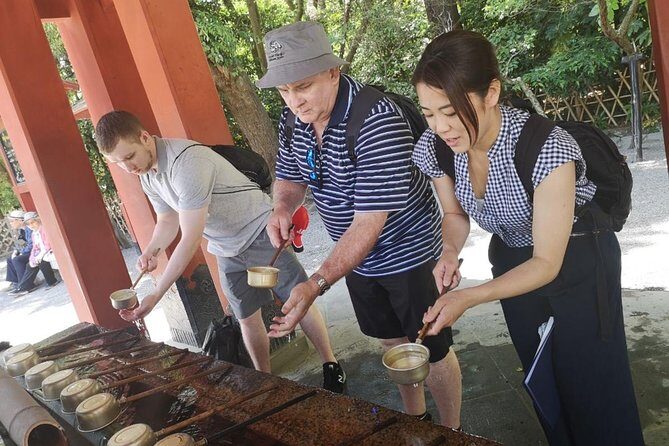
Next comes Tsurugaoka Hachimangu Shrine, Kamakura’s best-known Shinto stop. The tour time here is long enough to actually slow down and look at details instead of treating it like a quick photo stop.
This shrine isn’t just pretty architecture. It’s tied to Japanese culture and history in a way your guide can translate as you walk the grounds. You’ll also get a clearer sense of why certain places feel formal—where you stand, how the space is arranged, and what the route is trying to get you to notice.
Why I like this kind of stop for first-timers: shrines can feel confusing if you don’t know what you’re seeing. A good guide turns that confusion into curiosity.
Hasedera Temple: Coastal Views and the Cave Detail
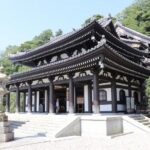
Then you climb into one of the most scenic temple areas in Kamakura: Hasedera Temple. This is where the day becomes more than historical sightseeing. You get views out toward the coastline, plus the kind of quiet that happens when gardens and temples line up in the same scene.
Hasedera is also known for a cave element, and you can see why it stays on people’s minds. It’s not just a structure; it’s a place with a slower pace built into the design.
Practical note: your shoes matter here and on the walking parts. The tour warns that the trail can be slippery on some sections, which is especially relevant around temple steps and garden paths.
Kotoku-in Great Buddha: The Stop You Came For
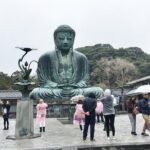
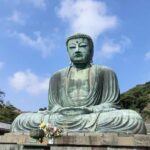
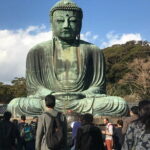
The main event is Kotoku-in, home to the Great Buddha of Kamakura (Daibutsu). This is the reason many people make the trip at all, and the tour treats it like a true highlight rather than a rushing-through detour.
You’ll get the time to see the Buddha properly and take in the atmosphere around the temple grounds. It’s also the kind of sight where context matters. The guide helps you understand what you’re looking at, and that makes the Great Buddha feel less like a landmark and more like a living piece of Kamakura’s identity.
Weather plan: if rain makes hiking parts unusable, the tour uses a train alternative to still see the Great Buddha statue.
You can also read our reviews of more historical tours in Kamakura
Enoshima Island Passing Views: Quick Change of Scene
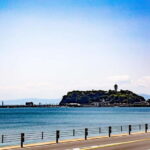
After the Great Buddha, you pass by Enoshima Island. This is more about giving your eyes a break than squeezing in a long stop. Seeing Enoshima from the route helps connect the temple day to the coastline setting that defines Kamakura.
Yuigahama Beach and Seaside Park: Fuji Across the Water
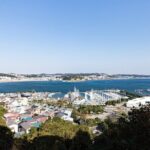
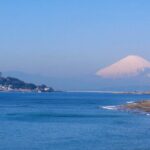
Finally, you reach the seaside: Yuigahama Beach and the Kamakura Seaside Park (Yuigahama area). This is your photo payoff. The tour explicitly calls out pictures with Mt. Fuji across the ocean, assuming visibility conditions cooperate.
Even when Fuji isn’t visible, the ocean views still do something temples don’t: they let you exhale. It’s a clean way to end the day after hours of gardens, stone steps, and shrine paths.
Time here is short, so move with purpose: take your main shot, then stroll a little for the best angles rather than trying to cover everything.
Price and Value: What $98.44 Buys You in Real Terms
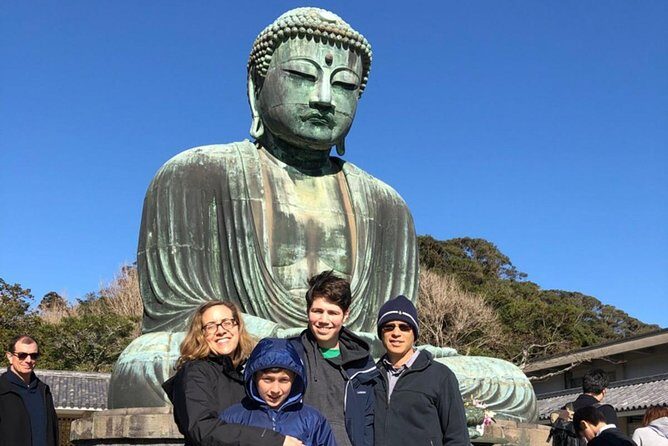
At $98.44 per person, this tour can feel like a splurge—until you add up what’s included. Your entrance fees for the Great Buddha and Hasedera Temple are covered. You also get snacks on Komachi street, and a temple lunch is included (vegetarian, vegan menu available).
You also get photos taken as part of the experience, plus a certified guide through MagicalTrip. With a small group (up to 7), that’s a lot of guided time for the money.
What’s not included is also clearly stated. There’s transportation fee (440 yen) during the day, and you may buy extra food if you want more than the samplings. If you’re trying to keep costs predictable, this tour is one of the better ways to do it because the core expenses are wrapped in.
The Guide Makes It: What I’d Look For in a Good Day
The guides are a major reason this tour scores so well. In the experiences I’ve seen from past participants, guides like Isao (Isaac), Mark, Ken, Fujii, Yoko, and Rookie show up with strong English and a friendly approach.
Here’s what that translates to for you:
- You don’t just hear dates. You learn what things meant and how people practiced etiquette and customs.
- You get help with practical choices, including how to move on afterward (like figuring out the train back).
- When the terrain is steep, the guide can pace the group so it feels like a hike with friends, not a race.
A small group also helps because questions don’t get swallowed. If you care about cultural details—how to behave at shrines or what to look for in temple design—this format gives you room to ask.
Walking Tips That Keep the Day Comfortable
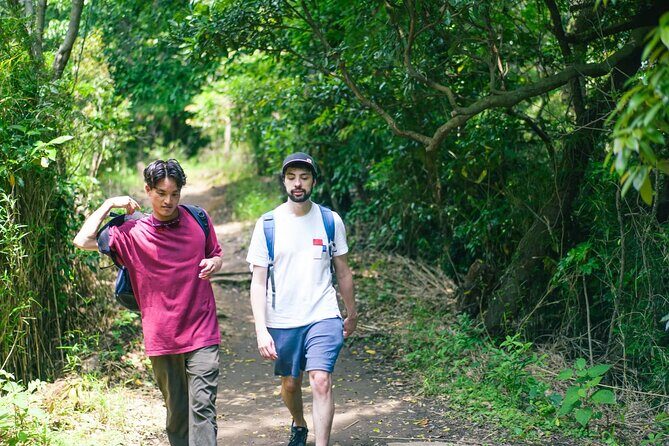
This tour is about 5 km of walking and hiking overall, with the hiking trail around 2.5 km. That’s not marathon distance, but it’s enough to feel it in your legs by the end—especially with uneven paths.
The tour recommends:
- Wear suitable hiking clothes and shoes, since sections can be slippery
- Bring water and a towel
- Be ready for weather shifts, with route changes if trails are unusable
One more reality check: Japan’s temperatures can swing hard. The tour notes summer highs of about 40°C (110°F) and winter lows around -5°C (20°F). If you’re going in extreme weather, pack like it’s a hike, not a city stroll.
Weather, Timing, and Route Changes: How It Stays Reliable

The schedule starts at 10:00 am and runs for about 5 hours. The tour also emphasizes starting on time so everyone can keep the flow.
Routes are subject to change if hiking trails can’t be used due to weather. The most helpful part for you is the rain plan: instead of forcing the trail, the tour switches to train access to still see the Great Buddha.
So the big question isn’t whether rain will happen. It’s whether you’ll be comfortable adjusting. If you come with flexible energy, the day stays enjoyable.
Who Should Book This (And Who Might Want Something Else)
This is a great fit if:
- You’re visiting Kamakura as a day trip and want the highlights in a single outing
- You like walking tours where a guide explains cultural context
- You want included entrance fees, snacks, and temple lunch so you’re not juggling extra stops all day
- You’re happy with a moderate hike and want coast + temples + photos in one package
You might consider another option if:
- You’re not comfortable on slippery paths
- You need very strict dietary accommodations (the tour notes they can’t guarantee allergy-free meals and vegetarian choices may be limited)
- You want a longer beach detour—this tour keeps the seaside time more compact
Should You Book the Kamakura Historical Walking Tour with the Great Buddha?
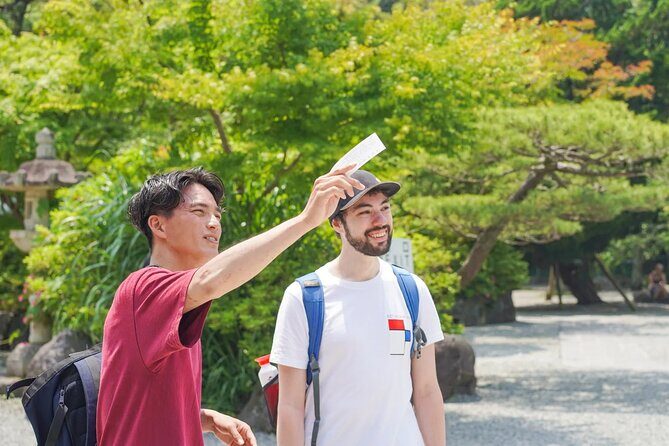
If you’re trying to make the most of a short Kamakura visit, I think this is a smart booking. The value is real: entrance fees, Komachi snacks, a temple lunch, and guide time are bundled in, and the small group size helps you actually enjoy the day instead of just surviving it.
Book it if you want temples that feel meaningful, a Great Buddha stop that’s more than a quick snapshot, and a clean ending with Yuigahama Beach views that can include Mt. Fuji. Skip it only if you know you struggle with slippery terrain or you need a very specific allergy-safe setup.
If your goal is a full, guided Kamakura afternoon with fewer logistics headaches, this one earns its place.
FAQ
What is the duration of the tour?
The tour lasts about 5 hours (approx.).
What does the tour price include?
The price includes entrance fees for the Great Buddha and Hasedera Temple, snacks from Komachi street, temple lunch (vegetarian, vegan menu available), and photos. A certified MagicalTrip guide is also included.
Is transportation during the tour included?
No. A transportation fee of 440 yen is not included.
Where do I meet for the tour?
Meet at 鎌倉駅西口駅前時計台広場12-3 Onarimachi, Kamakura, Kanagawa 248-0012, Japan.
What happens if it rains?
If rain affects the hiking trail, the tour uses train to see the Great Buddha statue instead of hiking.
What should I bring?
Bring water and a towel, and wear suitable hiking clothes and shoes since parts of the route can be slippery.
How many people are in the group?
The group is limited to a maximum of 7 travelers.