REVIEW · KAMAKURA
Tokyo: Kamakura & Enoshima Day Trip including Temple Tickets
Book on GetYourGuide →Operated by VIP Japan Tour · Bookable on GetYourGuide
Kamakura feels like another Japan. In one packed day you’ll hit Tsurugaoka Hachimangu and the Great Buddha at Kōtoku-in, then swing over to Enoshima for shrine views and a shot at Mt. Fuji when skies cooperate. One thing to keep in mind: this is a highlights route, so the island time is limited and you may want a return trip for deeper wandering.
I like the balance here—guided structure plus real freedom to roam and snack. You also get included entry to Hasedera and Kōtoku-in, which saves hassle and time. It’s also a good fit if you’d rather sit on an air-conditioned bus and let someone else manage the schedule from Shinjuku.
In This Review
- Key takeaways
- Why This Kamakura and Enoshima Day Trip Makes Sense from Tokyo
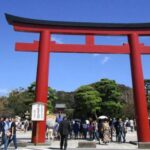
- Tsurugaoka Hachimangu: Start with Kamakura’s Most Important Shrine
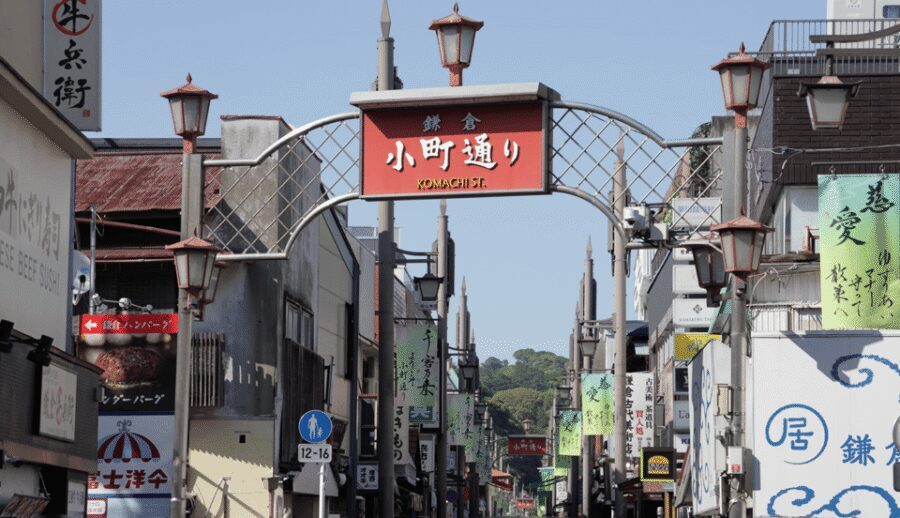
- Komachi Street: The 250-Shop Walk That Turns Sightseeing into Snacks
- Hasedera: Gardens, Statues, and Big Views Over Sagami Bay
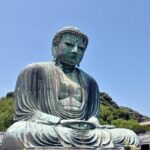
- Kōtoku-in: The Great Buddha You Can See from the Inside
- Enoshima: A Scenic Island Circuit with a Chance at Mt. Fuji
- Sea Candle, Enoshima Shrine, and Iwaya Caves: What to Prioritize
- Sea Candle (observation stop)
- Enoshima Shrine
- Iwaya Caves
- Benzaiten Shopping Street: Where the Coast Turns into One More Round of Snacks
- Time Budget Reality: How the 9 Hours Really Feel
- Price and Value: What $58 Buys You (and What It Doesn’t)
- Guide and Comfort Tips from Real-World Day Tours
- Who Should Book This Tour
- Should You Book This Kamakura and Enoshima Day Trip?
- FAQ
- How long is the Kamakura and Enoshima day trip?
- What is included in the ticket price?
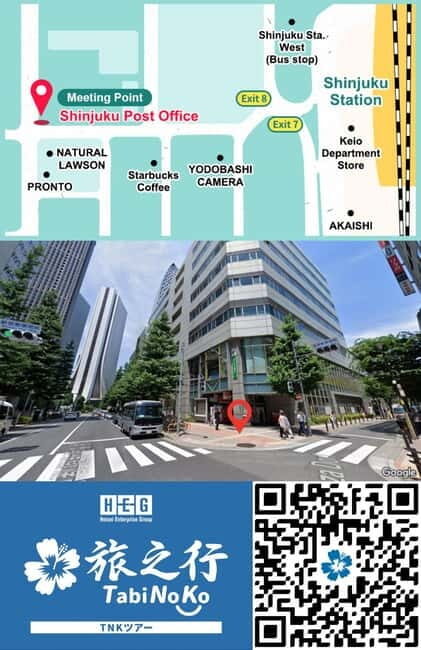
- Where do I meet the tour, and where do I get dropped off?
- What languages will the guide speak?
- Can you see Mt. Fuji during the tour?
- How early should I arrive, and can I cancel?
Key takeaways
- Tsurugaoka Hachimangu draws massive crowds in Japan’s holiday season and is the heart of Kamakura’s samurai-era story
- Komachi Street is long enough (360–600 meters) to explore, with about 250 shops and plenty of casual bites
- Hasedera mixes temples and gardens, with seasonal flowers and Jizo statues across the grounds
- Kōtoku-in’s Great Buddha is a National Treasure you can see up close and even step inside to view its internal structure
- Enoshima combines shrine history, cave walking, and an observation stop (Sea Candle) with Fuji possible on clear days
Why This Kamakura and Enoshima Day Trip Makes Sense from Tokyo
Kamakura and Enoshima sit close enough to Tokyo for a day trip, but far enough that the vibe changes fast—from city pace to shrine steps and coastal air. This route is built for first-timers: iconic sights in Kamakura, then the Shonan coast and island atmosphere at Enoshima.
The biggest value is the mix of ticketed temples and guided stops. You’re not just riding around; you’re covering several major landmarks, with guided context at each one and included access to Hasedera and Kōtoku-in.
The main trade-off is time pressure. You’re looking at multiple stops across about 9 hours, with guided visits plus free time at each site. If you’re the kind of traveler who wants to linger for hours in one garden or one temple hall, you’ll feel the schedule—and you’ll likely want to return later.
You can also read our reviews of more tours and experiences in Kamakura.
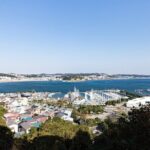
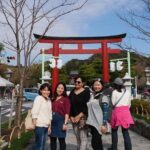
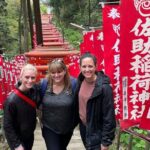
Tsurugaoka Hachimangu: Start with Kamakura’s Most Important Shrine
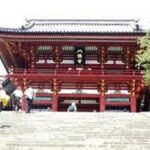
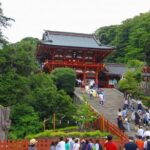
Your day kicks off at Tsurugaoka Hachimangu, the most visited shrine in Japan among many visitors’ lists. It’s tied to the samurai world and the political pulse of Kamakura in the old days, and today it still functions as a major spiritual site.
You’ll get a guided visit plus photo stops and free time (about an hour at this stage). What makes the stop worth your time is how it sets the tone for everything after: once you understand why this place mattered, the rest of Kamakura feels less like random temples and more like one connected story.
One practical note: because this shrine is famous, it can get crowded, especially during peak travel seasons. Arriving early in your day helps—you’re more likely to enjoy the space without feeling rushed.
Komachi Street: The 250-Shop Walk That Turns Sightseeing into Snacks
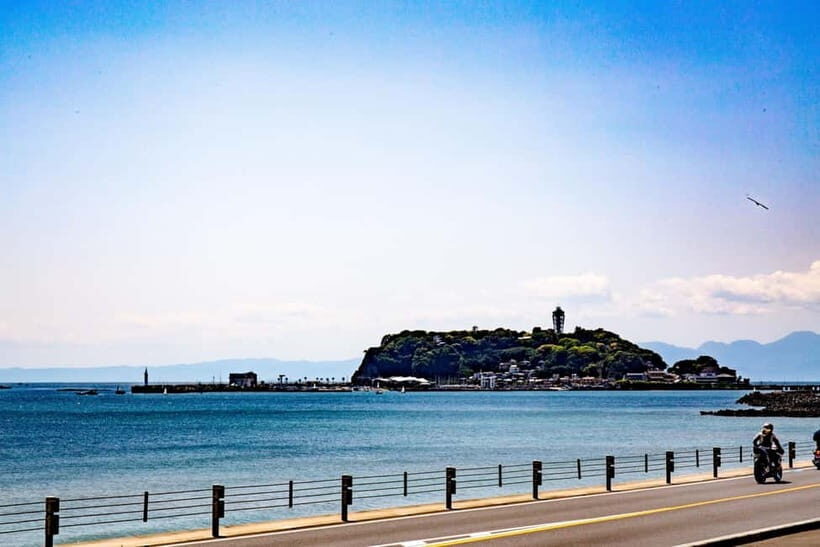
From Tsurugaoka Hachimangu, you step into Komachi Street, a shopping stretch that runs roughly 360–600 meters between Kamakura Station and the shrine area. It’s not just souvenirs. It’s where the day becomes fun-fast: street food, local treats, and plenty of places to pause.
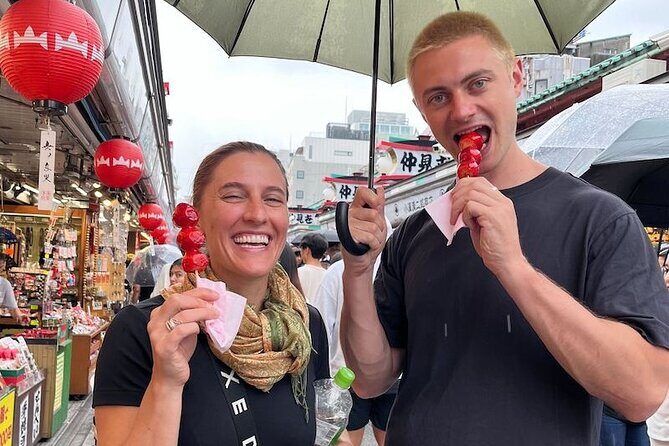
The route gives about one hour for Komachi Street, including photo time, browsing, and snacks. This is a great chance to try local flavors like shirasu dishes and other casual bites such as dumplings and croquettes—easy to eat while walking.
My advice: go in with a small plan. Pick one sweet or one savory item and then browse freely. If you keep buying “just one more thing,” that one hour can evaporate, and you’ll end up hungry on the next stop.
Hasedera: Gardens, Statues, and Big Views Over Sagami Bay
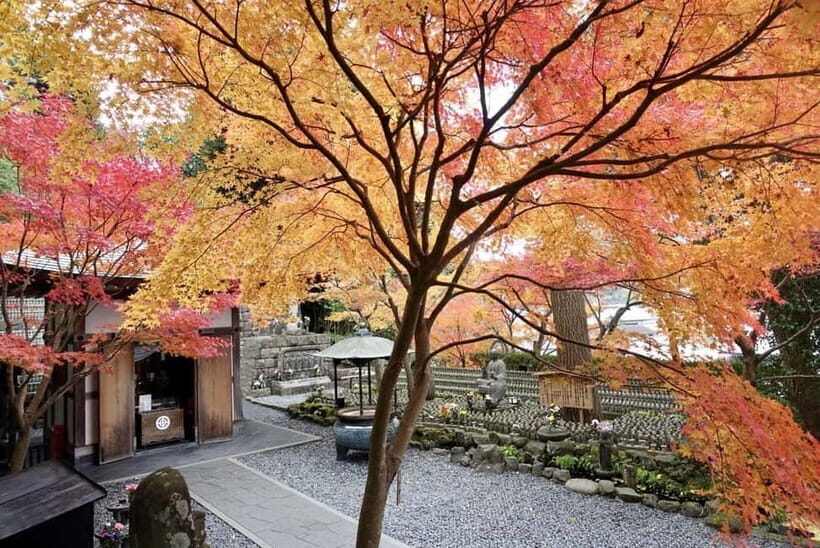
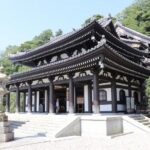
Next up is Hasedera (Hase-dera), founded in 736. Even if you’re not a temple super-fan, this stop works because it mixes major sightseeing with seasonal beauty.
You’ll get around 50 minutes here, with time for photos, exploring, and a guided introduction. The star attraction is the Nine?—actually the guide focuses on the famous Eleven-Headed Kannon statue, listed as 9.18 meters tall. That scale changes how you experience the place; you don’t just look around—you feel how much mass and meaning are packed into one structure.
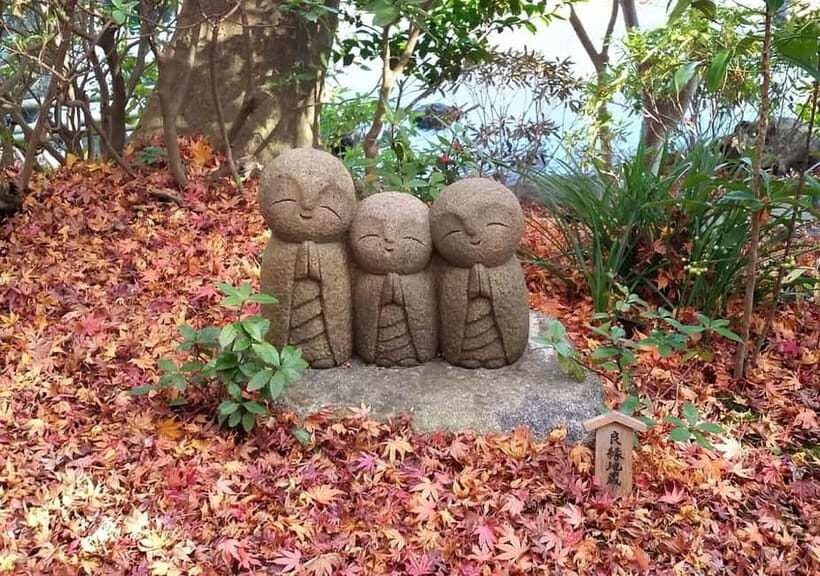
The gardens add another layer. Depending on the time of year, you may see flowers such as cherry blossoms, peonies, hydrangeas, and autumn leaves. You’ll also spot the charming Jizo statues scattered through the grounds, which are a nice visual break between larger religious features.
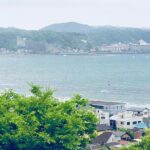
The view angle matters too. Hasedera sits in a spot that looks out over Kamakura and Sagami Bay, so you’ll want at least a couple minutes to slow down and look outward, not only down at the path.
Kōtoku-in: The Great Buddha You Can See from the Inside
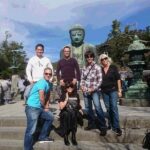
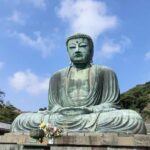
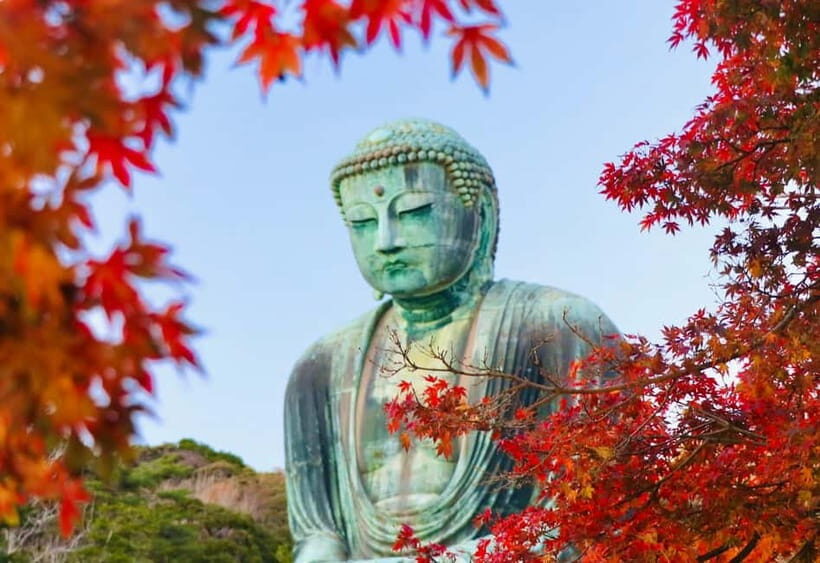
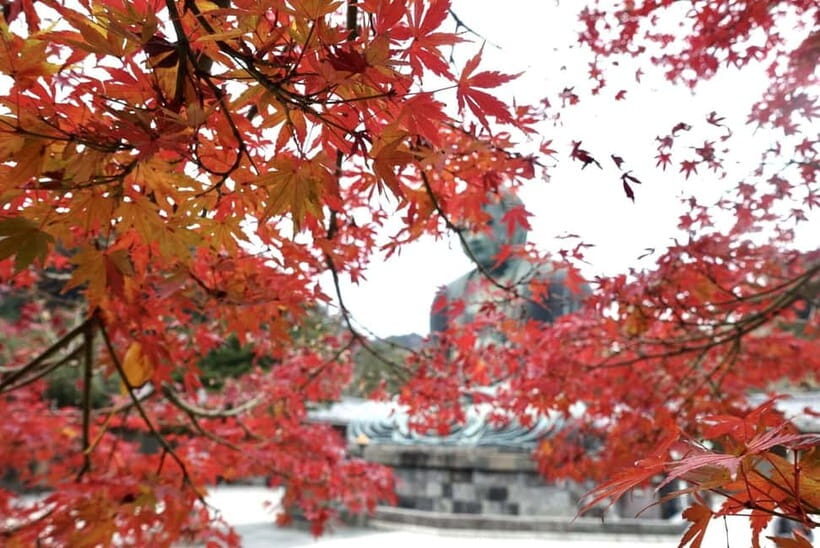
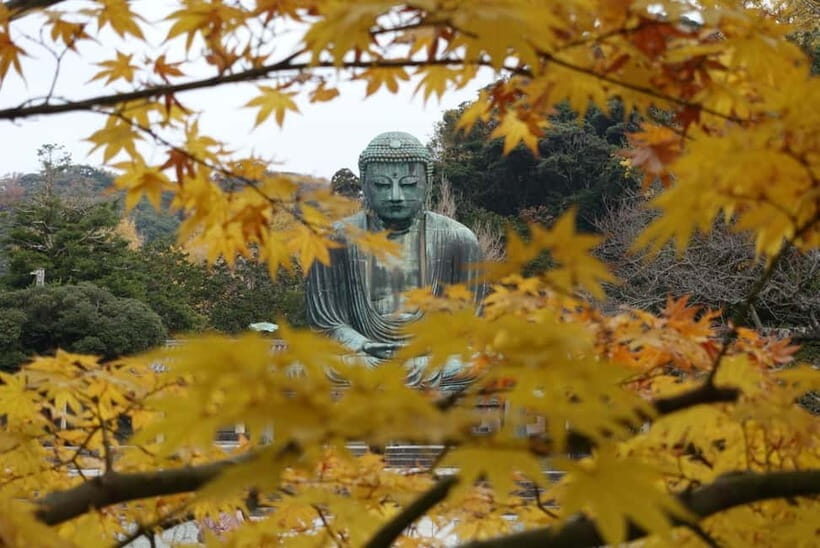
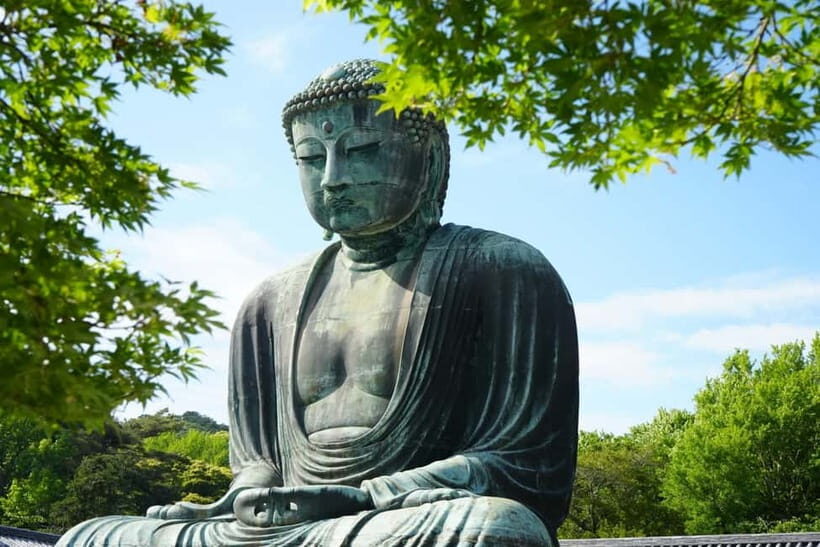
Kōtoku-in is where the day becomes unforgettable in a very simple way: you meet the Great Buddha of Kamakura. This is a bronze Amida Buddha statue about 13.3 meters tall and said to weigh around 121 tons, designated a National Treasure.
Your visit here is shorter—about 30 minutes total for stop time—so I’d treat it like a “maximum impact” segment. Get your bearings early, take your main photos, then spend your attention on the statue itself and the temple’s calmer setting around it.
What I find especially compelling is that you can enter inside to observe the statue’s internal structure. That turns it from a postcard stop into something more dimensional. You’re not just looking at something huge; you’re seeing how it’s built to be viewed that way.
If you’re traveling with someone who doesn’t care about temples much, this is still the stop that usually lands. It’s iconic even if you don’t know the details.
A few more Kamakura tours and experiences worth a look
Enoshima: A Scenic Island Circuit with a Chance at Mt. Fuji
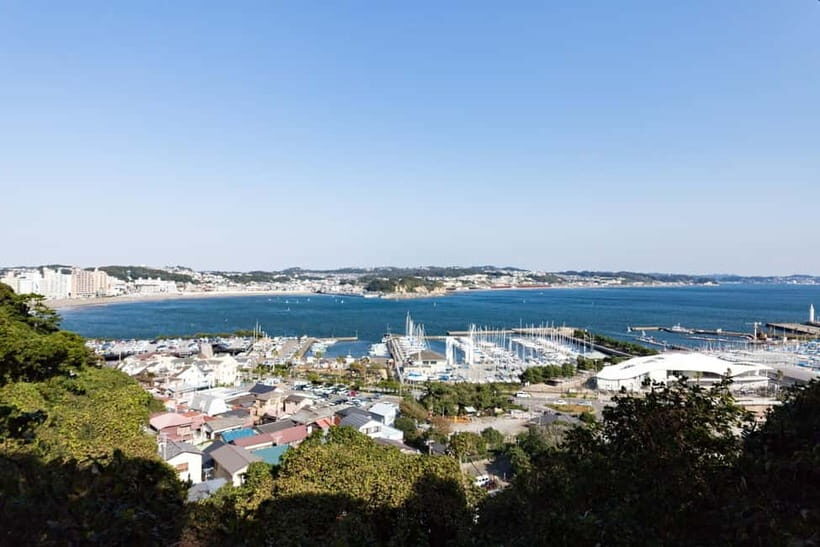
Then the itinerary shifts from historic Kamakura to the coastal rhythm of Enoshima. This part is built around multiple “pieces” rather than one single monument, which keeps it interesting when time is limited.
You’ll get about two hours for Enoshima itself, with photo stops and free time. The island includes several highlights:
- Enoshima Shrine (over 1,000 years old)
- Enoshima Sea Candle (an observation tower stop for views)
- Enoshima Iwaya Caves (historic cave area with walking time)
- Samuel Cocking Garden (pleasant paths for an easier stroll)
Here’s the real weather-dependent payoff: on a clear day, you can see Mt. Fuji from high vantage points on Enoshima. That’s not something you can force, so don’t plan around it like a promise. But if skies are clear, this is the moment you’ll remember.
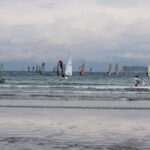
Also expect Enoshima to feel like a real seaside place, not a theme park. You’ll have access to shopping streets, cafés, and restaurants with seafood and local specialties—so you can build your own mini meal plan while the group moves between stops.
Sea Candle, Enoshima Shrine, and Iwaya Caves: What to Prioritize
After the main Enoshima island time, the tour continues with quick, focused additions that can still feel like separate experiences.
Sea Candle (observation stop)
You’ll have time for photos and visiting at Enoshima Sea Candle. This is the “look outward” section—use it to check the horizon and scan for that Fuji possibility. Keep your expectations tied to the weather, but treat the observation stop like your best chance for big, open views.
Enoshima Shrine
You’ll also stop at Enoshima Shrine again for photo time and visit time. This is one of those locations where the smaller details—pathways, gates, the way the shrine sits into the island terrain—make it feel more human than “just another shrine photo.”
Iwaya Caves
Next are the Enoshima Iwaya Caves with visit and walking time. Caves can be tricky in a tight schedule, so plan your energy. One useful tip from how the day runs: if you want a bite, grab something from a vendor and don’t plan on sitting down for a full meal right before/inside the cave area. You’ll have more freedom to move without losing time.
Benzaiten Shopping Street: Where the Coast Turns into One More Round of Snacks
After the more physical cave segment, you get the Enoshima Benzaiten Shopping Street for photos, browsing, and free time. This is where the day ends with “hangout energy.”
You’ll see more snack-and-souvenir style shopping, plus more chances to eat local treats. It’s also a nice way to end without feeling like you only traveled to look at buildings. If you’re a foodie, this is your second chance to eat something you didn’t grab earlier.
I’d keep your bag light here. You’ll likely pick up small items, and you’ll want to stay comfortable once it’s time to board back to Tokyo.
Time Budget Reality: How the 9 Hours Really Feel
This trip runs about 570 minutes. It packs in a lot—shrines, temple gardens, a major Buddha, island viewpoints, caves, and two shopping stretches.
That usually means:
- each “big” site gets a focused visit window
- you get free time, but it’s not unlimited
- you’ll want comfortable shoes because Enoshima involves walking between points
One thing I’d flag honestly: Enoshima is only about two hours during the main block, plus shorter add-on stops. That’s enough for a solid highlights loop, but it’s easy to feel like you could spend longer, especially if you enjoy wandering for views and taking breaks.
If your goal is simply to experience Kamakura and Enoshima without stressing out about trains, timing, and ticket lines, the schedule is efficient. If your goal is slow travel, you’ll probably want to come back independently for a second day on the coast.
Price and Value: What $58 Buys You (and What It Doesn’t)
At $58 per person (for the length and scope), the value is the combination of:
- air-conditioned vehicle transport from Shinjuku
- included entries for Hasedera and Kōtoku-in
- an English/Chinese-speaking guide who gives context while you’re moving
If you tried to do this route on your own, you’d spend time figuring out logistics and you’d still need to pay temple admission. Here, you pay once and let the day flow.
What it doesn’t include is a promise of a relaxed, slow pace. You’re paying for coverage and convenience, not solitude or hours of personal time at each site. If you’re okay with that trade-off, it’s a strong deal.
Guide and Comfort Tips from Real-World Day Tours
Because your time is managed by the tour, the guide’s job is huge: keeping things on track, explaining the why behind the sites, and helping you get the most out of each stop.
In past departures, guides like Eric, Mitsuko, Omar, Yuki, Koji, Bande, and Elaine have led the day, and the most effective moments tend to be the short explanations right at each location plus practical pointers for photos and pacing. If you want more context, ask questions quickly at the start of a stop—then use free time to follow your own interests.
Also, be ready for bus conditions. One common practical point: early in the ride, some buses can feel very warm until things settle. Bring a light layer so you’re comfortable once you’re outside walking and temperature changes hit.
And do what the tour expects: arrive at the meeting point about 10 minutes early so the whole schedule stays smooth. If you’re late, it can squeeze your time across multiple stops.
Who Should Book This Tour
I think this day trip is a great match for:
- first-timers in Kamakura who want the big names without planning headaches
- travelers who like a guided overview, then want time to browse and snack on their own
- people who want temples plus coastal scenery in one day
It’s not the best choice if:
- you want one place per day with long stays and slow wandering
- you’re chasing only one specific sight and don’t care about the rest
Should You Book This Kamakura and Enoshima Day Trip?
Yes—if you want a smart, efficient highlights day with built-in access to Hasedera and Kōtoku-in, plus coastal Enoshima views and shopping. The Great Buddha stop alone is worth the day for many people, and Enoshima adds variety so you don’t feel like you’re stuck in one kind of sightseeing.
Book it with the right mindset: this is a fast tour loop, not a slow retreat. If you’re the type who can enjoy “enough time” at each stop and then plan to return later for deeper exploration, you’ll leave happy—and likely already plotting your next Kamakura day.
FAQ
How long is the Kamakura and Enoshima day trip?
The tour runs about 9 hours (570 minutes) with multiple stops in Kamakura and on Enoshima.
What is included in the ticket price?
The price includes an air-conditioned vehicle, a guide (English/Chinese), and entry tickets for Hasedera and Kōtoku-in.
Where do I meet the tour, and where do I get dropped off?
You meet at one of two possible starting points in the Shinjuku area: Shinjuku Post Office or GLOBAL RING CAFÉ. The only drop-off location is the Shinjuku Area.
What languages will the guide speak?
The tour guide provides English and Chinese interpretation.
Can you see Mt. Fuji during the tour?
You can see Mt. Fuji on clear days from high vantage points on Enoshima, but it depends on the weather.
How early should I arrive, and can I cancel?
Plan to arrive about 10 minutes before the scheduled departure time. Free cancellation is available up to 24 hours in advance for a full refund.