REVIEW · KYOTO
Sushi – Authentic Japanese Cooking Class – the best souvenir from Kyoto!
Book on Viator →Operated by Japanese Cooking Class Roujiya · Bookable on Viator
Sushi feels easy after you build it yourself. This Kyoto class is the real deal: you learn how to eat sushi properly, then make it, and sit down with an aperitif and green tea. You also get cultural context while you cook, so it’s not just a meal that disappears.
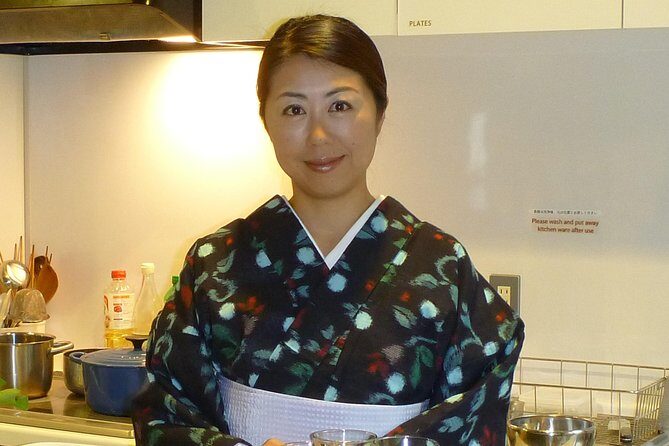
I especially loved the hands-on coaching—you’re not standing around watching. I also liked that Kaori teaches the why behind the food, from umami and dashi to practical details like getting sushi rice just right.
One consideration: there’s no hotel pickup, so you’ll want to plan your route to Roujiya ahead of time and arrive on time for the 11:30 start.
In This Review
- Key Things That Make This Kyoto Sushi Class Worth It
- A Kyoto Home-Kitchen Experience You’ll Actually Remember
- Meet Kaori at Roujiya (Nishinokyō Ikenouchichō) and Set Yourself Up to Learn
- What You Cook: Sushi Rice, Dashi Soup, and Pickled Ginger
- The Etiquette Lesson: How to Navigate Sushi Dining Like a Regular
- The Culture Parts That Actually Connect to Your Hands
- Hands-On Pace in a Small Group: Where Learning Gets Efficient
- Value Check: Is $72.67 Really Worth It?
- Location and Timing Tips for Your 11:30 Start
- Who This Class Is Best For
- Should You Book the Roujiya Sushi Class?
- FAQ
- What is the duration of the sushi cooking class in Kyoto?
- How much does the Roujiya sushi class cost?
- Is the class taught in English?
- What is included in the price?
- What dishes will I make during the class?
- Where do I meet for the class?
- Is hotel pickup or drop-off included?
- Is the class a small group?
- Can the class accommodate dietary requirements?
- What is the cancellation policy?
Key Things That Make This Kyoto Sushi Class Worth It
- Small group size (max 12): more time for questions while you’re working with your hands
- Kaori’s home-kitchen feel: it’s relaxed, clean, and not rushed like big group tours
- More than sushi: you also make Japanese soup (dashi) and pickled ginger
- Etiquette training built in: you learn table manners for sushi, not just recipes
- You leave with recipes: helpful written takeaways so you can recreate it at home
- English instruction: you get clear steps and explanations throughout the class
A Kyoto Home-Kitchen Experience You’ll Actually Remember
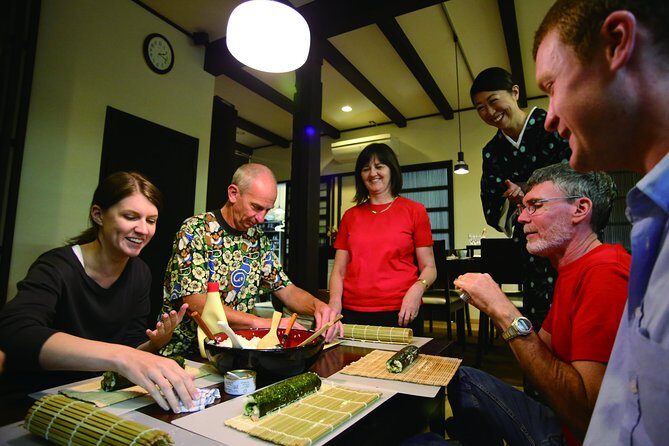
Kyoto does food well, but this class goes one step further. You’re not just eating sushi in a pretty room; you’re learning the process, the rules, and the small habits that make Japanese dining feel natural.
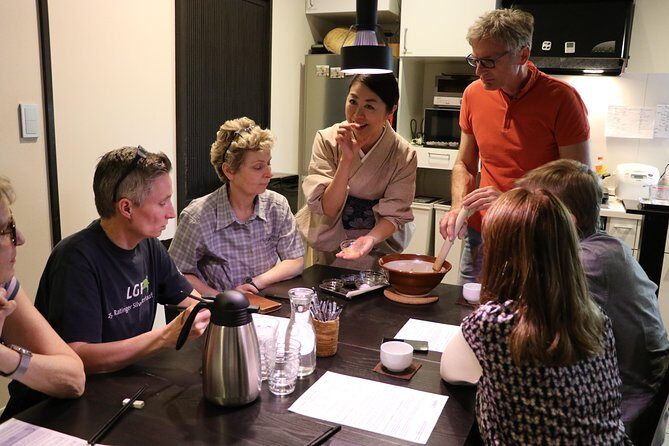
What makes it special is the format: a small group, a real kitchen setup, and Kaori leading you like you’ve been invited in. Reviews consistently point to the same vibe—friendly, organized, and easy to follow—even if you’ve never made sushi before.
You’ll start with a light drink and Japanese green tea, then shift into cooking. The class also weaves in cultural context while you eat, so the experience sticks in your memory after the last bite.
You can also read our reviews of more cooking classes in Kyoto
Meet Kaori at Roujiya (Nishinokyō Ikenouchichō) and Set Yourself Up to Learn
Your meeting point is Roujiya, located at 22-58 Nishinokyō Ikenouchichō, Nakagyo Ward, Kyoto. The class begins at 11:30 am and runs about 2 hours, ending back where you started.
Since there’s no hotel pickup, your best move is simple: arrive a few minutes early and take a slow look at your surroundings once you get there. When you’re ready to cook, you don’t want to waste time figuring out what station you’re using or where to set your bag.
The class is capped small (max 12 travelers, and the booking is listed with an upper limit slightly higher), which matters. In a larger room, sushi can feel like a factory line. In a small group, the instructor can correct your rice handling and your pacing without you feeling rushed.
What You Cook: Sushi Rice, Dashi Soup, and Pickled Ginger
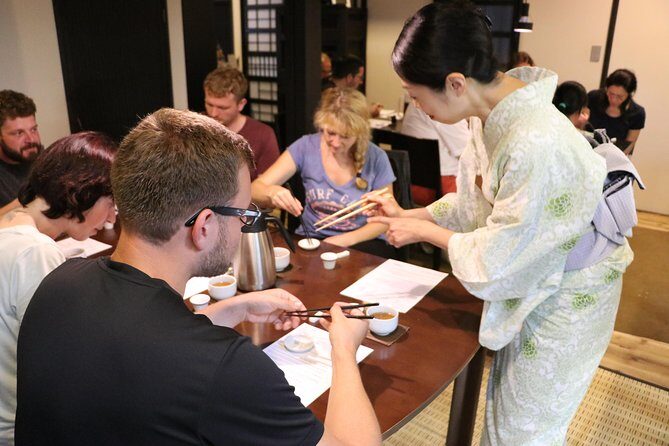
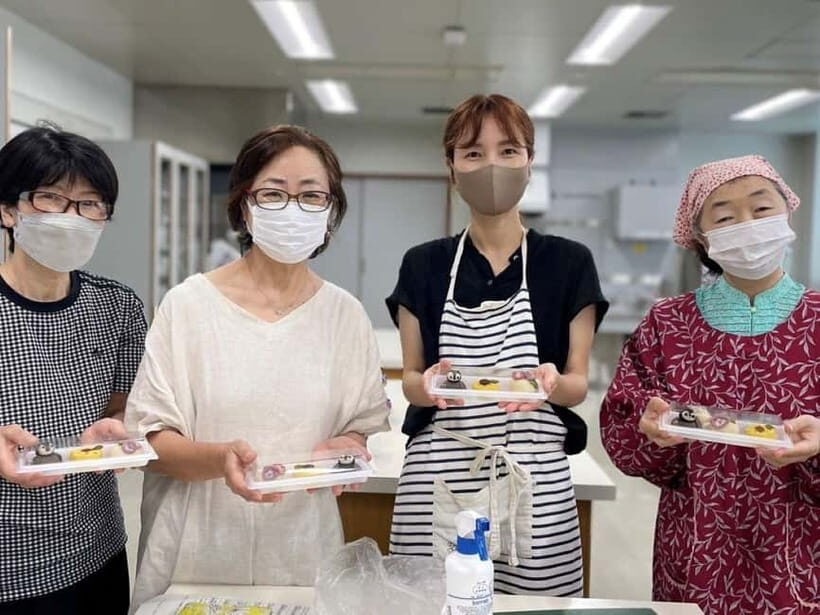
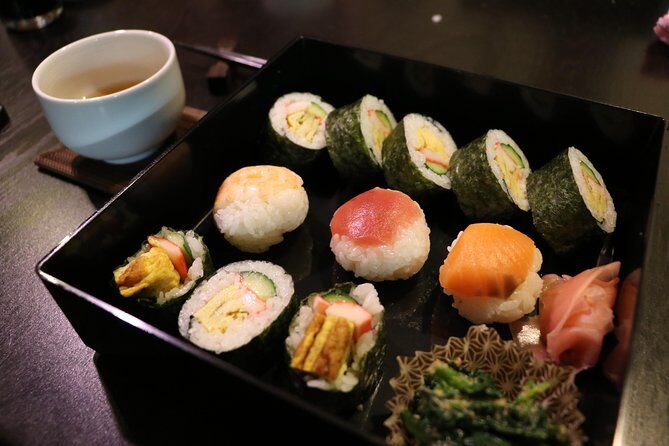
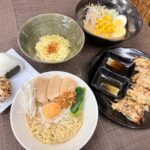
This isn’t a one-dish class. You’ll make several types of sushi, plus Japanese soup and pickled ginger. Even better, the ingredients are handled for you, so you’re learning technique without the stress of sourcing specialty items on the spot.
Here’s the practical way to think about it:
- Sushi rice practice is the foundation. The class focuses on how to get the rice prepared the right way for sushi. You learn the steps you’ll need later when you try it at home.
- Dashi soup teaches the flavor engine. You’ll learn about a broth called dashi, commonly made with seaweed and bonito flakes, and how that flavor supports Japanese cooking and sushi taste.
- Pickled ginger shows balance. You learn the role of pickles in the dining experience—adding brightness and resetting your palate.
Several people mention topics like umami and why certain ingredients behave the way they do. The payoff is that you’re not memorizing steps like a robot. You’re building intuition.
If you love sushi, this class is a strong souvenir because it turns a restaurant meal into a repeatable skill.
The Etiquette Lesson: How to Navigate Sushi Dining Like a Regular
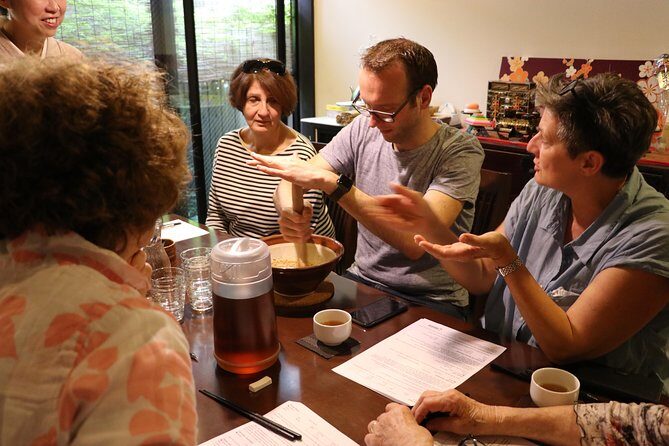
A big reason this class stands out is that it teaches sushi dining manners, not just sushi making. In Japan, sushi has its own rhythm: pacing, handling, and respect for the food.
You’ll learn Japanese table manners as part of the experience, and you’ll get a written guide that covers manners along with recipes (many participants highlight a multi-page handout). That’s useful because etiquette can feel vague when you’re abroad. In the class, you’re given clear, practical rules that make sense.
You also learn cultural details that connect directly to behavior at the table. One example from the learning theme: you’ll hear why chopsticks are shorter than Chinese ones. Even if you never get perfect at chopsticks during your vacation, understanding the logic behind small differences makes dining less intimidating.
The Culture Parts That Actually Connect to Your Hands
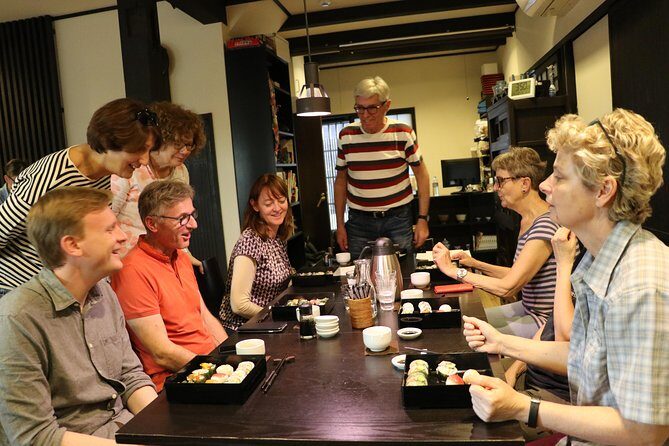
Some cooking classes give you trivia while you wait for your food. This one links culture to technique.
In particular, Kaori shares Japanese culinary history and explains how Japanese cooking achieves flavor depth—especially through concepts like umami and the broth base used for soups. You’re not just hearing names. You’re learning how those ideas show up in real steps, like preparing components that support the final sushi taste.
You’ll also fan the sushi rice as part of making sushi rice. That sounds oddly specific until you understand why: cooling and texture matter. It’s the kind of detail you won’t get from watching video clips online, because online recipes usually skip the tactile cues that help your rice feel right.
The result is that you leave with a better sense of what makes Japanese food taste clean, balanced, and satisfying.
A few more Kyoto tours and experiences worth a look


Hands-On Pace in a Small Group: Where Learning Gets Efficient
Two hours isn’t long. The trick is using the time well, and this class is built for that.
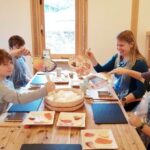
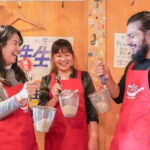
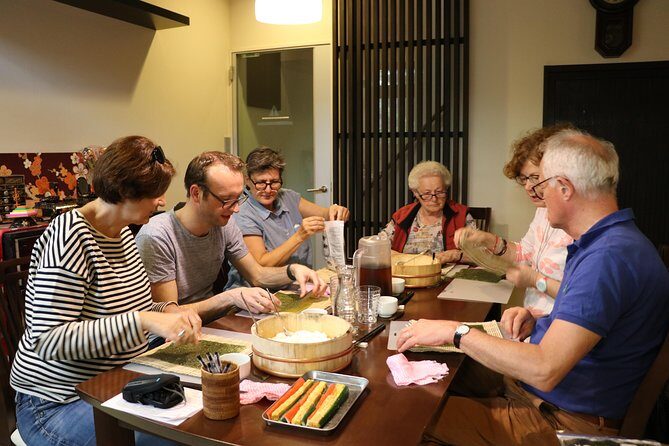
You’ll move through a set flow: start with tasting/drinks, then shift to sushi rice and components, then make and eat your sushi creations, along with soup and pickled ginger. You’ll also learn what you’re doing and why, instead of only being told what to do.
Because the group stays small, the instructor can check details as you work. That matters most when you handle rice and shape sushi—those are the steps that most beginners struggle with. Multiple people mention Kaori’s patience and clear instructions, which is exactly what you need when you’re trying something new in a kitchen setting.
You’ll also get to eat what you make, which is underrated. The class is educational, but it’s still a meal. That balance helps you remember what worked and what didn’t.
Value Check: Is $72.67 Really Worth It?
Let’s be honest: $72.67 for about two hours is not the cheapest thing you can do in Kyoto. But this isn’t a generic activity. It’s a skill-building class with food, ingredients, drinks, and recipes.
Here’s what you’re getting for the price, based on what’s included:
- the meal you cook and eat
- all ingredients
- an English-speaking instructor
- recipes (take-home reference)
- an aperitif and Japanese green tea
Now compare that to typical alternatives:
- Eating sushi out costs money too, but you usually don’t leave with instructions you can use again.
- Cooking classes that are larger or more showy can feel less personal and may not give enough feedback.
The value here is that the experience gives you a meaningful souvenir: the ability to appreciate sushi flavors and recreate some of the technique later. If you’re the kind of person who cooks at home—or you want a story you can actually act out at your kitchen counter—this class delivers.
Location and Timing Tips for Your 11:30 Start
This starts at 11:30 am at Roujiya in Nakagyo Ward. It ends back at the same meeting point, so you’re not juggling transfers.
A couple practical tips:
- Eat lightly beforehand. You’ll cook, then you’ll eat what you make. Arrive hungry but not stuffed.
- Plan for local navigation. Kyoto addresses can be confusing even when you’re paying attention, so double-check your route before you leave your hotel or home base.
- Build in buffer time. The class runs about two hours, and you don’t want to enter mid-instruction.
Also, since confirmation is handled after booking (with subject-to-availability language), it’s smart to confirm your details early once you get the message.
Who This Class Is Best For
This works really well if you fall into any of these groups:
- Sushi lovers who want something more than a restaurant meal
- Beginner cooks who need clear steps, especially for sushi rice and flavor basics
- Food culture fans who like learning why Japanese flavors work, not only the recipe itself
- Families: it’s set up for mixed ages and includes instruction and structure that people can follow
If you have dietary needs, you can advise at the time of booking. One person specifically described it as working well for gluten-friendly needs, but the safest approach is always to share your requirements in advance so the team can guide you appropriately.
Should You Book the Roujiya Sushi Class?
If you want a Kyoto souvenir that lasts past your camera roll, I’d book this. The combination of hands-on sushi making, a mini crash course in sushi etiquette, and take-home recipes is a rare mix. It’s also small-group and guided by Kaori, which keeps the experience friendly and focused instead of chaotic.
Only skip it if you’re mainly looking for a hands-off tasting. This is about working in the kitchen. If that sounds fun (and you’re okay spending about two hours learning), you’ll likely come away with a skill and a new respect for how sushi should be eaten.
If you’re on the fence, consider this: you’re paying for ingredients, instruction, and a meal you can recreate. That turns a short afternoon into something useful.
FAQ
What is the duration of the sushi cooking class in Kyoto?
The class is approximately 2 hours.
How much does the Roujiya sushi class cost?
The price is $72.67 per person.
Is the class taught in English?
Yes. The instructor is English-speaking.
What is included in the price?
The meal, all ingredients, English-speaking cooking instructor, recipes, an aperitif, and Japanese green tea are included.
What dishes will I make during the class?
You’ll make several types of sushi, Japanese soup, and pickled ginger, plus you’ll learn about sushi rice.
Where do I meet for the class?
You meet at Roujiya, 22-58 Nishinokyō Ikenouchichō, Nakagyo Ward, Kyoto, 604-8375, Japan.
Is hotel pickup or drop-off included?
No. Hotel pickup and drop-off are not included.
Is the class a small group?
Yes. It has a maximum of 12 travelers, with a listing that mentions up to 13 people per booking.
Can the class accommodate dietary requirements?
You should advise any specific dietary requirements at time of booking so the team can plan accordingly.
What is the cancellation policy?
You can cancel for a full refund if you do it at least 24 hours before the experience’s start time. If you cancel less than 24 hours before, the amount paid will not be refunded.