REVIEW · KYOTO
Ninja 1-hour Hands-on Lesson by Japanese master in Kyoto -Entry
Book on Viator →Operated by NINJA DOJO and STORE · Bookable on Viator
Kyoto’s ninja training is about your whole body, not just watching. In this 1-hour hands-on class in a real dojo, I like that you get to learn Kuji-In breathing and ninja walking, then test your skills with multiple weapons. The main tradeoff: it’s a beginner-friendly, show-and-practice format, so if you want deep academic history, you may feel it stays a bit light.
What makes it work well is the structure: instruction, safety-minded practice, and a fun set-piece or two. You’ll also get ninja clothes rental for the lesson, which turns the “I’m here” moment into something you’ll remember. Just know you’re paying $80.58 for an active hour, not a long museum-style tour.
In This Review
- Key things to know before you go
- Kyoto Ninja Dojo Lesson: What This Really Feels Like
- Price and Value: Is $80.58 for One Hour Worth It?
- Where You Meet and How to Plan Your Timing
- The 1-Hour Flow: What Happens From Start to Finish
- 1) Check-in and ninja clothing rental
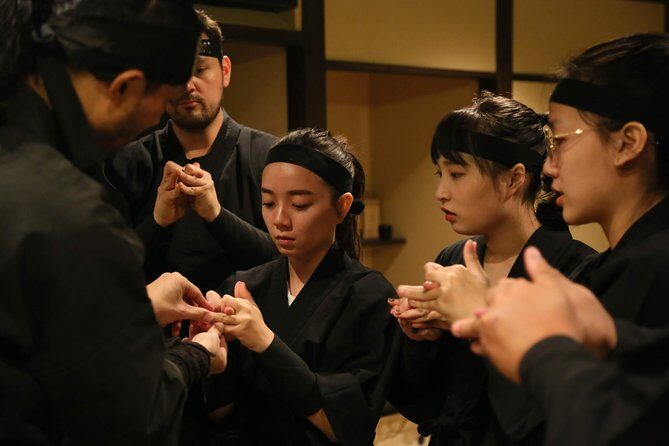
- 2) Entry-level ninja fundamentals: breathing, Kuji-In, and walking
- 3) Ninja trick house: a gimmick and trap-style moment
- 4) Sword training: demonstration first, then your turn
- 5) Kunai (dagger) training
- 6) Shuriken (ninja star) training
- 7) Blowgun (blow darts) training
- “Authentic” vs “Gimmicky”: How to Judge This Experience
- Who Should Book This Kyoto Ninja Lesson
- Gear, Safety, and the Reality of Throwing Weapons
- What to Expect From the Instructors (and Why It Matters)
- Photo Worthy Moments You Should Plan For
- Quick FAQ: The Practical Stuff
- FAQ
- How long is the ninja lesson in Kyoto?
- How big is the group?
- What weapons and skills do you practice?
- Is English instruction provided?
- Is ninja clothing included?
- Is food or drink included?
- Where do I meet the tour?
- Should You Book This Ninja Dojo Lesson?
Key things to know before you go
- Small group (max 6): more time practicing than standing in line.
- Gear included: ninja clothing rental during training.
- Multiple weapon stations: sword, kunai, shuriken, and blowgun darts at entry level.
- Classic ninja drills: breathing, meditation-style Kuji-In, and walking techniques.
- Dojo set pieces: there’s a ninja trick house segment with a gimmick and trap theme.
- Family-friendly energy: reviews mention kids and parents having a good time together.
Kyoto Ninja Dojo Lesson: What This Really Feels Like
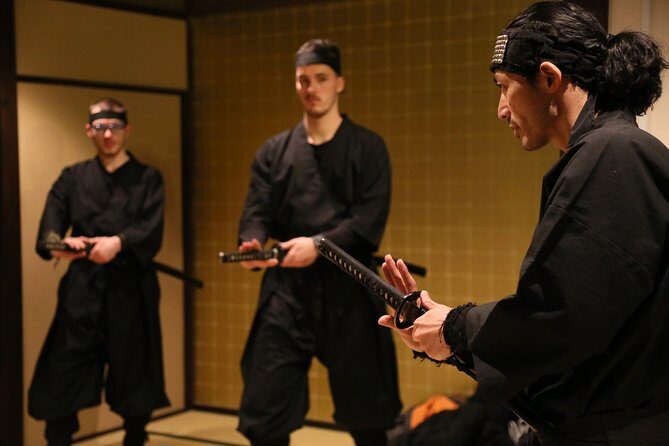
This is one of those Kyoto activities that’s built for participation. You’re not just hearing about ninjas. You’re learning how to move, how to breathe, and how to handle training weapons—then you’re doing it yourself, step by step.
The tone is playful but not careless. It’s set up like a class in a dojo: you show up, get fitted in training clothes, learn a few core ideas, and rotate through stations. In other words, it’s an “hour with a clear goal,” not an open-ended experience.
And the group size matters. With a maximum of 6 people, the instructor can correct your stance and help you avoid the most common beginner mistakes. That’s the difference between a fun photo-op and an actually useful skill session.
A few more Kyoto tours and experiences worth a look



Price and Value: Is $80.58 for One Hour Worth It?
$80.58 per person sounds like a splurge until you look at what’s included. You get:
- a 1-hour class in a Kyoto dojo
- English instruction from a Japanese sensei master (taught in English)
- ninja clothing rental
- admission fee included
- hands-on training with several ninja weapon types
If you compare it to other “experience” activities in Kyoto, the value comes from practice time. You’re not watching for most of the hour. You’re throwing, aiming, walking, and handling training weapons. Several reviews also mention how carefully the instructors manage the tools, which matters because the “hands-on” part can be risky in theory—unless the staff is on top of safety.
One more thing: this class is designed for beginners. That means you’re paying for guided learning, not for already knowing how to stand, throw, and control your body.
Where You Meet and How to Plan Your Timing
You’ll meet at NINJA DOJO and STORE KYOTOJapan, 600-8422 Kyoto, Shimogyo Ward, Hakurakutenchō, 528 2F. The activity ends back at the meeting point.
There’s no hotel pickup or drop-off, so plan on getting yourself there using public transportation. The good news is that the location is near public transit, and reviews describe it as convenient and centrally located.
Because the duration is about 1 hour, treat it like a timed ticket: avoid scheduling it right when you’ll be rushing from a long temple visit. If you arrive a little stressed, you’ll feel it during the training.
The 1-Hour Flow: What Happens From Start to Finish
Here’s the experience in the order you’ll likely feel it:
1) Check-in and ninja clothing rental
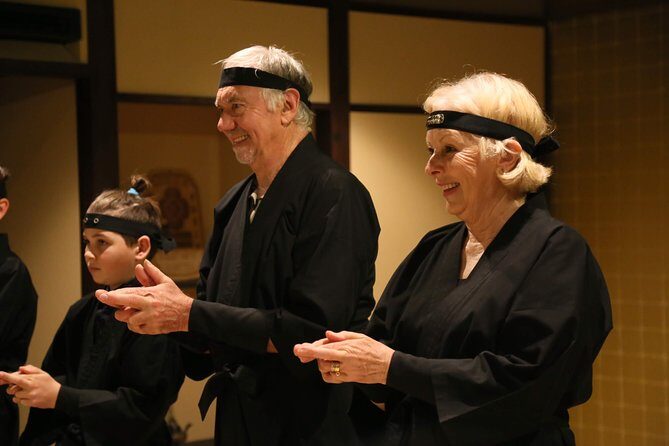
You start at the dojo and store. Then you get dressed in the ninja training outfit. Reviews consistently point out that this is more than costume fluff. It helps you commit to the training mindset and makes the rest of the hour feel like an actual lesson.
A few more Kyoto tours and experiences worth a look




2) Entry-level ninja fundamentals: breathing, Kuji-In, and walking
The heart of the class is learning a baseline “ninja way” of moving. You’ll cover:
- Ninja meditation Kuji-In
- ninja breathing
- ninja walking
This is where the experience becomes more than weapon practice. You’re taught to control your body and your tempo—quiet, steady movement instead of “movie ninja flailing.”
A useful tip for you: don’t try to make it look cool. Focus on the instructor’s cues for posture and balance. The walking drill is where many first-timers suddenly realize coordination matters more than speed.
3) Ninja trick house: a gimmick and trap-style moment
Next comes an introduction gimmick and trap-themed segment at a ninja trick house. Reviews mention dark-floor movement and “secret rooms” in the dojo setting.
This is part performance, part training. It helps break the tension and keeps the hour moving. It also gives the sensei a chance to explain stealth-style movement in a way that sticks.
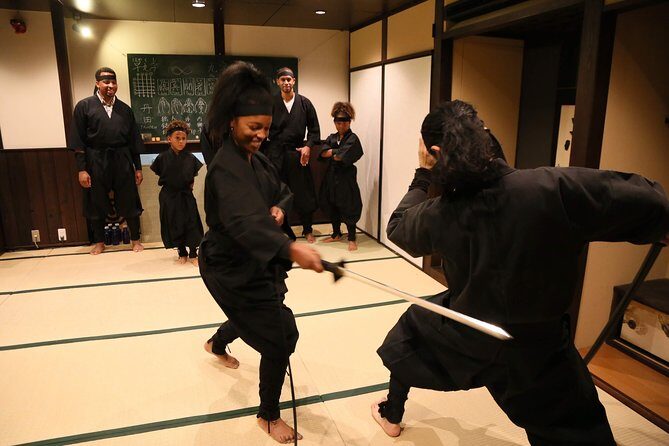
4) Sword training: demonstration first, then your turn
Then you shift into weapon instruction, starting with the ninja sword. Expect a demonstration and then a practice segment.
Even if you’ve never held a sword in your life, the lesson is set up for beginners. The key is listening carefully to safety and grip cues, then repeating what you’re shown.
5) Kunai (dagger) training
After sword practice, you’ll move to kunai training. This is a common “starter weapon” for ninja lessons because it gives you a different grip and release pattern than a long blade.
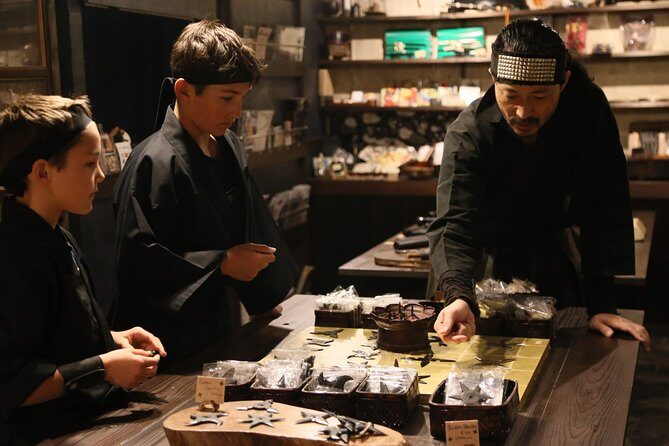
6) Shuriken (ninja star) training
Then comes shuriken throwing. Reviews highlight this as a big hit for both kids and adults. The focus is typically on control and aiming at targets, not on turning it into a fast shooting competition.
If you want to get the most out of it, watch how your instructor sets your stance before you throw. Small changes in foot position make a huge difference.
7) Blowgun (blow darts) training
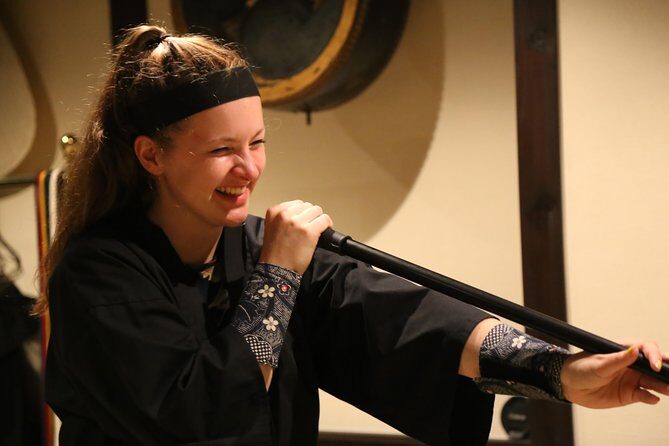
Finally, you’ll try the ninja blowgun with blow darts. More than one review mentions people realizing they’re surprisingly good at it.
This station tends to reward patience. If you rush, you’ll feel it in your aim. Slow breathing and steady control—basically the earlier lessons—start paying off here.
And yes, some reviews mention instructors and assistants taking photos and videos during the class and sharing them at no extra cost. If you care about souvenirs, bring your best smile anyway.
“Authentic” vs “Gimmicky”: How to Judge This Experience
One theme shows up in the reviews: people who want hands-on fun rate it highly. People who want deep, textbook-style ninja history rate it a bit lower.
So here’s a fair way to choose:
- If you want practical training (breathing, walking drills, then weapons) and you like interactive experiences, you’ll probably love it.
- If you expect a serious historical deep-dive with lots of context and citations, you might feel it’s more entertainment than academic instruction.
Either way, it’s not “nothing.” You do get ninja history context, and the instructor’s goal is to make the drills understandable and doable in one hour.
Who Should Book This Kyoto Ninja Lesson
This is a strong fit if you’re any of the following:
- A family looking for an active indoor break between temples
- A couple who wants a date activity that isn’t just food and shopping
- A solo traveler who likes hands-on learning
- Anyone who likes ninja stories like anime and manga, and wants a real-world skill version
Reviews also mention parents doing it with kids as young as 7, with everyone staying engaged. For adults, it’s often a fun reset: you burn energy, you learn a few techniques, and you leave with stories you can actually tell.
Gear, Safety, and the Reality of Throwing Weapons
This class includes weapon practice, but it isn’t chaotic. Reviews praise the instructors for being careful with the weapons.
Still, you should go in with the right expectations:
- You’ll be practicing with training gear and targets.
- You’ll get guidance on how to handle and throw safely.
- You should wear comfortable clothing that lets you move your arms and legs easily.
If you have any mobility limitations, you can ask in advance whether your instructor can adapt the walking or throwing parts. The tour description says most travelers can participate, and service animals are allowed, but the training nature of the lesson means your comfort level matters.
What to Expect From the Instructors (and Why It Matters)
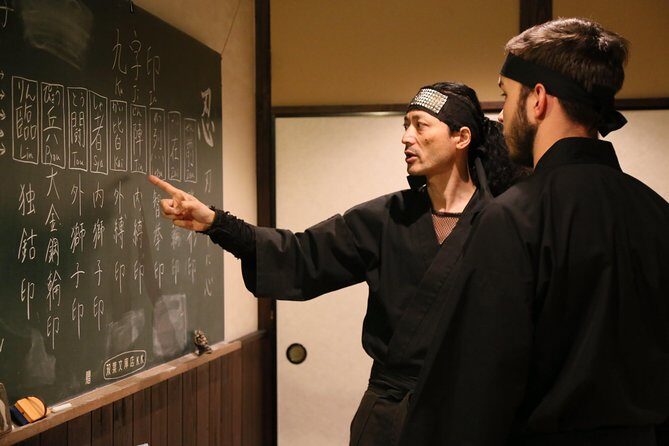
This is taught by Japanese master sensei instructors, and the lesson is delivered in English.
More than one review highlights the instructor’s energy and humor. Names like Sho and Jack show up in feedback, both described as clear, funny, and good at keeping the class understandable. That matters because ninja training isn’t complicated on paper, but it can be confusing when you’re standing in front of a target with a new tool in your hand.
If you can follow cues and you’re willing to practice, you’ll get more out of the hour.
Photo Worthy Moments You Should Plan For
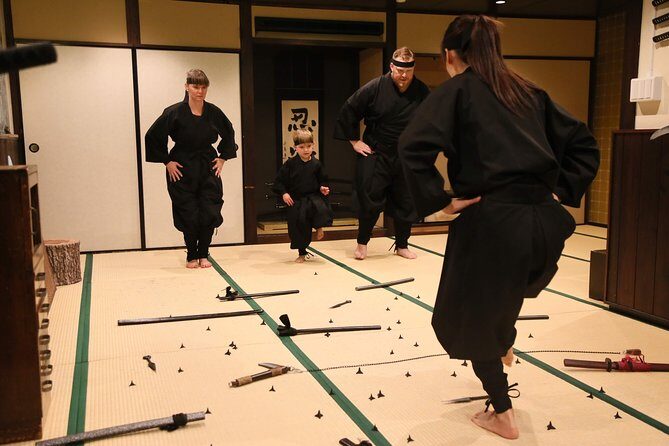
You’ll likely take photos because the experience gives you plenty of “ninja in action” moments:
- you’ll be in ninja gear
- you’ll be practicing walking drills
- you’ll be throwing shuriken and using a blowgun
- the trick house segment adds a visual story element
If you’re the type who hates being photographed, it’s still worth going. It doesn’t feel like a forced photo booth. Instead, it’s documentation of practice.
Quick FAQ: The Practical Stuff
FAQ
How long is the ninja lesson in Kyoto?
It’s about 1 hour.
How big is the group?
It’s limited to a maximum of 6 travelers.
What weapons and skills do you practice?
You’ll practice ninja sword training, kunai (dagger), shuriken (ninja star) throwing, and a ninja blowgun (blow darts) session. You’ll also learn ninja breathing, Kuji-In meditation, and ninja walking.
Is English instruction provided?
Yes. The Japanese sensei master teaches in English.
Is ninja clothing included?
Yes. You get ninja clothes rental during the training.
Is food or drink included?
No. Food and drink are not included.
Where do I meet the tour?
Meet at NINJA DOJO and STORE KYOTOJapan, 600-8422 Kyoto, Shimogyo Ward, Hakurakutenchō, 528 2F. The experience ends back at the meeting point.
Should You Book This Ninja Dojo Lesson?
If you want an hour where you actually do ninja-style basics—breathing, walking, and weapon practice—this is an easy yes. The small group size, clothing rental, and multiple hands-on stations make the price feel more like training than entertainment.
I’d skip it only if you’re mainly hunting for deep historical scholarship or you dislike anything that feels a bit theatrical. For most people, though, it hits the sweet spot: active, beginner-friendly, and genuinely fun in a Kyoto dojo setting.