REVIEW · KYOTO
Home style Ramen and Homemade Gyoza in Kyoto
Book on Viator →Operated by Nariko's Kitchen · Bookable on Viator
Kyoto’s tastiest lesson starts at a home kitchen. You’ll make ramen soup and homemade gyoza from scratch in Nariko’s Kitchen, then sit down and eat your own work in a real, lived-in setting. It’s the kind of class that turns Japanese food from a restaurant mystery into repeatable skills.
I especially like two things. First, you learn the core flavor-building broth for ramen soup, using simple ingredients and a family-style approach. Second, you make gyoza skins/wrappers by hand, not just assemble dumplings with store-bought dough.
One consideration: this class is not vegetarian, and the ramen soup uses dried fish. Also, you won’t make ramen noodles here, so if noodles are your main goal, adjust your expectations.
In This Review
- Key things I’d circle before you book
- Your Kyoto Cooking Class: What Makes It Feel Like Japan, Not a Ticket
- What You’ll Actually Cook in 3.5 Hours
- Ramen Soup Without Noodles: Why That’s Still Useful
- Gyoza Wrappers From Scratch: The Skill You’ll Use Again
- Cucumber Pickles: The Fast Balance Trick
- Eating the Meal You Make: Where the Confidence Clicks
- Small Group Size at Nariko’s Kitchen: Why It Changes Everything
- Price and Value: What $118.92 Really Buys
- Logistics That Matter: Timing, Meeting Point, and How to Get There
- Who Should Book This Class (and Who Might Want Another Option)
- Quick FAQ: Things You Should Know Before You Go
- FAQ
- What dishes are included in the class?
- Do you make ramen noodles in this class?
- Is this class vegetarian-friendly?
- What is the age requirement?
- How large is the group?
- Where do we meet, and what time does it start?
- Is it refundable if I cancel?
- Should You Book Nariko’s Home-Style Ramen and Gyoza Class?
Key things I’d circle before you book
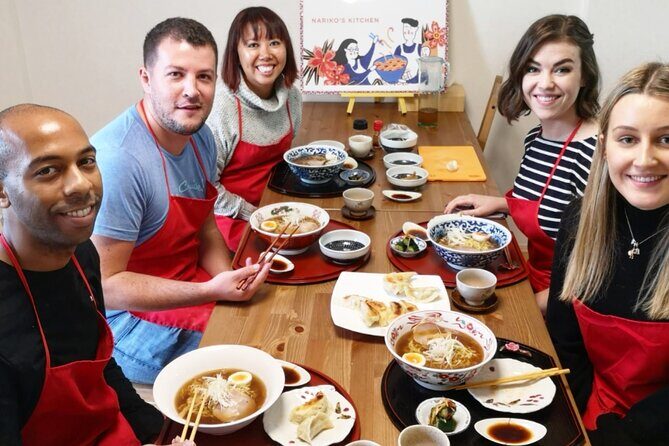
- Home-kitchen cooking, not a showroom demo: you cook in the host’s own space.
- Ramen soup and gyoza wrappers from scratch: the real work is in the base and the dough.
- Small group size (max 8): easier pacing and lots of hands-on time.
- You eat what you make: the class ends with a meal created by you.
- Cucumber pickles included: a bright side that balances rich dumplings and broth.
- Diet and age rules are strict: dried fish in soup; kids need knife skills.
Your Kyoto Cooking Class: What Makes It Feel Like Japan, Not a Ticket
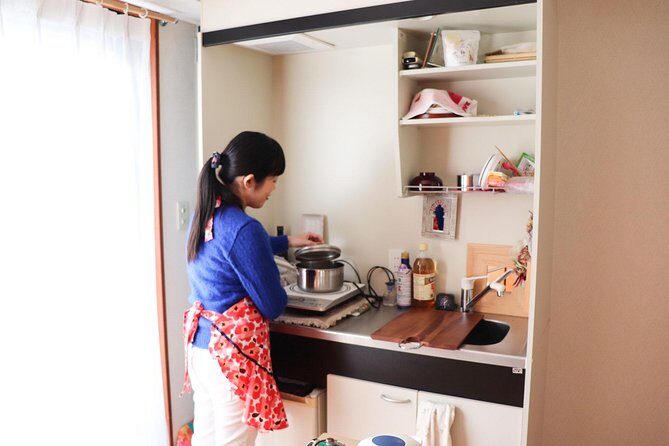
This class hits a sweet spot: it’s structured enough to feel comfortable, but it’s still hands-on and personal. You’re not just watching someone else cook. You’re working at your own pace in a home kitchen, chopping, mixing, wrapping, and tasting along the way.
The setting matters in Kyoto. In a city full of temples and tidy streets, it’s easy to feel like you’re only consuming the culture. Here, you’re creating food using Japanese techniques, and that’s a very different kind of memory.
The host, Nariko, runs the lesson as a genuine cooking class—clean workspace, clear instruction, and a friendly tone. In reviews, people highlight how step-by-step the teaching feels, especially when you’re learning dough and folding, not just assembling a meal.
You can also read our reviews of more tours and experiences in Kyoto.



What You’ll Actually Cook in 3.5 Hours
The total time is about 3 hours 30 minutes, and the food targets three main things: ramen soup, homemade gyoza, and cucumber pickles. There’s also tasting, which is where the lesson stops being “practice” and becomes “I can do this.”
In the ramen part, you make ramen soup using Nariko’s mother’s recipe style. Importantly, the class doesn’t cover making ramen noodles—you’re focusing on the soup and the flavors that make ramen taste like ramen.
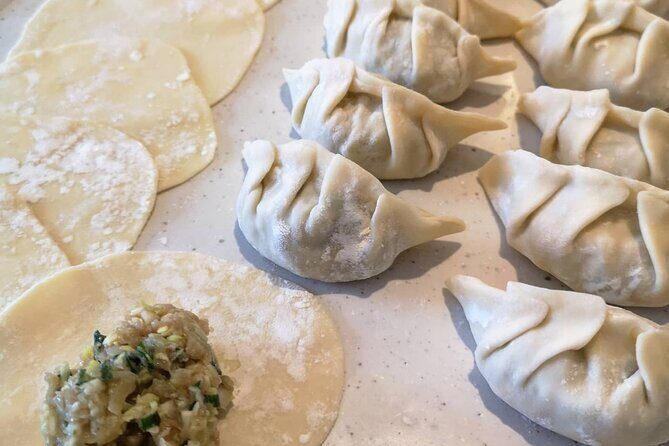
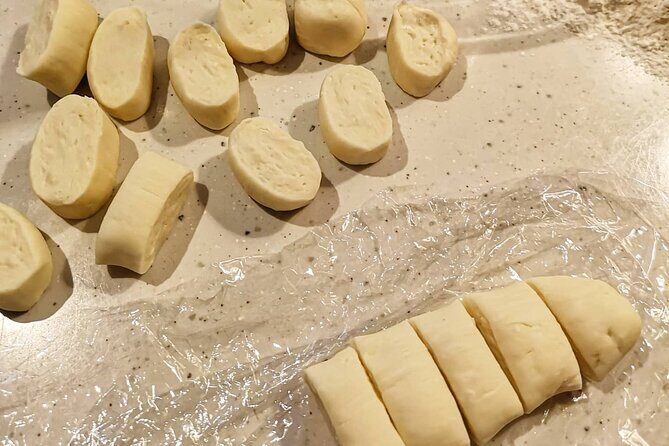
In the gyoza part, you make gyoza wrappers from scratch. That means you’re learning what makes dumpling skins pliable and workable, then filling, shaping, and cooking them your way during class.
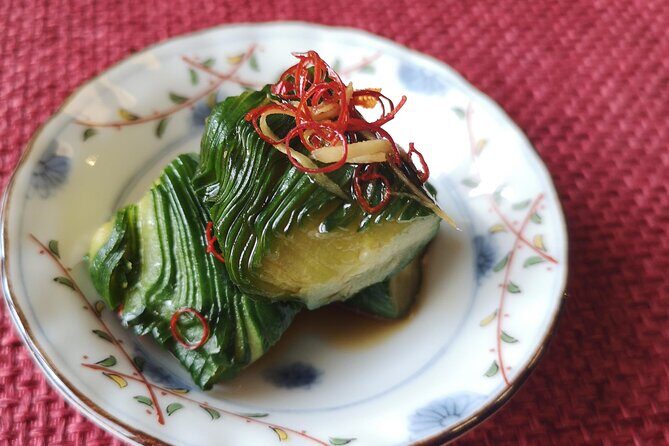
Finally, you’ll make cucumber pickles. This matters more than it sounds: pickles add crunch and acidity, so the meal doesn’t feel one-note after broth and fried dumplings.
Ramen Soup Without Noodles: Why That’s Still Useful
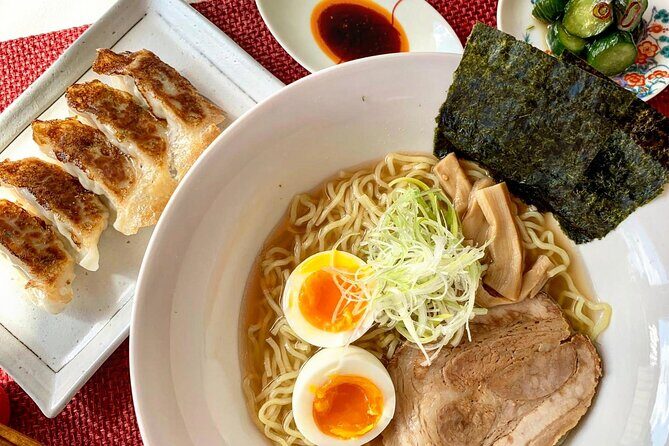
It might feel odd at first that you won’t make ramen noodles. But here’s the upside: you’re mastering the part that’s hardest to fake at home—the broth flavor.
Nariko uses dried fish for the ramen soup. That’s very common in Japanese ramen, and it’s also why the broth tastes deep and complex. If you’ve only had ramen broth from restaurants, this is a great chance to understand how that flavor gets built from ingredient choices and technique, not secret shortcuts.
When you bring this home, the noodle piece is the easiest to solve. You can buy noodles later, or you can use what’s available near you. The broth technique is the transferable skill.
One drawback, though: because dried fish is used, the class can’t be vegetarian. If your diet is strict, you’ll want to choose a different cooking experience that matches your needs.
Gyoza Wrappers From Scratch: The Skill You’ll Use Again
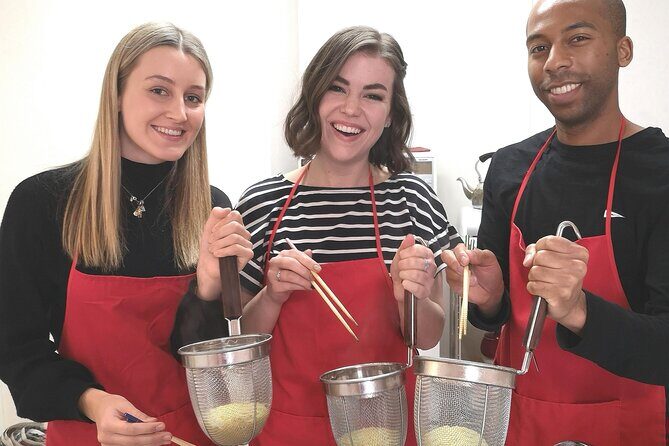
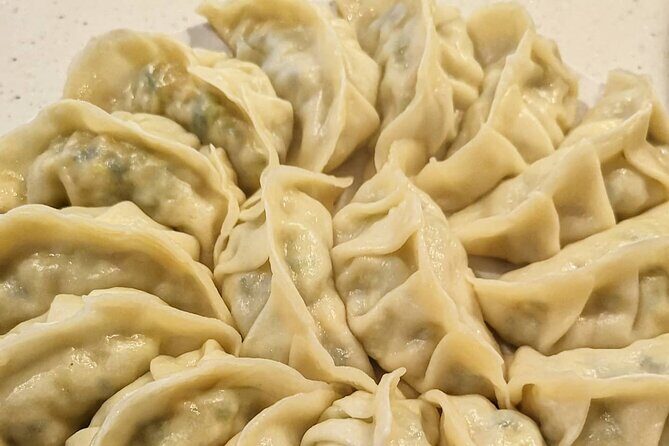
This is the main event for a lot of people, and for good reason. Making gyoza isn’t just “assembling dumplings.” It’s dough work: mixing, rolling, cutting, and shaping so the wrapper stays strong enough to hold filling and cook properly.
From the class description, you’ll make gyoza wrappers (skins) from scratch, and you’ll cook your gyoza as part of the meal. Reviews also call out that the dumplings are fried, not boiled. That gives you that classic gyoza contrast—crisp outside, juicy inside.
I like that you don’t get stuck in the final step. Many cooking classes teach only the “eat this” portion. Here, you get the structure: how the wrapper should feel, how the folding affects sealing, and how the dumplings come together.
If you’ve ever tried making dumplings at home and felt like the wrappers tore or didn’t seal, this kind of instruction is exactly what you need. You’re learning the logic behind the steps, not just copying a shape.
Cucumber Pickles: The Fast Balance Trick
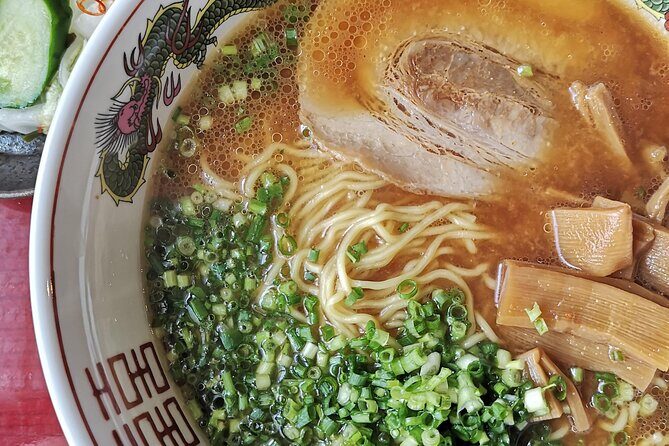
Pickles are often the quiet hero of a meal like this. Rich broth and fried dumplings can get heavy. Cucumber pickles bring crunch and a tangy bite that keeps everything lively.
The class includes cucumber pickles, which means you’re not walking away with only one flavor profile. You’ll leave with a side dish you can make again, even when you’re not doing the full ramen-and-gyoza project.
In reviews, people liked the meal being “just right” in amount. I think the pickles contribute to that effect: they help the overall plate feel complete, not just stuffed.





Eating the Meal You Make: Where the Confidence Clicks
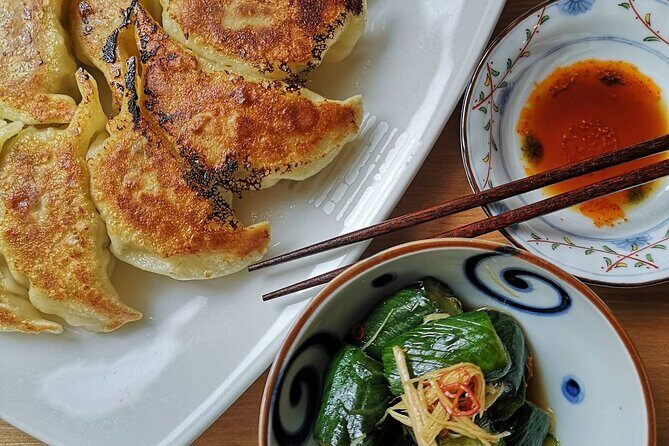
The best part of any cooking class is the moment you taste. Here, you eat what you make after completing the soup and dumplings. That’s a big deal for confidence.
Even beginners can feel successful because you’re not dealing with restaurant-level equipment. You’re working with simple ingredients, and the host guides you through technique and pacing.
Reviews repeatedly mention that Nariko helps people through small steps, with patience and a clear teaching style. People also note how clean and well-laid-out the teaching space feels, which matters when you’re handling dough and knives.
You’ll likely also leave with practical tips for cutting and prepping ingredients properly. Some reviews specifically mention learning correct ways to slice vegetables, which is one of those details that can make home cooking feel suddenly less chaotic.
Small Group Size at Nariko’s Kitchen: Why It Changes Everything
The class has a maximum of 8 travelers. That’s small enough to keep it hands-on, not crowded. You should expect more direct attention than you’d get in a larger group class.
This also affects the pace. When you’re rolling wrapper dough or trying a new folding motion, you need time. A small group makes it easier for the instructor to slow down when someone needs a clearer explanation.
Multiple reviews highlight that the group feels intimate and civilized—meaning the vibe stays calm. You’re cooking, but you’re not stressed or rushed.
If you like learning in a small setting, this is a strong fit.
Price and Value: What $118.92 Really Buys
At $118.92 per person for about 3.5 hours, you’re paying for more than an activity. You’re paying for a personal cooking lesson, a home-kitchen setting, hands-on dough work, and a full meal built from your labor.
Here’s how I judge value for this kind of experience:
- You learn core skills: broth technique plus wrapper-making, not just assembly.
- You leave with recipes: reviews say recipes are shared after class.
- You eat the results: you get a meal, not just samples.
- You get small-group attention: max 8 travelers.
Could you cook ramen and gyoza at home for less? Sure. But the time, guidance, and quality of instruction are what you’re buying here.
Also, the fact that ramen noodles are not made affects value in a good way. Instead of spending time on a step that’s easy to buy, you focus on the hardest part to replicate: the flavor base and dumpling wrappers.
Logistics That Matter: Timing, Meeting Point, and How to Get There
The class starts at 10:00 am and ends back at the meeting point. The meeting location is 5-6 Matsugasaki Rokunotsubochō, Sakyo Ward, Kyoto, 606-0915, Japan.
It’s also near public transportation, and the experience uses a mobile ticket. Confirmation is received within 48 hours of booking, subject to availability.
Two practical notes:
- Plan to arrive a little early so you can settle in before knife-and-dough work starts.
- Because the class is in a home, you’ll want to follow the instructor’s instructions closely about footwear, workflow, and how the kitchen space is set up.
Who Should Book This Class (and Who Might Want Another Option)
I’d recommend it if you want a genuinely practical Kyoto experience: cook something real, learn technique you can repeat, and leave with a recipe folder and a belly full of dumplings.
It’s a great choice for:
- Couples who want a shared “we learned this together” memory
- Food-focused solo travelers who like hands-on learning
- Families with kids old enough for knife work (more on that next)
The class requires participants to be older than 10 because it uses knives. Reviews show that some families have brought younger kids successfully, but don’t count on that. If your child is under the stated age, message first and ask directly.
If you’re vegetarian, skip this one. The soup uses dried fish, and the host can’t make it vegetarian.
Quick FAQ: Things You Should Know Before You Go
FAQ
What dishes are included in the class?
You’ll make ramen soup, homemade gyoza with wrappers made from scratch, cucumber pickles, and you’ll taste what you cook.
Do you make ramen noodles in this class?
No. The class focuses on the ramen soup, and it does not include making ramen noodles.
Is this class vegetarian-friendly?
No. The ramen soup uses dried fish, and the host can’t make this class vegetarian.
What is the age requirement?
Participants must be older than 10 because the class requires using a knife, and children should be able to use a knife.
How large is the group?
The class has a maximum of 8 travelers.
Where do we meet, and what time does it start?
Meet at 5-6 Matsugasaki Rokunotsubochō, Sakyo Ward, Kyoto, 606-0915, Japan. The start time is 10:00 am.
Is it refundable if I cancel?
No. The experience is non-refundable and cannot be changed for any reason.
Should You Book Nariko’s Home-Style Ramen and Gyoza Class?
If you want a Kyoto experience that gives you real skills—not just photos—book it. The combination of ramen soup (with authentic dried-fish broth), gyoza wrappers made from scratch, cucumber pickles, and a sit-down meal is a strong mix of learning and payoff.
Choose it especially if you like the idea of taking home recipes and actually using them later. Many cooking classes teach technique in theory; this one pushes you to do the work.
Just be honest about two points: the soup is not vegetarian, and the class is knife-based with an age guideline of 10+. If those fit your group, this is one of the best ways to spend a morning in Kyoto.