Pedal less, see more of Tokyo. This small-group 3-hour e-bike tour pairs an easy ride with a local guide who explains how each area works, from Kanda workday streets to the edges of the Imperial Palace. I especially love how e-assist lets you cover big distances without turning the trip into a workout, and I love the way guides like Yo and Jenny translate what you’re seeing into real Tokyo context, not just names on a map.
The one thing to consider is that you do need to feel comfortable riding a bicycle through busy city streets, even if the electric help makes it easier. Also, if rain hits, the tour can be canceled depending on the forecast and safety conditions.
In This Review
- Key things to know before you ride
- How 3 Hours on an E-Bike Helps You See Tokyo Without Burning Your Day
- Meeting in Kanda: Fast Start, Real Convenience
- Morning vs Afternoon Routes: Choose Based on Your Tokyo Mood
- AM style tends to lean toward landmarks and central-city history
- PM style shifts more toward subculture and classic Tokyo neighborhoods
- Stop-by-Stop: What You’ll See and Why It’s Worth the Time
- Kanda: Workday Tokyo with tight backstreet energy
- Tokyo Station Marunouchi area: Architecture and a station history lesson
- Imperial Palace surroundings: Moat views and gate photography
- Ginza backstreets (or main streets): Shopping area, explained like a local
- Tsukiji Outer Market area: Old-school food streets without the tourist rush feeling
- Akihabara (PM): Subculture town, beyond the headline stereotypes
- Kappabashi Street (PM): Kitchen tools and serious knife culture
- Asakusa (PM): The historic temple area that people keep returning to
- Ryogoku (PM): Sumo area energy, and maybe a real encounter
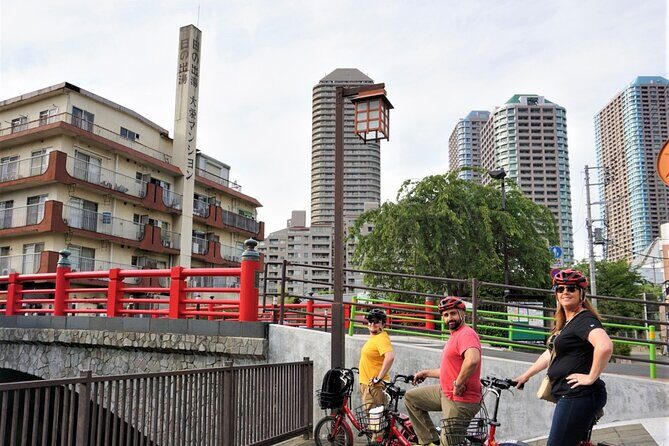
- Nihonbashi Bridge (AM/PM): Tokyo’s measurement origin point
- Guides Are the Difference: From Yo to Jenny to Ted, Take, Kazu, and Ninja
- E-Bike Safety and Ride Comfort: What to Expect in Real Traffic
- Weather and Heat: Tokyo Can Change the Rules
- Price and Value: Why $63 Can Work When It Includes the Right Stuff
- Who This Tour Suits Best (and Who Might Want Another Option)
- FAQ
- FAQ
- How long is the Tokyo e-bike tour?
- Where does the tour start and end?
- What’s included in the tour price?
- What isn’t included?
- Do you provide tickets for the stops?
- What weather happens in case of rain?
- Is the tour offered in the morning and afternoon?
- What are the age and height requirements?
- How big is the group?
- Should You Book This 3-Hour E-Bike Tour of Tokyo?
Key things to know before you ride
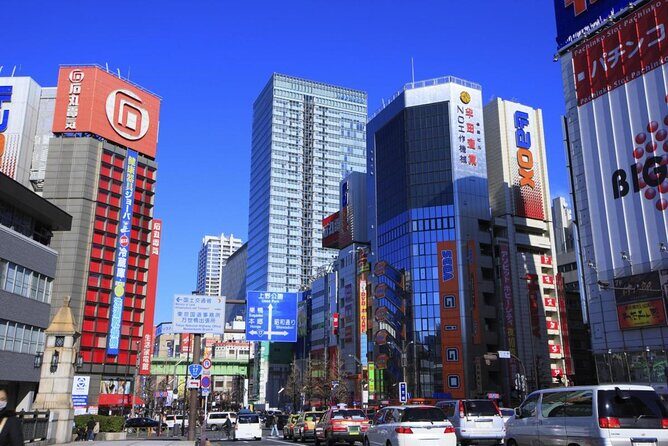
- E-assist makes distance feel manageable so you stay in the sightseeing mood instead of the sweat mode
- Small group up to 6 people means you get personal attention and help keeping the group together
- Morning and afternoon routes differ so you can match the tour to your schedule and interests
- Iconic stops plus local backstreets (Tokyo Station area, Imperial Palace gates, Tsukiji Outer Market, and more)
- Weather and heat safety are taken seriously with a heat-stress reference used in summer
- You get the basics covered: helmet, simple rain gear, insurance, and luggage storage (non-valuables)
How 3 Hours on an E-Bike Helps You See Tokyo Without Burning Your Day
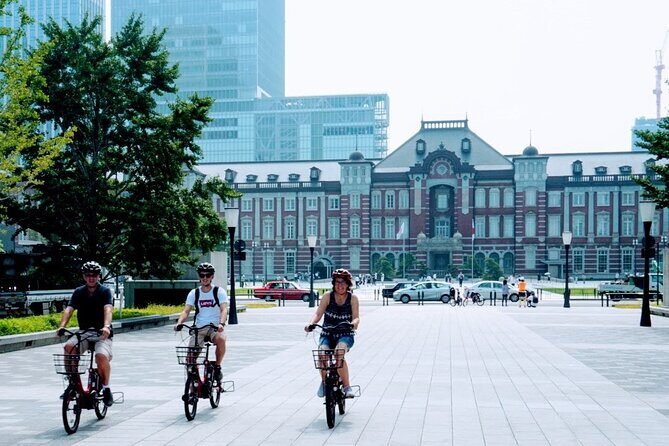
Tokyo can eat time. Trains, transfers, walking, crowd navigation—it adds up fast. This tour solves that with rental e-assist bikes and a guide who keeps the route efficient. You’re still out in the neighborhoods, but you’re not spending your morning or afternoon hunting for the next stop.
What makes the experience feel like good value is that the “time on bike” isn’t just sightseeing from one big road. You move through different styles of Tokyo—business blocks, market streets, and the calmer edges around major landmarks. And because you ride at your own pace (with the group), you can slow down for photos or questions without the constant pressure of a rigid pace.
One more practical point: you’ll learn the e-bike quickly. The tour isn’t for people who can’t ride a bicycle, but for most riders it’s an easy start. Once you’re comfortable, the bike turns Tokyo from a grid you fear into a place you can move through.
You can also read our reviews of more cycling tours in Tokyo
Meeting in Kanda: Fast Start, Real Convenience
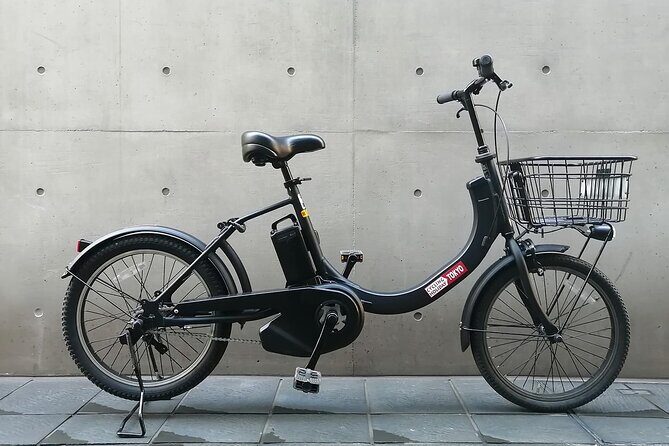
You meet at Cycling Holiday Tokyo at Uchikanda, near Kanda Station. The shop is right by the JR Kanda west exit—about a minute walk—so you don’t waste time arriving and wandering around with jet-lag brain.
This is one of those small details that matters more than it sounds. You’ll have a waiting room, restroom, and luggage storage (as long as you keep valuables with you). If you’re starting your first day in Tokyo, being able to drop bags makes the whole experience feel easier.
Before rolling out, you’ll get a helmet and you’re provided simple rain gear (and simple gloves in winter / cooling products in summer). That setup is part of why the tour works across seasons. In a city where weather can shift fast, you’re not stuck improvising.
Morning vs Afternoon Routes: Choose Based on Your Tokyo Mood
The tour offers different routes depending on whether you book an AM or PM time slot. That’s great because it helps you avoid the problem of doing the “big sights only” version of Tokyo.
AM style tends to lean toward landmarks and central-city history
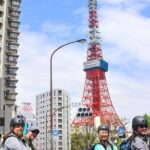
Expect a route featuring Kanda, Tokyo Station area, and multiple Imperial Palace surroundings, plus a market stop and a chance to ride through central shopping streets depending on traffic.
PM style shifts more toward subculture and classic Tokyo neighborhoods
In the afternoon you’re more likely to see areas tied to youth and geek culture, tool and kitchen markets, historic temple area streets, and the sumo world around Ryogoku.
In either case, the route can be adjusted based on road conditions, traffic, pedestrian flow, weekdays vs weekends, and season. That flexibility is not just logistics—it’s how you actually end up seeing more instead of circling because the road ahead is packed.
You can also read our reviews of more guided tours in Tokyo

Stop-by-Stop: What You’ll See and Why It’s Worth the Time
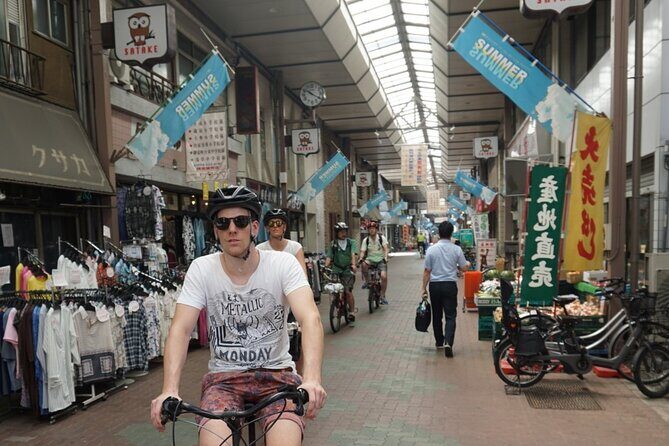
Times on stops are short—often around 5 to 10 minutes—but that’s intentional. You’re not turning this into a museum day. You’re building a mental picture of Tokyo fast, with enough context to help you explore later on foot.
Kanda: Workday Tokyo with tight backstreet energy
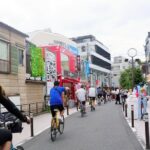
You start in Kanda, a smaller downtown area where you’ll see business rhythm, side streets, and small Japanese-style bars. It’s not a theme park version of Tokyo. It’s the kind of neighborhood that makes Tokyo feel like a living city.
This is also a good warm-up riding zone. You get used to the bike feel while the guide explains what you’re looking at—architecture, street layout, and how the area functions.
Tokyo Station Marunouchi area: Architecture and a station history lesson
From the Tokyo Station Marunouchi Ekimae Hiroba, you get a classic viewpoint of the Tokyo Station building. The guide explains the station’s history and what makes the area important to how Tokyo moves.
This stop works for both first-timers and repeat visitors. First-timers get the basics. Repeat visitors often enjoy the framing, because station stories are rarely “just about trains.”
Imperial Palace surroundings: Moat views and gate photography
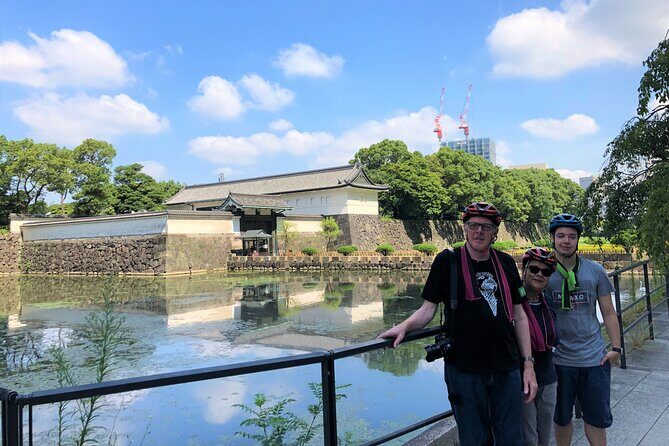
The route can include Kokyo Otemon Gate, where you look across the moat toward the Fujimi yagura tower. It’s a neat reminder that Tokyo’s most famous palace area is still made of very specific, layered details—gates, walls, and sightlines.
You may also ride past Sakuradamon, one of the traditional castle gates. And you can pause near the Imperial Palace park area (noted as around 200,000 square meters), where you get breathing room in the center of the city.
A quick heads-up: most of what you’ll “do” here is look, photograph, and learn—not wander deep inside. That’s fine. The value is how fast the guide connects these gates to how Tokyo’s history shows up in the layout.
Ginza backstreets (or main streets): Shopping area, explained like a local
Depending on conditions, you’ll either cycle through backstreets in Ginza where luxury brand stores cluster, or take main streets. Either way, you’ll get guidance on what you’re seeing and what the street pattern means.
This is where the e-bike helps most. You can slip into smaller streets without turning your day into a walking mission, and the guide can show you the difference between what looks important and what actually feels important to people who live nearby.
Tsukiji Outer Market area: Old-school food streets without the tourist rush feeling
If your route includes Tsukiji Jogai Market, you’ll see small older-style food shops lined up along the streets. This area is famous, but riding through it with a guide helps you notice details you’d likely miss if you arrived solo.
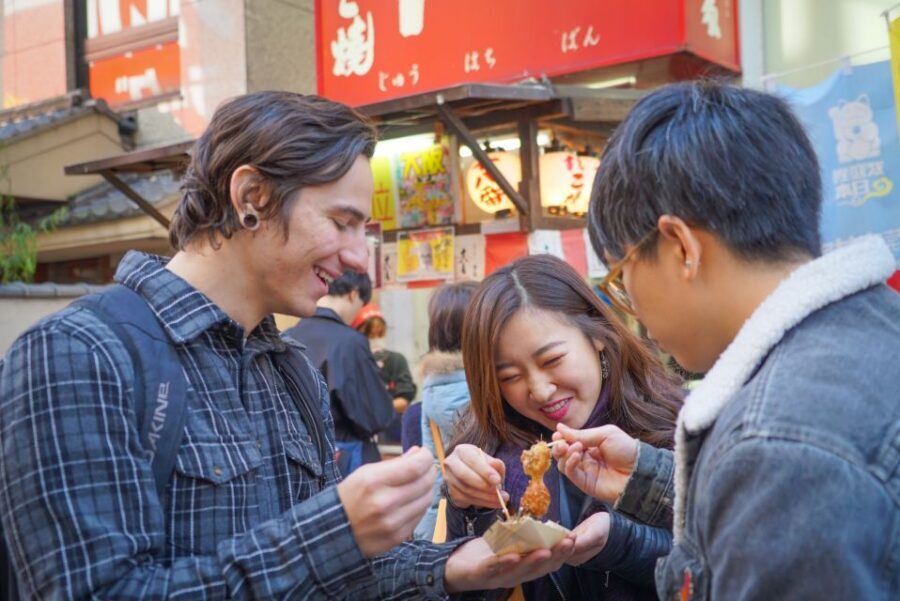
Even if you don’t buy much, the experience is about atmosphere and local food culture: what types of shops line the street, what the labels look like, and how people move through the area.
And yes, you’ll be self-paying for food and drinks. The tour includes the ride, the guidance, and the timing—so you can decide what you want to eat without the tour fee forcing a set meal.
Akihabara (PM): Subculture town, beyond the headline stereotypes
In the afternoon route, you may head to Akihabara, the hub for youth and geek culture. The guide helps you connect what you see to the neighborhood’s vibe, and you’ll understand it as more than a single attraction like a themed café.
This stop is built for curious eyes. Even if you don’t plan to shop, you’ll learn how the area became known for specific kinds of stores and culture.
Kappabashi Street (PM): Kitchen tools and serious knife culture
Another PM stop can be Kappabashi Tool Street, also known for the area’s kitchen utensil shops and professional cooking gear. This is a fun contrast to the high-tech energy of Akihabara.
If you like food, cooking, or collecting souvenirs with a purpose, this stop is your chance. The tour notes you’ll have time to look around and shop if you want.
Asakusa (PM): The historic temple area that people keep returning to
You may visit Asakusa, described as the area tied to Tokyo’s oldest temple. Even if you’ve seen pictures, Asakusa works better when you arrive after a ride that helps you understand where the neighborhood sits in the larger city.
Here again, you’ll stop, look, and absorb. The guide’s job is to point out what you’re seeing so you remember it later when you walk around on your own.
Ryogoku (PM): Sumo area energy, and maybe a real encounter
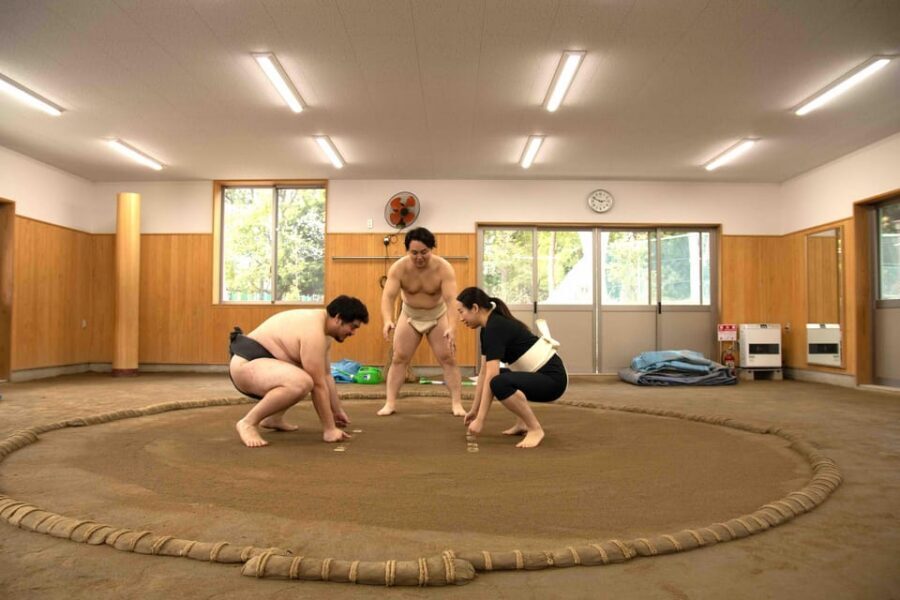
The PM route can include Ryogoku, a sumo wrestler area. The tour notes that you might meet real sumo wrestlers if you’re lucky.
Even if you don’t catch anyone, the neighborhood vibe is different from the rest of Tokyo. You’ll feel it in the local cues and what kind of businesses surround the sports culture.
Nihonbashi Bridge (AM/PM): Tokyo’s measurement origin point
The route may include Nihonbashi Bridge, noted as the center where road distance measurements begin. That detail is surprisingly useful, because it gives you a new way to think about Tokyo’s geography.
It’s the kind of fact a guide can drop that helps your future self understand where you are in relation to the rest of the city.
Guides Are the Difference: From Yo to Jenny to Ted, Take, Kazu, and Ninja
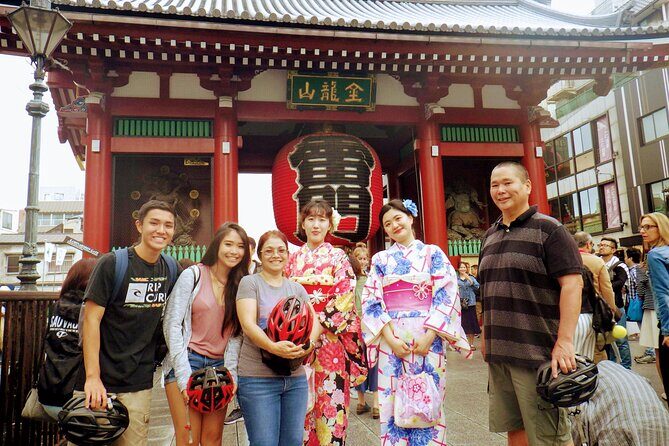
The most consistent reason this tour earns sky-high ratings is the guiding style. You’ll get English narration, safety-first bike handling, and explanations that connect neighborhoods to history and everyday life.
I like that you might experience different guides across days, including names like Yo, Jenny, Ted, Take, Kazu, and Ninja. That variety matters because you’re not stuck with one teaching style. Some guides focus on history and architecture. Others add practical advice for temple customs and how to act respectfully.
One review highlight that’s especially useful for you: you can learn basics about temple customs and rituals, which makes later visits less confusing. It’s not about performing perfectly. It’s about understanding what people expect and why.
You’ll also feel the group management. The ride works because guides keep people together and answer questions without turning the tour into a lecture. And safety shows up in the way they handle rain readiness—ponchos are provided, and there’s advice to bring your own comfort items if you run cold or want better coverage.
If you want a tour that feels like a smart friend showing you around—not a person racing you between photo stops—this is the format.
E-Bike Safety and Ride Comfort: What to Expect in Real Traffic
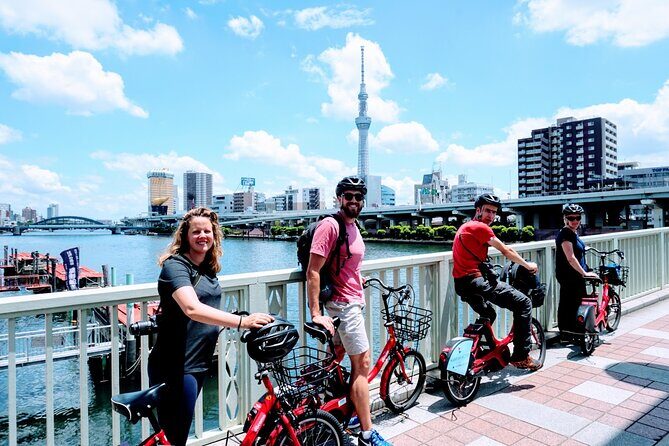
Let’s be honest: Tokyo streets can be intense. Even with e-assist help, you need basic bicycle confidence. The tour requires that you can ride a bicycle, and there’s a minimum height of 147 cm and minimum age 12.
The good part is that the tour is built for safety. Helmets are included. You get insurance coverage. The guide keeps the group together and adjusts the route depending on pedestrian traffic and traffic flow.
A common practical caution from riders: if you’re worried about riding through busy central streets, this is the place you’ll notice that feeling. You can minimize stress by arriving ready—closed-toe shoes, paying attention, and keeping a steady pace.
Also, bring your own comfort. In hot weather, you’ll appreciate towels and sun protection. In cooler months, warm layers and gloves help.
Weather and Heat: Tokyo Can Change the Rules
This tour is weather-dependent. In rain, the tour can be canceled. The decision is made by checking forecasts the day before. Even if the forecast looks sunny, rain can pop up during the ride, and the guide decides whether to continue or stop.
Summer matters most. Tokyo heat and humidity can push you past comfort quickly. The tour uses a heat-stress reference (WBGT) and may cancel departures or stop the tour early if conditions are dangerous. In that scenario, the fee can be refunded.
My practical advice: think like this is a real physical activity even if it’s e-assist. Bring water, and in high heat, consider electrolytes. Wear breathable clothes. And if the guide calls a stop, treat it as part of the value—safety beats stubborn sightseeing.
Price and Value: Why $63 Can Work When It Includes the Right Stuff
At about $63 per person for roughly 3 hours, the price looks reasonable only because so many core costs are bundled. You get:
- rental e-assist bike
- helmet
- English guide
- insurance
- simple rain gear
- winter gloves and summer cooling products
- luggage storage during the tour
You also get a small-group format (up to 6 people) and a local guide who does more than recite facts. They help you navigate, stop at the right places, and translate what you’re seeing into context.
Food and drinks are not included, so you’ll pay for what you want. But the self-pay setup is good value because you can eat lightly, grab a snack, or skip it entirely.
If your alternative is using trains to jump between far neighborhoods, this ride can save time and reduce friction. It’s not that public transit is hard—it’s that this format makes the city feel more continuous.
Who This Tour Suits Best (and Who Might Want Another Option)
This tour is a strong fit if you:
- are in Tokyo for a short time and want a fast way to get your bearings
- want major landmarks plus neighborhood streets in one outing
- enjoy asking questions and learning how locals interpret places
- want a ride that’s easier than cycling by yourself
It’s also a good choice for families with kids old enough to meet the height requirement and ride reliably. The small group format helps keep kids from falling behind, and the guide’s patience is part of the appeal.
You might skip it if:
- you don’t feel comfortable riding a bicycle in city traffic
- you’re hoping for long indoor stops or museum time
- you’re traveling when rain is very likely and you can’t be flexible on rescheduling
FAQ
FAQ
How long is the Tokyo e-bike tour?
The tour runs for about 3 hours.
Where does the tour start and end?
It starts at Cycling Holiday Tokyo near Kanda Station and ends back at the same meeting point.
What’s included in the tour price?
Inclusions include an e-assist bike rental, helmet, English guide, insurance, simple rain gear, and simple gloves in winter or cooling products in summer. You can also leave luggage (except valuables) at the shop.
What isn’t included?
The tour does not include food and drinks. You’ll pay for those yourself at shops.
Do you provide tickets for the stops?
The listed stops are marked as having free admission tickets.
What weather happens in case of rain?
If it’s raining or forecasts indicate poor conditions, the tour may be canceled. If it rains during the tour, the guide decides whether to continue or stop on the way.
Is the tour offered in the morning and afternoon?
Yes. You can choose an AM or PM time slot, and the route differs depending on the time of day.
What are the age and height requirements?
Minimum age is 12 years, and the minimum height is 147 cm.
How big is the group?
The tour is a small group with a maximum of 6 people per booking, and it requires at least 2 people to run.
Should You Book This 3-Hour E-Bike Tour of Tokyo?
If you want Tokyo context fast, this is a solid yes. The combination of small-group guide attention, e-assist ease, and stops that mix landmarks with real neighborhood streets is a practical way to start your trip. Just be honest with yourself about the ride: if busy streets make you nervous, take that seriously before booking. If you can ride confidently and you’re ready for weather-dependent timing, you’ll likely finish with a much clearer mental map of Tokyo and a few places you’ll want to return to on foot.
![[Once-in-a-Lifetime Experience]Tokyo City Go-Kart Experience Tour - Getting There: ALOHA Go-Kart and What You Need Before You Drive](https://images.thejapantraveler.com/wp-content/uploads/once-in-a-lifetime-experiencetokyo-city-go-kart-experience-tour.jpg)