REVIEW · TOKYO
Tokyo West-Side Cycling & Food Tour
Book on Viator →Operated by DIG Tokyo Tours · Bookable on Viator
Pedal through Tokyo’s everyday side. This small-group West Tokyo cycling & food tour takes you off the tourist map on salvaged mamachari bikes, with a river stretch and real neighborhood stops. Expect street snacks, a local-style lunch, and guide talk about how people live, work, and play.
I especially like the format: max 8 people, so it feels like a shared ride instead of a moving crowd. I also love the practical details, like learning Tokyo’s bicycle parking system and how the neighborhoods actually flow.
One thing to think about first: this is real urban riding. You need bike control for narrow, crowded streets and uneven surfaces, plus local food often includes meat/seafood and dashi, which can be tricky if you have strict allergies.
In This Review
- Key highlights
- Pedal Through West Tokyo’s Backstreets, Not the Usual Loop
- Mamachari Bikes: What You Ride (and Why It Matters)
- The Route: Koenji Station to Nakano, Koenji, Asagaya, and Back
- Street Snacks and Local Lunch Without the Fine-Dining Mood
- The Guide Effect: How Andy Turns Streets Into Stories
- Cycling Comfort, Safety, and Who This Is Really For
- Price at $99.49: Is It Worth It?
- Weather and Timing: What to Expect When Tokyo Changes
- Quick FAQ for Planning Your West Tokyo Ride
- FAQ
- How long is the Tokyo West-Side Cycling & Food Tour?
- How far will we cycle?
- What neighborhoods and areas will the tour cover?
- Where does the tour start and end?
- Are bikes and helmets provided?
- Is the tour suitable for first-time cyclists?
- What food is included, and can you handle dietary restrictions?
- What happens if it rains?
- Is there a height requirement?
- What is the cancellation policy?
- Should You Book This West Tokyo Bike and Food Tour?
Key highlights
- Small group (max 8) for a calmer, more personal pace
- Mamachari bikes with front baskets sized for Japanese daily life
- Backstreets + Zenpukuji River in Nakano, Koenji, and Asagaya
- Street snacks and local-style lunch built around everyday eateries
- Andy-style hosting with lots of practical neighborhood storytelling
Pedal Through West Tokyo’s Backstreets, Not the Usual Loop
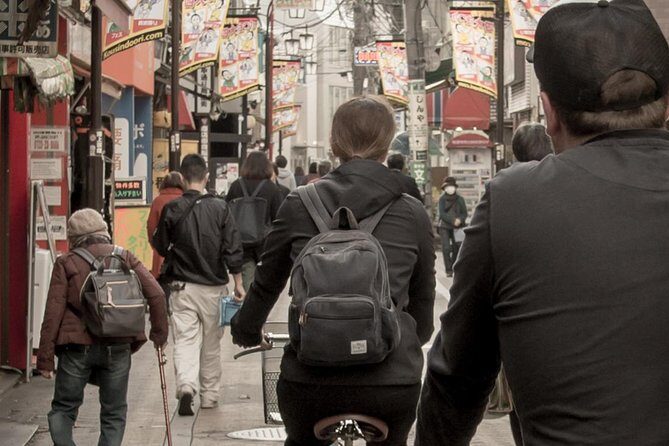
Tokyo can feel like two cities at once. One is Shibuya, Shinjuku, and big-ticket sights. The other is quieter blocks where commuters lock up bikes, snack between errands, and head to work with zero drama.
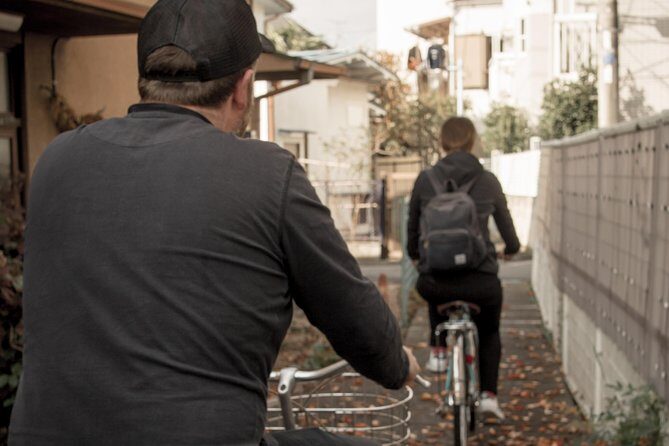
This tour leans hard into that second Tokyo. You ride through West Tokyo neighborhoods like Nakano, Koenji, and Asagaya, then get a calmer moment along the Zenpukuji River. It’s not about checking off landmarks. It’s about seeing how the city works when you’re moving at neighborhood speed.
The “why it works” is the combination of bikes + food + walking. Cycling gets you into side streets fast, food keeps you curious, and short walking stops let you take in details you’d miss at traffic speed.
You can also read our reviews of more food & drink experiences in Tokyo
Mamachari Bikes: What You Ride (and Why It Matters)
You’ll be on a salvaged mamachari—the common Japanese bicycle style people use for errands and commuting. These bikes are described as sometimes creaky or squeaky, but kept in good condition. Translation: don’t expect a showroom ride, but do expect it to roll safely.
A big practical win is the front basket. It’s sized to carry a standard backpack, which matters because you likely won’t want to hold everything in your hands while pedaling. If you’re bringing a camera or day bag, plan for where it’ll sit before you start.
Helmets can be provided on request. Also, there’s a height guideline: you should be over 140 cm to ride comfortably.
The Route: Koenji Station to Nakano, Koenji, Asagaya, and Back
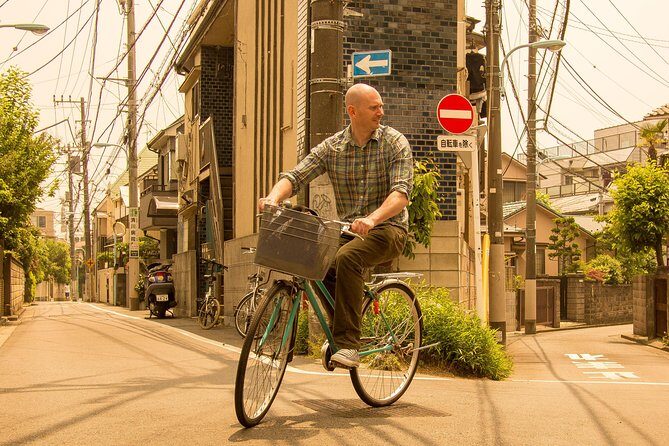
The tour starts at Kōenji Station (4-chōme-48-2 Kōenjiminami, Suginami City, Tokyo 166-0003) and ends back at the same meeting point. That out-and-back setup makes planning easier, especially if you want to pair this with other West Tokyo activities after.
In between, you’ll connect three neighborhood areas—Nakano, Koenji, and Asagaya. The vibe shifts block to block, but the common thread is everyday life: narrow lanes, small storefronts, and street scenes you can’t fully grasp from trains alone.
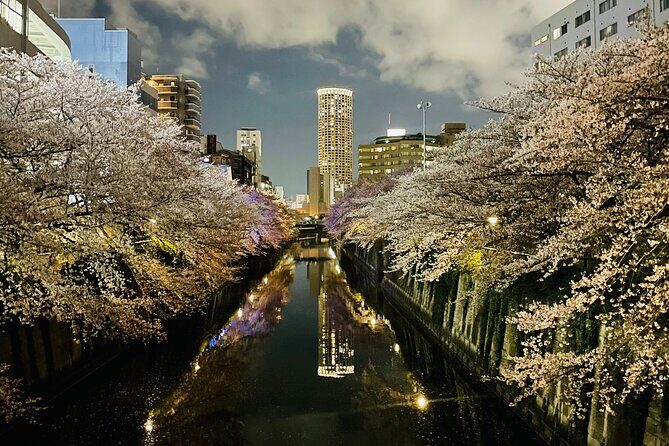
One of the more memorable route moments is the Zenpukuji River segment. Even if you’re not a riverside person, it gives you a break from dense street traffic and lets you feel the rhythm of the area.
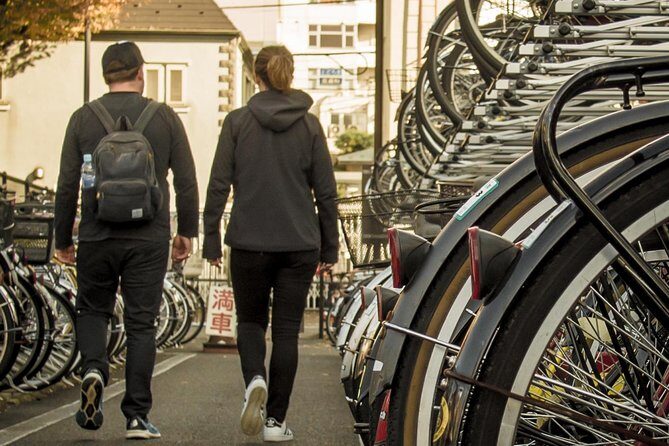
And yes, you’ll likely face real bike culture in action. The tour specifically mentions getting hands-on with bicycle parking systems and dealing with crowded bike areas where people squeeze in, lock up, and move on.
Street Snacks and Local Lunch Without the Fine-Dining Mood
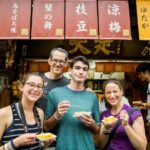
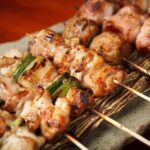
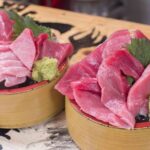
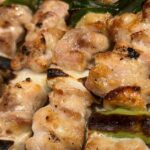
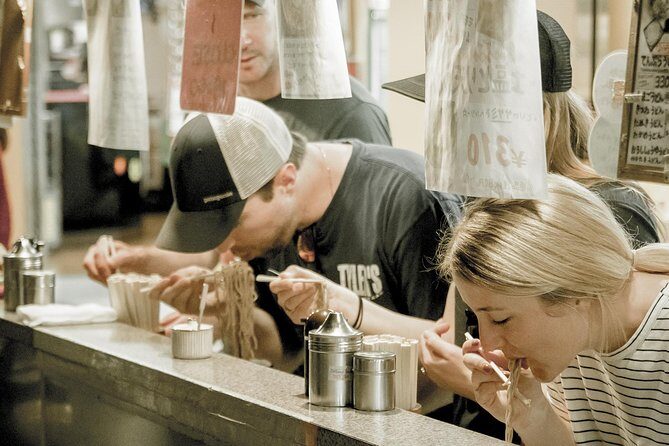
This is a food tour in the street-and-neighborhood sense, not a polished tasting menu situation. You’ll stop for included snacks, then have a Japanese-style lunch along the way.
The key value here is that the food is woven into daily life. Instead of only eating where tourists tend to wander, you’ll sample what locals reach for during normal hours. That means smaller bites, simple ordering moments, and dishes built on familiar Japanese foundations.
Two practical notes for your planning:
- Japanese cuisine commonly uses dashi, and many dishes include meat and seafood.
- Dietary customization is hard at typical local eateries, so if you have allergies or strict dietary limits, you’ll want to think carefully before booking.
Also, the pace matters. The group cycles and eats together, with breaks built into the route. Your timing can shift depending on speed and traffic conditions, so don’t plan another tight reservation right after.
The Guide Effect: How Andy Turns Streets Into Stories
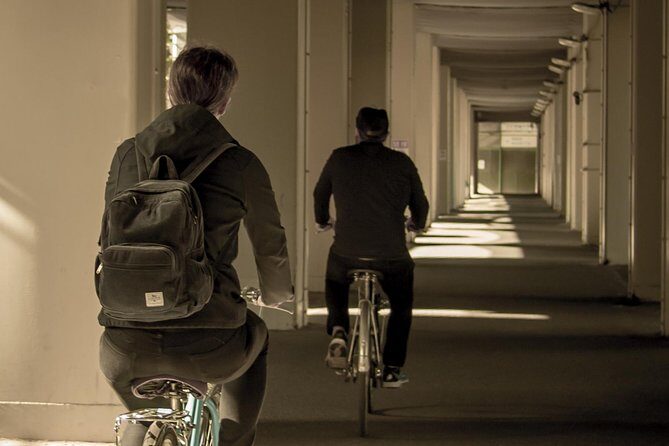
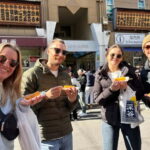
The strongest recurring theme is the guide. When people talk about the experience, they keep circling back to the same thing: a host who mixes practical local info with friendly energy.
Andy shows up a lot in the descriptions, and the tone is consistent—he’s described as upbeat, helpful, and able to answer questions. You don’t just get directions to the next stop. You get context for what you’re seeing, like why certain streets feel the way they do and what everyday routines look like in this part of Tokyo.
It’s also clear the guide focuses on safety and confidence. Several riders note feeling reassured on the bike, including people who were new to cycling in the city. That matters because urban biking is less about speed and more about awareness—traffic flow, side streets, and knowing where you fit in.
There’s another bonus that’s mentioned: a follow-up note after the ride with details about what you ate and extra recommendations tailored to interests. That’s the kind of small aftercare that helps you extend the day beyond the tour endpoint.
A few more Tokyo tours and experiences worth a look


Cycling Comfort, Safety, and Who This Is Really For
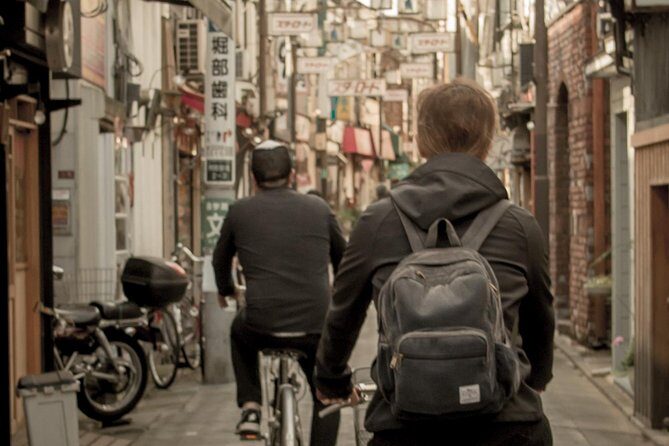
Let’s be honest: this is not a lazy pedal cruise through wide avenues. The tour expects competent riding in an urban environment through narrow, potentially crowded streets and uneven surfaces. The distance is roughly 12–15 km.
The good news is that multiple accounts describe the route as comfortable and often mainly flat, and breaks are built in. That makes it a realistic choice for visitors who can ride a bike and stay calm in traffic, even if they’re not expert cyclists.
Here’s the best-fit match:
- You’re comfortable riding in cities and can handle narrow streets.
- You want cultural context through everyday routines, not just famous spots.
- You like food stops and don’t mind trying dishes that might be different from home.
Here’s the tougher fit:
- If you’re not confident on a bike, this could feel stressful.
- If you have strict allergies or need a very specific diet, local eateries may make it difficult.
Insurance matters too. The tour includes cycling liability insurance for the cycling portion, but you’re expected to have comprehensive travel insurance for yourself.
Price at $99.49: Is It Worth It?
At $99.49 per person, this tour sits in the “value for time” category rather than the cheapest end. The main reason it can still feel worth it is what’s included: the bike setup, multiple snack stops, and a local-style lunch.
For context, you’re buying more than movement. You’re buying access to neighborhood knowledge, food choices that are hard to predict on your own, and a route that strings West Tokyo together without you needing to figure out where to go and what to eat.
Booking timing can also affect your sense of value. This tour is noted as commonly booked about 57 days in advance, which often means spots fill and you’ll want to lock in your preferred date rather than waiting for a last-minute decision.
If you’re the type who likes to see cities in motion and you’ll actually eat the included food, the $99.49 price can feel like a fair trade. If you’re only chasing famous landmarks or you don’t like biking, it probably won’t feel as efficient.
Weather and Timing: What to Expect When Tokyo Changes
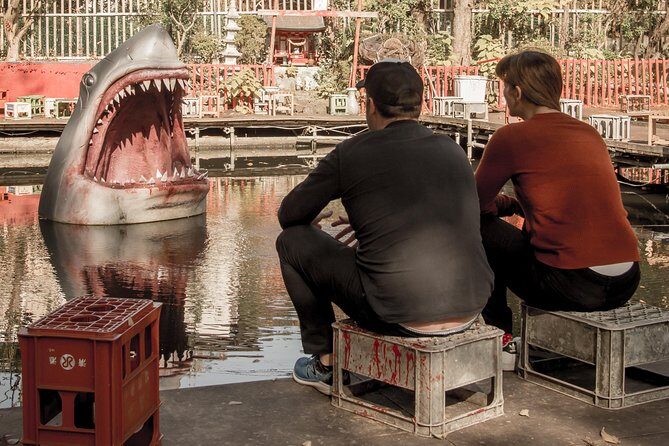
This is an all-season, all-weather style neighborhood tour. Rain isn’t treated like a disaster. Ponchos are provided, and the tour generally proceeds as planned.
Timing is usually around 3.5 to 4 hours, and that range can shift with group cycling speed and how quickly people eat during stops. The route also includes both cycling and walking, so you’re not just sitting on a bike the whole time.
Practical tip: dress for active weather. If it’s hot, you’ll feel it more on a bike. If it’s cool or rainy, poncho + grippy shoes help. You’ll also want to keep your phone and valuables secure, since you’ll be riding and stopping around busy streets.
Quick FAQ for Planning Your West Tokyo Ride
FAQ
How long is the Tokyo West-Side Cycling & Food Tour?
It runs about 3 hours 30 minutes, with a rough guide of 3.5 to 4 hours depending on group speed and meal timing.
How far will we cycle?
You’ll ride roughly 12 to 15 km (7.5 to 9.5 mi), with cycling through narrow and potentially crowded streets.
What neighborhoods and areas will the tour cover?
The route focuses on West Tokyo neighborhoods including Nakano, Koenji, and Asagaya, and it includes a ride along the Zenpukuji River.
Where does the tour start and end?
It starts at Kōenji Station (4-chōme-48-2 Kōenjiminami, Suginami City) and ends back at the same meeting point.
Are bikes and helmets provided?
Yes. You’ll ride salvaged mamachari bicycles. Helmets can be provided for all participants on request.
Is the tour suitable for first-time cyclists?
The tour expects participants to be competent riding in an urban environment, including narrow and potentially crowded streets and uneven surfaces.
What food is included, and can you handle dietary restrictions?
The tour includes street food snacks and a Japanese-style lunch. Since local eateries may use meat/seafood and dashi, it can be difficult to cater to personal tastes, dietary requirements, or food allergies.
What happens if it rains?
Basic ponchos are provided, and the tour generally proceeds as planned even on rainy days.
Is there a height requirement?
Participants should be over 140 cm (4’7) to ride the bikes comfortably.
What is the cancellation policy?
You can cancel for a full refund up to 24 hours before the experience’s start time. If it’s canceled due to poor weather, you’ll be offered a different date or a full refund. If the minimum number of travelers isn’t met, you’ll be offered a different date/experience or a full refund.
Should You Book This West Tokyo Bike and Food Tour?
If you want Tokyo the way locals experience it—on bikes, between errands, with everyday food—this tour is a strong match. The small group size, the West Tokyo focus, and the mix of cycling + walking + included meals make it one of the more practical ways to see a different side of the city.
Book it if you:
- can handle urban cycling for 12–15 km
- like street food and don’t need a restaurant-style menu
- want a guided path through Nakano, Koenji, and Asagaya without guessing
Skip it (or plan carefully) if you:
- aren’t comfortable in narrow or crowded streets
- have strict dietary allergies that local eateries can’t realistically accommodate
- prefer big, famous sightseeing stops over neighborhood discovery
If you fit the ride and food style, you’ll leave with more than photos. You’ll understand how West Tokyo moves. And you’ll know what to look for the next time you’re there.