REVIEW · TOKYO
Tokyo: Tsukiji Fish Market Food and Culture Walking Tour
Book on GetYourGuide →Operated by Japan Wonder Travel · Bookable on GetYourGuide
Tokyo’s food maze comes with a translator. On this Tsukiji Outer Market walk, you learn why chefs chase specific stalls and ingredients while you work your way through the snack-lined alleys.
I love the hit of Wagyu beef skewers (high-end, easy to eat, and totally different from the usual tourist bites), and I love that the tour ends with a proper finish: fresh fish bowl or sushi depending on the day.
One consideration: this tour can’t accommodate vegetarian, vegan, halal, or gluten-free requests, so you’ll want to eat the food they’re serving.
In This Review
- Key Points You’ll Care About
- Tsukiji Outer Market Food Scene in a 3-Hour Reality Check
- Meet at Tsukiji Honganji-Temple: Start With the Right Energy
- The Walk Plan: What Happens in Those 3 Hours
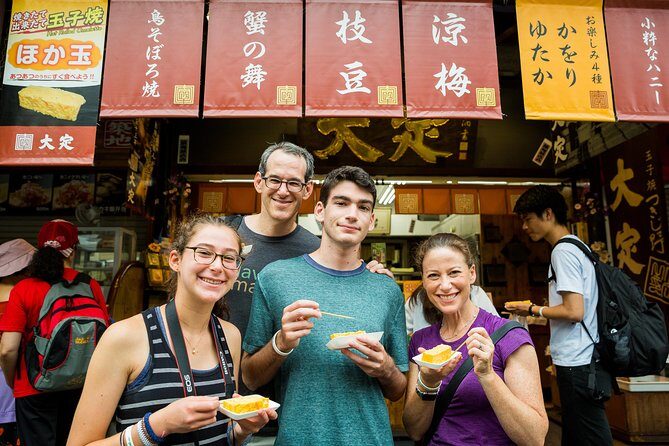
- What You Actually Eat: Wagyu, Sushi or Seafood Bowl, Tamagoyaki, and More
- Sushi vs. Seafood Bowl (and why the day matters)
- How Guides Turn a Crowded Maze Into a Food Map
- Closed Days, Swaps, and What to Plan Around
- Timing and Crowds: When Tsukiji Feels Like a Test
- Price and Value Check: Is $96 Fair for 3 Hours?
- Who This Tour Suits (and Who Should Skip It)
- What to Bring to Make the Day Easier
- Should You Book This Tsukiji Fish Market Tour?
- FAQ
- Where do I meet the guide?
- How long is the tour?
- Is the tour in English?
- How big is the group?
- What food is included?
- Is it the same menu every day?
- Are vegetarian, vegan, halal, or gluten-free options available?
- Is the tour suitable for wheelchair users or mobility impairments?
- What should I bring and are there any age limits?
Key Points You’ll Care About
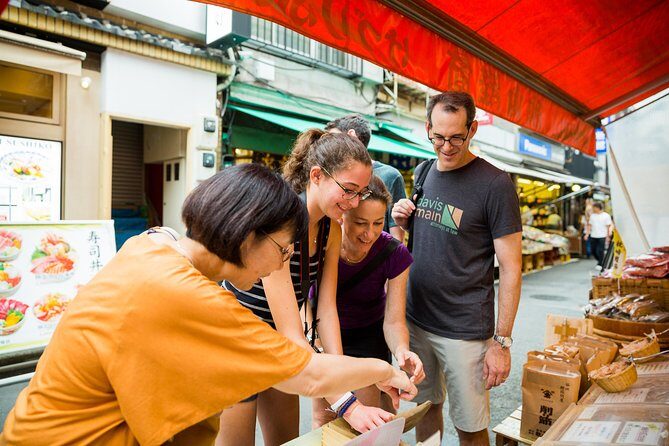
- Small groups (2–8) make it easier to ask questions and actually talk to vendors.
- Wagyu beef skewers plus a seafood finale means you won’t leave hungry or guessing.
- Included tastings go beyond raw fish with Japanese omelet, fried fish cake, and seasonal fruits.
- Your guide ties food to culture—from how the market works to why top chefs visit daily.
- It’s moderate walking in a dense, crowded area, so comfy shoes matter.
- Wednesday/Sunday closure effects can change what gets served (some items may be unavailable).
Tsukiji Outer Market Food Scene in a 3-Hour Reality Check
Tsukiji has a reputation that can make you expect chaos without structure. This tour gives you the opposite: a guided path through the outer market where you eat as you go, instead of wandering and losing time. You’ll also get the cultural framing that makes the food choices feel logical, not random.
The overall tone is practical. You’re not just collecting photos; you’re learning what to look for, why ingredients are treated with care, and how Tokyo’s food culture connects to the market rhythm.
You can also read our reviews of more walking tours in Tokyo
Meet at Tsukiji Honganji-Temple: Start With the Right Energy
Your tour starts at the main gate of Tsukiji Honganji-Temple (浄土真宗本願寺派 築地本願寺). This matters more than it sounds. Starting at a temple gives you a calm anchor before you hit the noise, smells, and crowd flow of the market streets.
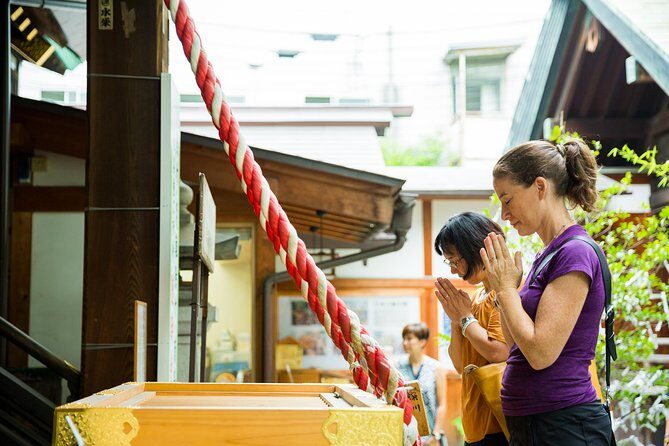
In some groups, guides also take a moment for shrine etiquette and even a cleansing-style ritual before walking into the busy market area. Even if your particular day doesn’t include that exact step, you can count on a respectful start and a guide who sets expectations before you move.
The Walk Plan: What Happens in Those 3 Hours
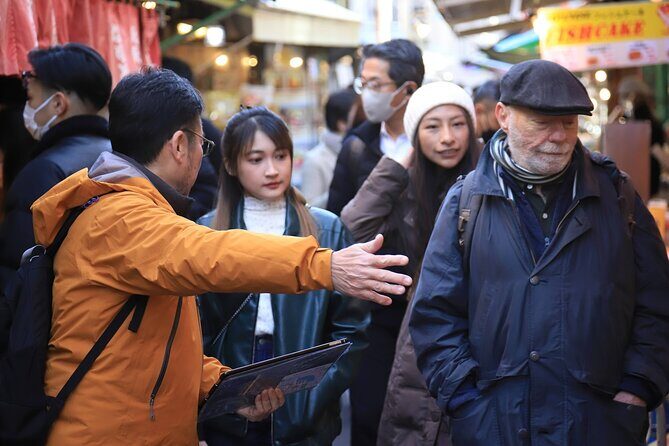
You’ll spend your time in the outer market in two phases: a shorter introduction (about 30 minutes) and then the longer tasting walk (about 2.5 hours). That split is smart. The first stretch helps you learn how the market “works” before you start sampling more seriously.
Because it’s a small group, you’re not constantly stopping and starting like a big bus tour. You’ll move through vendor lanes, pause for tastings, and learn what each item is meant to communicate—texture, seasoning style, and regional food logic.
By the end, you head back toward Tsukiji Station, with the tour designed so you can continue your Tokyo day without feeling like you got stuck for half a day.
What You Actually Eat: Wagyu, Sushi or Seafood Bowl, Tamagoyaki, and More
The included menu is a big part of the value here, and it’s not limited to one style of food. You’re set up to try a range: savory, seafood-forward, and a few sweet/fruit moments to balance everything out.
Here’s what the tour includes (depending on the day):
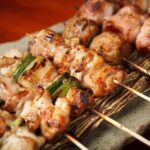
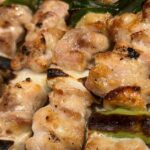
- High-grade Wagyu beef skewers
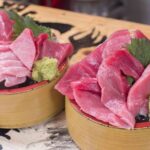
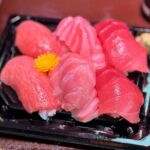
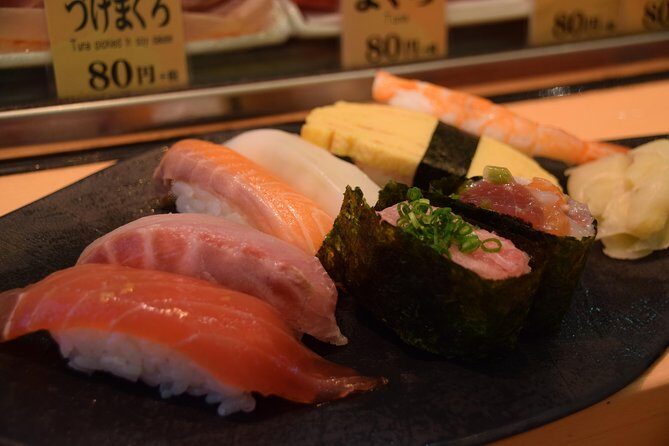
- Fresh fish bowl or sushi (choice depends on the day)
- Japanese omelet (tamagoyaki)
- Fried fish cake
- Seasonal fruits
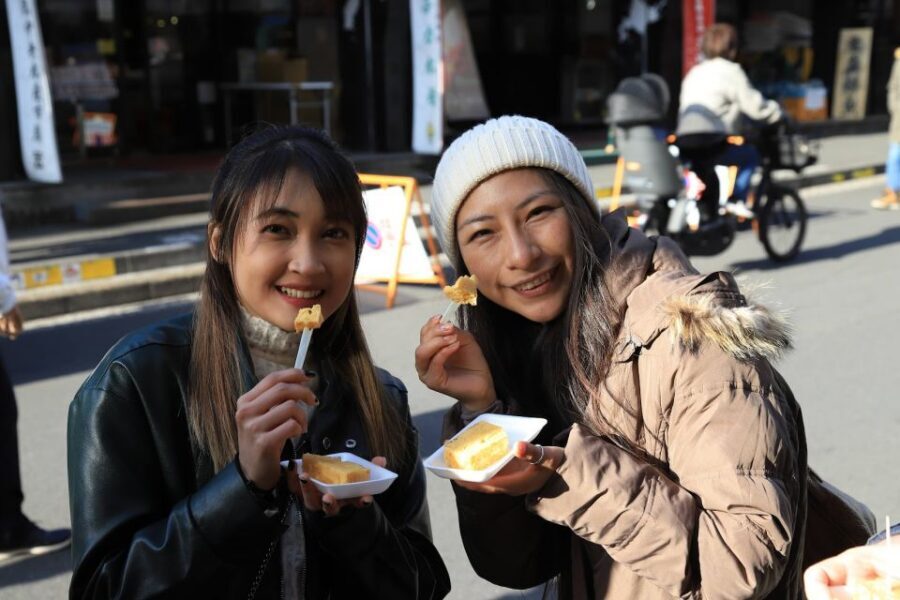
Two things I like about this mix. First, Wagyu gives you a “wow” moment early enough that the rest of the tastings feel purposeful. Second, the omelet, fish cake, and fruit keep you from thinking Tsukiji is only about raw seafood.
Sushi vs. Seafood Bowl (and why the day matters)
Sometimes you’ll get sushi. Other days you’ll get a seafood bowl. Either way, the tour ends with that serving so you finish with something satisfying, not a scattered handful of samples.
Also pay attention to the day-of-week reality. The fish market (Uogashi wholesaler market) is closed on Wednesdays and Sundays and other closed market days. On those days, Japanese omelet, fish cake, and fruit can’t be served because shops are closed. If something doesn’t work out at the last moment, you’ll get an alternative meal instead, but you should expect the menu to vary.
You can also read our reviews of more food & drink experiences in Tokyo

How Guides Turn a Crowded Maze Into a Food Map
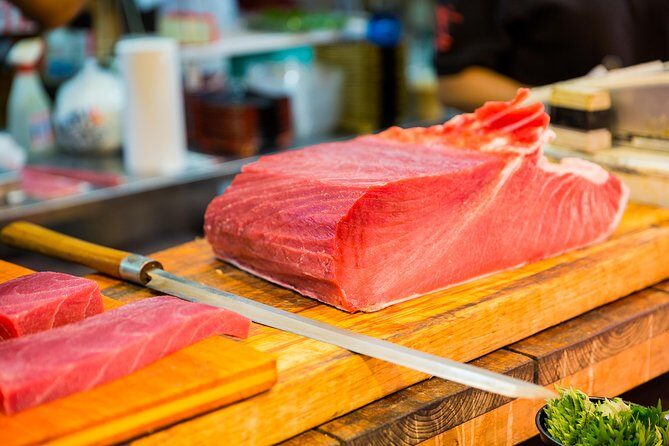
Tsukiji is overwhelming if you go alone. It’s not just crowded; it’s confusing. You see a dozen stalls selling similar-looking bites, and you still don’t know which one is best value or best for your tastes.
That’s where the guide earns the money. The tour focuses on the outer market, but it repeatedly connects what you’re eating to how ingredients are selected by professionals. You’ll learn why top chefs visit regularly and how market sourcing shapes Tokyo’s food culture.
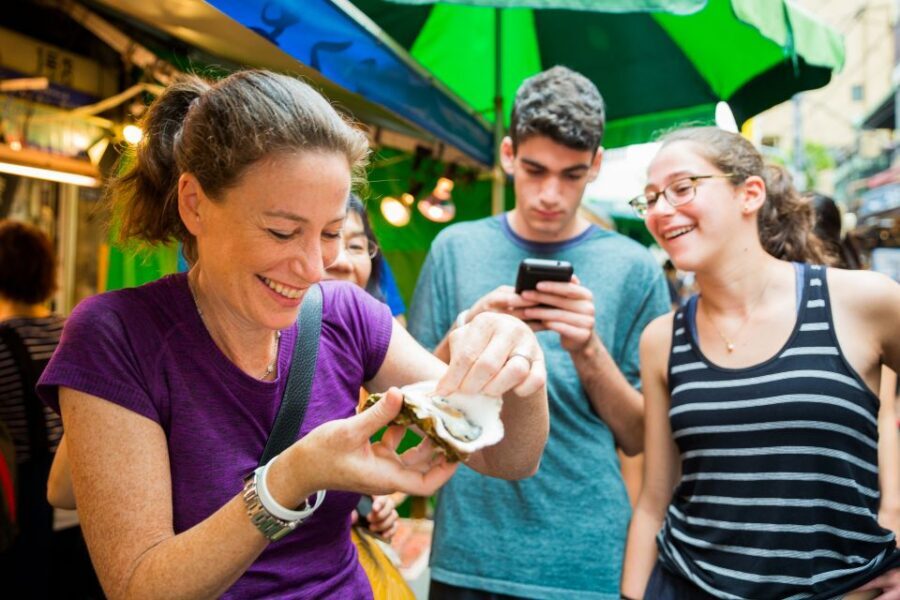
Guides also help you navigate real-world stall behavior—how to order, how to ask for what you want, and how to avoid getting rushed by the flow around you. From what you’ll experience on the ground, the best guides (like Kenji, Miki, Nazu, or Shun, when you’re lucky enough to get them) don’t just recite facts. They steer you to the right places and keep the sampling sequence smooth.
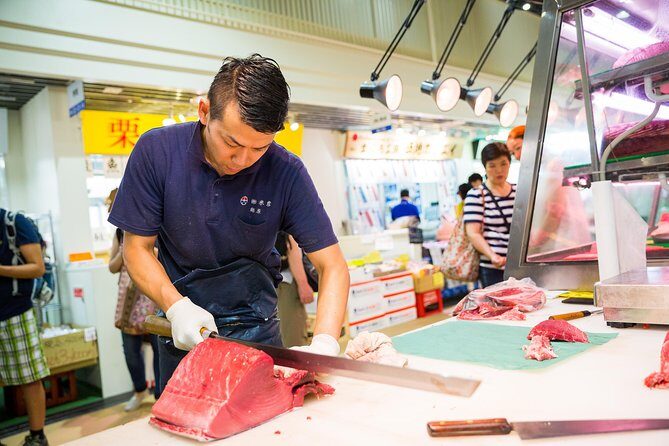
In at least some departures, the tour can include a closer look at chef technique. For example, some groups have watched a sushi chef with fish prep for a sashimi bowl, and you might even get a short explanation of how the dish comes together before you eat.
Closed Days, Swaps, and What to Plan Around
If your trip lands on a Wednesday or Sunday, don’t assume you’ll get the exact same menu. The Uogashi wholesaler market closure can affect what’s open, and the tour states that on those days certain items (omelet, fish cake, fruit) can’t be served because the shops are closed.
That said, the tour is designed to keep the experience moving. If a restaurant or stop can’t provide the meal suddenly, they’ll provide an alternative.
My practical advice: if you’re a first-time visitor, try for a day when more stalls are operating normally. If you can only go on a closed-day, treat it like a different menu day, not a wasted one. You’ll still be walking the market lanes and tasting what’s available.
Timing and Crowds: When Tsukiji Feels Like a Test
Tsukiji can swing from manageable to packed fast. On weekends, especially Saturdays in the morning, it can get very crowded. One group noted even mild rain can make it harder to hear the guide because of umbrellas, crowds, and street noise.
So I’d plan like this:
- Choose a mid-week morning if your schedule allows.
- Bring patience for crowd flow and accept that your group will sometimes bunch up.
- Keep your camera ready, but remember you’re there to eat and learn first.
Rain happens in Tokyo. If you get wet, it doesn’t ruin the tour, but it can make the walk feel tighter. Wear comfortable clothes you can move in without fussing with layers every five minutes.
Price and Value Check: Is $96 Fair for 3 Hours?
At $96 per person for about 3 hours, this is not the cheapest way to eat in Tokyo. But it also isn’t a bare-bones tasting. You’re paying for the combination of (1) guided navigation, (2) cultural context, and (3) a set of included, higher-end items.
You’re getting:
- A structured walking tour through a famous market zone
- A local professional guide in English
- Multiple included tastings with Wagyu skewers
- A final serving of fresh fish bowl or sushi
- Japanese omelet, fried fish cake, and seasonal fruits (when available)
If you tried to DIY this on your own, you’d likely spend a similar amount just chasing multiple stalls to assemble a comparable set—plus you’d lose the time advantage and the “what to buy and why” guidance.
This is why people keep coming back to the experience: the tour doesn’t just point at food. It helps you understand it. The guide makes your choices faster and usually better.
Who This Tour Suits (and Who Should Skip It)
This works best if you’re:
- An eager eater who wants a guided food route with tastings
- Comfortable with moderate walking in tight market lanes
- Happy to eat seafood and traditional Japanese foods as served
It doesn’t fit well if you:
- Need wheelchair access or have mobility impairments (the tour is not suitable for that)
- Are vegan or vegetarian, or need halal or gluten-free options (the tour does not accommodate those requests)
Also note the tour mentions a minimum drinking age of 20. Even if you plan to skip alcohol, it’s good to know how the stops are set up.
What to Bring to Make the Day Easier
Keep it simple. Bring:
- Comfortable shoes (you’ll thank yourself later)
- Camera for market scenes and food close-ups
- Comfortable clothes that work in crowds and possible drizzle
If you’re the kind of person who hates waiting for buses or trains while hungry, this is a smart tour to place earlier in the day. The tour ends with a fish bowl or sushi serving, so you shouldn’t feel like you’re “tasting only” and then scrambling for lunch.
Should You Book This Tsukiji Fish Market Tour?
Book it if you want a structured, small-group way to eat your way through Tsukiji’s outer market and understand what you’re seeing. The included Wagyu skewers and the seafood finale are the kind of items you’d struggle to assemble smoothly on your own. The guide-driven market navigation is the real win, especially the first time you’re in this area.
I’d skip or reconsider if your diet restrictions are strict (vegetarian/vegan/halal/gluten-free aren’t accommodated) or if mobility access is an issue. And if you’re traveling on Wednesday or Sunday, go in expecting a menu variation due to market closures for certain shop offerings.
If you match the “eat and walk” profile, this is one of the most efficient ways to turn Tsukiji from confusing into delicious.
FAQ
Where do I meet the guide?
Meet your guide at the main gate of Tsukiji Honganji-Temple (浄土真宗本願寺派 築地本願寺).
How long is the tour?
The tour lasts 3 hours.
Is the tour in English?
Yes, the live tour guide is English-speaking.
How big is the group?
This is a small group tour, typically for 2 to 8 people.
What food is included?
Included tastings include high-grade Wagyu beef skewers, fresh fish bowl or sushi (depending on the day), Japanese omelet, seasonal fruits, and fried fish cake.
Is it the same menu every day?
Not always. Depending on the day, you’ll be served either sushi or a seafood bowl, and on Wednesdays and Sundays some items (omelet, fish cake, and fruits) can’t be served because shops are closed.
Are vegetarian, vegan, halal, or gluten-free options available?
Unfortunately, the tour does not accommodate vegetarian, vegan, halal, or gluten-free requests.
Is the tour suitable for wheelchair users or mobility impairments?
No. It is not suitable for people with mobility impairments or wheelchair users.
What should I bring and are there any age limits?
Bring comfortable shoes, a camera, and comfortable clothes. The minimum drinking age is 20.

![[Seasonal Limited] Mt. Fuji 5th Station &Hot Spring Day Tour - Mt. Fuji 5th Station Around 2,300 Meters: The Best “No-Hike” View](https://images.thejapantraveler.com/wp-content/uploads/seasonal-limited-mt-fuji-5th-station-hot-spring-day-tour.jpg)