REVIEW · TOKYO
Tokyo 8hr Private Tour with Government-Licensed Guide
Book on Viator →Operated by Japan Guide Agency · Bookable on Viator
Tokyo can feel like a laser maze. This 8-hour private walking tour gives you a simple route and a licensed guide to turn chaos into clear choices.
I really like the custom itinerary. You pick 4–6 stops from a set menu, so you can aim for shrines, gardens, neighborhoods, or big-city sights instead of getting stuck on a one-size-fits-all circuit. I also like the hotel pickup convenience and the way the guide helps you move through stations efficiently, especially for first-timers.
One consideration: this is a walking tour with transit, so you’ll likely rack up a lot of steps. One group reported about 22,000 steps in a day, so plan comfy shoes and be ready to slow down if needed.
In This Review
- Key things I’d focus on before you go
- Tokyo in one day: what this private walking tour does best
- Price and logistics: where the value shows up (and where it doesn’t)
- Hotel pickup on foot: how the day actually starts
- Designing your perfect 4–6 stop day: mix old Tokyo with new Tokyo
- Asakusa and Shitamachi mood: Senso-ji, Nezu, Shibamata
- Asakusa and Senso-ji Temple
- Nezu
- Shibamata
- Shrines, imperial grounds, and garden breaks: Meiji Jingu, Imperial Palace area, Korakuen
- Meiji Jingu Shrine (near Harajuku)
- Imperial Palace area (but not inside)
- Shinjuku Gyoen National Garden
- Koishikawa Korakuen and Rikugien
- Hama Rikyu Gardens
- Yoyogi Park
- Modern Tokyo hits: Shibuya Crossing, Harajuku Takeshita Street, Akihabara, Tokyo Tower
- Shibuya Crossing
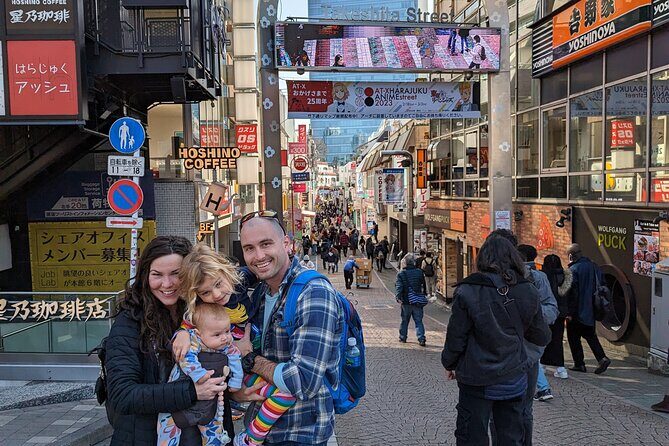
- Harajuku Takeshita Street
- Akihabara
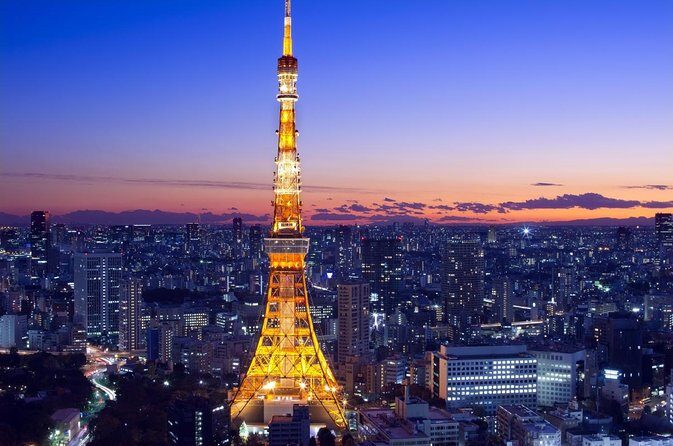
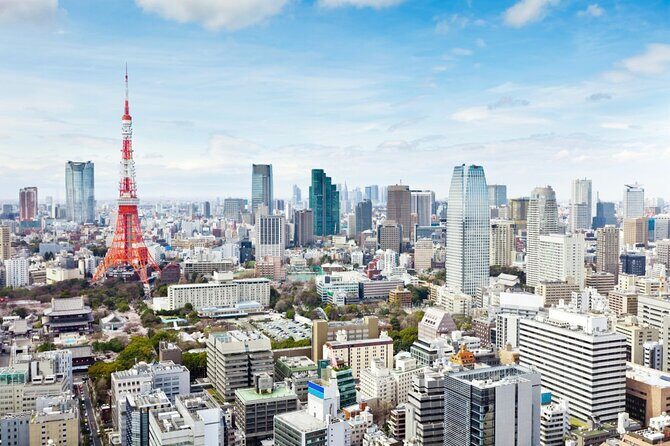
- Tokyo Tower (main deck only)
- Golden Gai
- Markets and museums: Tsukiji Fish Market and Tokyo National Museum
- Tsukiji Fish Market (Old market area)
- Tokyo National Museum
- The real secret: pace, photos, and navigation support
- Should you book this private Tokyo day tour?
Key things I’d focus on before you go
- Licensed English-speaking guide: you’re not just following a map; you have a real person to answer questions and adjust pacing.
- Flexible 4–6 stop plan: you choose what matters most, then the guide builds the day around it.
- Hotel pickup, but on-foot starts: you’re met near your lodging and then walk to the first connection, not driven around by a private vehicle.
- Mix of Tokyo eras: shrines and temples beside modern neighborhoods like Shibuya and Harajuku.
- Admission varies by stop: some major sights are free, while gardens/museums often aren’t included in the tour price.
- Great for orientation: many guides help you learn the subway basics so the rest of your trip feels easier.
Tokyo in one day: what this private walking tour does best
Tokyo is built for momentum. Streets change names, stations share entrances, and one wrong turn can cost you 20 minutes you didn’t plan to spend. This tour tackles that head-on by giving you a human routing plan for the day, plus a guide who can explain what you’re seeing while you move.
The other smart piece is the way the day is designed around choices. Instead of locking you into every headline sight, you choose from a list of strong options: classic Asakusa and Senso-ji, big modern landmarks like Shibuya Crossing, and quieter garden breaks like Shinjuku Gyoen or Koishikawa Korakuen. That flexibility is why the tour works well for first-timers and repeat visitors alike.
The result is an orientation day with momentum. It’s not a slow, sit-and-stare museum crawl. It’s walking, transit, and fast context so you understand the city while you’re still here.
You can also read our reviews of more guided tours in Tokyo

Price and logistics: where the value shows up (and where it doesn’t)
At $201.51 per person for roughly 8 hours, this isn’t a budget “see everything” deal. But it can be good value if you factor in three things you’re paying for: a government-licensed local guide, time savings from smarter routing, and the ability to customize the day without negotiating with subway complexity.
What’s included is straightforward:
- Licensed local English-speaking guide
- Custom walking route using 4–6 sites from the recommended list
- Meeting near your hotel (pickup is handled on foot)
What’s not included:
- Transportation fees
- Entrance fees
- Lunch
- Any private vehicle (this is not a car tour)
- Guide entry fees for sights outside the “what to expect” list
So think of the tour price as buying direction and interpretation, not covering every yen you’ll spend. If you pick several paid sights (gardens and museums often fall here), your final day cost will rise. If you mostly pick the free highlights, it stays more controlled.
Also, a practical note: the tour doesn’t combine groups. That keeps it truly private, but it means you shouldn’t expect a larger group dynamic to “share the load” with you. Your comfort level matters more since pacing is based on your party.
Hotel pickup on foot: how the day actually starts
This tour includes hotel pickup for convenience, but it’s still a walking tour. In practice, that means your guide meets you near your lodging area, then you start moving on foot toward transit connections and the first planned stop.
This approach can be great for two reasons:
- You avoid wasting morning time figuring out where to meet and how to get started.
- The guide can immediately read your pace and adjust based on weather, crowds, or your interests.
It’s also why subway help matters so much. In multiple successful day stories, guides helped guests learn how to navigate the system and even how to pay more smoothly (for example, tapping a transit card for purchases). That’s the difference between a day that feels like transportation stress and a day that feels like sightseeing.
Designing your perfect 4–6 stop day: mix old Tokyo with new Tokyo
The smartest way to plan your choices is to pair sights that naturally “belong together” geographically and emotionally. Tokyo is so big that your best day is often about reducing backtracking.
A useful rule: in an 8-hour private walking format, it’s normal to see fewer places than the total number offered. Some sites take longer because they’re crowded, have lines, or are simply big (gardens and museums). You’ll typically get 4–6 stops, and the pacing is usually realistic for walking + transit between them.
Here’s how I’d think about the mix:
- Choose one iconic modern stop (Shibuya Crossing, Akihabara, Tokyo Tower, Shinjuku Gyoen’s city contrast).
- Choose one cultural anchor (Senso-ji/Asakusa, Meiji Jingu, Imperial Palace East Gardens area).
- Add one garden escape to reset your head (Koishikawa Korakuen, Rikugien, Hama Rikyu, Shinjuku Gyoen, Yoyogi Park).
- Fill with one neighborhood flavor (Harajuku Takeshita Street, Golden Gai, Odaiba, Nezu/Shibamata).
If you prefer shopping or pop culture, swap in Akihabara or Harajuku. If you prefer temples and quiet streets, lean toward Asakusa + Nezu + a garden. The day stays yours.
And yes, it’s okay if it’s not “optimal.” One guide-style approach that showed up strongly: guides accommodated extra interests on the spot, like adjusting stops after rain or rerouting around what worked best that day.
Asakusa and Shitamachi mood: Senso-ji, Nezu, Shibamata
If you want the Tokyo people picture on postcards, this is the cluster. It’s older downtown energy, with temples, traditional streets, and neighborhoods that still feel like they have local memory.
You can also read our reviews of more private tours in Tokyo



Asakusa and Senso-ji Temple
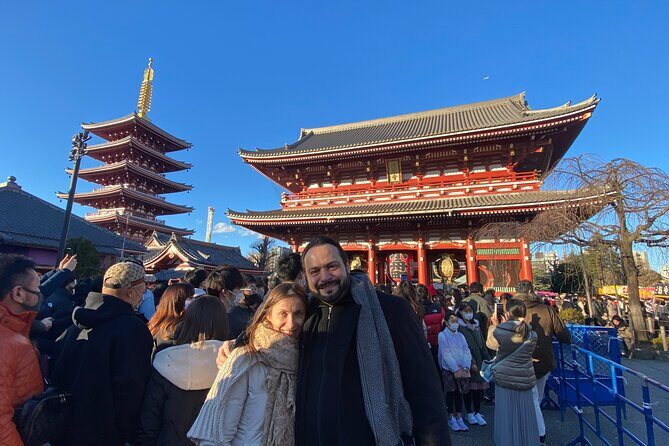
Asakusa is a natural starting point for a first-timer day because it’s clearly Tokyo yet feels different from the city’s skyscraper zones. Senso-ji is one of the most colorful, most visited temples in Tokyo, and it’s the kind of place where the guide’s context helps. You’re not only walking through sights—you’re learning the why of rituals and what to notice as you pass.
In the schedule options, Asakusa and Senso-ji are often quick compared with gardens and museums. That can be a good thing: you get the atmosphere without losing half the day to queues.
Nezu
Nezu (often paired with Yanaka/Shitamachi vibes) is the calmer sibling. It’s known for traditional neighborhood feel and fewer “photo-everywhere” crowds. If your day includes heavy stations like Shibuya, Nezu can be a helpful contrast.
Shibamata
Shibamata leans old-school Tokyo. It’s on the eastern side of the city, not far from the Edogawa River area, and it’s often the kind of stop that makes your day feel less like a checklist and more like a lived-in place.
If you’re building a cultural day, I’d choose one “temple moment” (Asakusa) plus one “neighborhood walk” (Nezu or Shibamata). That combination gives you both symbolism and everyday texture.
Shrines, imperial grounds, and garden breaks: Meiji Jingu, Imperial Palace area, Korakuen
Tokyo’s spiritual and reflective side comes through in shrines and gardens. This tour’s big win is that you can schedule those quieter stops right into a day otherwise packed with crowds.
Meiji Jingu Shrine (near Harajuku)
Meiji Jingu is a great anchor because it’s close enough to modern areas that you don’t lose a lot of time. You get the contrast: the bustle of nearby districts, then the feeling of stepping into a more serene environment.
It’s usually a short stop in the recommended plan, which works well if you’re trying to protect time for Shibuya or Harajuku later.
Imperial Palace area (but not inside)
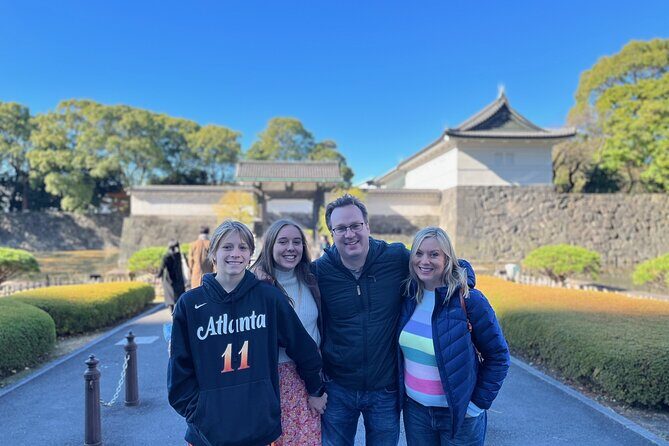
Imperial Palace is special, but there’s an important limitation: the tour does not include access to the inside of the Imperial Palace. What you can see focuses on the surrounding park area and views from the exterior context.
This is still valuable for orientation, especially if you want to understand Tokyo’s historical layers. The key is to adjust expectations: you’re there for the grounds and the setting, not a full interior visit.
Shinjuku Gyoen National Garden
Shinjuku Gyoen is one of the larger garden options in the list. If you’re visiting in a season where gardens look their best, it’s a high-impact break. The tradeoff is admission is not included, so decide if you want to spend that yen for a slower, greener reset.
Koishikawa Korakuen and Rikugien
Koishikawa Korakuen and Rikugien are older style garden choices. Koishikawa Korakuen is often praised as one of Tokyo’s oldest, while Rikugien is a top alternative when you want another garden viewpoint without going out of the center.
Both tend to be great for travelers who like meandering paths and calm sightseeing. They’re also good “breathing space” when your modern stops include Shibuya Crossing and Harajuku.
Hama Rikyu Gardens
Hama Rikyu is a garden option by Tokyo Bay, known for seawater ponds that change with tides and a teahouse setting. It’s an elegant change of pace and a good match if you want one “by-the-water” moment.
Yoyogi Park
Yoyogi Park is another reset option. It’s a large city park with lawns, ponds, and forested areas. In a day of temples and stations, it’s a nice place to pause and watch people take a breath.
Garden and shrine choices matter because Tokyo can overwhelm your senses. These stops give your eyes a place to land.
Modern Tokyo hits: Shibuya Crossing, Harajuku Takeshita Street, Akihabara, Tokyo Tower
This is the part of Tokyo that feels like a movie set. And yes, it’s crowded. That’s also why having a guide helps—you waste less time figuring out where to stand, how to cross, and what to prioritize.
Shibuya Crossing
Shibuya Crossing is one of those sights you can’t replicate with a phone video. The first time you see it in person, it’s mind-bendy. This tour typically includes time to experience the crossing, then move on quickly.
In a great orientation pattern, guides finish the day with Shibuya overhead views or end at crossings as a big “last scene.” It’s a strong way to end your Tokyo learning curve.
Harajuku Takeshita Street
Takeshita Street is youth fashion chaos. If that’s your thing, it’s a fun stop. It’s also the kind of area where you might get turned around easily without local direction, so the guide pacing helps.
If you want to avoid the worst crowd crush, you can pair Harajuku with a nearby calmer shrine stop earlier in the day, using Meiji Jingu as a reset before the street energy.
Akihabara
Akihabara is the electronics + pop-culture zone. It’s also where guides can turn a quick walk into a shopping-and-interest plan. One example from a successful day: a guide helped a family build in a Pokémon Center stop as a kid-friendly highlight, then rerouted around weather and timing needs.
Tokyo Tower (main deck only)
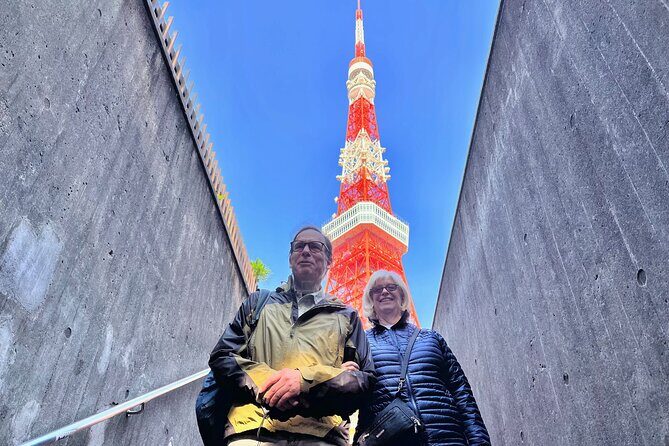
Tokyo Tower is in the list, with a limitation: it’s only up to the main deck, not the top deck. That’s still a solid “big view” option without paying for the highest tier.
Golden Gai
Golden Gai is a nightlife micro-area known for tiny bars and alley feel. It’s usually a short stop. Think of it as atmosphere plus a quick look, not a long sit-down event. It’s a good add-on if your party likes Tokyo after-dark culture, even if you visit it earlier in the day for a quick taste.
Markets and museums: Tsukiji Fish Market and Tokyo National Museum
If you want Tokyo beyond just street scenes, this is your cultural toolbox.
Tsukiji Fish Market (Old market area)
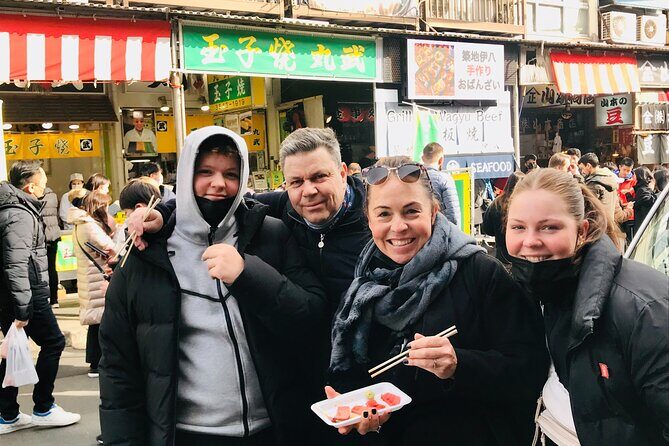
Tsukiji is famous for food energy. In this type of private pacing, it’s often a shorter visit so you can enjoy the scene without spending hours in logistics. It’s also the kind of stop where a guide can suggest what to try and where to go next for lunch.
One guide note from a standout day story: a guide made sure guests could still enjoy sushi experiences linked to the market even when the schedule got tight.
Tokyo National Museum
Tokyo National Museum is one of the city’s top museums and a heavyweight for anyone who wants deeper context. It’s listed as a stop with admission not included, so budget for entry if you pick it.
Timing matters. A museum stop can work best when it’s earlier in the day, when energy is higher and lines are more manageable. If your day includes both Shibuya and a museum, you’ll likely want the museum before the strongest crowds hit later.
The real secret: pace, photos, and navigation support
The best private tours don’t just show places. They prevent the usual Tokyo stress.
Three support styles showed up repeatedly in strong days:
- Navigation help for stations: guides helped guests understand subway transfers and even transit card use, so the rest of the trip feels easier.
- Flexibility when weather changes: one guide adapted when rain hit hard, adjusting recommendations so the day still hit major sights.
- Photo attention: one guide approach was practical and surprisingly useful. A guide named Taka told guests ahead of time he would take photos during the day and then transfer them at the end, reducing the awkwardness of asking strangers for help.
Also, guides were attentive to group needs. In one family story, the guide checked frequently on an injured foot. That’s not small—comfort changes how much you enjoy Tokyo.
One more practical point: you’ll likely walk a lot. That’s not a bug; it’s Tokyo’s default sightseeing method. But you should plan for it. Bring water, take short breaks, and don’t feel guilty if your guide slows the pace for knees or energy levels.
Should you book this private Tokyo day tour?
Book it if you want:
- First-day Tokyo orientation with a licensed English-speaking guide
- A custom mix of shrine/temple, garden, and modern neighborhoods
- A plan that reduces subway guesswork
- A private day that can respond to your interests, timing, and even weather
Think twice if:
- Your group hates walking and transit (this is not a sit-on-a-bus tour)
- You’re trying to minimize extra spending on admissions, because several listed gardens and museums have entry fees not included
- You want the inside of the Imperial Palace itself (this tour version does not include it)
If you’re a couple, a family, or a small group who values guidance, it’s a strong way to kick off Tokyo. It’s also a smart choice for repeat visitors who want a tight, meaningful route without planning every turn yourself.
If you want me to help you choose your ideal 4–6 stop combination (based on your interests and travel dates), tell me what you like most: temples, gardens, shopping, food, or modern Tokyo—and your mobility level.