REVIEW · TOKYO
Tokyo, Shaped Around You: A Private Experience with a Local
Book on Viator →Operated by City Unscripted · Bookable on Viator
Tokyo can feel like a puzzle with a thousand pieces. This private local-led walking experience helps you sort it fast, with a route built around what you actually want. You get a guide who talks through temples, markets, and historic neighborhoods, plus the small stuff that makes Tokyo click.
I especially like the pre-tour questionnaire and messaging with your local host. It turns the day from a fixed sightseeing loop into something that fits your pace and interests. I also like the way the itinerary stays flexible, so you can slow down for a shrine moment or swap in a shop street when your group gets curious.
One consideration: this is mostly on foot, and the route depends on your host and your day’s choices. If you need very specific history depth or you’re sensitive to language nuance, choose your priorities clearly in advance so your guide can match them.
In This Review
- Key things to know before you go
- Why This Private Tokyo Walk Feels Like City Life, Not a Checklist
- How the Pre-Tour Questionnaire Turns Stops Into Your Day
- Meeting in Harajuku and How the Route Actually Moves
- Shibuya Crossing to Side Streets: Chaos You Can Actually Read
- Kappabashi Knife Street or Skytree Area: Shop Like a Pro
- Asakusa Sensō-ji and the Backstreet Route
- Yanaka’s Slow Blocks: Wooden Houses and Small Cafés
- Ginza Shopping Lanes and Traditional Specialty Stops
- Harajuku Fashion Alongside Meiji Shrine Silence
- Shinjuku Lanes, From Skyscrapers to Izakaya Corners
- What You’re Really Paying For at $107.62
- Small Worries to Plan For: Walking, Timing, and Guide Fit
- Should You Book This Tokyo Local Experience?
- FAQ
- How long is the tour?
- Is this a private tour?
- What’s the meeting point and where does it end?
- Do I get a fixed itinerary?
- Will I meet the guide before the tour?
- Is pickup available?
- Is food or drinks included?
- Are entry fees included?
- Is transportation included?
- Can I cancel for free?
Key things to know before you go
- Tailor-made route: You answer a short online questionnaire, then your host builds the plan around you.
- Walking-focused day: No private vehicle included, so you’ll cover neighborhoods on foot and use transit only to move between areas.
- Multiple Tokyo districts, not just one: Harajuku, Shibuya, Asakusa, Yanaka, Ginza, and Shinjuku can all show up depending on your interests.
- Local conversations over lecture mode: The experience is designed around context, questions, and real discussion.
- Flexibility beats checklists: Your guide adjusts pacing as you go, including stops for breaks or extra time.
Why This Private Tokyo Walk Feels Like City Life, Not a Checklist
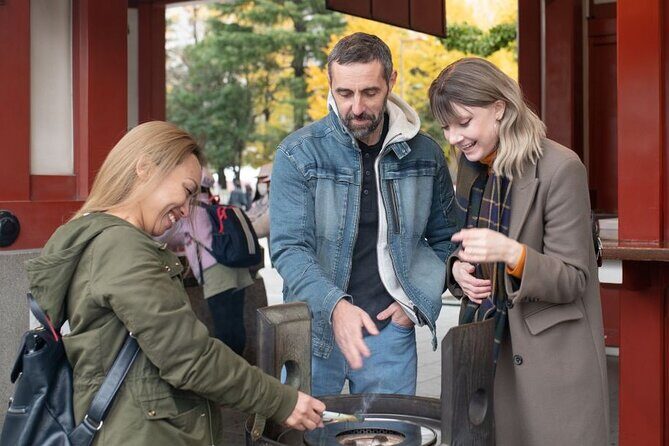
Tokyo is full of official sights, but the fun is often in the seams between them. This experience is built for that seam work: you hit famous places like Sensō-ji and Shibuya Crossing, but you also get the side streets that explain what you’re seeing. The tour is private, so you’re not fighting for position at every stop or getting dragged through someone else’s agenda.
The other big win is that you’re traveling with a real Tokyo resident style of thinking. Your host doesn’t just point and move. They give you context and talk through what matters—how neighborhoods feel, what people do there, and how to read the city at street level. That’s why guide names keep popping up in reviews, like Shoko for off-the-beaten-path streets and Chiara for patient flexibility.
You can also read our reviews of more private tours in Tokyo



How the Pre-Tour Questionnaire Turns Stops Into Your Day
Before you go, you’ll fill out a pre-experience questionnaire about your must-sees, interests, and pacing. Then you’ll message your local host directly so they can shape the day around you. This is the part that often decides whether Tokyo feels organized or exhausting.
You’ll also get a tailored plan with a flexible start time range, not a rigid “follow the leader” structure. Some guides show up swinging with big picture history and culture, like Noah being funny and steering people toward good food choices. Others focus more on practical Tokyo life—like Lauren helping you navigate the metro smoothly. The key is that your preferences steer the mix.
I like that it’s not just “tell us what you like.” You’re encouraged to share what you want to learn and what you want to avoid. If you’re traveling with kids, you can ask for train-system orientation or very specific themed stops; one family described booking around Pokémon and animal cafés, with the day arranged to match that energy.
Meeting in Harajuku and How the Route Actually Moves
The experience starts at NewDays Harajuku (Omotesando Exit), in Jingūmae and ends back at the meeting point. That matters more than it sounds. It helps your day feel like a loop you can trust, instead of a point-to-point trek with unclear logistics.
Because it’s a walking experience, you’ll cover the neighborhoods on foot. The tour may use public transportation or local taxis to transfer between sites, but transportation costs aren’t included and you’ll discuss those with your host after your reservation is finalized. In plain terms: expect walking time, expect occasional transit hops, and plan to wear shoes you’re happy walking in.
That also affects pacing. If you want frequent breaks, tell your host early. Reviews include examples like Chiara being understanding when someone needed to sit down multiple times. That’s the advantage of private: you don’t have to “push through” for the group.
Shibuya Crossing to Side Streets: Chaos You Can Actually Read
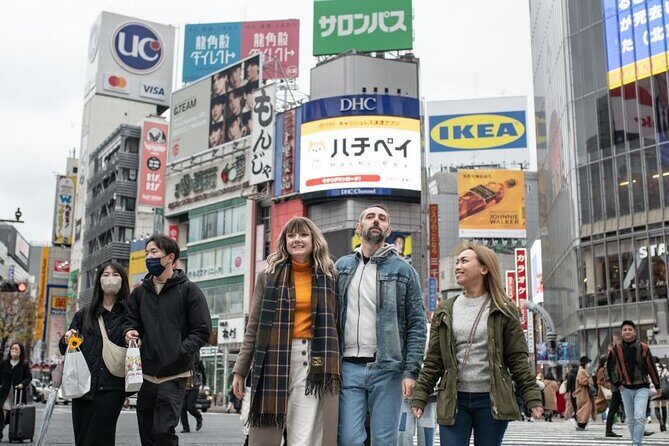
Shibuya is Tokyo’s stage for motion and noise. Shibuya Crossing is the headline, but the real value is what your host teaches you while you’re there. You get the “organized chaos” feeling, then you learn how to move through it without constantly checking your bearings.
A good host will also help you understand what you’re seeing beyond the neon. In a short private window, you can go from the main crossing to surrounding streets where daily life continues under the big lights. That’s how you avoid the classic trap: taking photos, then leaving still confused about what the area is actually like.
If your interests lean toward pop culture, shopping, and street scenes, this stop tends to become a centerpiece. But even if you’re not into fashion, it’s still a useful way to orient yourself. Tokyo can feel overwhelming until someone helps you make sense of how people flow.
Kappabashi Knife Street or Skytree Area: Shop Like a Pro
One smart feature of this experience is that it gives you choice in the “shopping workshop” world. Depending on your preferences, you can swing toward Kappabashi Street, the area known for chef supplies like handcrafted knives and ceramics. Or, you might head toward the Tokyo Skytree surrounding district, famous for breath-related views and sky-adjacent energy.
Kappabashi is one of those Tokyo places where the details matter. Even if you don’t plan to buy, watching how shops present tools and goods can teach you what “craft” looks like in everyday commerce. If you like design, materials, and the practical side of Japan, this is often where the day gets fun-fast.
The tradeoff? Shopping streets can turn into optional distractions unless you set boundaries. If you’re more temple-and-history minded, ask your host to keep Kappabashi time focused, like short stops to browse rather than a long wander. That’s where private pacing becomes your superpower.






Asakusa Sensō-ji and the Backstreet Route
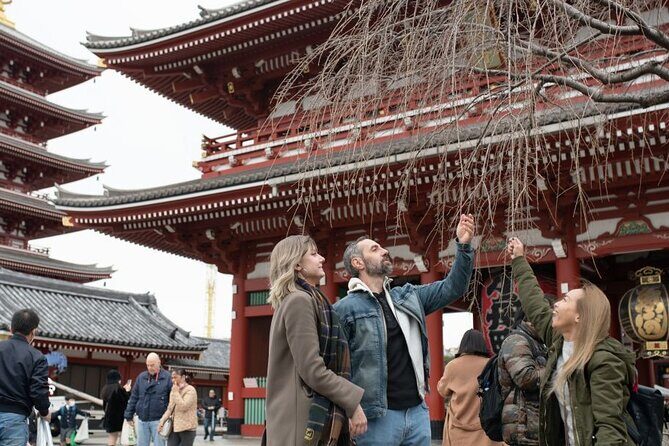
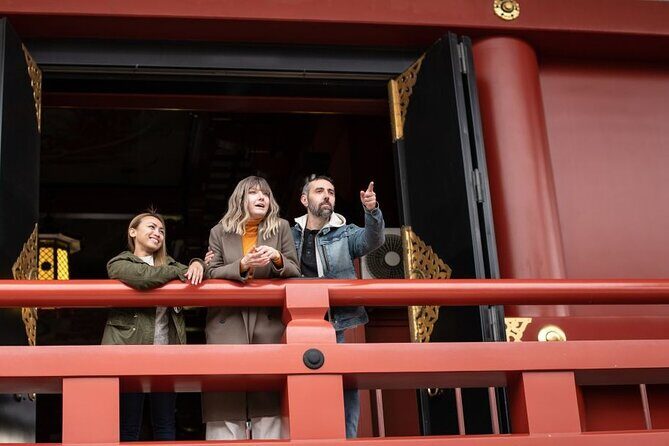
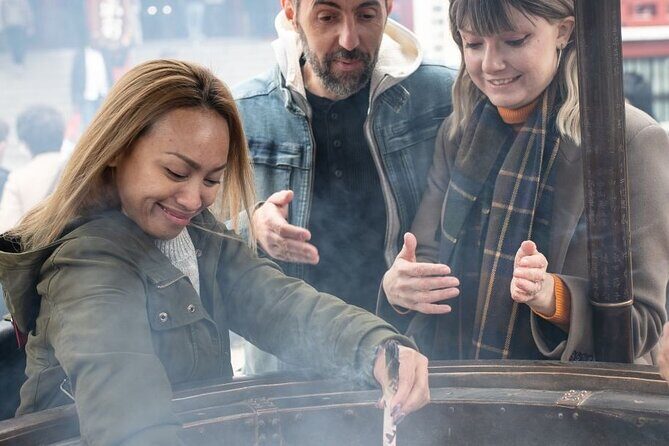
Asakusa is where Tokyo slows down in a way you can feel in your body. Sensō-ji Temple anchors the area, but the standout element is how you move through the historic backstreets around it. Instead of marching through the most obvious lanes only, you’re guided along streets that feel older and more lived-in.
This stop also works well for first-time visitors because it teaches you how Tokyo handles tradition. You see a major temple site, then you understand the layers around it—shops, side streets, and everyday routines that sit next to the landmark. If you’re the type who likes learning why people do things a certain way, a good host will explain what you’re looking at as you go.
One more practical upside: Asakusa is an ideal “reset” neighborhood in a multi-district day. If Shibuya feels like your ears are full, Asakusa helps you settle.
Yanaka’s Slow Blocks: Wooden Houses and Small Cafés
After the busy centers, Yanaka is a calm exhale. This is the area of traditional wooden houses, smaller family-run cafés, and quiet temples. It’s less about big-photo moments and more about atmosphere you notice as you walk—street width, building style, and the way people hang out.
Yanaka is especially good if you want Tokyo to feel human-scale. You’re not trying to outrun crowds. You’re moving through calmer streets where it’s easier to ask questions and talk with your host about daily life and neighborhood culture.
Drawback to consider: if you’re short on energy or you prefer nonstop “must see” intensity, Yanaka can feel slower than places like Shibuya or Shinjuku. That doesn’t make it bad. It just means it helps to match this stop to your mood. I’d book it if you like slow wandering with purpose.
Ginza Shopping Lanes and Traditional Specialty Stops
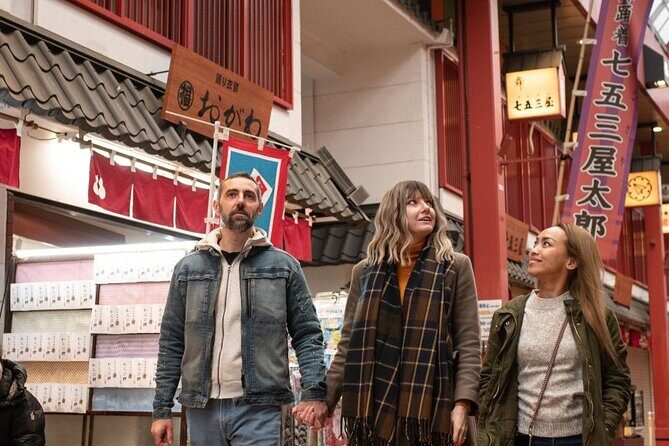
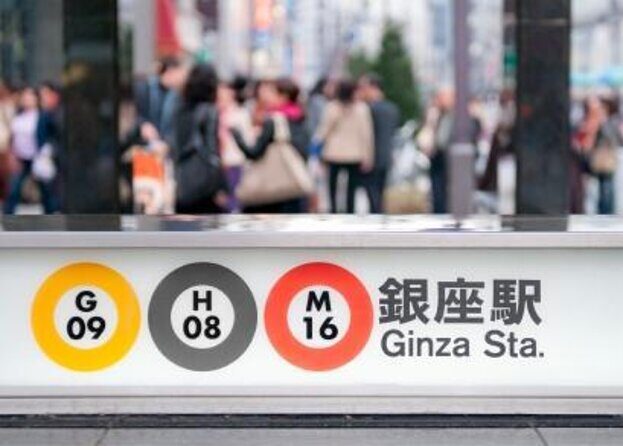
Ginza is often misunderstood as only luxury. On this kind of tailored walk, it becomes more than window shopping. Your host can guide you through Ginza’s mix of big department store energy and more traditional specialty shops, pointing out what’s worth noticing even if you don’t plan to splurge.
This is a nice change of pace. After markets and temple streets, Ginza gives you a “modern Tokyo with roots” feel. You can see how shopping culture works in a polished district while still learning what locals pay attention to.
If you’re on a budget, don’t worry. You don’t need to buy anything to enjoy Ginza. It’s a good place to learn how to read storefront choices, signage, and how crowds behave in a more controlled environment.
Harajuku Fashion Alongside Meiji Shrine Silence
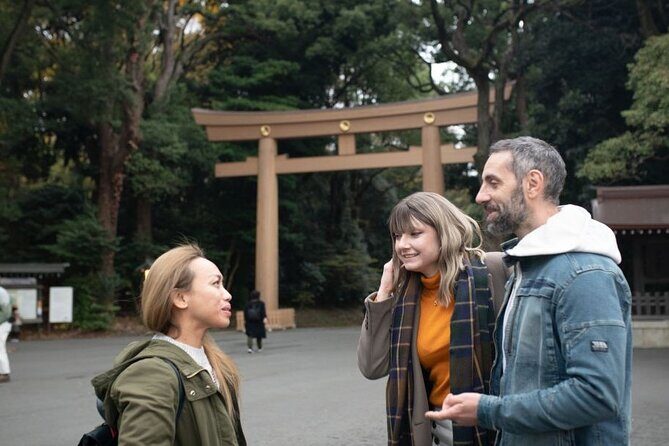
Harajuku is where Tokyo’s style scene flexes. Your host can help you navigate from the fun chaos around Takeshita Street to quieter wooded paths near Meiji Shrine. That pairing is clever because it balances loud fashion browsing with a calmer nature reset.
Takeshita Street can be intense. It’s easy to spend your whole time there and miss the bigger story. With a guide, you can treat it like one section of Tokyo’s style ecosystem rather than the whole thing. Then you can head toward Meiji Shrine for a different sensory mode: more hush, more space, and a sense of ceremony.
This stop tends to suit couples and solo travelers who want variety in a short time. It’s also great if you’re a photo person, because you’ll get both street energy and serene greenery without needing a separate day.
Shinjuku Lanes, From Skyscrapers to Izakaya Corners
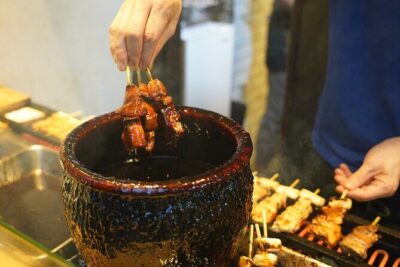
Shinjuku is a district that changes mood fast. You can go from sleek skyscraper views to older alleyways in moments. Your host can steer you toward observation deck time if that’s your thing, or toward nostalgic lanes and izakaya-style streets if you want the “how people actually eat and hang out” side of Tokyo.
I like Shinjuku for the contrast. Tokyo’s identity can feel split between ultra-modern and old traditions. Shinjuku is where you see that mix happening live.
One consideration: Shinjuku can be a lot of walking and a lot of stimulation. In a private setup, you can ask for a route that matches your stamina. If your group wants an earlier finish, you can usually adjust since the itinerary is flexible by design.
What You’re Really Paying For at $107.62
$107.62 per person for a private 2 to 5 hour walking experience is not cheap, but it’s not random either. You’re paying for three things:
First, your time and attention are guided by a local who can make decisions in real time. Second, you get personalization via the questionnaire and direct pre-tour communication. Third, you’re not stuck with an inflexible checklist. The tour can shift based on your interests, your pace, and what you feel like doing that day.
When it works, the value is huge. Reviews highlight guides like Tomo helping with hotel pickup when central, plus practical help like ordering and navigating trains. Another strong theme is that guides go beyond facts and add context you can’t easily pull from a map.
The main reason people feel this is worth it is simple: Tokyo is complicated. A private host turns that complexity into something you can enjoy instead of fight.
Small Worries to Plan For: Walking, Timing, and Guide Fit
The biggest practical consideration is the walking format. If your mobility is limited, or if you’re older and prefer slower transport, you might find the pace tiring. You can ask your host for more transit between areas, but the tour itself doesn’t include a private vehicle.
Language can also vary by guide. One lower rating mentioned English and historical depth not meeting expectations. That doesn’t mean the whole experience is weak. It does mean you should communicate what you want clearly in your questionnaire, especially if you’re hoping for deeper historical explanation.
Weather matters too, because you’ll be outside. When it rains or gets hot, your host should adjust pacing. Private tours handle weather better than group bus tours, but it still helps to bring basic comfort items.
Should You Book This Tokyo Local Experience?
Yes, if you want Tokyo to feel personal, not prepackaged. Book it if you like choosing between temple time, markets, shopping streets, and neighborhood wandering—and you’d rather have a friendly expert making calls for you than doing all the planning.
I’d especially recommend it if you’re:
- A first-timer who wants help navigating areas like Shibuya, Harajuku, and Shinjuku
- Someone who likes street-level context more than museum-style facts
- Traveling with a group that benefits from breaks and flexible timing
- Interested in markets or craft streets like Kappabashi
Skip it if you want a strict fixed itinerary with guaranteed stops, or if you need lots of vehicle time instead of walking.
FAQ
How long is the tour?
It runs about 2 to 5 hours, depending on the route and your pace.
Is this a private tour?
Yes. Only your group participates.
What’s the meeting point and where does it end?
It starts at NewDays Harajuku (Omotesando Exit) and ends back at the meeting point.
Do I get a fixed itinerary?
No. The route is adjusted based on your interests and pacing.
Will I meet the guide before the tour?
You can communicate directly with your local host before the experience, and you’ll receive a short online questionnaire after booking.
Is pickup available?
Pickup is offered if you’re staying in a central location. Otherwise, you meet at the listed start point.
Is food or drinks included?
No. Food and drinks aren’t included, and you can choose options together with your host if you want.
Are entry fees included?
Entry fees are not included.
Is transportation included?
Transportation costs during the experience are not included. Public transit or local taxis may be used for transfers.
Can I cancel for free?
Free cancellation is available if you cancel at least 24 hours before the experience starts.