REVIEW · KYOTO
Kyoto : Geiko Maiko Dance of Kyoto & Visits of Gion Museum
Book on GetYourGuide →Operated by Gion Kagai Art Museum · Bookable on GetYourGuide
Kyomai is art you can hear up close. This short, focused visit pairs a live Kyomai dance by a real Gion geiko or maiko with a Gion Kagai Art Museum permanent exhibit on the arts, outfits, and daily artistry behind Kagai culture. I love how the performance is staged for close viewing, and I love the museum’s hands-on feeling for what geiko and maiko actually use—kimono details, seasonal hair ornaments, and personal items.
One thing to plan around: this is a no photos show, and the dance itself is only about 15 minutes. If you’re hoping for lots of time on stage for wide sightseeing photos, you’ll need to set expectations (and consider booking the extra photo session available at the museum).
In This Review
- Key highlights to know before you go
- Kyomai dance by geiko and maiko: what you’ll actually see
- The museum’s Kagai art culture exhibit: costumes, tools, and the real work
- Inside the Chisen water garden and Art Cafe breaks
- Performance timing: how to choose the right session
- No photos during the dance: how to still get the memories you want
- Ticket value at $25: why this small format can be a good deal
- Who this suits best (and who might prefer something else)
- How to plan your visit in a simple, smooth way
- Should you book Kyoto Kyomai Dance + Gion Kagai Art Museum?
- FAQ
- How long is the dance performance?
- Is photography allowed during the dance?
- Is there English information at the museum?
- What does the ticket include?
- Where do I go to start?
- Is this experience refundable?
Key highlights to know before you go
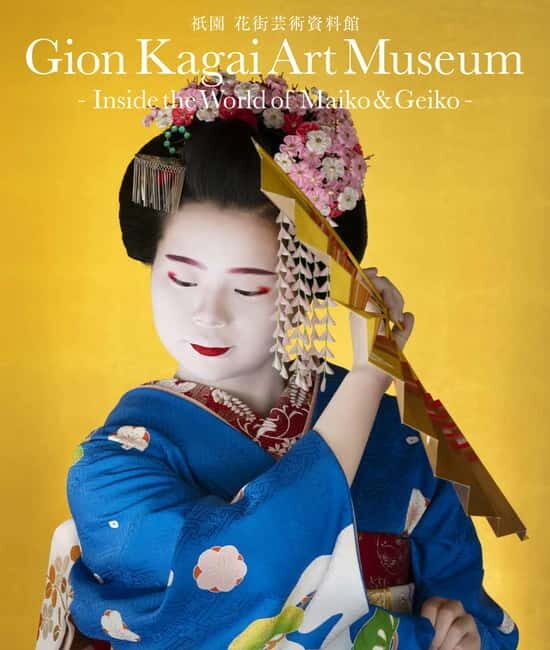
- Inoue-style Kyomai up close: a geiko or maiko performs Kyoto Mai (Kyomai) with two songs, usually solo.
- English support via QR codes: museum explanations are readable in English on your phone.
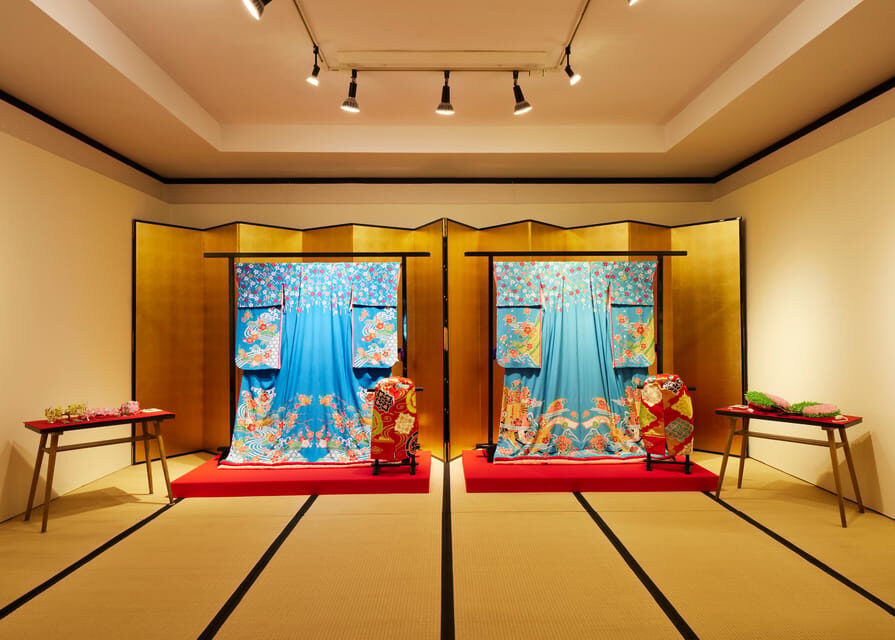
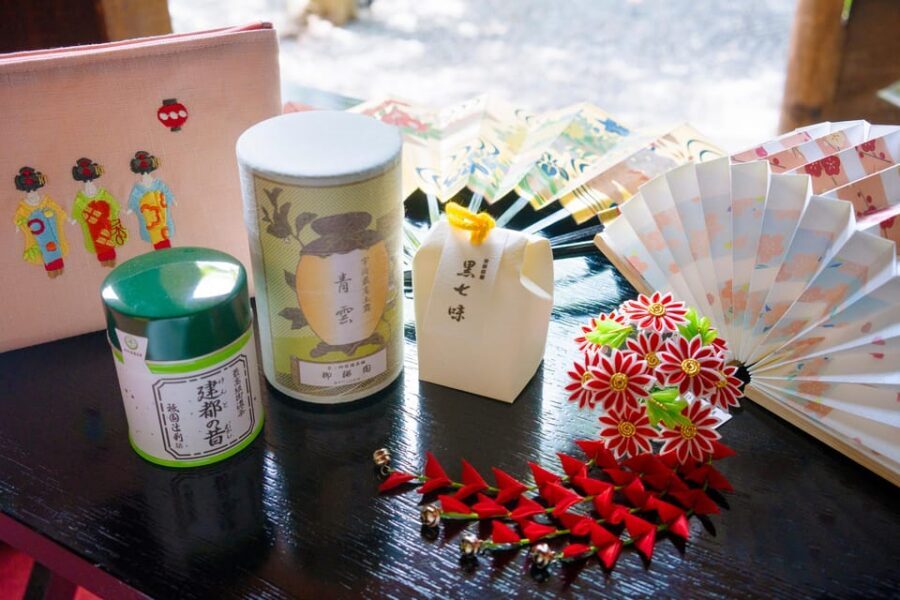
- Permanent exhibit on Kagai art culture: kimono, obi sash work, makeup items, and seasonal kanzashi hair ornaments.
- Chisen water garden + Art Cafe time: after the show, you can slow down and linger.
- Photo rules are strict: you can’t record or photograph during the dance, but you can buy tickets for a separate photo session at the museum.
Kyomai dance by geiko and maiko: what you’ll actually see
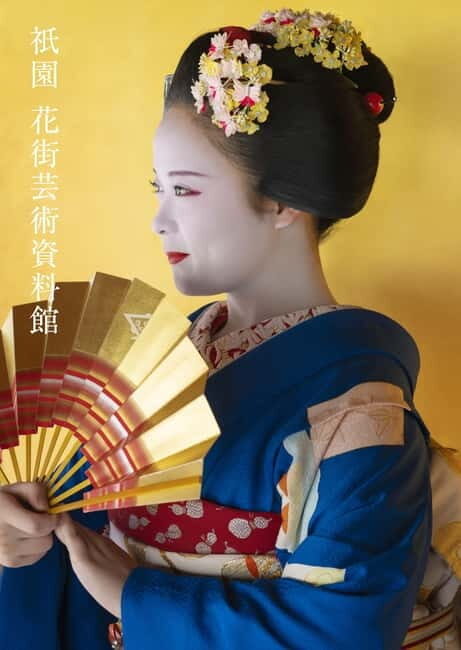
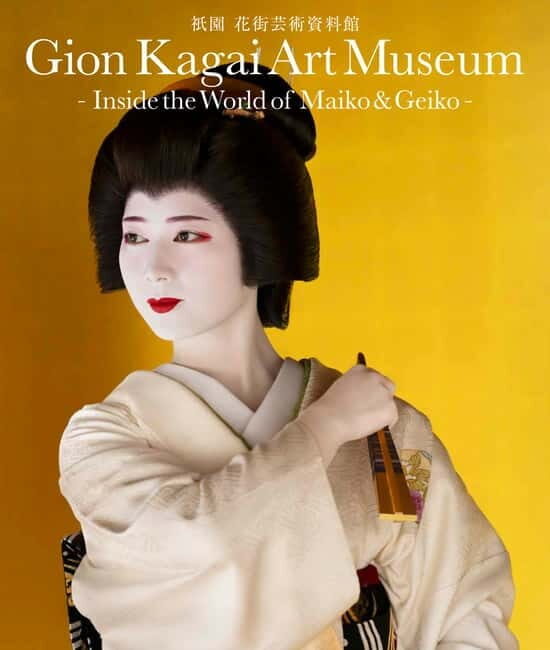
The main event is Kyomai (Kyoto Mai)—a Kyoto dance performance done in the Inoue style by a geiko or maiko (not the broader term geisha). In Kyoto’s Kagai world, the big distinction is simple: women who are established performers are called geiko, while trainees are maiko. You’ll see that difference expressed in dress, presentation, and the choreography’s feel.
Performance time is short on purpose: it’s about 15 minutes total, usually two songs. Most sessions feature one performer, but on some days (notably the 3rd and 4th sessions), you may see two maiko or geiko rather than one. That detail matters because it changes the rhythm of the room—two performers often make the space feel more theatrical even within a short set.
Also, don’t go in expecting a modern stage production with narration. This is a classic performance style where you read the dance through posture, timing, and expression. You’ll get better results if you treat it like live calligraphy: watch the way the arms move, how the hands settle, and how the face signals mood without words.
You can also read our reviews of more museum experiences in Kyoto

The museum’s Kagai art culture exhibit: costumes, tools, and the real work
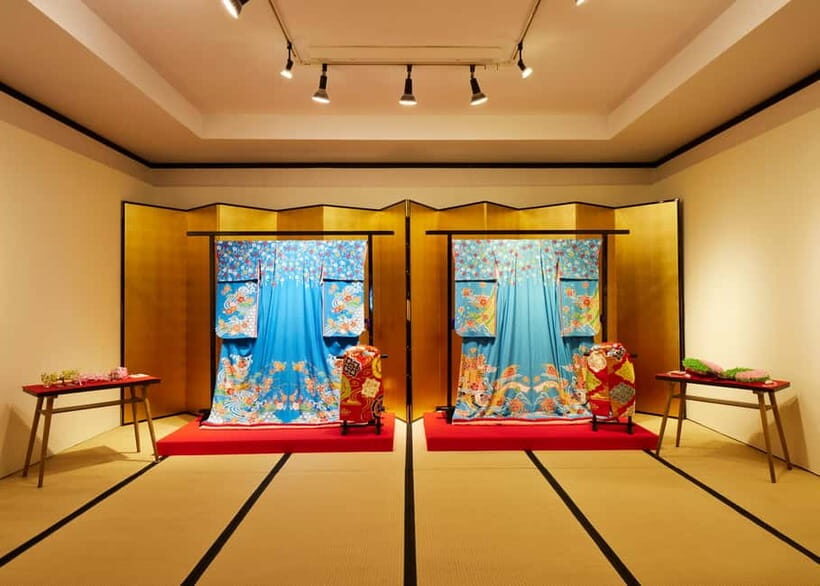
The museum visit is where this experience becomes more than a quick show-and-leave. The permanent exhibition focuses on Gion Kagai Art Culture, meaning the arts scene tied to traditional entertainment spaces.
What I like about the exhibit is that it goes beyond generic facts. You can see details like:
- Yuzen kimono examples (hand-painted style)
- Nishijin brocade obi sash work
- Makeup items used by maiko
- Kanzashi hair ornaments for different seasons
- Formal kimono pieces, including a black crested formal kimono that’s rarely seen in the Gion quarter
This is the stuff that’s hard to catch when you’re just walking Gion streets looking for a glimpse. Here, the museum slows you down and gives you a framework: what these items are, why they matter, and how they connect to the performer’s world.
One practical bonus: the museum’s informational content is presented in English via QR codes. If you want to understand what you’re looking at without committing to reading Japanese, this approach is genuinely helpful. You scan, read, and keep moving—exactly the pace that works during a short Kyoto day.
Inside the Chisen water garden and Art Cafe breaks
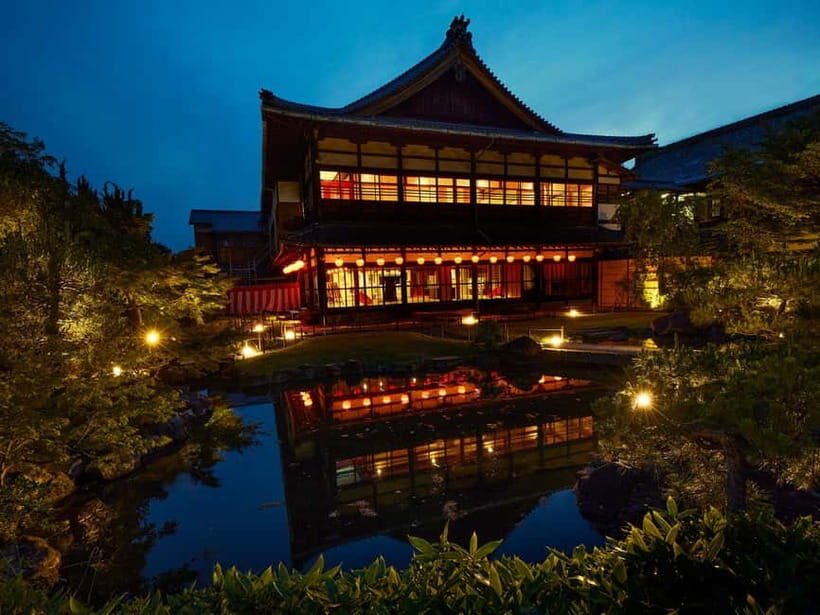
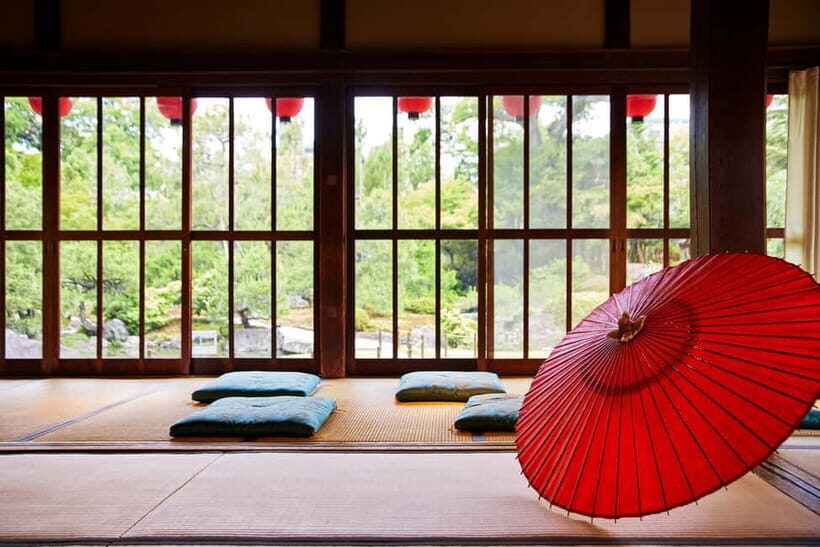
You’ll also get time to enjoy the setting: there’s a Chisen Water Japanese Garden, plus an Art Cafe area and a museum shop.
The garden is more than decoration. It’s a quiet counterpoint to the performance. After you watch something highly controlled and expressive, the calm layout of the garden helps your brain switch modes from attention to reflection. If you’ve been walking Kyoto all morning, this kind of reset is a big part of why the whole experience feels satisfying even though the dance is brief.
The Art Cafe isn’t described in detail here, but it’s clearly part of the experience flow—think of it as your chance to stay put rather than rushing back outside immediately after the show. If you’re traveling with someone who gets antsy in museums, the garden and cafe vibe can make the time feel less like homework.
And yes, there’s a museum shop. It’s usually where you can pick up smaller souvenirs tied to the theme—useful if you want something more Kyoto-culture and less mass-market.
Performance timing: how to choose the right session
You’re given multiple possible starting times. The schedule provided lists performances at:
- 13:30
- 14:20
- 15:00
- 16:00
- 16:30
Because the experience is short, your time choice affects how relaxed your visit will feel. If you pick an early slot, you can attach it to your morning sightseeing and still have energy later. If you pick a later slot, it can work as a soothing midday or late-afternoon culture stop after crowds.
Plan to arrive early: you should come to the museum about 10 minutes before the performance starts. That buffer matters because the rules around the performance space and the no-photo requirement mean you’ll want time to get settled without rushing.
And remember: the performance window is about two songs, roughly 15 minutes. If you’re the type who likes long shows, you’ll need to treat the museum visit as the longer half of the experience.
No photos during the dance: how to still get the memories you want
This is the part that can make or break the experience for people who love cameras. No photos are allowed during the dance performance, and audio recording isn’t allowed either.
That doesn’t mean you’re stuck with zero memories. The museum offers photo sessions with a geiko or maiko, and tickets for those photo moments are only available at the museum. If that option matters to you, don’t leave it to chance—build in time to ask about it and, based on what you may encounter on-site, expect that it’s an extra paid add-on.
Some people talk about preparing around 2,000 yen for the extra picture session, often described as a Polaroid plus phone pictures. I’d treat that as a helpful planning number rather than a guarantee, but the main point is clear: if you want photos with performers, plan for it separately from the show itself.
Also, one more practical tip: even if you don’t buy the photo session, keep your phone away during the dance. It’s not just about rules; it also keeps you present. You’ll watch better when you aren’t constantly checking framing.






Ticket value at $25: why this small format can be a good deal
At $25 per person, you’re paying for two things: admission to the Gion Kagai Art Museum plus the performance fees for the live Kyomai dance.
In Kyoto, $25 can feel either like a bargain or a lot depending on how you spend your time. Here’s how I’d judge the value:
- If you’re the type who likes to connect what you see in the street with deeper cultural context, this ticket is efficient. You watch Kyomai, then you walk through exhibits that explain the artistry behind it.
- If you only want a performance and you’ll skip the museum details, the cost might feel harder to justify because the dance is only about 15 minutes.
- If you have time after the show, the museum lengthens the value. One of the best parts of this experience is that you can stay at the museum after the performance and browse at your own speed.
So for most visitors, the real value comes from the pairing: live performance first, then cultural framing through the permanent exhibit and the garden. It’s short, yes—but it’s not empty.
Who this suits best (and who might prefer something else)
This is a smart fit if:
- You want a concentrated cultural moment without committing to a long activity.
- You’re curious about geiko/maiko culture, including outfits, tools, and seasonal details.
- You like museums but also want a live performance component to keep things moving.
It’s not the best match if:
- Photography is a top priority during performances. Since no photos are allowed during the dance, you’ll need to either accept that or plan the extra photo session.
- You want a long show or lots of audience interaction. This format is structured around performance and exhibit browsing, not a Q&A after.
Language-wise, you’re in a good place. The museum includes English support via QR codes. Still, for the dance itself, you shouldn’t expect captions in the performance space. If you’re very into interpreting song lyrics line-by-line, you might find you get more meaning from the exhibit explanations than from subtitles during the show.
How to plan your visit in a simple, smooth way
Here’s a practical flow that matches the spirit of the experience:
- Arrive at the museum entrance early enough to settle (aim for 10 minutes before start).
- Before the dance, do a quick scan of the most relevant exhibit areas so you have context while you watch.
- During the performance, focus on posture and expression rather than capturing it with your camera.
- After the dance, slow down with the Chisen water garden and spend time with the permanent exhibit at your own pace.
- If you’re interested in performer photos, ask about photo session options at the museum rather than expecting them to be bundled with the main ticket.
If you’re building a tight Kyoto day, this stop is a good “quality break.” It doesn’t consume your whole afternoon, but it still feels like something you can remember for years.
Should you book Kyoto Kyomai Dance + Gion Kagai Art Museum?
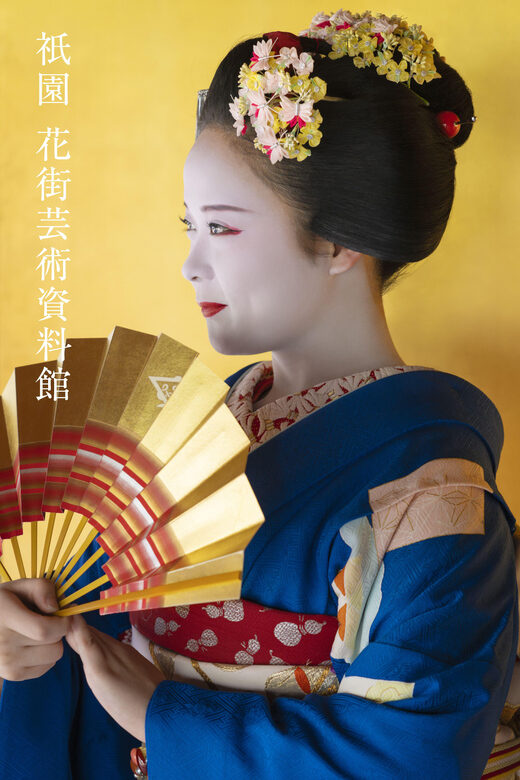
Yes—if you want a compact, high-quality introduction to Kagai culture. The strongest reason to book is the pairing: live Kyomai by geiko or maiko, followed by a museum that explains the art through tangible details like kimono patterns, seasonal hair ornaments, and maiko makeup.
If you’re not excited about the museum component, or if you’re determined to take photos during the performance, then you should reconsider. The no-photo rule is firm, and the dance is only about 15 minutes. But if you can treat the show as something to watch quietly and thoughtfully—and then spend time reading QR-based explanations—the value at $25 makes a lot of sense.
FAQ
How long is the dance performance?
The performance is about 15 minutes total, covering two songs.
Is photography allowed during the dance?
No. No photos are allowed during the dance performance. You can purchase tickets for a separate photo session at the museum.
Is there English information at the museum?
Yes. English explanations are available through QR code scanning.
What does the ticket include?
Your ticket includes admission to the Gion Kagai Art Museum plus the performance fees for the Kyomai dance.
Where do I go to start?
Use the museum entrance as your meeting point and find it when you arrive.
Is this experience refundable?
No. The experience is non-refundable.