REVIEW · KYOTO
Kyoto: Samurai Ninja Museum guided tour
Book on GetYourGuide →Operated by GLOBA Inc. · Bookable on GetYourGuide
Samurai gear beats museum boredom. In this Kyoto Samurai Ninja Museum guided tour, the big draw is hands-on fun: shuriken throwing plus dressing up in samurai-style kit, with a guide who explains how these warriors fit into Japanese history. I also like that you get more than just looking at props, because you’re put right in the action with a guided, practical experience.
What can slow you down is simple: you’re paying for a bundle. At $28, the price includes museum entry and activities, so if you planned to treat the museum as a solo, self-guided stop, this may feel like an upsell rather than a “must-do” experience.
In This Review
- Key points before you go
- Kyoto’s samurai-and-ninja link makes this museum make sense
- One hour can feel packed, not stressful
- Skip-the-line museum time and what the guide actually does
- Samurai dress-up: real helmet, replica sword, and photo-ready presence
- The katana lesson and ninja fukiya try-out are the real differentiators
- Shuriken throwing: the hands-on finale that feels fair
- Price and value for $28: what you’re really buying
- Who this tour fits best (and who might not love it)
- Logistics that matter: group size, timing, and wheelchair access
- Should you book the Kyoto Samurai Ninja Museum guided tour?
- FAQ
- How long is the Kyoto Samurai Ninja Museum guided tour?
- Is there an English-speaking guide?
- What’s included in the tour price?
- Do I need to wait in a ticket line?
- How big is the group?
- Is the tour wheelchair accessible and can I cancel?
Key points before you go
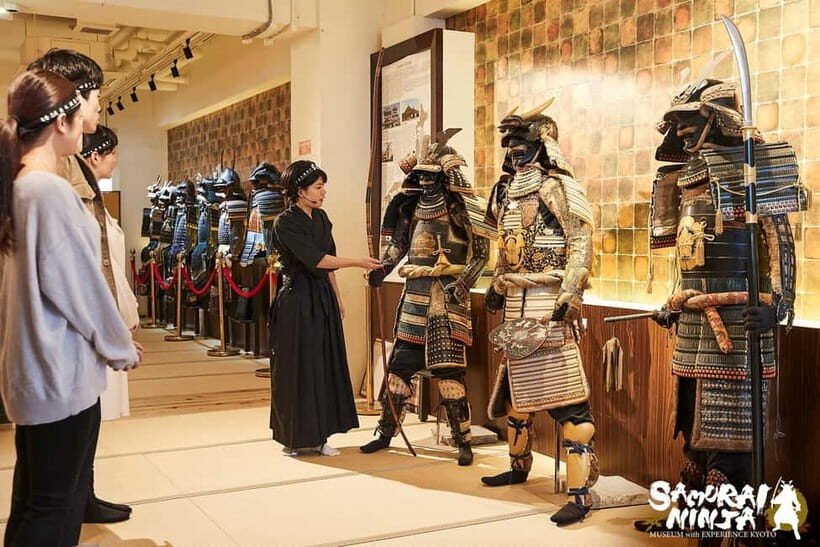
- Small-group feel with an English-speaking guide, limited to 10 participants
- Dress up for photos with samurai clothing, a real helmet, and a replica sword
- Hands-on weapons time including a shuriken throw, plus ninja fukiya use and a katana lesson
- Museum entry handled for you with skip-the-ticket-line access
- Multiple guide styles you might get (names like Mami, Miu, Akiko, Aya, and Sayo show up in past bookings)
Kyoto’s samurai-and-ninja link makes this museum make sense
Kyoto isn’t just a pretty backdrop for legends. The tour frames samurai and ninja as part of the city’s long timeline, stretching from the early Heian period through the collapse of the Tokugawa shogunate, when these warrior roles shaped what life could look like in Japan. That matters, because when a museum connects the weapons and costumes to real historical context, you don’t just see objects. You understand why they mattered.
And this is a practical kind of history. Instead of only standing still and reading panels, you’re doing things—throwing, trying, holding, and being coached. That’s how people usually remember visits like this: body-involved learning sticks. Even if you only know the basics, the guide helps you build a clearer picture of how samurai and ninja fit into Kyoto’s story.
You can also read our reviews of more guided tours in Kyoto


One hour can feel packed, not stressful
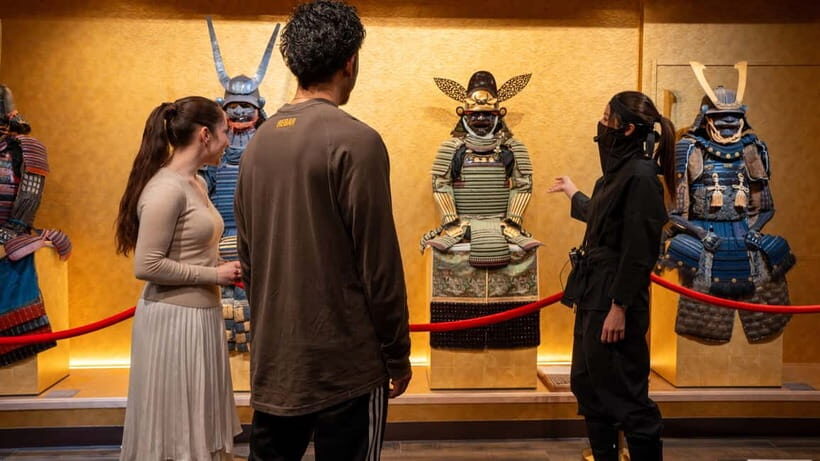
This is a short tour at 1 hour, which is ideal when you’re doing a lot of Kyoto and don’t want another half-day commitment. The small group size helps keep it moving, but also keeps you from disappearing into the crowd. When the group stays tight, you’re more likely to get answers to questions and more time for photos at the costume and weapon stations.
Because it’s short, your best strategy is to show up ready to participate. Wear comfortable clothes and shoes you don’t mind getting a little “costume-adjacent.” If you’re bringing kids, this timing is often a sweet spot: long enough to feel like you did something, not so long that attention fades.
Skip-the-line museum time and what the guide actually does
The tour includes a museum tour with a professional English-speaking guide, plus skip-the-ticket line entry. That sounds like a small perk, but in Kyoto, it can be the difference between starting on time and losing your momentum to waiting.
Inside, the guide’s job is to connect the dots between what you see and how the warriors lived. I like the way this kind of museum tour usually works: you get guided explanations that make the displays feel less random. Past guides named in bookings—such as Mami, Miu, Aya, Akiko, and Sayo—are often praised for clear explanations in English and for keeping the group engaged, including by asking questions. That style matters, because it turns the hour into something you actively follow.
Samurai dress-up: real helmet, replica sword, and photo-ready presence
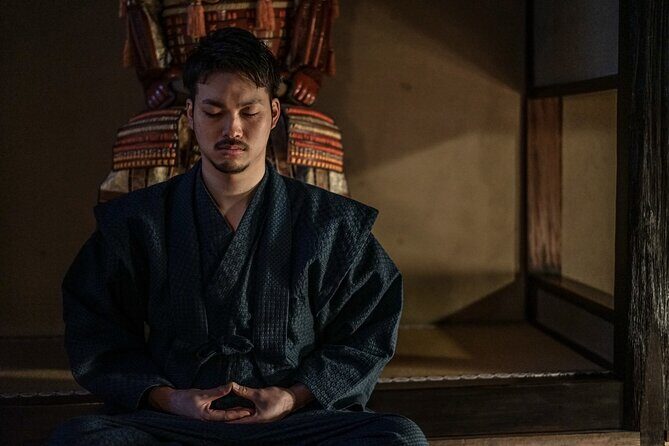
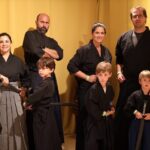
One of the best parts of this tour is that it gives you permission to play, but with real structure. The highlight is dressing up like a samurai: you wear a samurai costume, put on a real samurai helmet, and hold a replica sword.
That hands-on element is more than just a souvenir moment. Wearing the helmet and taking on the stance helps you “get” the visual language behind the armor and equipment. Even if you’re not a cosplay person, it’s a quick way to bring the story to life.
It’s also great for photos, and the tour’s flow is designed so you can actually use the moment rather than rushing past it. If you care about pictures, bring your patience and be ready when the guide cues your turn.
The katana lesson and ninja fukiya try-out are the real differentiators
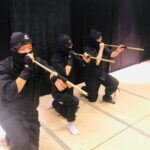
This museum doesn’t limit itself to costumes and a single prop. The tour experience is built around multiple hands-on stations, including a katana lesson and using a ninja fukiya (a blowgun-style tool).
What you’re likely to get here is guided instruction that helps you understand the purpose of each item, not just how it looks. This matters because it’s easy to leave a museum thinking you saw cool gear, with no idea what it was used for or why it existed. The tour’s structure pushes past that by giving you a chance to practice and ask questions.
One practical note: these stations can be more fun than you expect, especially if you have kids or you’re the type who likes doing rather than watching. It’s a short tour, so you won’t master anything, but you should leave feeling like you actually learned something and tried something.
You can also read our reviews of more museum experiences in Kyoto


Shuriken throwing: the hands-on finale that feels fair
The ninja star (shuriken) throwing experience is the headline activity, and it’s easy to see why. It’s simple to understand, it’s visual, and you get immediate feedback when you throw. Even if you don’t land a perfect hit every time, you still walk away with a real “I did that” memory.
The guide’s role here is important. In a group setting, you want someone explaining what to do, keeping turns organized, and making sure you’re safe. Since this is part of the guided experience, you’re not left to figure it out on your own.
If you’re picky about value, treat this as the core reason to book. Lots of museum visits end the same way: look, read, leave. Here, you finish with a physical skill moment that breaks the pattern.
Price and value for $28: what you’re really buying
At $28 per person, you’re not just buying a ticket. You’re also getting:
- museum entry handled with skip-the-line access
- a guided English tour
- samurai dress-up elements (including a real helmet and replica sword)
- the shuriken throwing experience
- and hands-on additions described as part of the tour flow, like a katana lesson and ninja fukiya use
That’s a lot for one hour, especially in Kyoto where many experiences charge extra for each station. The value depends on your style. If you like active learning, short tours, and photo-friendly moments, this price makes sense.
If you’re the type who wants a quiet, independent museum stroll and you already know you won’t use the costumes or weapon stations, it may feel like you’re paying for parts you won’t care about. Also, one practical worry from past booking comments is the perception that it can feel like a “ticket + regular guide” setup. So, ask yourself: do you want the bundled activities, or would you rather build your own itinerary?
Who this tour fits best (and who might not love it)
This tour is a strong match for:
- families with kids who want hands-on activities and don’t want a long sit-down tour
- first-time visitors who want a focused introduction to samurai and ninja themes in Kyoto
- people who like photos and short, energetic cultural experiences
- anyone who prefers an English guide instead of trying to interpret displays alone
You might hesitate if:
- you strongly prefer self-paced museum time with no interactive elements
- you’re only interested in reading about history and don’t care about dress-up or weapon trials
- you dislike paying for “entry bundled with activities,” especially if your goal is just to see exhibits
Logistics that matter: group size, timing, and wheelchair access
This is listed as a small group, limited to 10 participants, with an activity that can have up to 30 travelers. In real life, that usually means you’ll keep a close circle with your guide, while the museum may still be lively in the background. Either way, the small group size is a real advantage for interaction.
Language is English, and the tour is marked wheelchair accessible, so you should feel more confident booking if mobility is a concern. Since this is a guided experience, you’ll want to confirm what kind of surface and station access to expect for your specific chair setup, but the accessibility listing is a good sign.
Timing is flexible based on starting times, and since the tour is only one hour, you can plug it into a busy Kyoto day without breaking your schedule. Just plan to arrive a little early so you’re ready when your group starts.
Should you book the Kyoto Samurai Ninja Museum guided tour?
Book it if you want a short Kyoto activity that mixes history context with real hands-on moments. If you care about doing something—putting on samurai gear, trying ninja star throwing, and getting guided explanations in English—this is a strong use of your time.
Skip it (or reconsider) if you’re mostly after a quiet museum walk and you already know you won’t participate in the costume or weapon stations. At $28, it’s built as an experience, not a bare-bones ticket.
My practical tip: if you skim the basics on samurai and ninja before you go, the guide’s explanations land faster. You’ll understand more of what you’re seeing and asking about, and the hour will feel more “worth it” to you.
FAQ
How long is the Kyoto Samurai Ninja Museum guided tour?
The tour lasts 1 hour.
Is there an English-speaking guide?
Yes. The tour includes a live English-speaking guide.
What’s included in the tour price?
It includes museum entry with the guided tour, samurai costume elements, and the ninja star (shuriken) throwing experience. The experience description also mentions a katana lesson and ninja fukiya use as part of the tour.
Do I need to wait in a ticket line?
No. The tour notes skip the ticket line.
How big is the group?
It’s a small group limited to 10 participants, and the activity notes a maximum of 30 travelers.
Is the tour wheelchair accessible and can I cancel?
The tour is listed as wheelchair accessible. It also offers free cancellation up to 24 hours in advance for a full refund.