REVIEW · NIKKO
Nikko Full-Day Private Tour with Government-Licensed Guide
Book on Viator →Operated by Japan Guide Agency · Bookable on Viator
Nikko feels like two worlds in one day: sacred shrines and real wilderness. This private tour works because the plan is customizable and you skip the slow, crowded group shuffle. I also love that it’s built around a licensed English-speaking guide, so you spend less time guessing what you’re looking at and more time enjoying it.
One consideration: this is basically a walking day, and the tour doesn’t include transport, entrance fees, or lunch. If you want zero budgeting and zero walking, you’ll need a different style of tour.
In This Review
- Key points before you commit
- Nikko, minus the crowd pressure
- Government-licensed guide, real flexibility, and better conversations
- Price and logistics: what you’re paying for (and what you’re not)
- Getting your bearings: walking, meet-up, and cash planning
- Stop-by-stop: what each major Nikko stop feels like
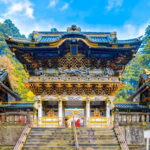
- Nikko Tōshō-gū: Tokugawa power, in bright detail
- Rin’nō-ji and Taiyū-in: two layers of religious meaning
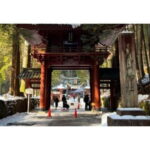
- Futarasan Shrine and Shinkyō Bridge: older roots before the main parade
- Nikko Tamozawa Imperial Villa Memorial Park: Edo-meets-Meiji details
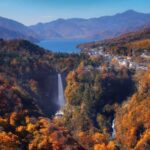
- Lake Chūzenji and Kegon Falls: the nature duo that never disappoints
- Senjōgahara Field: the myth that makes the terrain feel bigger
- Kanmangafuchi Abyss: a short riverside walk with a dramatic payoff
- Kirifuri Waterfall: two tiers and a calm change of pace
- Akechidaira Observation Area: ropeway up, big mountain angles
- Nikko Botanical Garden and Kanaya Hotel History House: calmer stops with story
- How to choose your 3–4 stops (without overthinking it)
- What makes this day feel good: the small, human details
- Should you book this Nikko private tour?
- FAQ
- How long is the Nikko private tour?
- How many attractions will we see?
- Can the itinerary be changed during the tour?
- Where do we meet the guide?
- Is pickup available?
- Are entrance fees included?
- Do we pay for transportation separately?
- Is lunch included?
- Is this a walking tour?
- Is it only for my group?
Key points before you commit
- Private, 3–4 stop route: you choose the mix instead of being herded through everything.
- Government-licensed English guidance: you get context on Tokugawa-era sites and nature highlights.
- On-foot meet point near Nikko Station: get organized fast and start sightseeing immediately.
- Cash matters: public transport and taxis cost extra, so bring money for the day.
- Free sights are part of the plan: you’ll likely include several paid and several no-fee stops to balance value.
- Guides adjust on the fly: past visitors highlighted flexibility for weather and schedules.
Nikko, minus the crowd pressure
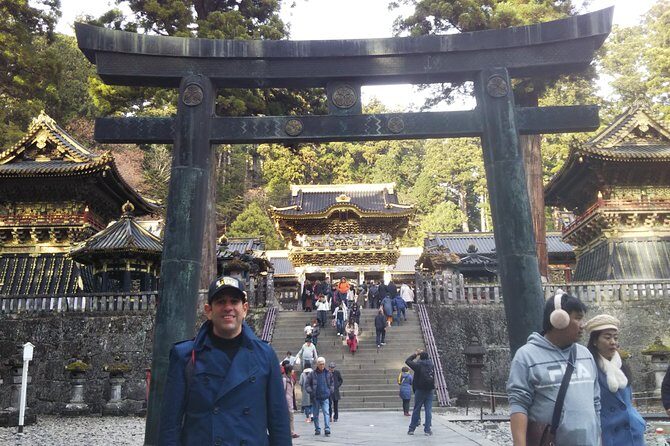
Nikko can get busy fast, especially around the UNESCO shrine area. The big advantage here is simple: you’re not stuck in a large group moving at someone else’s pace. With a private guide, you can slow down for details, speed up when you’re done, and actually look at what matters to you.
I also like the focus on a short list of stops (usually 3–4 attractions) rather than trying to “cover everything.” That restraint is what makes the day feel enjoyable instead of exhausting. You’ll still see major hits, but you won’t spend half the tour standing in line and half standing in front of a photo spot.
You can also read our reviews of more guided tours in Nikko
Government-licensed guide, real flexibility, and better conversations
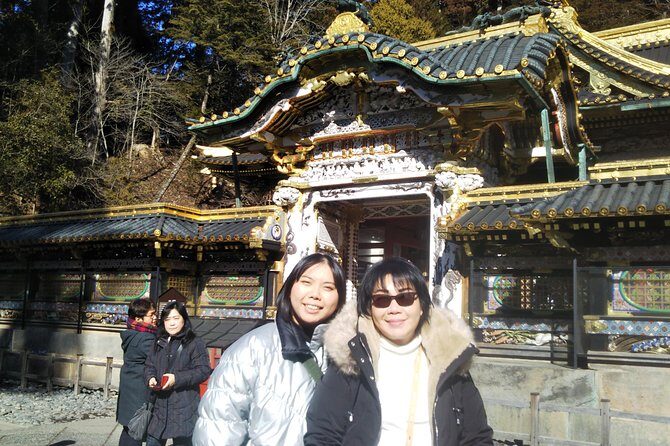
The guide is the engine of this experience. You meet at/near Nikko Station and then the day’s route is built around your interests with no fixed itinerary. If you care more about nature than history, the guide can shape the day that way. If you want Tokugawa power and sacred architecture, they can lean into the shrine and temple cluster.
In past experiences with this program, guides have reached out ahead of time to understand what visitors want to see, then built a plan that matches. Some have even helped with practical stuff like lunch booking and transport decisions. That’s not glamorous, but it saves a ton of stress when you’re in a complicated area and don’t want to waste daylight figuring out bus timing.
One subtle payoff: because you’re not marching through a script, you get better answers. People using this service often note that questions flow naturally, from meaning behind shrine design to how local transport works.
Price and logistics: what you’re paying for (and what you’re not)
At $155.86 per person for about 6 hours, you’re paying primarily for the private, licensed guide time and the customized route. That’s often better value than doing Nikko DIY if you arrive with limited planning time—or if you’re visiting from Tokyo and want the day to run smoothly.
What’s not included is important:
- Transportation fees (public transit or taxis)
- Entrance fees for most sights
- Lunch
- Other personal expenses
So yes, the price covers the guide and the structure of the day. Your budget for the rest is basically “transport + tickets + food,” and the tour is designed so you can balance paid stops with a few free ones.
Getting your bearings: walking, meet-up, and cash planning
The tour is described as a walking tour, and the basic experience is on foot. Pickup is offered, but the core meeting is tied to the Nikko Station area on foot (within a designated area). That means you should plan to arrive to Nikko with enough buffer to meet your guide on time.
Here’s the practical part: bring cash for public transportation or taxis. Entrance tickets are not included for several key sites, and even when a stop is free, you still might need transit to get there.
One extra planning tip from real-world use of this style of day tour: have enough money on hand for buses plus entrance fees. A commonly suggested rule of thumb in Nikko is to bring at least 10,000 JPY so you’re not stuck mid-day.
Stop-by-stop: what each major Nikko stop feels like
You’ll select 3–4 attractions from a menu of options. Below is what each commonly chosen stop offers, plus what can be annoying depending on your day and weather.
You can also read our reviews of more private tours in Nikko

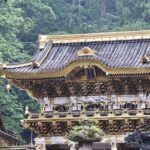
Nikko Tōshō-gū: Tokugawa power, in bright detail
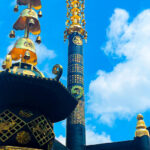
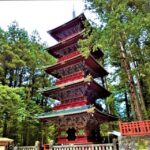
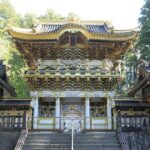
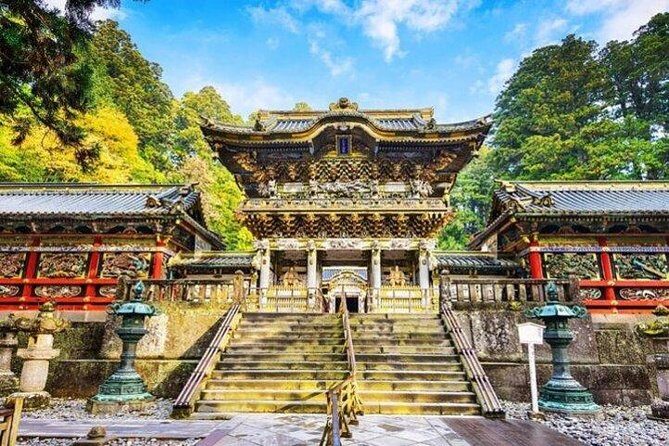
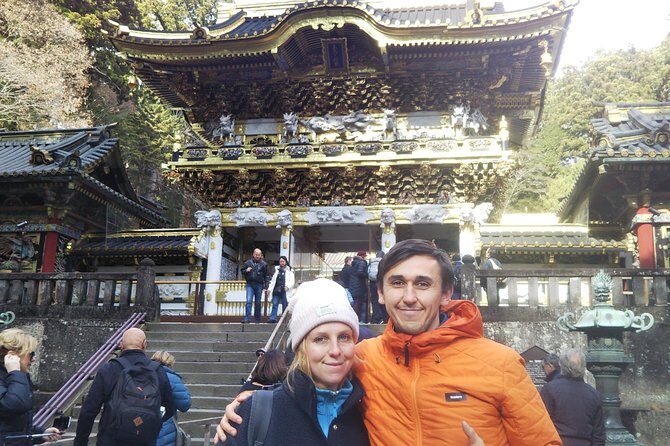
Tōshō-gū is the headline shrine complex, and it’s visited for a reason. You’ll see the final resting place of Tokugawa Ieyasu, founder of the Tokugawa shogunate, plus nearby shrines and temples. The vibe is ceremonial and theatrical—carvings, colors, and symbolism that are meant to impress.
Time on site: about 30 minutes
Tickets: not included
Watch for: it’s a high-focus stop, so if you love architecture and religious symbolism, spend your energy here rather than overloading the day with too many other paid sites.
Rin’nō-ji and Taiyū-in: two layers of religious meaning
If Tōshō-gū is the big show, Rin’nō-ji Temple gives you the Buddhist backbone of Nikko. It’s described as Nikko’s most important temple, founded by Shōdō Shōnin when Buddhism was introduced to Nikko in the 8th century. You’ll get roughly 30 minutes, with ticket not included.
Then there’s Taiyū-in, the mausoleum of Tokugawa Iemitsu (the third shogun), the grandson of Ieyasu. The mausoleum complex is lavish and arranged in a layout similar to Tōshō-gū.
Time: about 30 minutes
Tickets: not included
What I’d do: if you’re interested in how the Tokugawa shaped both political and religious life, pair Tōshō-gū with either Rin’nō-ji or Taiyū-in. Doing both can also work if you’re not trying to cram in waterfalls.
Futarasan Shrine and Shinkyō Bridge: older roots before the main parade
Futarasan Shrine sits next to Tōshō-gū, but it’s older and less flashy. It was founded in 782 by Shōdō Shōnin. If you want a calmer, more foundational feel, this is a strong add.
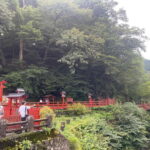
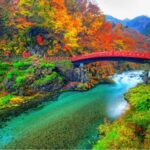
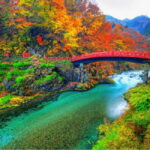
Right at the entrance area is Shinkyō Bridge, a sacred bridge that technically belongs to Futarasan Shrine. It’s ranked among Japan’s three finest bridges.
Time: about 30 minutes for Shinkyō on the day plan
Tickets: Shinkyō is free in the listed options
Consideration: these are often “short but meaningful” stops. If you love atmosphere and symmetry, they’re worth it. If you only care about major monuments, you might choose one and keep the rest for nature.
Nikko Tamozawa Imperial Villa Memorial Park: Edo-meets-Meiji details
Tamozawa Imperial Villa is a different kind of Nikko. It blends traditional Edo and early Meiji architecture and has a long-room count history—described as 106 rooms. The villa was erected in Nikko in 1899.
Time: about 30 minutes
Tickets: not included
Why it’s valuable: it gives you a “Nikko as a getaway for power” perspective, not just shrines and worship.
Lake Chūzenji and Kegon Falls: the nature duo that never disappoints
If you want the day to breathe, pick Lake Chūzenji and Kegon Falls together.
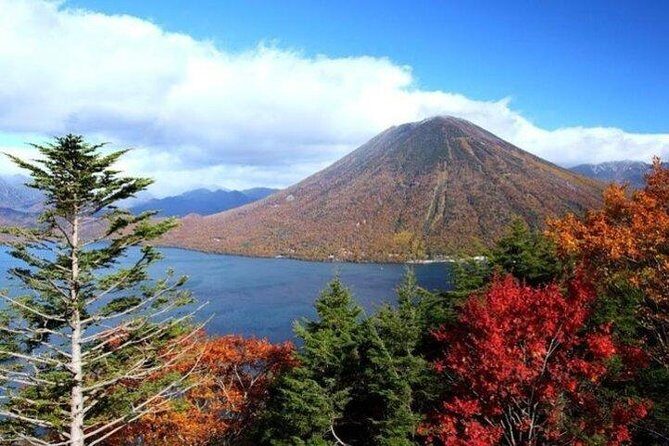
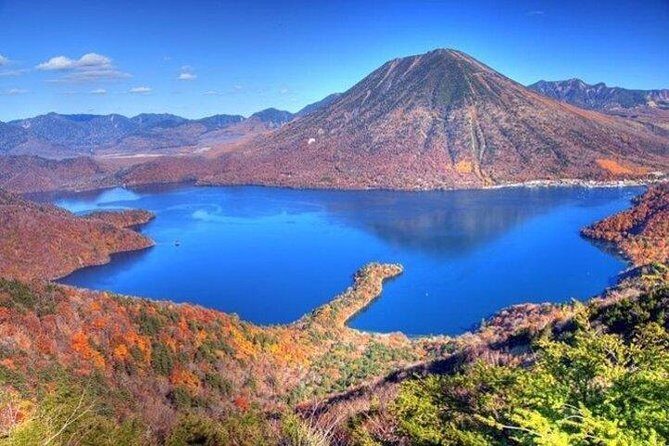
Lake Chūzenji is the largest lake in Tochigi, set in a natural ring described as 25 kilometers of scenery. It also links to the late-19th/early-20th-century era when it was a summer resort for foreigners.
Time: about 15 minutes
Tickets: listed as free
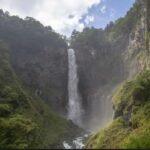
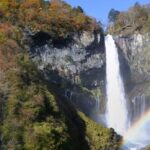
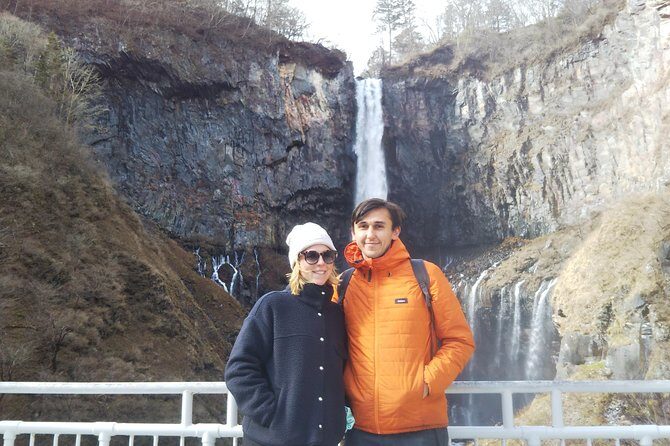
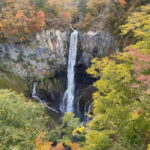
Kegon Falls is Nikko’s most famous of 48 waterfalls. Water from Lake Chūzenji drops 97 meters straight down. There’s a lift for visitors as part of the experience, which makes it easier to access the waterfall viewpoints.
Time: about 15 minutes
Tickets: not included
My advice: in a 6-hour day, Kegon is a great “high payoff” stop. Don’t expect long wandering—expect a strong view, some photos, and a return to moving.
Senjōgahara Field: the myth that makes the terrain feel bigger
Senjōgahara Field translates to battlefield, and it ties to a legend about gods of Mount Nantai and Mount Akagi fighting over neighboring lakes. It’s a cultural story anchored to place, not just scenery.
Time: about 15 minutes
Tickets: listed as free
When to choose it: if you’re already in the Nikko National Park nature zone and want something more than a viewpoint, this is an easy add.
Kanmangafuchi Abyss: a short riverside walk with a dramatic payoff
Kanmangafuchi Abyss was formed by an eruption of nearby Mount Nantai. It’s a gorge only a few hundred meters long, but it’s described as enjoyable via a riverside walking trail.
Time: about 30 minutes
Tickets: listed as free
Why it works: even if you’re not a big hiker, this stop gives you movement and views without requiring a long trek. It’s also a good “cool-down” choice if you’ve been in heavy shrine crowds.
Kirifuri Waterfall: two tiers and a calm change of pace
Kirifuri Waterfall is a two-tier waterfall about 75 meters high, located below the Kirifuri Highlands a few kilometers northeast of the shrine area.
Time: about 15 minutes
Tickets: not included
Best use: add Kirifuri when you want one more waterfall without turning the day into a full hiking project.
Akechidaira Observation Area: ropeway up, big mountain angles
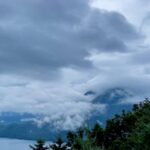
For views, Akechidaira Plateau is near the top of the Irohazaka Slope area. You can take a ropeway up to an observation platform, with sweeping views over a winding road and a dramatic mountain backdrop.
Time: about 15 minutes
Tickets: listed as free
Consideration: if the weather is foggy or rainy, the view may not be as dramatic. This is still a good choice if you want variety, but prioritize it on clearer days.
Nikko Botanical Garden and Kanaya Hotel History House: calmer stops with story
If you want something quieter or more “everyday Nikko,” add:
- Nikko Botanical Garden, owned and maintained by the University of Tokyo. That university connection makes it feel more research-focused than a simple scenic park.
Time: about 30 minutes, tickets not included.
- Kanaya Hotel History House, described as a historical building that served as the predecessor of the famous Kanaya Hotel.
Time: about 15 minutes, tickets not included.
These stops can be a relief if you’ve hit several shrine locations back-to-back.
How to choose your 3–4 stops (without overthinking it)
This tour works best when you pick a theme. Here are a few clean combos that match the kinds of stops listed.
Theme A: Tokugawa focus
- Nikko Tōshō-gū
- Taiyū-in (Mausoleum of Iemitsu)
- Rin’nō-ji Temple or Futarasan Shrine
Theme B: Nature-first day
- Kegon Falls
- Lake Chūzenji
- Kanmangafuchi Abyss or Kirifuri Waterfall
- Optional: Senjōgahara Field if you want one more short story stop
Theme C: Views + variety
- Shinkyō Bridge (free) plus one shrine stop
- Akechidaira Observation Area (free)
- Kanmangafuchi Abyss (free)
If you’re unsure, the guide’s job is to shape the route based on your interests and the day’s conditions. In real use, guides have been flexible with weather and schedules, so don’t worry about getting it perfect before you meet.
What makes this day feel good: the small, human details
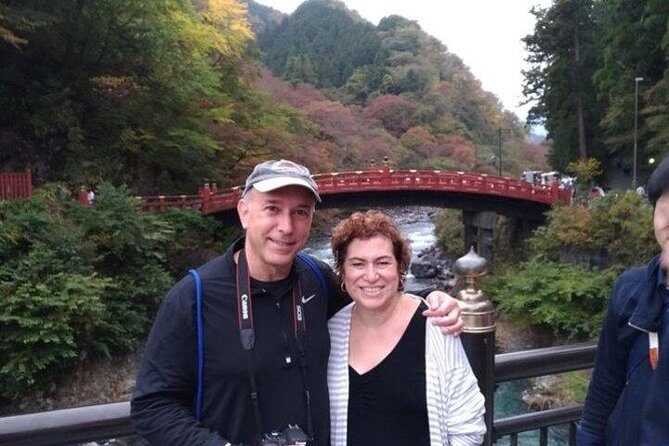
The big selling point is the private format, but the human touches often do the most work on a long day. People have highlighted guides who communicate clearly ahead of time, tailor the route to questions and preferences, and help solve the “how do we get there fast” problem using local bus or taxi timing.
You’ll also see examples of practical care: one guide was noted for bringing towels for an onsen-style foot bath and ice packs on a hot day. That kind of prep is not required in the listing, but it shows the culture around this service: comfort and smooth timing matter.
Should you book this Nikko private tour?

Book it if you want:
- A private, licensed English guide who can explain both shrines and nature
- A day plan with no fixed itinerary, so you can build around your interests
- Less crowd friction and better pacing
Skip it (or consider another style) if you:
- Want a fully pre-set route with no decision-making
- Prefer that transportation, tickets, and lunch are included in one price
- Don’t want a walking-focused day
If you’re doing Nikko as a once-in-a-while trip, this is a smart way to make your time count. You’ll still pay for entrances and transit, but you’ll gain something more valuable than another checklist photo: a day that feels organized, guided, and genuinely easier.
FAQ
How long is the Nikko private tour?
It’s listed as about 6 hours.
How many attractions will we see?
The tour is designed around 3–4 sites chosen from the options in What to expect.
Can the itinerary be changed during the tour?
Yes. The route is customizable based on your interests with no fixed itinerary.
Where do we meet the guide?
You meet on foot within a designated area in Nikko, typically connected to the Nikko Station area.
Is pickup available?
Pickup is offered, but you’ll want to confirm the exact meeting arrangement for your day.
Are entrance fees included?
No. Entrance tickets are not included for the sights listed as admission ticket not included.
Do we pay for transportation separately?
Yes. Transportation fees are not included, and the tour advises bringing cash for public transport or taxis.
Is lunch included?
No. Lunch is not included.
Is this a walking tour?
Yes. It’s described as a walking tour, with the basic experience on foot.
Is it only for my group?
Yes. It’s a private tour/activity, and only your group participates (and multiple tour groups can’t be combined).