REVIEW · KYOTO
Izakaya Style Cooking Class
Book on Viator →Operated by Cooking Sun · Bookable on Viator
A good meal starts with a lesson. This half-day izakaya-style class turns Kyoto into a working kitchen, teaching you the seasoning logic behind those casual pub favorites. You’ll also get a sit-down dinner, plus recipes you can actually use after you go home.
I love the hands-on pace and the small-group feel, capped at 8 people. You’ll get real attention while you cut, mix, and taste, not just watch from the sidelines. I also love that you leave with recipes designed for home cooking, so this isn’t a one-and-done experience.
One consideration: the menu can shift based on seasonal ingredients, so you may not get every dish you’re hoping for on the day you book. (It’s still a very practical class, just plan to be flexible.)
In This Review
- Key things that make this class worth your time
- Izakaya cooking in Kyoto: why this beats the usual food tour
- Cooking Sun Kyoto: a traditional studio that keeps things organized
- The izakaya story you actually get to use at the stove
- Dashi and seasoning: the skill that makes the whole menu click
- What you’ll cook: izakaya favorites, seasonal swaps, and smart variety
- How the dishes work together
- Small-group hands-on means fewer mistakes
- The dinner part: you taste before you leave
- Taking recipes home: how to cook these dishes again without guesswork
- Allergies, diets, and language clarity: who this class works for
- Timing and logistics that make the experience feel effortless
- Price and value: what you pay for, and why it adds up
- Who should book this class, and who might not
- Should you book Cooking Sun’s izakaya cooking class in Kyoto?
- FAQ
- What time does the class start, and how long is it?
- Where does the class meet?
- What is included in the price?
- Is there a mobile ticket?
- Are dietary restrictions accommodated?
- Does the class include hotel pickup or drop-off?
- How big is the group?
- What if my plans change and I need to cancel?
Key things that make this class worth your time
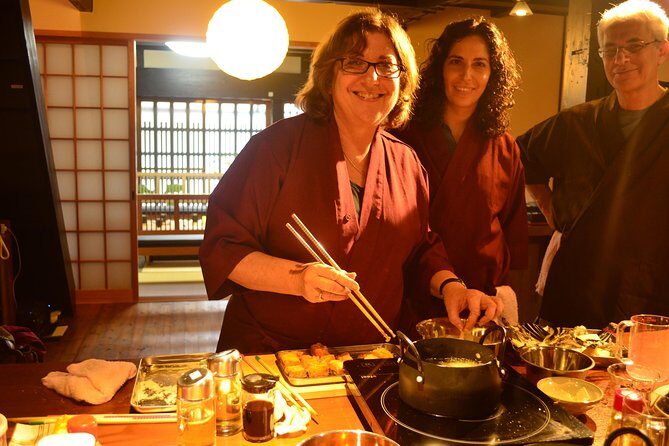
- Up to 8 people means you can ask questions while your knife is still out.
- English-speaking instruction keeps technique clear, not guessed-at.
- Dashi first: once you understand the stock, the rest of the flavors make more sense.
- A full dinner with what you cook, so you taste the results immediately.
- Recipes to take home, including practical notes for seasoning and sauces.
- Dietary needs are welcomed if you tell them in advance.
Izakaya cooking in Kyoto: why this beats the usual food tour
Kyoto is famous for quiet temples and loud appetites. Still, most food experiences focus on one big bite at a market or a single restaurant meal. This class is different. It’s not about memorizing a menu. It’s about learning the building blocks of izakaya cooking, so your home meals start tasting more Japanese and less like, well, try-your-best.
I especially like that the lesson connects food to culture. Izakaya isn’t just tapas in a different accent. It grew out of practical history: when rice was taxed for sake brewing in the 1700s, and when Edo-era sake shops began serving dishes to go with bottles. The vibe still matters today. You’re learning how everyday plates got their flavors, not just how they get plated.
The practical payoff is big. If you can make good dashi and balance seasoning, you can take a wide range of Japanese dishes and make them feel consistent. That is the kind of skill you keep using after the trip fades.
You can also read our reviews of more cooking classes in Kyoto
Cooking Sun Kyoto: a traditional studio that keeps things organized
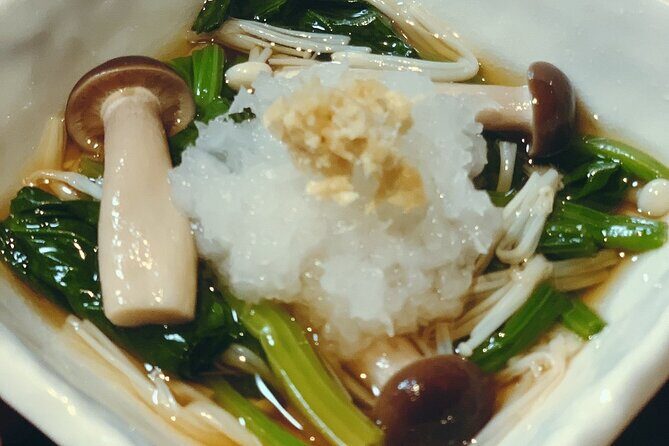
Your session starts at Cooking Sun Kyoto in Shimogyo Ward, at 679 Funayachō. The class takes place in a traditional wood house, which helps the whole thing feel grounded in place rather than assembled for tourists.
The workflow is what impresses me most. People can move from one station to the next without waiting forever. Ingredients are prepped in ways that reduce chaos, so you spend more time cooking and less time playing ingredient detective.
That organization also shows up in how the instructors handle groups. Even when the class is on the larger side, the team style is cooperative. One person teaches, another helps troubleshoot, and someone keeps things moving. In real life, that means you get un-stuck fast instead of standing there with a knife and a worry face.
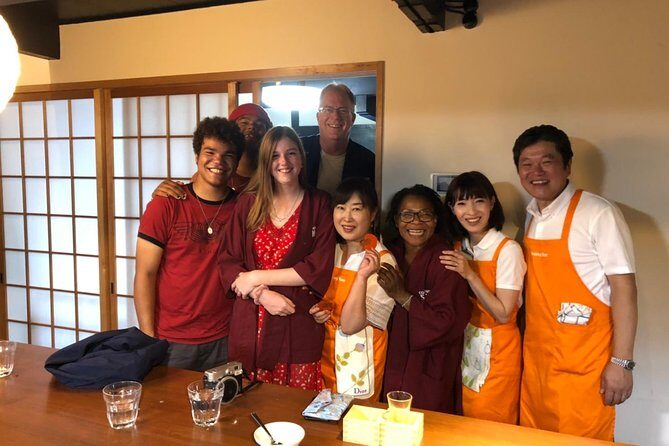
And since the class is capped at a maximum of 8 travelers, you’re not fighting for visibility. You can ask about cutting, sauces, or what to look for while cooking. It’s the kind of environment where a beginner can feel steady and an experienced home cook can still learn something new.
The izakaya story you actually get to use at the stove
Before you cook, you get an intro to izakaya origins and why it became the go-to spot for small parties. The short version: izakaya is built for affordable, flexible eating. People drop in, share plates, and nibble through the evening without needing a formal meal.
That context matters for how you understand the food. Many izakaya favorites are designed to work with rice, sake, beer, and conversation. They lean into salty-sweet balance, comforting textures, and sauces that make leftovers tasty.
You also learn about the “why” behind the ingredients and techniques. That’s crucial because Japanese cooking often depends on a few key components. If you use them correctly, the dish tastes right even if you’re not using fancy restaurant shortcuts.
In past sessions, the team approach has been credited for making technique feel approachable. One class example includes instructors staying patient while explaining differences between sauces and condiments. That kind of clarity is what lets you replicate results later.
Dashi and seasoning: the skill that makes the whole menu click
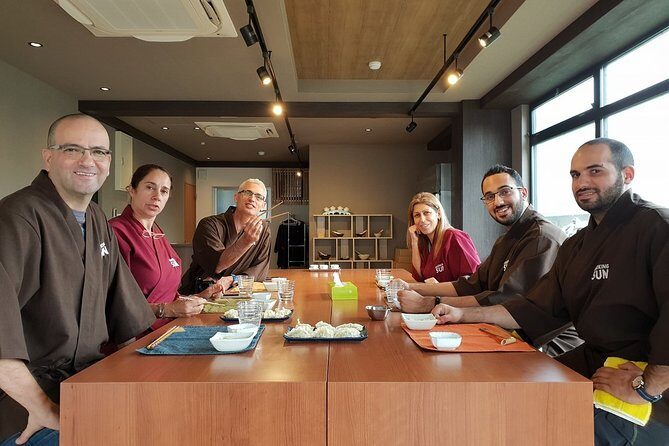
If there’s one reason this class stands out, it’s the focus on dashi and seasoning techniques. Dashi is the backbone stock used across Japanese cooking. When it’s made well and used with the right balance, everything tastes deeper without needing heavy salt or complicated steps.
What I like is the order. You don’t start with a fancy-looking dish. You start with the stock logic and the seasoning principles. Once you understand dashi, you understand why soups feel clean yet satisfying and why simmered sauces carry flavor from the inside out.
This is also where you’ll learn practical technique, not just facts. For example, you’ll get guidance on how to prepare the stock, then you’ll move into dishes that rely on similar flavor foundations. That makes the lessons stick.
In short: mastering dashi gives you a shortcut to better Japanese food at home. It’s the difference between a meal that tastes like a recipe and a meal that tastes like you know what you’re doing.
What you’ll cook: izakaya favorites, seasonal swaps, and smart variety
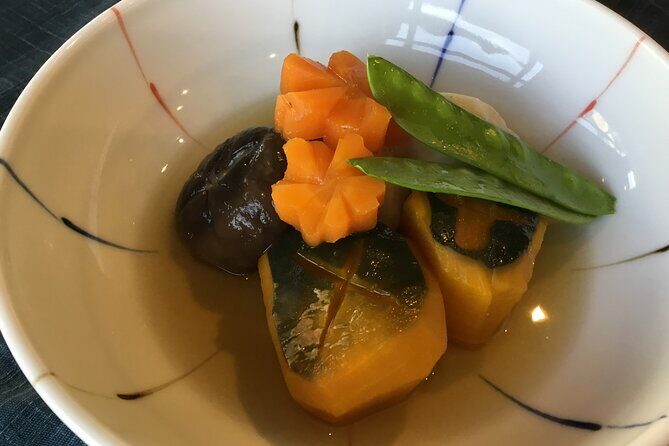
Your class is built around multiple dishes, often around 6 total. The exact menu can vary based on seasonal ingredients, so you should treat the list below as a menu style rather than a guaranteed checklist.
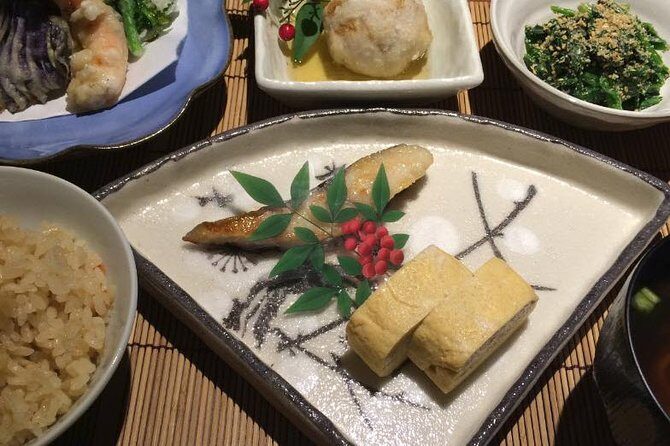
That said, expect izakaya comfort. Typical offerings can include:
- Spinach with sesame sauce
- Teriyaki yellowtail
- Vegetable chowder
- Mushroom tempura
- Rice with vegetables
On some days, you might also see items from past classes like cucumber salad, pumpkin soup, pasta, and a mochi dessert. If you have strong preferences, keep that flexibility in mind. The technique focus matters more than one named dish.
You can also read our reviews of more drinking tours in Kyoto




How the dishes work together
This menu design is smart. You’re getting a mix of:
- A soup component (where dashi shows up)
- A vegetable plate with rich sauce logic (like sesame-style flavors)
- A fried or crisp element (like tempura, which teaches timing and texture)
- A main-style dish (like teriyaki or sauced favorites)
- A dessert finish that still feels Japanese (like mochi)
That variety helps you learn more than one flavor pattern. At home, you won’t just know how to make one dish. You’ll start seeing how Japanese flavors repeat across different meals.
Small-group hands-on means fewer mistakes
Because the group is small, you can get feedback while you cook. That reduces the usual “I messed it up but nobody noticed” problem. It also makes it easier to adapt. If something is too salty or not fragrant enough, you can ask before it becomes dinner disappointment.
People have also noted that prep is managed efficiently. That means more cooking for you, and less time watching someone else slice.
The dinner part: you taste before you leave
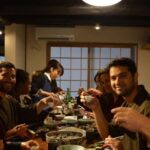
Your session ends with a sit-down dinner featuring what you made. That’s not just a nice bonus. It’s also the fastest way to calibrate your palate and technique.
You get to answer real questions like:
- Was the seasoning balance right?
- Did the sauce cling the way it should?
- Was your texture where you expected?
And since you’re eating with the group, you’ll see different outcomes even with the same lesson. In practice, that helps you understand what can vary at home and what should stay consistent.
You’ll also get an apron. It’s a small detail, but it helps you feel like you’re truly part of the cooking day instead of just borrowing tools.
Taking recipes home: how to cook these dishes again without guesswork
The key promise here is that you take recipes home. That matters because Japanese cooking often relies on small decisions: the ratio of stock to seasoning, how you treat a sauce during heating, and what texture you’re aiming for.
When you have a recipe sheet in your hand, you can repeat the lesson in your own kitchen without starting from scratch. You can also use it as a reference the next time you cook something similar.
One of the most practical parts of learning in a class setting is that you pick up the “where people go wrong” insights. Even if your dish is tasty the first time, you’ll be better next time because you understand the core technique behind it.
If you want to level up quickly after the trip, I’d suggest cooking just one item again within a week. Use the recipe and match your stock or seasoning to what you remember from class. Your palate will stay sharp that way.
Allergies, diets, and language clarity: who this class works for
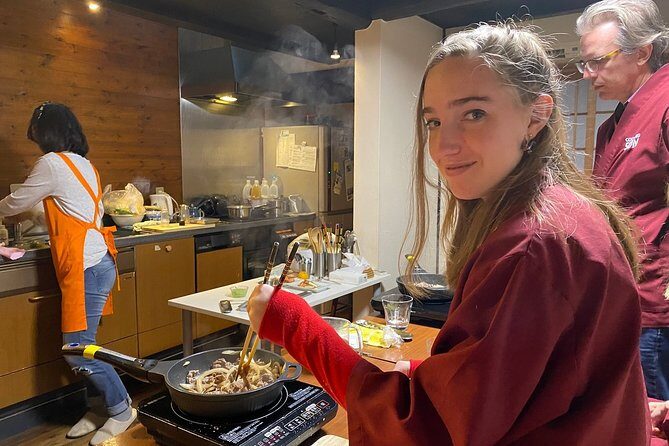
This class is built to fit different comfort levels. If you’re a beginner, the pace and step-by-step guidance help you get results without fear. If you’re already cooking at home, the technique focus (especially dashi and seasoning) gives you real upgrades.
Dietary needs are also taken seriously. The booking instructions ask you to advise specific dietary requirements ahead of time. In past sessions, celiac needs were accommodated, and vegetarian options were handled without turning it into a whole production.
Language also matters. The instruction is English-speaking, and that shows in how confidently you can follow along while working. You’re not stuck translating your way through every step.
One more note: the class may include dinner, and food and drinks are not included unless specified. If you’re planning to drink alcohol such as sake, it’s smart to ask what’s included on your day so you don’t get caught by surprise.
Timing and logistics that make the experience feel effortless
The class starts at 2:00 pm and runs about 3 hours. That timing is great in Kyoto because you can still do a morning activity, then have a productive afternoon without burning your whole day.
No hotel pickup or drop-off is included, which keeps the class focused on the studio day. You’ll just meet at the address in Shimogyo Ward and handle the rest. Since the location is near public transportation, you won’t need to stress about a complicated route.
You’ll get a mobile ticket, and confirmation is received at booking time. That’s the kind of setup that lets you spend more time planning what to eat afterward, not hunting for paperwork.
Price and value: what you pay for, and why it adds up
At $71.63 per person, this is not a budget street-snack experience. But it also isn’t a pricey hands-off show. Your price includes:
- Dinner
- All cooking ingredients
- An English-speaking cooking instructor
- An apron
When you factor in the ingredients plus instructor time plus a full meal, the cost starts to make sense. You’re paying for more than food. You’re paying to learn a technique that you can repeat.
Also, the small-group format is part of the value. When instructors can actually see your work, you get feedback, not just a demo. That’s hard to replicate on your own from a cookbook alone.
So my take: it’s good value if you want real cooking skills, not just a meal. If your goal is purely eating Kyoto food without chopping anything, you might prefer a lighter food walk instead.
Who should book this class, and who might not
You’ll probably love this if:
- You want hands-on Japanese cooking skills, especially dashi and seasoning
- You like casual izakaya flavors and want to recreate them at home
- You enjoy eating what you cooked, right away
- You want an organized class that still feels friendly
You might skip it if:
- You only want to eat and don’t want to cook
- You have very strict expectations about specific dishes, given that menus can vary by seasonal ingredients
- You’re looking for a long, multi-stop culinary tour rather than one focused studio experience
Should you book Cooking Sun’s izakaya cooking class in Kyoto?
Yes, if you want a practical souvenir you can cook later. This class is a focused, technique-based way to understand Japanese comfort food. The small group size, the organized teamwork, and the emphasis on dashi and seasoning make it more useful than most food-only experiences.
Book it especially if you want to leave with confidence. You’ll come home with recipes, a sense of what flavors should do, and a menu style you can adapt with ingredients you can actually find locally. That’s the kind of value that lasts longer than a photo.
If you’re deciding between options, treat this as your “skills day” in Kyoto. Pair it with temple mornings or market afternoons. Then let the kitchen work do what it does best: turn learning into dinner.
FAQ
What time does the class start, and how long is it?
The class starts at 2:00 pm and lasts about 3 hours.
Where does the class meet?
You meet at Cooking Sun, 679 Funayachō, Shimogyo Ward, Kyoto, 600-8466, Japan.
What is included in the price?
Dinner, all ingredients for cooking, an English-speaking cooking instructor, and an apron are included.
Is there a mobile ticket?
Yes, the experience includes a mobile ticket.
Are dietary restrictions accommodated?
You should advise any specific dietary requirements at the time of booking. The class has accommodated dietary needs such as allergies in past sessions.
Does the class include hotel pickup or drop-off?
No, hotel pickup and drop-off are not included.
How big is the group?
The class has a maximum of 8 people per booking.
What if my plans change and I need to cancel?
You can cancel up to 24 hours in advance for a full refund. If you cancel less than 24 hours before the start time, the amount paid is not refunded.
![[From Okayama] Okayama & Kurashiki Full Day Tour - Okayama Korakuen Garden: Edo-Era Design You Can Enjoy at Your Own Speed](https://images.thejapantraveler.com/wp-content/uploads/from-okayama-okayama-kurashiki-full-day-tour.jpg)