REVIEW · TOKYO
Fast & Furious Tokyo Drift 3 (Kaila Yu-SP) : Experience Ride JDM
Book on Viator →Operated by TOKYO DRIFT TOUR · Bookable on Viator
Tokyo turns into a car movie at night. This Fast & Furious Tokyo Drift 3 ride threads through Tokyo’s top car-culture spots, with guided time to meet the scene and ask questions along the way.
I’m especially taken by the Daikoku Parking Area stop, because it’s the real deal: you park near the heart of the modified-car crowd and get time to walk around and snap photos. I also like that the tour bakes in big city night views at Rainbow Bridge and Tokyo Bay, so it’s not only about cars.
One thing to plan for: this is not a movie stunt show. You should expect energetic, legal driving rather than guaranteed drifting, and timing can tighten if the area runs busy.
In This Review
- Key Things I’d Put on Your Radar
- A Tokyo Drift Night Built Around Daikoku, Not Just Driving
- Meeting Point in Akihabara (and How the Night Starts)
- Stop 1: Toyosu Pit and the Autobacs Shinonome Auto-Shop Break
- Daikoku Parking Area: The Car Meet That Feels Bigger Than It Looks
- Rainbow Bridge and Tokyo Bay at Night: When the Route Becomes Sightseeing
- Tokyo Tower in 30 Minutes: Fast Photos, Not a Ticketed Visit
- Shibuya Crossing Wrap-Up: Easy Photos and a Clean Ending
- The Cars and the Driving Style: JDM Thrills, Tokyo Rules
- Guides Who Keep the Night Fun (and Easy to Talk To)
- Price and Value: What $169.46 Buys You in Tokyo
- Who This Tour Fits Best (and Who Should Skip)
- Should You Book Fast & Furious Tokyo Drift 3 (Kaila Yu-SP)?
- FAQ
- How long is the Fast & Furious Tokyo Drift 3 tour?
- What’s the price per person?
- Where does the tour start?
- Where do we end the tour?
- What vehicles are used on the tour?
- Is Tokyo Tower admission included?
- What languages do the drivers speak?
- Is this tour weather dependent?
- Is there a group size limit?
Key Things I’d Put on Your Radar
- Daikoku PA access and meet-time on foot so you can actually explore builds up close
- Hotel/Airbnb drop-off across Tokyo, plus an option to end in Shibuya
- Night skyline views at Rainbow Bridge and Tokyo Bay included in the route
- Multi-language drivers covering English–Japanese–Portuguese–Spanish
- Small-group feel with a maximum of 30 travelers for a more personal night
A Tokyo Drift Night Built Around Daikoku, Not Just Driving
The core of this experience is Daikoku Parking Area, one of the most famous meeting spots for modified cars. The value here is that you don’t just point a camera from the window. You get time to arrive, walk the area, and absorb the atmosphere like you’re part of the scene for a little while.
This is also a strong choice if you like asking questions. Your driver can explain what you’re seeing and how Tokyo’s car culture works, from basics like common modifications to what makes certain cars popular locally. It’s that hands-on angle that turns the night from a simple ride into something more like a guided street-level photo walk with horsepower.
One practical note: Daikoku is busy by nature, and Tokyo is not built for “always go fast.” When traffic and crowd flow change, the tour still keeps moving, but the exact rhythm of the night can feel a bit different depending on the conditions.
You can also read our reviews of more tours and experiences in Tokyo.



Meeting Point in Akihabara (and How the Night Starts)
You’ll meet at FamilyMart Japan, 101-0022 Tokyo, Chiyoda City, Kanda Neribeichō, 3番地 富士ソフト秋葉原ビル 1F. It’s near public transportation, which matters because your best first step is arriving early, calm, and ready to leave.
This tour runs about 4 hours, and you should treat that as a true “night out” schedule, not a long half-day hang. You’ll also want to keep your phone handy for the mobile ticket, since that’s how you confirm your place.
Group size is capped at 30 travelers. In practice, the night can still feel organized and simple, but expect that you may be sorted into smaller vehicle groups once you meet up. That’s the smooth way these tours handle multiple cars and multiple drivers in one big city.
Stop 1: Toyosu Pit and the Autobacs Shinonome Auto-Shop Break
Your first real stop is Toyosu Pit, which includes an auto shopping experience at Autobacs Shinonome (an Autobacs megastore in the Shinonome area of Koto-ku). This part works well because it gives you a chance to shift gears from “meeting and riding” to “shopping and browsing,” and it’s usually the calmer stretch of the night.
Admission for this stop is free, which helps the overall value. You’ll typically have about an hour here, and you can use it for two goals.
First, it’s a great place to find small JDM souvenirs without hunting all over Tokyo. Think merchandise, model-like details, and the kind of car-themed items that are hard to find outside Japan. Second, it’s also a “reset” for your senses after the first driving portion. You’ll have a moment to walk, compare styles, and get ready for the meet scene at Daikoku.
If you like coffee and snacks, don’t be surprised if you find small comforts inside the shop area. One review specifically points out there’s a Starbucks-like stop on the bottom level, which is handy on a cold night when you want to thaw out between photo rounds.
Daikoku Parking Area: The Car Meet That Feels Bigger Than It Looks
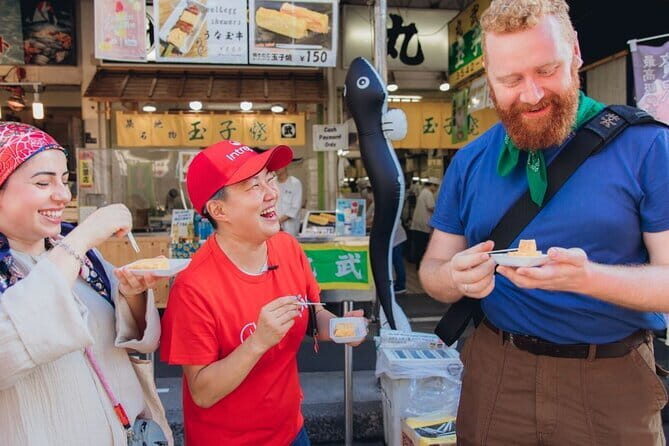
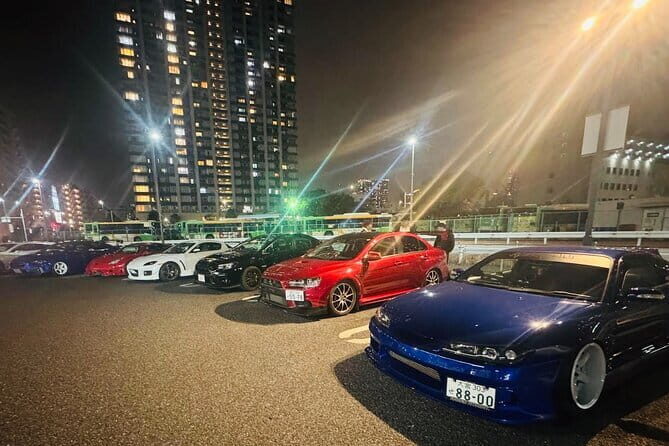
If you’re choosing this tour for one reason, make it Daikoku. The parking area is known as a world-famous car meeting point, and the vibe is the point: you see modified cars together in a way that’s hard to recreate elsewhere in Tokyo.
You get about an hour at Daikoku, including time to explore and take photos. This is where the experience becomes social, even if you come as a couple or solo. People talk about builds, you can ask simple questions, and your driver can point out what to look for if the whole scene feels overwhelming.
This is also where I’d expect the tour to hit its highest note for car lovers. Multiple guides are praised for being friendly and for making the night fun. Names that come up in highly rated visits include Sato and Marcelo (often described as welcoming), Kuroda (praised for making it tons of fun), and Hiroto (praised for showing spots and giving time to explore and photograph).
One honest consideration: Daikoku can bring a level of unpredictability that you won’t get at a museum. There’s a negative note in the feedback about police attention cutting things short. Another review mentions the night included no drifting, which matters if you’re expecting movie-style stunts. In other words, plan to enjoy the cars and the energy first, not for a specific stunt guarantee.
Rainbow Bridge and Tokyo Bay at Night: When the Route Becomes Sightseeing
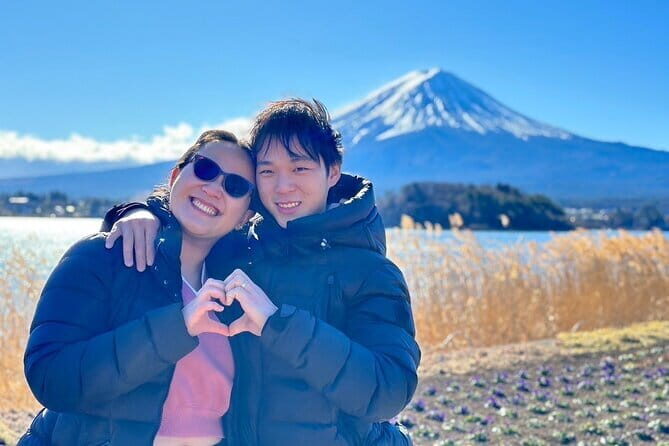
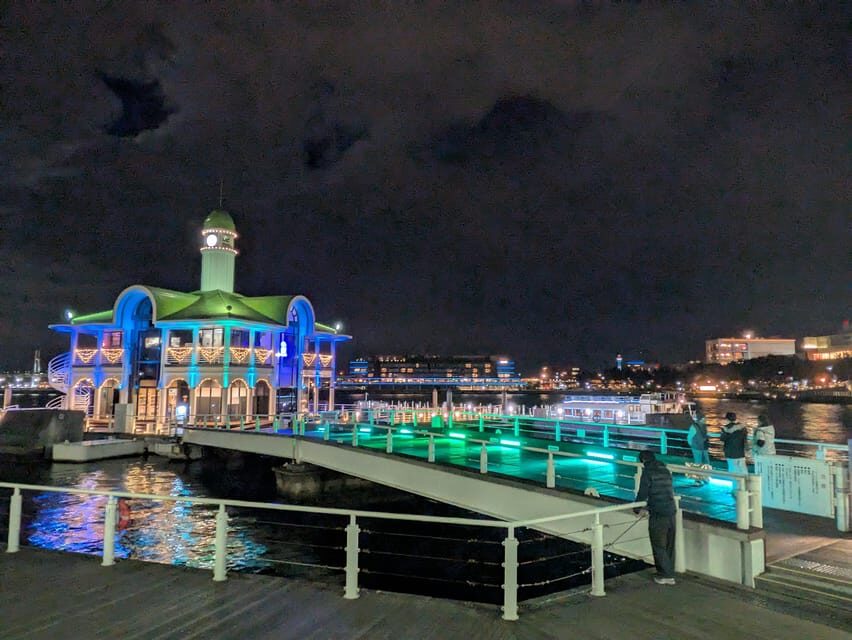
Some car tours stay strictly car-only. This one adds a huge Tokyo payoff: nighttime views of Rainbow Bridge and Tokyo Bay. That’s a smart inclusion, because it turns the drive into something you can enjoy even if you’re not obsessed with every model detail.
Rainbow Bridge is one of Tokyo’s most recognizable silhouettes at night, and the bay area light reflections give you that “only in this city” feeling. The tour specifically calls out scenic nighttime views, and since this portion is included, you don’t have to buy tickets or plan an extra route on your own.
If you’re photographing, this is the part that gives your camera a break from just hoods, spoilers, and wheels. You’ll likely get a few moments where the skyline frames your car experience. It also helps break up the night, so you don’t feel like you’re only doing photos in one type of place.




Tokyo Tower in 30 Minutes: Fast Photos, Not a Ticketed Visit
Tokyo Tower is a quick stop, about 30 minutes. Admission is not included here, which is the right kind of honesty for planning. The goal is clearly the view from outside, not a full-ticket attraction day.
The tower itself is described as 333 meters high, inspired by the Eiffel Tower, with a white-and-orange lattice design. Even if you’ve seen photos before, the sight of it lit up at night hits differently when it’s in front of you and your driver is timing you for good photo windows.
This stop is a good “send-off” moment too. A few highly rated rides mention ending with a strong vantage point for photos of Tokyo Tower lighting. So if you want that classic Tokyo postcard vibe, treat the Tokyo Tower portion as your nighttime summary.
Shibuya Crossing Wrap-Up: Easy Photos and a Clean Ending
You’ll also hit Shibuya Crossing for around 30 minutes. It’s located by the Hachikō exit area, and the diagonal pedestrian crossing layout is one of its signature features. Since this portion is free, it works well as a final “walk and snap” moment before you’re dropped off.
This tour is set up for convenience at the end. You’ll get drop-off at your hotel/Airbnb, or you can ask to be dropped in Shibuya if that’s where you want to continue your night. That flexibility matters because Shibuya is a logical area to stay for food, bars, and easy transit connections.
If you’re thinking about logistics, this is one of the reasons the price feels more reasonable. Tokyo transit at night can be fast but tiring, especially after a 4-hour tour. A driver drop-off means you keep your energy for enjoying the rest of your trip.
The Cars and the Driving Style: JDM Thrills, Tokyo Rules
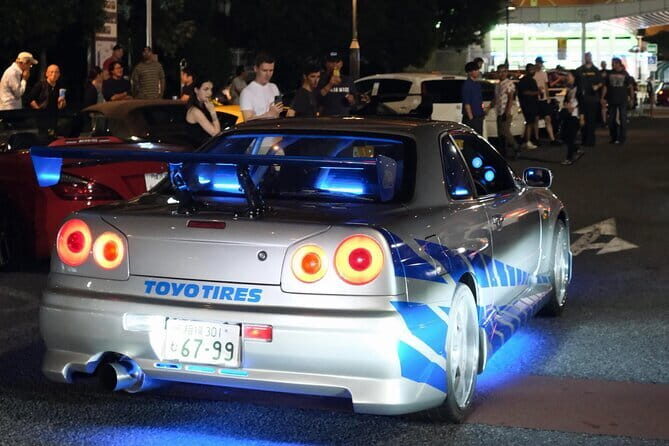
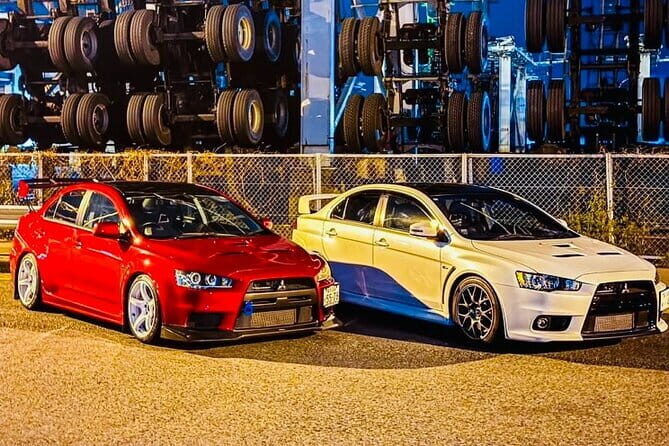
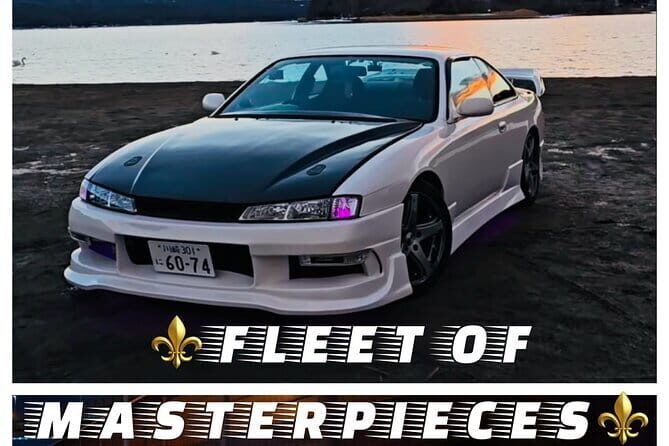
The experience is built around JDM car culture, and the ride is described as happening in high-performance vehicles such as a Nissan Skyline GT-R 34 or a Mitsubishi Lancer Evolution. Some highly rated rides also mention GT-R variations specifically, plus other performance models depending on what’s available that night.
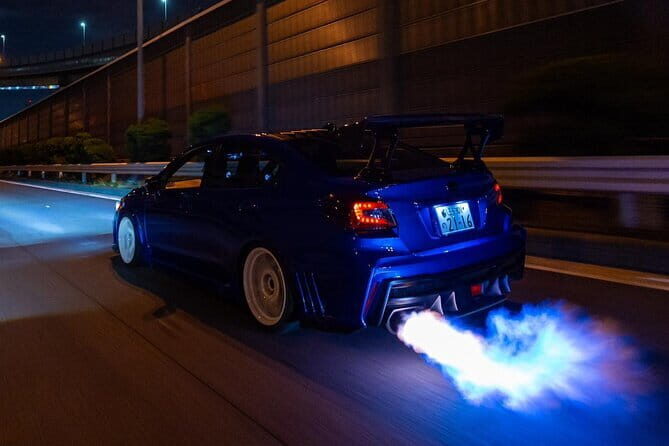
Here’s what you should treat as consistent: you’re going to get energetic driving through Tokyo at night. Several reviews describe the ride as intense, fast, and adrenaline-filled while still feeling safe. Drivers are often praised for control and for keeping passengers comfortable.
But here’s what you should not assume: drifting. One review specifically notes there was no drifting, and another frames the tour as thrilling but not matching movie-style stunt expectations. So if you want actual “Tokyo Drift” spectacle, you may feel let down. If you want the feeling of speed with real Tokyo scenery, this is a better match.
Also pay attention to seat dynamics. A detailed ride account mentions traffic early in the night and that you may not get the best views or speed from the front at the beginning. The take-away for you: don’t stress too much about where you sit early. The goal is the full pacing of the night, not one single stretch.
Guides Who Keep the Night Fun (and Easy to Talk To)
This tour leans hard on the guide experience. Your drivers speak English–Japanese–Portuguese–Spanish, which is rare and genuinely useful when you want to ask questions about car choices, modifications, and local driving culture.
It’s also not just “language,” it’s attitude. Many top-rated notes describe drivers as welcoming, friendly, and outgoing. Names that come up often in strong reviews include Marcelo, Sato, Kuroda, Hiroto, Ryo, Kobayashi, Kei, Tsukusa, and Akira.
If you’re worried about your Japanese, you’ll be fine. One review mentions using Google Translate to bridge a language gap while still having fun and connecting. In practice, that’s the real secret: if you show interest in what you’re seeing, the night becomes two experiences at once. You get car views and you get a human story behind them.
A small practical tip for you: come with 3 or 4 simple questions in mind. Ask what modification you’re looking at, what type of engine sound to listen for, or which cars are most common locally. The night moves quickly, so it helps to steer the conversation early.
Price and Value: What $169.46 Buys You in Tokyo
At $169.46 per person, this isn’t cheap, especially in Tokyo. So let’s talk value the honest way: you’re paying for transport + guided access + night sightseeing, not for a generic city transfer.
Included in the tour:
- Daikoku PA entry
- A Japan JDM cars tour
- Night scenic views of Rainbow Bridge and Tokyo Bay
- Drop-off at your hotel/Airbnb (or Shibuya, if you prefer)
Not included:
- Tips
- Fuel surcharge
- Tokyo Tower admission (and Daikoku PA entry isn’t something you pay for separately)
When you add that up, the money starts to make more sense. You’re getting a guided car-culture night with specific stops that would be annoying to stitch together alone: meeting spot planning, the timing of Daikoku, nighttime scenic routes, and drop-off logistics after a busy evening.
The strongest “value signal” in the feedback is that people feel it’s memorable. Many mention it as a highlight of the trip, a must-do for car lovers, and worth it for the combination of Daikoku, the ride, and photo opportunities.
Who This Tour Fits Best (and Who Should Skip)
This is a great fit if:
- You’re a car person, especially into JDM builds and night meets
- You want guided access to Daikoku Parking Area without handling the logistics yourself
- You like mixing a bit of sightseeing with a high-energy activity
It’s not the best match if:
- You’re expecting scripted stunt driving like the movie, with guaranteed drifting moments
- You hate crowds or unpredictability, because car meets can bring interruptions and changing flow
- You mainly want a museum-style attraction and not a street-level scene
If you’re with friends, it can also be fun because you’ll have lots to point at: skyline views, car details, and the shared excitement of seeing builds together.
Should You Book Fast & Furious Tokyo Drift 3 (Kaila Yu-SP)?
If you’re choosing between a simple night drive and something more character-filled, I’d book this one. The combination of Daikoku Parking Area, Rainbow Bridge night views, and a guide who can answer car questions is a strong triple win. The price feels fair when you factor in hotel drop-off and included stops.
Just go in with the right expectations. Treat it as a high-energy Tokyo car culture night with scenic photo stops, not a guaranteed stunt show. If that sounds like your kind of evening, Fast & Furious Tokyo Drift 3 is a solid pick.
FAQ
How long is the Fast & Furious Tokyo Drift 3 tour?
It’s listed as about 4 hours approximately.
What’s the price per person?
The price is $169.46 per person.
Where does the tour start?
The start is at FamilyMart Japan in Chiyoda City, Kanda Neribeichō, near the 富士ソフト秋葉原ビル (Akihabara building) 1F.
Where do we end the tour?
You can be dropped off at your hotel/Airbnb. If you prefer, you can also ask to end in Shibuya.
What vehicles are used on the tour?
The tour description says you’ll ride a high-performance vehicle such as a Nissan Skyline GT-R 34 or a Mitsubishi Lancer Evolution.
Is Tokyo Tower admission included?
No. The Tokyo Tower stop is listed with admission ticket not included.
What languages do the drivers speak?
Drivers are listed as speaking English, Japanese, Portuguese, and Spanish.
Is this tour weather dependent?
Yes. It requires good weather. If it’s canceled due to poor weather, you’ll be offered a different date or a full refund.
Is there a group size limit?
Yes. The tour/activity has a maximum of 30 travelers.