REVIEW · TOKYO
3-Hour Small-Group Sushi Making Class in Tokyo
Book on Viator →Operated by Cooking Sun · Bookable on Viator
Roll your own sushi in Shinjuku. This 3-hour class at Cooking Sun Tokyo turns sushi from something you order into something you can actually make, with ingredients, recipes, and a small group setup. You’ll learn core styles like nigiri and rolling techniques, then sit down to eat your creations.
What I like most is the max 9 people format. It keeps the room calm and makes it easy to get help while you press, spread, and roll. Second, the experience is built for English speakers, with instructors including Miki and Yuki guiding step-by-step so beginners can move at a good pace.
One thing to consider: you’ll use pre-sliced fish, and the class does not include raw fish cutting instruction. If your dream is learning to butcher fish yourself, this won’t match that goal.
In This Review
- Key Highlights You’ll Notice Right Away
- Cooking Sun Tokyo: Where the Class Feels Calm and Practical
- What You’ll Make: Nigiri, Inari, Hosomaki, and California Roll
- Rice, Tamagoyaki, Dashi, and Miso: The Steps That Make It Taste Right
- Rolling and Shaping: Hands-On Guidance for First-Timers
- The Small-Group Size: Why Up to 9 People Matters
- Eating Your Sushi: Miso Soup, Wasabi, and Pickled Ginger
- Price and Timing: Is $72.67 Worth 3 Hours in Tokyo?
- Should You Book This Sushi-Making Class?
- FAQ
- What sushi types will I learn to make in this class?
- Is the class taught in English and suitable for beginners?
- Does this class include cutting raw fish?
- What’s included in the price?
- Is a vegetarian option available?
- What happens if weather is bad or I need to cancel?
Key Highlights You’ll Notice Right Away
- Up to 9 people, so your hands-on time stays high and questions don’t get lost
- English-friendly instruction with guidance from teachers like Miki and Yuki
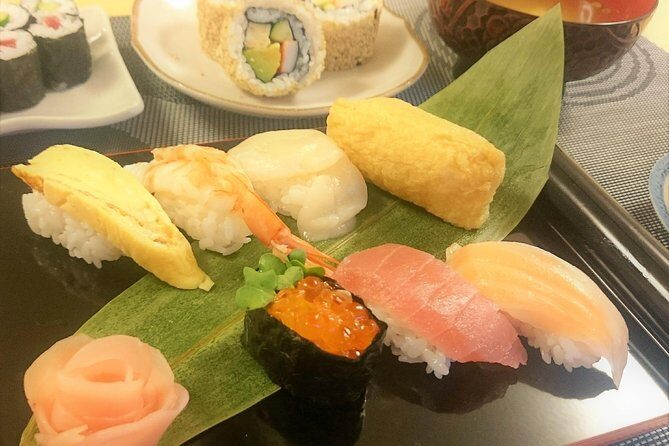
- You make multiple sushi types: nigiri, inari, hosomaki, plus California roll
- Tamagoyaki (rolled omelet) practice as part of the fillings and assembly
- Ingredients and recipes included, plus apron and towel rental
- You eat what you make, with miso soup, wasabi, and pickled ginger
Cooking Sun Tokyo: Where the Class Feels Calm and Practical
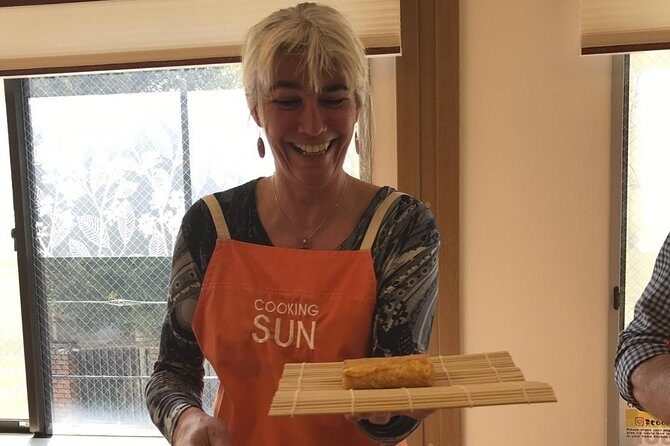
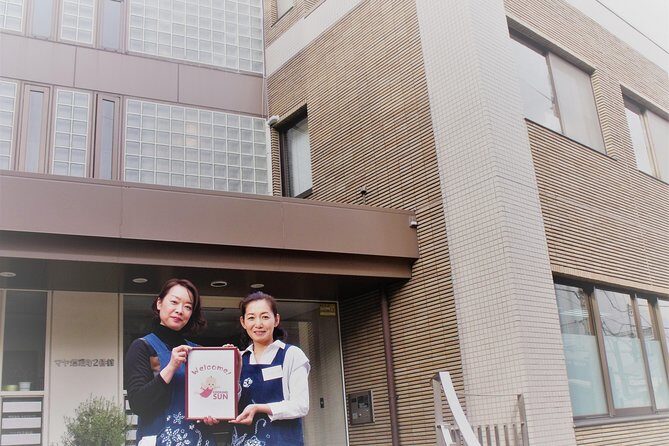
This is a straight-up cooking session, not a tour that rushes you between sights. You meet at Cooking Sun Tokyo in Shinanomachi, Shinjuku City (18-39 Shinanomachi, Shinjuku City, Tokyo). It’s near public transportation, which matters in Tokyo when you don’t want your whole afternoon to become a transit puzzle.
What makes the studio experience work is the feel of the space. The location is in a quiet residential area, set back from main roads, so the class doesn’t feel like a crowded activity hub. The kitchen setup is clean and well organized, and the room is comfortably cooled (useful if you’re in Tokyo during hot months).
You start around 1:30 pm and the activity ends back at the meeting point. There’s no hotel pickup, so plan on arriving under your own steam. That sounds minor, but it’s a big part of why the class runs smoothly: you show up when you’re meant to, everyone starts together, and you don’t lose time waiting.
A few more Tokyo tours and experiences worth a look
What You’ll Make: Nigiri, Inari, Hosomaki, and California Roll
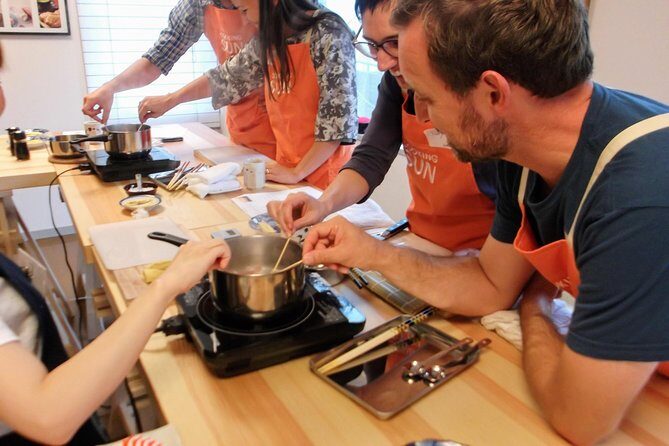
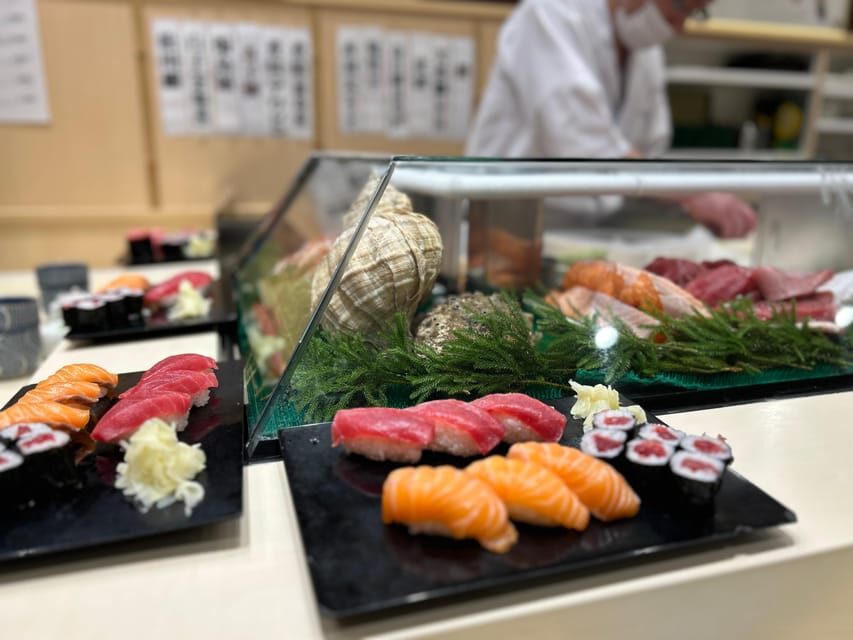
The class is designed around classic sushi forms you’ll actually recognize on menus around Japan—and that you’ll be able to reproduce later. You’ll learn how to make:
- Nigiri (hand-pressed sushi)
- Inari (sweet tofu pouch sushi)
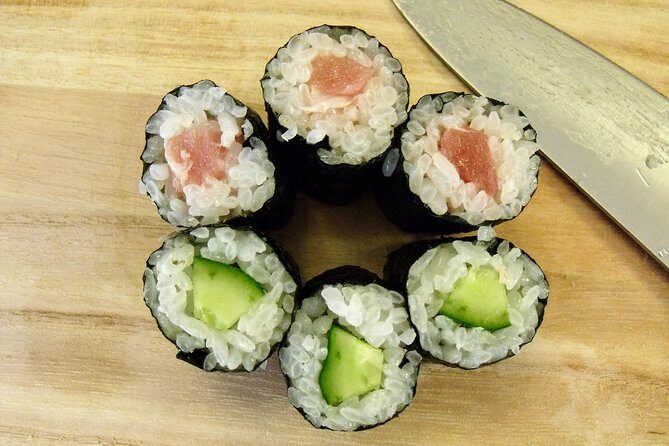
- Hosomaki (thin rolled sushi)
- California Roll
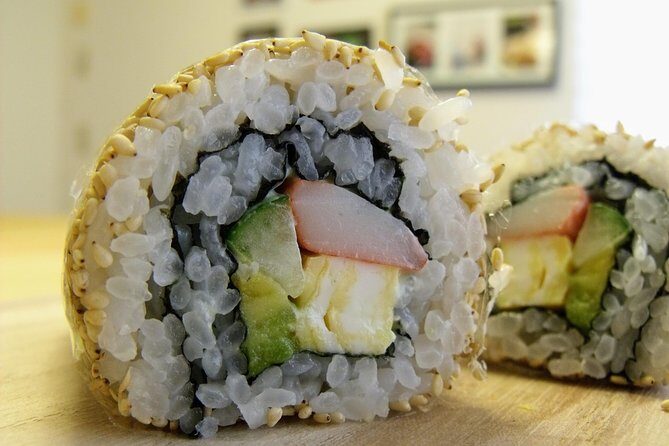
Inari is a fun one because it’s not about fish-first thinking. It’s about balance: sweet, savory filling against the tofu pouch texture. Hosomaki teaches you restraint in rolling—thin, neat, and even—so you don’t end up with a sushi roll that looks like it went through an accordion factory.
Nigiri is the opposite skill. It’s more about touch and shape: pressing the rice and adding the topping so it holds its form. And the California roll gives you a more familiar roll format that still teaches the core rolling mechanics.
One nice benefit of learning these styles back-to-back is that you stop treating sushi like one trick. You start seeing it as a set of repeatable techniques: rice seasoning, ingredient prep, assembly, and finishing.
Rice, Tamagoyaki, Dashi, and Miso: The Steps That Make It Taste Right
Sushi tastes like sushi because of what’s happening before you ever roll anything. Early on, you get an introduction to essential Japanese ingredients, including dashi and miso, plus traditional seasonings. Then you move into practical prep.
A major moment in the class is making tamagoyaki (Japanese rolled omelet). Even if you’ve never cracked an egg in your life, you’ll get guidance. The goal isn’t perfection; it’s learning the motion and pacing so your omelet becomes a filling you can use confidently later.
Next comes sushi rice and toppings. Your rice gets seasoned in a way that matters for both flavor and texture. Once that’s ready, you prepare toppings such as shrimp. This is where the class feels especially useful for real life at home: you’re not just learning how to assemble; you’re learning what ingredients need to be ready before assembly starts.
Finally, you build toward the dishes themselves with that prep already done. That sequencing is a big deal. If you jump straight into shaping before your rice is right or your fillings are ready, sushi turns stressful fast. Here, the class order is doing you a favor.
Rolling and Shaping: Hands-On Guidance for First-Timers
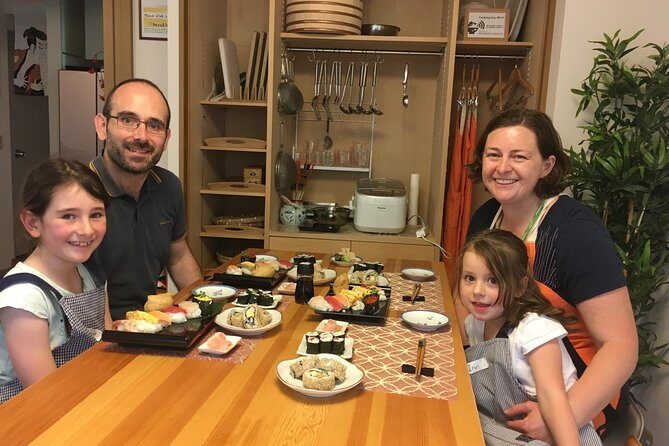
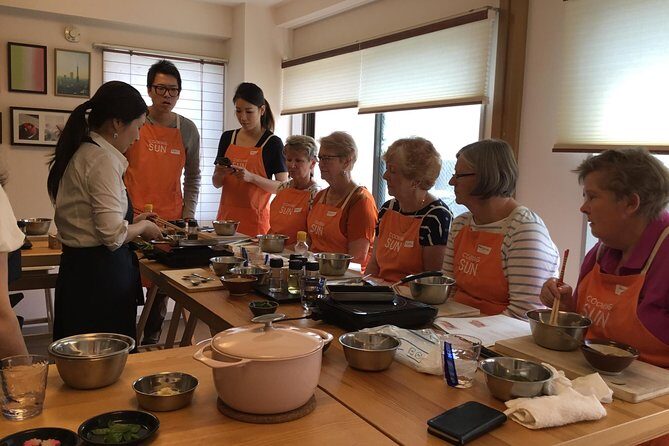
This is hands-on cooking with full guidance. You’ll roll and shape sushi while an instructor is right there, walking you through what to do and what to watch for. The small-group cap is important here because rolling needs feedback in real time—too loose, too tight, or off-center, and it’s hard to fix after the fact.
You’ll start with a short demonstration, then you jump in. That structure is especially helpful if you’re the type who learns best by doing. You can see the technique, then try it right away, with corrections before bad habits harden.
Also, since the class uses pre-sliced fish, you’re not slowed down by knife work. That keeps the focus on shaping skills: forming nigiri properly, assembling rolls cleanly, and getting fillings distributed so every bite has the right mix.
One more detail that changes the experience: you don’t just stand and watch. You’ll spend your time with your hands on the process, from rice work to assembly. By the end, you won’t just be able to name nigiri, inari, hosomaki, and California roll—you’ll understand how each one comes together.
The Small-Group Size: Why Up to 9 People Matters
A max of 9 travelers might not sound like much, but in a cooking class it’s huge. With more people, the instructor’s attention gets spread thin, and your learning becomes a mix of cooking plus waiting. With this setup, you get closer access to teachers and faster feedback.
You also get a better group dynamic. The room stays manageable, and it’s easier to ask questions without feeling like you’re interrupting a busy rush. That’s especially true for kids and family groups; the pace allows instructors to be patient while still moving forward.
And because the class is English-friendly, you’re not forced to translate your way through steps. The instructors explain what you’re doing and why it matters, so you don’t feel lost even if sushi is new to you.
This is also the type of class where you can feel proud of your work. Even if your first roll isn’t Instagram-level, you’ve got a clear path: practice the technique, refine it with guidance, and finish with a meal that reflects what you made.
A few more Tokyo tours and experiences worth a look






Eating Your Sushi: Miso Soup, Wasabi, and Pickled Ginger
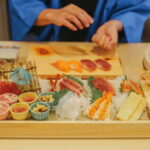
You’ll get a full finish, not just a bite or two. After making your sushi, you sit down and eat what you prepared with miso soup, fresh wasabi, and pickled ginger.
This part matters more than it sounds. Sushi is a mix of textures and flavors—rice seasoning, filling taste, and how condiments cut through richness. The miso soup rounds everything out, and wasabi plus ginger give you a way to reset your palate between bites.
The meal also helps you connect cooking steps to results. When you taste your own nigiri or roll, you immediately understand what the instructor meant about rice pressure, filling distribution, and roll thickness.
You’ll likely leave full. People often come hungry because there’s a lot of food creation in a 3-hour window, and the end meal is part of that promise: you don’t leave the class still thinking you only learned, you leave knowing you made.
Price and Timing: Is $72.67 Worth 3 Hours in Tokyo?
At $72.67 per person for about 3 hours, you’re paying for more than instruction. You’re getting a guided cooking session with:
- ingredients and recipes included
- apron and towel rental
- small-group teaching (max 9)
- and an end meal featuring miso soup, wasabi, and pickled ginger
The value is in the package. Sushi-making at home usually means extra work: sourcing ingredients, figuring out rice seasoning proportions, and hunting down the right tools and techniques. Here, the class does that setup for you, so your time goes to learning the technique, not running a Tokyo ingredient scavenger hunt.
Also, Tokyo classes can fill up, and this one shows solid demand—on average, it gets booked about 53 days in advance. If you want a specific date (especially weekends or earlier afternoon slots), booking ahead is smart.
The timing also fits real travel days. A 3-hour activity starting at 1:30 pm lets you plan a morning shopping window or a late lunch, then gives you a structured afternoon activity that doesn’t swallow the whole day.
Should You Book This Sushi-Making Class?
Book it if you want a hands-on Tokyo experience that teaches repeatable skills, not just a story about sushi. This class is especially strong for first-timers because the instruction is English-friendly, the group size is small, and the lesson structure gives you a clear sequence: ingredients and intro, rice and tamagoyaki work, then assembly of nigiri, inari, hosomaki, and California roll.
Consider it only if your expectations match the format. You will not be cutting raw fish yourself, and the class uses pre-sliced fish. If you’re chasing the thrill of knife skills with whole fish, you’ll need a different kind of experience.
For most people, though, this is a great use of time in Tokyo. You get a calm studio setting, real guidance from instructors like Miki and Yuki, and a meal that proves you can do the steps—after you leave, not just during the class.
FAQ
What sushi types will I learn to make in this class?
You’ll learn to make nigiri (hand-pressed sushi), inari (sweet tofu pouch sushi), hosomaki (thin roll), and California roll.
Is the class taught in English and suitable for beginners?
Yes. The class uses a local, English-speaking cooking instructor, and you don’t need prior sushi-making experience.
Does this class include cutting raw fish?
No. The class uses pre-sliced fish, and it does not include raw fish cutting instruction.
What’s included in the price?
Included are the local English-speaking instructor, recipes and ingredients, and apron and towel rental. Hotel pickup and drop-off are not included.
Is a vegetarian option available?
Yes. A vegetarian option is available, and you should advise the provider at the time of booking.
What happens if weather is bad or I need to cancel?
The experience requires good weather. If it’s canceled due to poor weather, you’ll be offered a different date or a full refund. You can cancel for a full refund up to 24 hours before the experience start time.