REVIEW · TOKYO
Tokyo: Matcha Making Experience with Mochi Sweets in Asakusa
Book on GetYourGuide →Operated by Sushi Making Japan | Cooking Class in Japan · Bookable on GetYourGuide
Matcha gets serious fast in Japan. This one stays light, then turns hands-on, with Ken-level energy and a quiz that teaches you matcha history before you whisk your own cup. I especially like the interactive pacing (you’re doing something every few minutes) and the hands-on tools you use, plus the final tasting with traditional Japanese sweets. One possible drawback: since it’s a compact 1-hour format, you’ll get a solid intro, not a full tea-ceremony deep training.
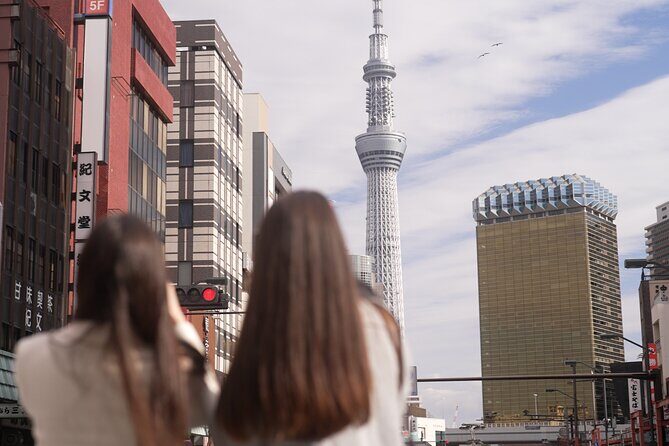
Asakusa is a great place for this. You start just off Asakusa Station, in a modern building that’s easy to find, yet you’re only a short hop from old-school Tokyo scenes. The class is taught in English, and the overall tone is relaxed (even better if you want tea skills without a lot of standing or tricky kneeling).
In This Review
- Matcha and Mochi in Asakusa: the real point of the class
- Price and what $22 buys you for 1 hour
- Finding the class near Asakusa Station, step-by-step
- The matcha history quiz: learning without feeling lectured
- Whisking like a tea master: tools, technique, and the big goal
- Drinking your matcha and eating mochi sweets: the pairing lesson
- The English-speaking guide factor that actually changes the experience
- Who this Asakusa matcha class is best for
- Practical tips before you go (so your matcha comes out better)
- Should you book Matcha Making Tokyo in Asakusa?
- FAQ
- How long is the matcha making experience?
- What is the price per person?
- Do I need any prior experience with matcha?
- What’s included in the class price?
- Is hotel pickup or drop-off included?
- Where do I meet the instructor?
- Is the class taught in English?
- What’s the cancellation policy?
- Can I reserve without paying right away?
- What if I’m traveling solo or with family?
Matcha and Mochi in Asakusa: the real point of the class
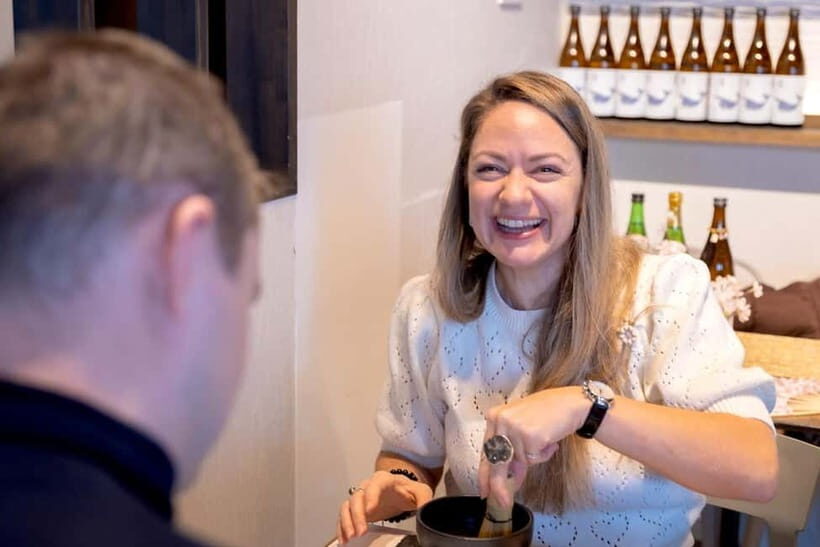
This is not just a sit-and-watch tea talk. The goal is simple: help you understand matcha culture, learn the basics of how to make a proper bowl, and then enjoy it with Japanese sweets like mochi-style treats.
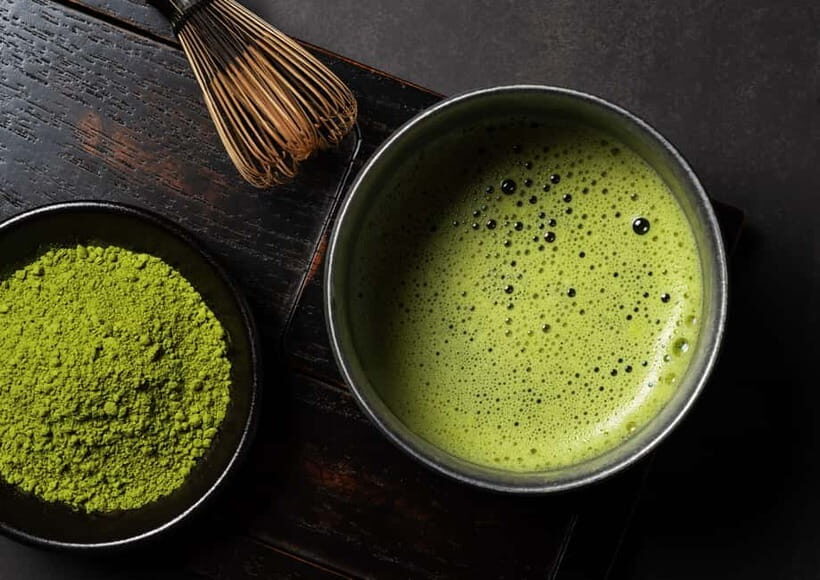
The best part is how the class turns facts into muscle memory. You start with an easygoing intro to matcha—its background, how it’s traditionally made, and the etiquette basics—then you move into whisking with the tools you’d actually use. By the time you drink your matcha and eat sweets, you’re not just tasting. You’re comparing what you made to what matcha is supposed to be like: frothy, smooth, and served without added sugar in the classic style the instructors teach.
For many people, that’s the “ah-ha” moment. Once you’ve whisked a bowl properly, regular bottled matcha stops feeling the same.
Price and what $22 buys you for 1 hour
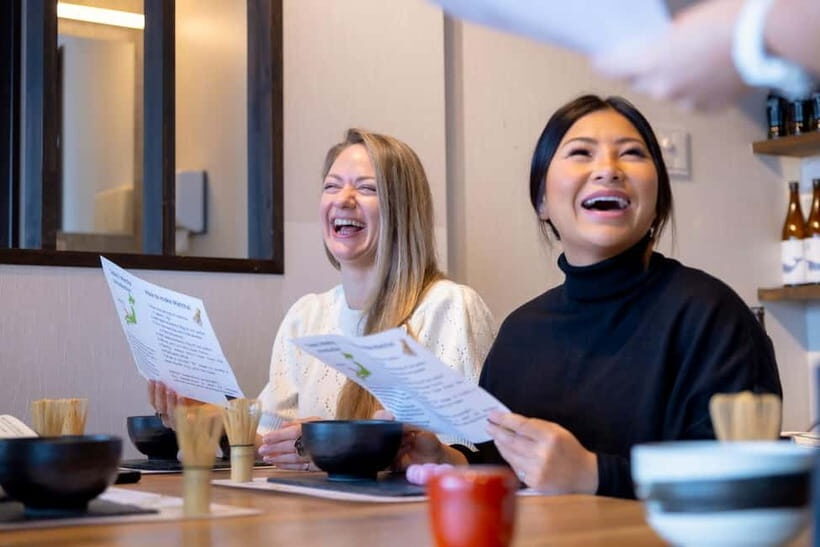
At about $22 per person for a 1-hour class, you’re paying for three things: guided instruction, ingredients, and a built-in tasting (matcha plus Japanese sweets).
You’re not buying a souvenir. You’re buying:
- Clear steps you can repeat later at home
- The right tools (at least during the class) so you learn the technique correctly
- A pairing experience that explains why matcha is served the way it is
It’s also a good value if you’re juggling a busy Tokyo itinerary. One hour is enough time to learn the basics and leave with a takeaway skill, without swallowing half a day.
The only “gotcha” to plan around: hotel pickup and drop-off aren’t included. You’ll want to meet at the location on your own.
A few more Tokyo tours and experiences worth a look

Finding the class near Asakusa Station, step-by-step
The meeting point is very close to transit—about 1 minute from Asakusa Station—at Relink KAMINARIMON building, 6F.
If you’re the type who likes to get oriented fast, you’ll appreciate this. Asakusa can feel like a maze once you wander into side streets, but your starting point is straightforward: jump off at Asakusa Station, look for the Kaminari-mon area, then go up to 6F.
A practical tip: if you’re walking in from early temple or street wandering, give yourself a few extra minutes. In winter or rain, it’s easy to move more slowly near older areas with lots of stalls and foot traffic.
The matcha history quiz: learning without feeling lectured
Before anyone hands you a whisk, the class starts with an upbeat quiz about matcha history and culture. It’s the kind of setup that keeps adults paying attention and makes it work well for kids too.
In real terms, this quiz does two useful things:
- It gives you context fast, so matcha stops being a generic green drink
- It teaches key ideas you’ll need when the instructor explains technique (like what you’re aiming for and why)
You’ll also hear the instructors talk about matcha as part of Japanese tea culture—how it’s prepared, how it’s served, and the basic etiquette around it. Several instructors (like Hiho, Honoka, Midori, and Mana in different groups) are especially good at keeping it conversational, with humor and clear English.
The quiz is short, light, and memorable. You walk out knowing a few facts you can actually reuse when you’re ordering matcha later.
Whisking like a tea master: tools, technique, and the big goal
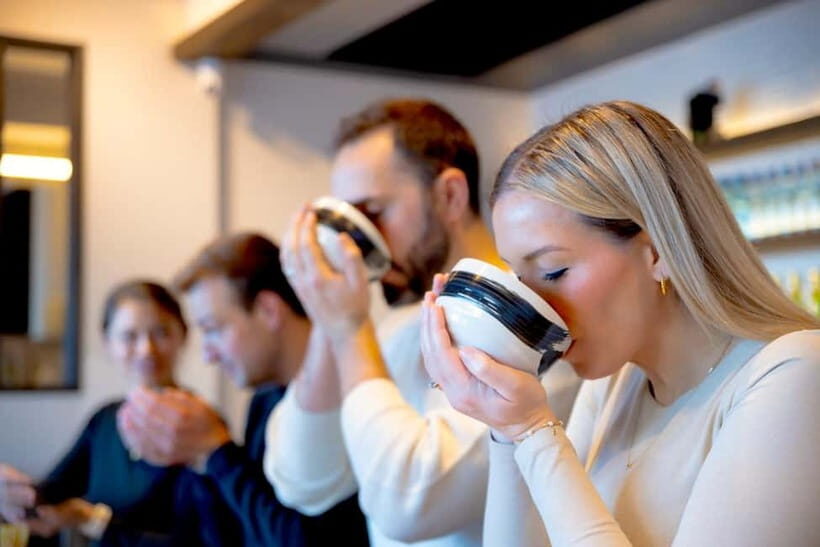
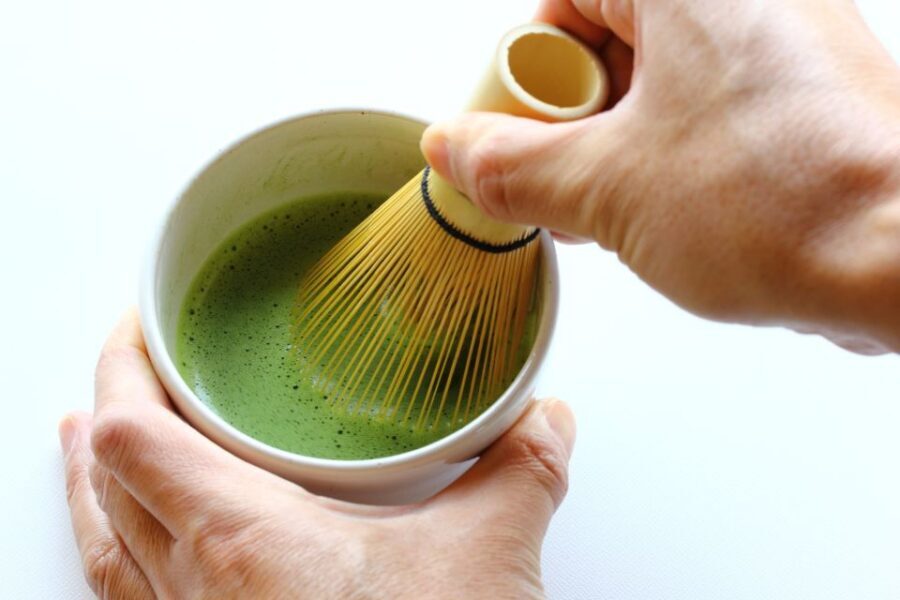
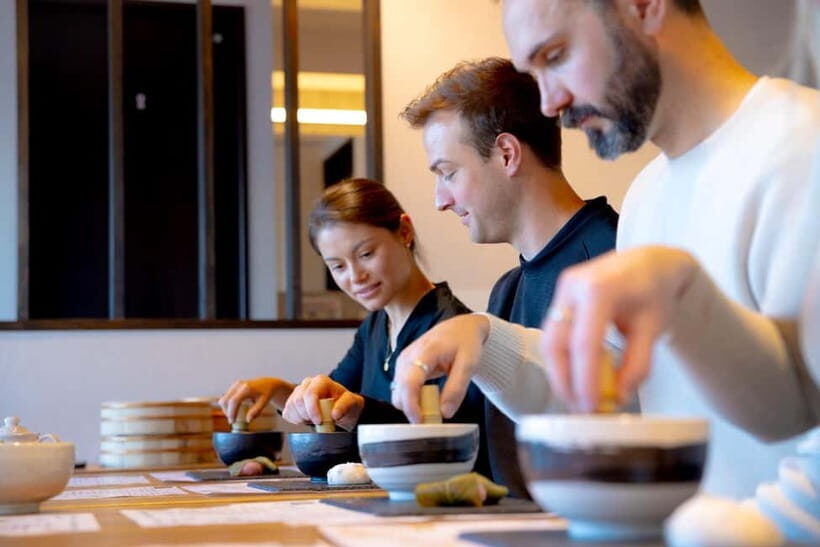
Then comes the hands-on part. You whisk your own matcha using traditional tools, guided by the instructor so you’re not guessing.
Here’s what makes this section worth your time:
- You learn the method, not just the outcome.
- You see how the whisking creates the foam texture matcha is known for.
- You get feedback in real time, which helps you correct before the tasting.
The class description emphasizes using traditional whisking tools, and the reviews consistently point to clear teaching and patience while participants get it right. Many people mention the session being conducted in a seated setup, which is a huge plus if you’re not trying to kneel for a long stretch.
What to watch for while you whisk:
- Your motion needs to be consistent (not timid, not frantic)
- You’re aiming for a smooth bowl and a nice frothy surface
- Temperature and mixing approach matter, so follow the instructor’s steps closely
If you’ve ever tried matcha at home and your result tasted flat or grainy, this is where you learn what to change. The class teaches you how matcha is meant to be prepared for drinking, not how it’s often served in simplified, overly sweet versions.
Drinking your matcha and eating mochi sweets: the pairing lesson
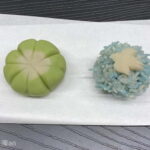
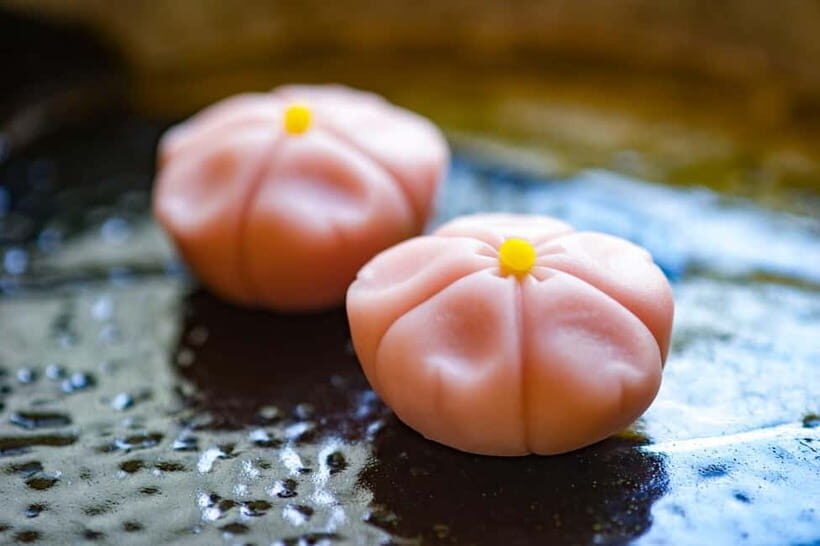
After whisking, you drink your matcha, then you eat Japanese sweets designed to go with it. In this class, the sweets are part of the lesson, not an afterthought.
Matcha has a distinct flavor—vegetal, earthy, and often best when it’s not drowned in sugar. That’s why the pairing matters. The sweets balance the taste and give you a better sense of why Japanese tea is treated like a whole mini-experience: flavor, texture, and mood.
Multiple instructors across different sessions are mentioned for pairing the matcha well with traditional Japanese sweets, and one common theme is that the matcha is served in a classic way (including the idea of it being without sugar). That makes the tasting feel more authentic, and it helps you learn how to appreciate matcha on its own terms.
One smart thing to do during the tasting: slow down. Sip, chew the sweet, and notice how the flavors change together. If you rush, you miss the point of the pairing.






The English-speaking guide factor that actually changes the experience
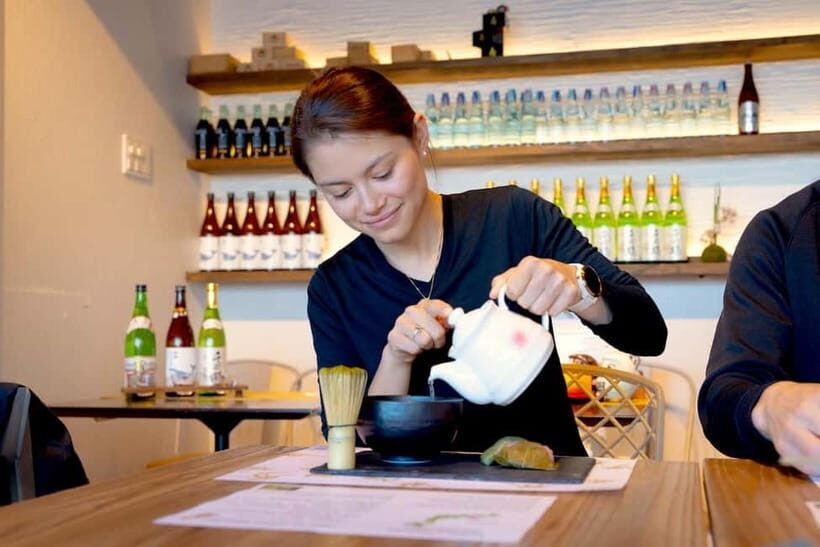
In Japan, tea culture can be tricky to interpret if you’re only going off signs or a brochure. The class is designed around English instruction, and that matters more than it sounds.
The instructors are described as funny, engaging, and patient. Names that come up again and again include Ken, Mana, Hayato, Rino, Honoka, Midori, Hiho, and Yui. Even when the group includes different ages—some families bring kids, some participants are solo—everyone gets pulled into the same learning flow.
If you’re thinking about taking a class but worry you’ll feel lost, don’t. The format is explained clearly, and you’re constantly doing something: quiz, instruction, whisking, tasting, and enjoying the pairing.
Who this Asakusa matcha class is best for
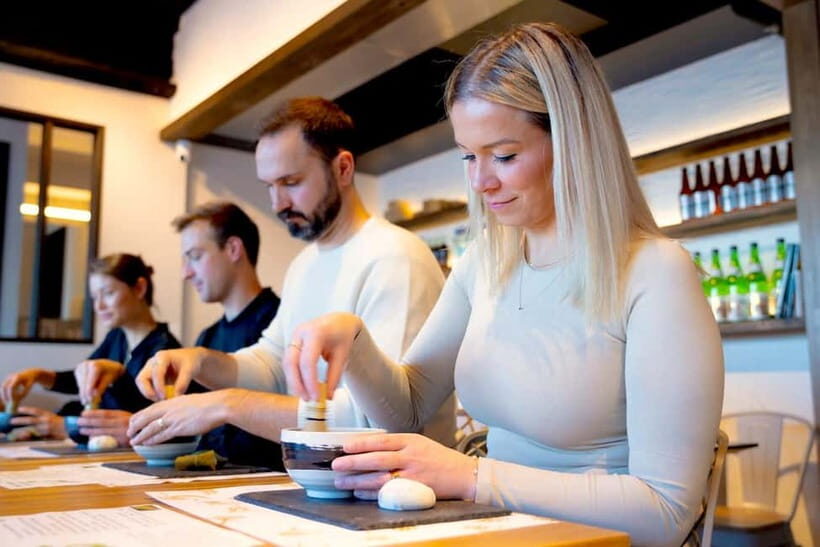
This activity fits a wide range of travelers because the experience is structured and social without being stuffy.
It’s a strong match if you:
- Want an intro to Japanese tea culture in just 1 hour
- Like hands-on activities more than museum-style learning
- Are visiting Asakusa and want something food-focused near Tokyo Skytree
- Travel solo and still want an easy way to meet people in a small group format
- Bring kids, since the pace and quiz style work well for younger participants too
It may be less ideal if you’re seeking a long, formal tea ceremony with lots of history and multiple rounds. This is an approachable class that builds real skill quickly. Think of it as: learn the basics, taste the results, walk away able to make a decent bowl at home.
Practical tips before you go (so your matcha comes out better)
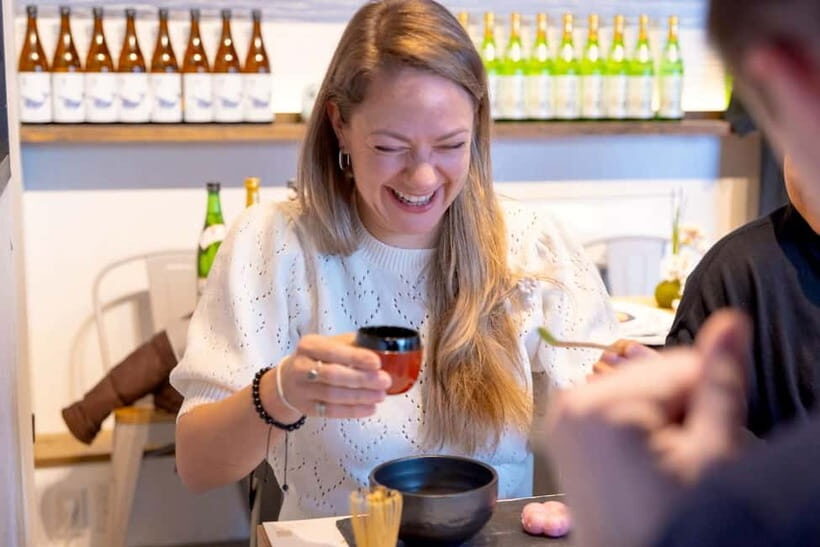
A few small things can improve your experience, especially during the whisking portion.
- Wear comfortable shoes. You’re in Asakusa, and you may walk through lively streets before you find the building.
- Arrive a little early so you can settle in without rushing. The location is easy, but Tokyo never slows down, and you want calm energy going into the class.
- If you’re sensitive to strong flavors, don’t assume matcha is automatically “sweet.” This class teaches matcha in a classic style, and the pairing is meant to balance it.
Also, keep in mind that after the class, there’s a chance to buy matcha-making equipment. If you’ve ever wanted a proper whisk or tools for home, it’s worth asking what’s available during your session.
Should you book Matcha Making Tokyo in Asakusa?
Book it if you want a high-return activity: easy to find, short enough to fit tight schedules, and designed to teach you a real, repeatable skill.
It’s especially worth it if you enjoy food experiences that teach technique, not just taste. For a single $22 lesson, you’ll leave understanding how matcha is prepared, how the culture frames it, and how it pairs with Japanese sweets. That combination is the real value.
Skip it only if you’re expecting a long formal tea ceremony or if you already know the technique and you want a more advanced course. This is the “start strong” level, and it does that extremely well.
FAQ
How long is the matcha making experience?
The class lasts 1 hour.
What is the price per person?
It costs $22 per person.
Do I need any prior experience with matcha?
No experience is needed. The instructors guide you in English.
What’s included in the class price?
The price includes the cooking class, ingredients, and the instructor.
Is hotel pickup or drop-off included?
No, hotel pickup and drop-off are not included.
Where do I meet the instructor?
Meet at Relink KAMINARIMON building 6F, about 1 minute from Asakusa Station.
Is the class taught in English?
Yes, the class is taught in English.
What’s the cancellation policy?
You can cancel up to 24 hours in advance for a full refund.
Can I reserve without paying right away?
Yes. You can reserve now & pay later.
What if I’m traveling solo or with family?
Solo travelers and groups are welcome, and kids are fine too since the class uses an interactive, approachable format.