REVIEW · TOKYO
Matcha Making Class in Tokyo with Authentic Japanese Sweets Set
Book on Viator →Operated by Sushi Making Tokyo Cooking Class in Japan · Bookable on Viator
Matcha stops being mysterious here. This Tokyo class turns a tea ritual into a practical hands-on skill, with one-to-one style guidance from an English-speaking host. You also get the Japanese sweets pairing, which makes the cup taste less like a lecture and more like a snack break in your own travel memory.
Here’s the only real catch: there’s no hotel pickup, so you’ll need to get yourself to Kaminarimon area on time.
In This Review
- Key matcha class highlights in Asakusa
- Why this Asakusa matcha making class feels worth your hour
- Finding the meeting point near Kaminarimon without stress
- The first lesson: what matcha is, and how to judge the powder
- Step-by-step whisking: learning the rhythm that changes the cup
- Tools, photos, and a relaxed classroom vibe
- Sweets pairing: making matcha taste balanced, not harsh
- Duration, group size, and why the pacing works
- Price and value: what $21.89 buys you in real terms
- Who should book this matcha class (and who might skip it)
- Practical tips before you go
- Should you book the Matcha Making Class in Tokyo?
- FAQ
- How long is the matcha making class?
- Where does the class meet in Tokyo?
- Do I need prior matcha or tea ceremony experience?
- What’s included in the price?
- Is hotel pickup or drop-off included?
- What if I cancel last minute?
Key matcha class highlights in Asakusa
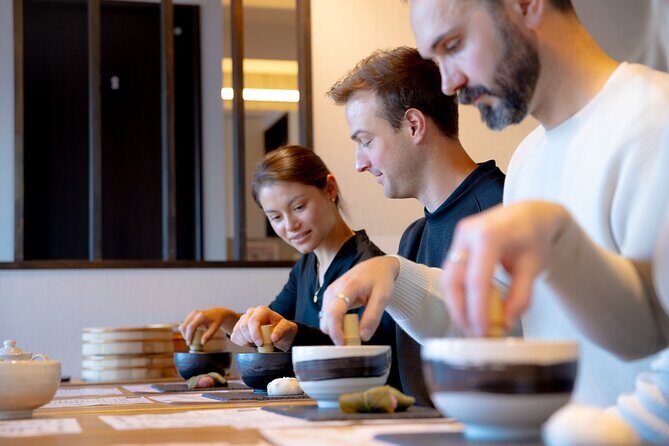
- Whisking practice you actually do, step by step, instead of watching from the sidelines
- English-speaking instruction with personal attention throughout the 1 hour
- Tips for choosing better matcha powder, including how to spot higher quality
- Ceremony-style tools and techniques, but in a relaxed, beginner-friendly way
- Seasonal Japanese sweets included to balance the tea’s flavor
- Small-group feel (capped at 30), with time for questions and photos
Why this Asakusa matcha making class feels worth your hour
Asakusa is one of those Tokyo neighborhoods where it’s easy to slip into slow mode. This matcha making class fits that mood perfectly because it’s short, calm, and focused on something you can keep using back home. You’ll learn how to whisk matcha correctly and why that matters for taste and texture.
I especially like the way the class teaches matcha as a skill, not just a story. You get professional tips for getting it right at home, and you’re guided through the process every step of the way.
You’ll also get the culture without forcing formality. The host explains the background behind matcha and the techniques, while keeping things friendly for first-timers.
A few more Tokyo tours and experiences worth a look

Finding the meeting point near Kaminarimon without stress
You start at Matcha Making Tokyo | Cooking Class in Japan, 2-chōme-17-9 Kaminarimon, Taito City. This is in the Asakusa area, and the activity is listed as near public transportation, so you’re not stuck with a complicated commute.
You’ll want to arrive a few minutes early. One of the best details people mention is how accommodating the hosts are when schedules get messy, including letting you wait comfortably nearby. That kind of low-pressure start matters when you’re navigating a new neighborhood.
Bring your mobile ticket on your phone. If you’re traveling with kids or you’re hopping between sights, having everything on your phone keeps the start smooth.
The first lesson: what matcha is, and how to judge the powder
Before you start whisking, you’ll get an explanation of what makes matcha different and how it’s used in Japanese tea culture. The class includes guidance that helps you understand the basics, including the history of matcha and how it relates to tea tradition.
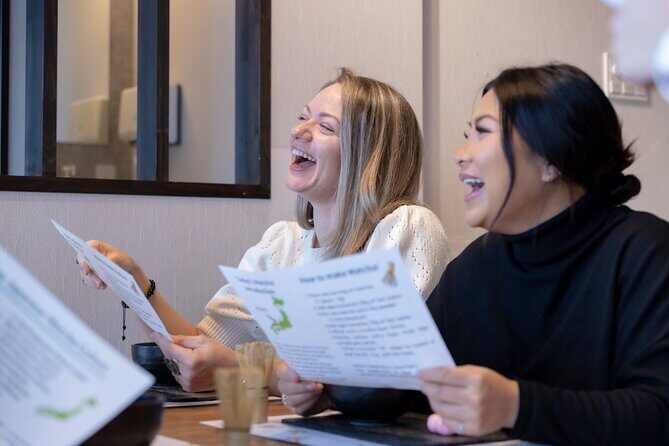
A standout topic is learning how to spot higher quality matcha powder. People really value this because it gives you a practical way to shop later, instead of buying matcha that’s overly bitter or flat-tasting. In the class flow, you’re also shown information visually (one review notes an iPad is used to show pictures), which makes the explanation easier to follow when English is your only language.
If you’re coming to Tokyo with only a vague idea that matcha is just green tea, you’ll leave with clearer answers. You’ll understand the difference between matcha and regular green tea leaves, and you’ll learn what to look for when you’re choosing powder.
Step-by-step whisking: learning the rhythm that changes the cup
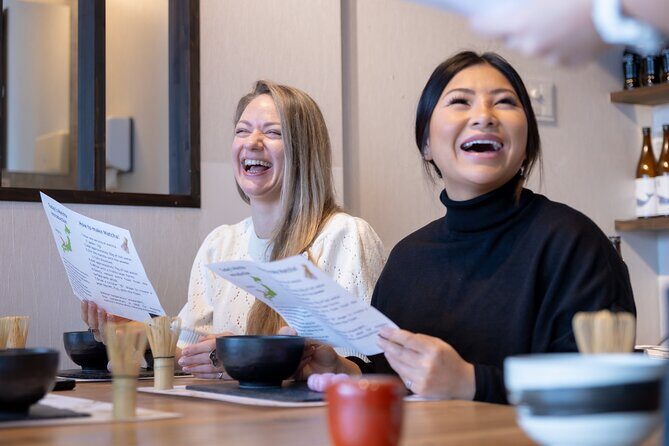
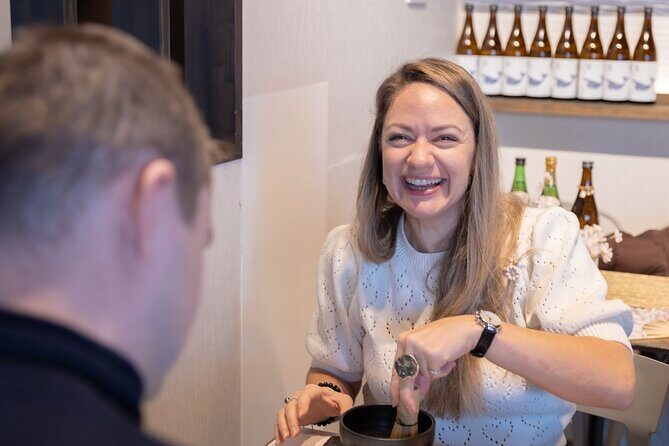
This is the heart of the class: you learn how to whisk matcha using ceremonial-style techniques. The goal isn’t to make it look fancy. It’s to build the texture you want in your cup—smooth, consistent, and not aggressively bitter.
You’ll be guided through the steps, and the instructor watches closely as you work. That one-to-one attention is a big reason the class earns consistently strong ratings. For beginners, it takes the guesswork out of the process, especially the part where your technique affects how the matcha turns out.
The class also emphasizes the professional tips that help you reproduce the result at home. So when you whisk later in your own kitchen, you’ll know what to adjust rather than hoping for the best.
Tools, photos, and a relaxed classroom vibe
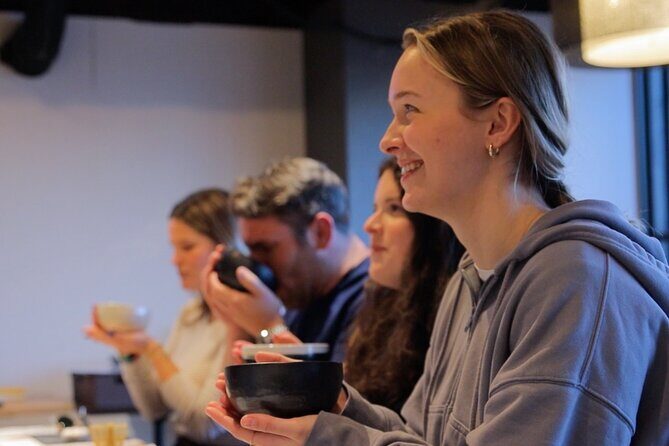
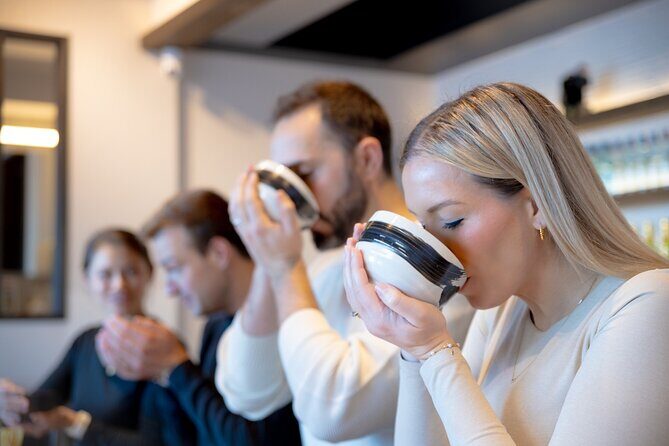
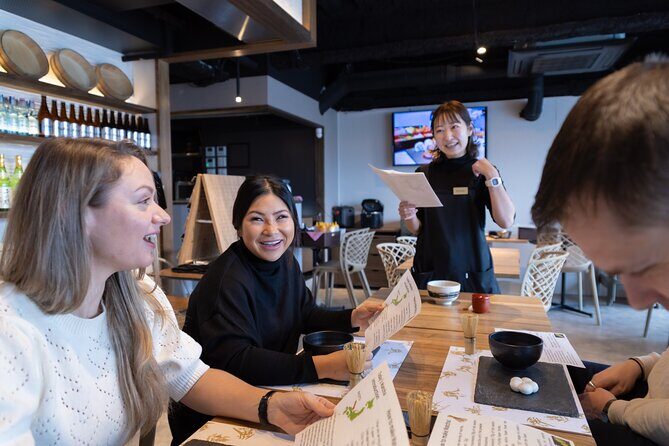
Unlike some experiences where you feel like you must sit perfectly still, this class leans relaxed and interactive. You’ll be taught how to use the tools, and there’s room to take photos so you can remember what you made.
Some sessions are described as happening in a cozy café space, even in a traditional-style setup like an upstairs nook or a calm area where everyone can focus. That intimacy is part of what makes the hour feel special, especially if you’re trying to escape the constant noise of sightseeing.
The hosts are friendly and welcoming, and several instructors have been named in past sessions. People mention hosts such as Shuri, Rino, Hiya, and Nama as especially kind and patient, with English that’s easy to follow. Even if you get a different host, the teaching style seems consistent: warm, organized, and ready to help.
A few more Tokyo tours and experiences worth a look


Sweets pairing: making matcha taste balanced, not harsh
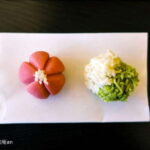
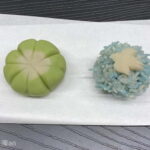
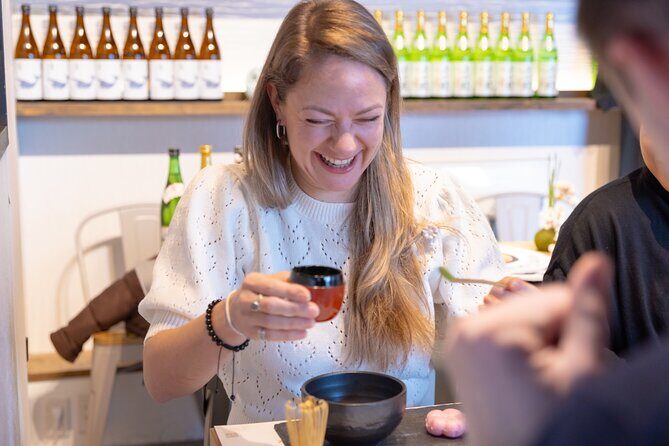
Matcha has a flavor personality: earthy, grassy, and sometimes bitter if the powder or technique goes wrong. The class tackles that issue by pairing your cup with seasonal Japanese sweets.
This is smart for first-timers. It gives you an immediate, enjoyable way to taste matcha in context, rather than wondering why your cup doesn’t taste like the matcha drinks you buy on street corners. The sweets also make the class feel more like a true cultural snack moment.
From the feedback, people especially appreciate that the matcha they make isn’t overly bitter. That lines up with the way the host teaches you to whisk and how to think about matcha quality—both affect the final flavor.
Duration, group size, and why the pacing works
The class runs about 1 hour. That’s a sweet spot. Long enough to actually learn the steps and taste what you made, short enough to fit into a Tokyo itinerary without breaking your day.
The group size is capped at a maximum of 30 travelers. In practice, the experience often feels more personal than a big group workshop, because the instruction is built around you following along and getting help while you whisk.
If you’re traveling with family, this short duration is especially convenient. Reviews also point out that kids do well in this kind of beginner-focused setting, because the teaching is interactive and not overly formal.
Price and value: what $21.89 buys you in real terms
At $21.89 per person, this isn’t a fancy multi-course dinner. It’s a focused skill lesson with a built-in tasting. For that price, you get English instruction, the matcha you make, and Japanese sweets included.
Here’s the value angle: matcha is something many people buy in Japan, then struggle to replicate later. This class gives you technique plus quality tips, so you can turn your souvenir matcha into an experience at home. That makes the cost feel less like a one-time ticket and more like a practical takeaway.
Also, there’s no hotel pickup. While that’s the drawback for convenience, it usually helps keep the price down. You pay for the class itself, not for transportation overhead.
Who should book this matcha class (and who might skip it)
You’ll love this if you want:
- A beginner-friendly introduction to matcha that still feels authentic
- A short, hands-on Tokyo activity in Asakusa
- English-speaking guidance and time for questions
- A snack-and-sip pairing with seasonal Japanese sweets
You might consider a different kind of tea experience if you’re looking for a long, highly formal ceremony with lots of silence and strict etiquette. This one is more relaxed and practical, designed for learning and enjoying.
It’s also a good fit if you’re doing a day of traditional Asakusa sightseeing. After temples and streets, this kind of sensory, calm experience gives your brain a break.
Practical tips before you go
- Wear comfortable shoes. Asakusa streets can involve uneven sidewalks and walking.
- Plan to arrive a little early. It reduces stress and gives you time to settle.
- If you’re sensitive to strong flavors, start by tasting a small bite of the sweet first. It’s the easiest way to notice how the pairing changes the matcha.
- Bring your camera or phone. The class includes time to take photos, and it’s a fun way to remember the whisking moment.
- If you’re traveling with kids, this is one of the easier cultural activities to keep them engaged, since the teaching invites participation.
Should you book the Matcha Making Class in Tokyo?
I think you should book it if you want a meaningful Asakusa activity that teaches you something you’ll use later. The combination of hands-on whisking, English support, and seasonal sweets makes it feel like more than a quick demo.
Choose it especially if you care about value and clarity. You’re paying for instruction that helps you get better results at home, not just for a cup and a photo op.
If you’re in Tokyo and you’re curious about matcha beyond what’s in a café cup, this is one of the most straightforward ways to learn the real technique.
FAQ
How long is the matcha making class?
The class lasts about 1 hour.
Where does the class meet in Tokyo?
The meeting point is Matcha Making Tokyo | Cooking Class in Japan at 2-chōme-17-9 Kaminarimon, Taito City, Tokyo 111-0034.
Do I need prior matcha or tea ceremony experience?
No prior matcha making or tea ceremony experience is required.
What’s included in the price?
The experience includes an English-speaking instructor and matcha with Japanese sweets.
Is hotel pickup or drop-off included?
No, hotel pickup and drop-off are not included.
What if I cancel last minute?
You can cancel for free up to 24 hours in advance for a full refund. If you cancel less than 24 hours before the start time, the amount paid is not refunded.