REVIEW · TOKYO
Japanese Traditional Sweets making and Tea Ceremony
Book on GetYourGuide →Operated by 日本文化体験 庵an東京 AN TOKYO · Bookable on GetYourGuide
Sweet art and matcha, all in one room. This Japanese Traditional Sweets workshop pairs hands-on Nerikiri shaping with a guided Uji matcha tea ceremony. I like that it teaches by doing, not by lecturing.
Two things I particularly like: you work with Kyoto-made white/red bean paste from long-established shops, and you make two seasonal sweets that connect directly to what you’re learning about wagashi. You’re not just copying a design; you’re coloring, molding, and crafting your way into a real seasonal style.
One consideration: the pace can feel like a lot if your group is larger or if you’re in a tough spot for hearing. One past guest noted that the instructor can keep going without much waiting when there’s heavy foot traffic, so aim to be attentive and positioned where you can see.
In This Review
- Key highlights worth your time
- Wagashi meets tea: how the 95-minute session runs
- Nerikiri craft class: coloring bean paste and shaping seasonal wagashi
- Kinton Nerikiri and your second sweet: real practice, not just a sample
- Uji Matcha tea ceremony: grinding, serving, and learning the flow
- Eating what you made: matching bean paste sweetness to matcha
- Price and value: is $18 fair for wagashi plus tea?
- Language, pace, and the one thing to watch: hearing the instructor
- Where to meet and how to not waste time
- Who should book this wagashi and matcha workshop
- Should you book this tour?
- FAQ
- FAQ
- How long is the Japanese Traditional Sweets making and Tea Ceremony experience?
- How much does it cost?
- What sweets will I make during the class?
- What ingredients are used for the sweets?
- What matcha is used for the tea ceremony?
- Do I get to eat the sweets I make?
- Where is the meeting point?
- What language is the instruction in?
- Are there any extra costs during the experience?
- What is the cancellation deadline for a full refund?
Key highlights worth your time
- Kyoto bean paste, white/red base from long-established shops
- Two wagashi to match the season, made by you
- Coloring the paste first, then shaping your sweets (not just final assembly)
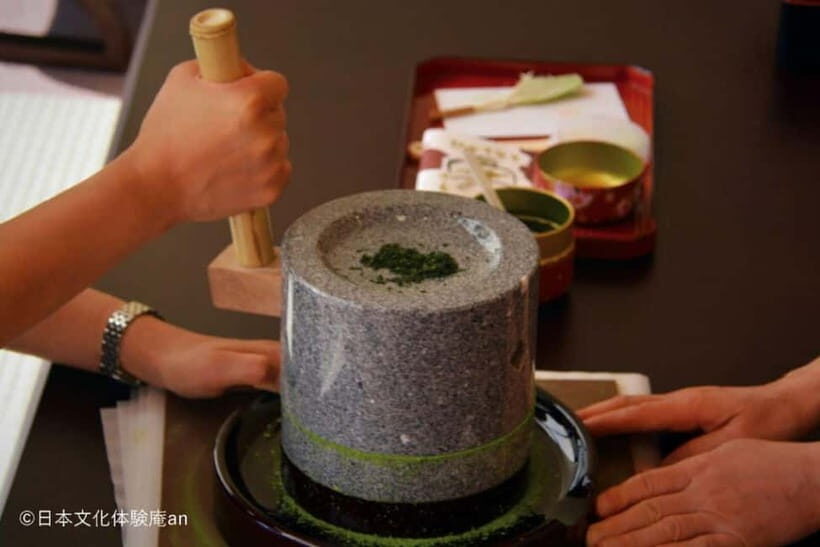
- Uji Matcha tea ceremony flow, with a matcha grinding demonstration
- Single-origin special Matcha served alongside what you made
- A patient instructor experience is a common theme, with demos that help even when English is limited
Wagashi meets tea: how the 95-minute session runs
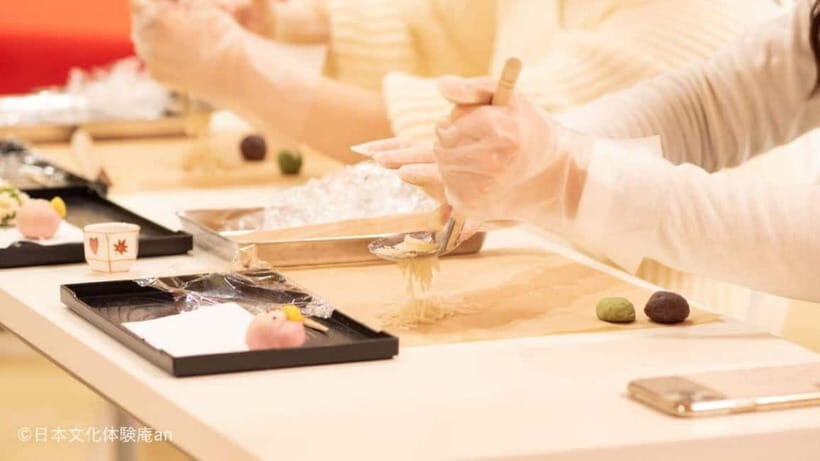
This experience is built to fit neatly into a day: 95 minutes total, with a quick break partway through. You’ll spend the early part on your sweets, then shift into tea with grinding and ceremony steps, and finish by eating what you made with your tea.
The timing is straightforward. You start with an intro to traditional sweets, then move into flower-shaped Nerikiri style making. After that comes a pause, and later you’ll get the tea background, then the matcha process and the tea ceremony itself.
The practical takeaway: it’s a tight schedule, so bring your curiosity and leave room in your morning or afternoon for one focused block. If you’re running late, the operator notes they can’t wait for delays, so plan your arrival with a buffer.
A few more Tokyo tours and experiences worth a look

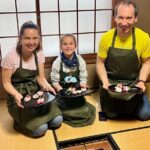
Nerikiri craft class: coloring bean paste and shaping seasonal wagashi
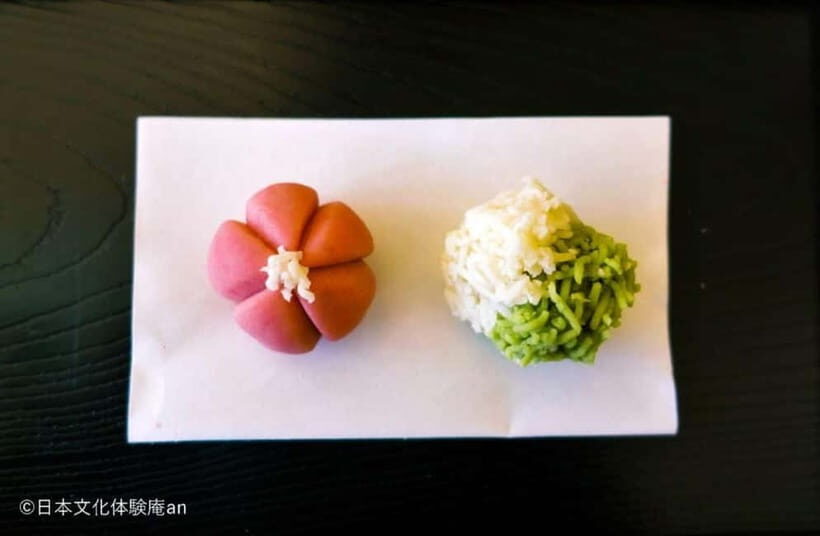
Your first main activity is making a type of Japanese traditional sweet called Nerikiri. Nerikiri is a higher-grade wagashi style, and the important part here is that you start with the coloring of the white bean paste. That step matters because it’s where the seasonal look begins, before you even form the final shape.
In the class, you’ll learn how seasonal themes translate into food art. You’ll craft something inspired by seasonal flowers or fruits, using colored paste you prepared yourself. This isn’t just decoration; the shaping and texture are part of the technique that makes Nerikiri feel like craft work rather than candy.
You’ll also learn the overall idea behind Nerikiri as a seasonal medium. The paste is molded into a shape that communicates time of year, and the coloring brings that image to life.
One extra practical tip: because you’re doing multiple steps in a short window, keep track of technique names as you go. One past guest wished the class description kept technique names clearer, which is a good reminder to jot down what the instructor calls each method while it’s fresh.
Kinton Nerikiri and your second sweet: real practice, not just a sample
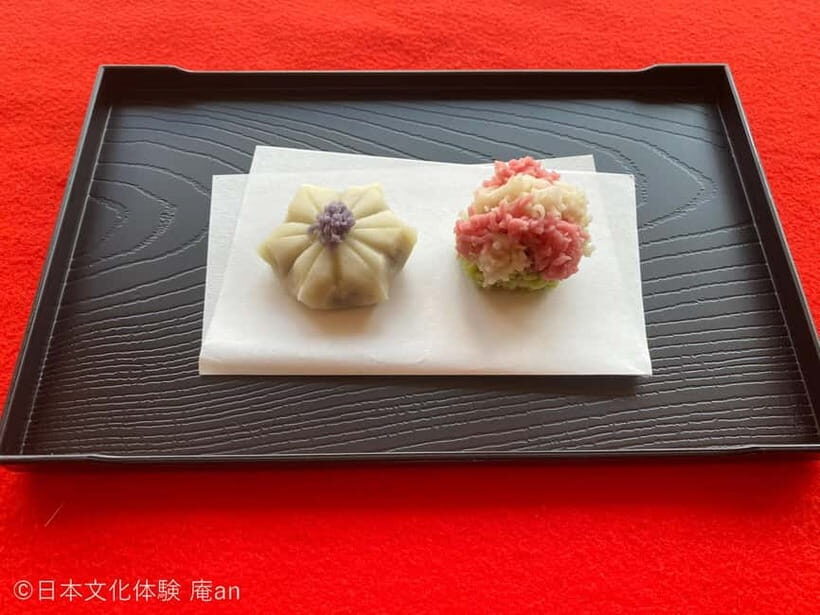
The workshop doesn’t stop at one sweet. You’ll make two Japanese sweets that align with the season, and the class specifically includes Kinton Nerikiri making as part of the process.
Why that second sweet is valuable: you get repetition with a different shape or handling challenge, so you build confidence faster than if you only made one version. It also helps you understand that wagashi isn’t a single cookie-cutter method. Different sweets may use similar paste, but the presentation style changes the work.
This is where the experience tends to click for beginners. Even if you’re not artsy, the structure is designed to get you to an end result you can be proud of. You’ll be working with bean paste made in Kyoto by long-established shops, which also means your final sweets taste and feel like the real thing, not an afterthought.
If you’re taking photos, plan to do it after you finish each step rather than only at the end. The class schedule includes a picture time later, but it’s nice to capture progress while your work is still fresh.
Uji Matcha tea ceremony: grinding, serving, and learning the flow
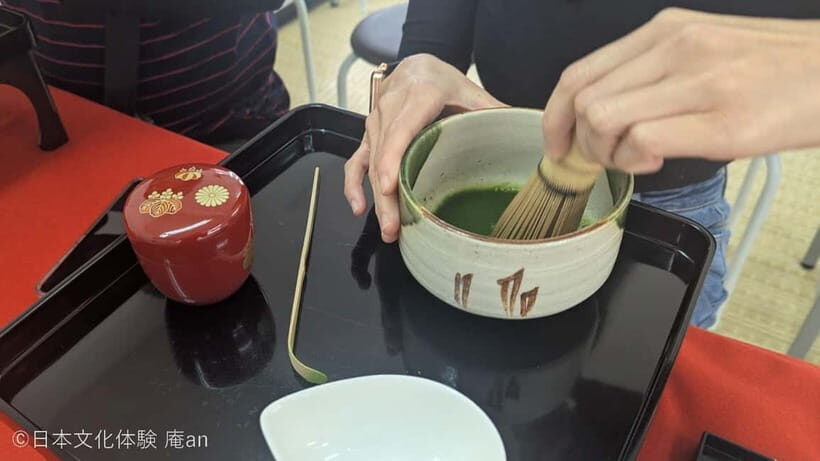
After the sweets, you get a focused tea segment. There’s an explanation portion, then you’ll see a matcha grinding demonstration, and finally you’ll take part in the tea-ceremony experience.
The matcha here is Uji Matcha, and the experience also notes that you’ll use a single-origin special Matcha. That combination matters because Uji matcha is closely associated with traditional tea culture, and single-origin matcha keeps the flavors more consistent and intentional rather than generic.
What you’re learning isn’t just how to drink matcha. You’re learning the rhythm: how grinding fits into the ceremony, how tea is presented, and how the experience is meant to be paced. Even if you don’t master every etiquette detail, the structure gives you a clear mental model for what a tea ceremony is actually doing with your attention.
Also, this is a good time to notice scent and texture. Matcha can vary a lot depending on grind and preparation, and the class gives you a clear view of the steps that shape what you taste.
Eating what you made: matching bean paste sweetness to matcha
When your workshop ends, you don’t just leave with photos. You get to enjoy the Japanese sweets you prepared alongside your Matcha tea.
This pairing is a big part of the value. High-quality white/red bean paste has enough depth to stand up to matcha’s grassy, umami edge. That balance is likely one reason the class emphasizes the Kyoto paste source, not just the fact that you’re using bean paste at all.
You’ll probably notice two layers during tasting. First is the sweetness and bean flavor. Second is how matcha’s bitterness and umami change the perception of that sweetness.
If you’re picky about bitterness, start with small sips and pause between bites. The ceremony style tends to slow you down, and that makes it easier to understand how the flavors interact rather than just eating quickly and moving on.






Price and value: is $18 fair for wagashi plus tea?
At $18 per person for 95 minutes, this is aimed at good learning-per-minute value. You’re getting two things that normally add up quickly when taken separately: hands-on wagashi making and a guided tea ceremony with matcha preparation.
The value improves because of what’s included in the ingredients. The class uses bean paste made in Kyoto by long-established shops, plus single-origin special Matcha (with a Uji matcha focus for the ceremony). That’s not a trivial detail. Better ingredients make it easier to taste why traditional sweets are built the way they are.
You should also budget a little extra if you want extras. A sweets take-out box costs 100 JPY, and an experience completion certificate costs 300 JPY (and the certificate can be nominative if you share names in advance). If you’re the kind of traveler who likes souvenirs, those add-ons can be worth it.
Bottom line: you’re paying for instruction, ingredients, and the included tasting time. For a short, concentrated session, the price feels reasonable.
Language, pace, and the one thing to watch: hearing the instructor
The workshop language is Japanese, and the operator notes that English translation will be provided as much as possible. If you want extra support, they invite you to contact them and add it.
In practice, this is exactly the scenario where visuals and demonstrations matter. One past guest specifically praised the instructor named Marie for being helpful and patient, and for effective demonstrations even though her English was not perfect. That’s reassuring if you’re not confident in Japanese.
The trade-off is pace. Another review flagged a situation with too many people where it became hard to hear the instructor and the activity moved on without waiting. You can’t control crowd levels, but you can control your response.
My practical advice: arrive a bit early, pay attention from the start, and position yourself where you can see the hands and tools clearly. If you need clarification, speak up sooner rather than later, because the class schedule is tight.
Where to meet and how to not waste time
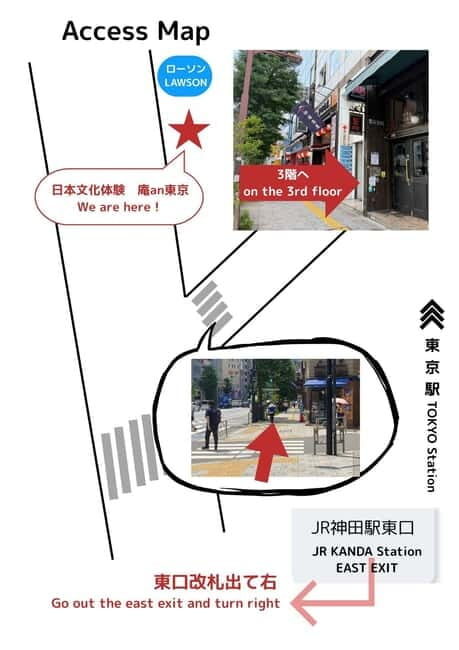
You’ll meet at AN TOKYO Japanese Culture Experience. The coordinates are 35.6916541, 139.7715022, which you can plug directly into your maps app.
Operating hours run from 10:00 to 17:00, and reservations received after 17:00 are processed the next day. The experience also states they won’t hold the event to accommodate delays, so treat this like a timed museum entry: show up ready to start.
One more note: the class says those who do not participate won’t be allowed to enter. So if you’re bringing friends who plan to watch, plan on them joining in rather than waiting outside during the workshop.
If you’re traveling with kids, children who sit on their parents’ laps are free of charge (for under 2 years old only). The activity is hands-on, so supervising small kids closely makes the experience smoother for everyone.
Who should book this wagashi and matcha workshop
This is a great fit if you want two Japanese traditions in one sitting: wagashi making and tea ceremony. It’s especially good for beginners because the process guides you step by step: coloring paste, shaping Nerikiri, then learning tea steps with a grinding demonstration.
It also works well if you care about ingredients. The use of Kyoto bean paste and single-origin special Matcha means this isn’t a flavor-less craft class.
You might hesitate if you:
- Need lots of slow, one-on-one instruction, since the schedule is structured and the class may move quickly.
- Have trouble hearing in lively rooms, since one past guest reported difficulty hearing when the room was crowded.
If your main goal is a calm, private tutoring session, you may prefer a different format. But if your goal is learning the essentials and taking home sweets to remember the experience, this workshop is solid.
Should you book this tour?
Yes, if you want a compact, hands-on taste of Japanese food culture. For $18 and 95 minutes, you’ll make two seasonal Nerikiri-style sweets, learn what goes into a tea ceremony with Uji Matcha, and then eat your creations with your matcha.
I’d especially lean toward booking if you like creative food craft, or if you want a guided way to understand wagashi beyond just tasting it at a shop. The strongest signal from the experience design is the combination of Kyoto bean paste and a matcha-centered tea session.
I’d be a little more careful if you’re sensitive to noise or you rely on hearing every word. In that case, plan to arrive early, pay attention to the demonstrations, and be ready for a fast-moving class flow.
FAQ
FAQ
How long is the Japanese Traditional Sweets making and Tea Ceremony experience?
The experience lasts 95 minutes.
How much does it cost?
The price is $18 per person.
What sweets will I make during the class?
You will make two Japanese traditional sweets that match the season. The session includes Nerikiri and Kinton Nerikiri making.
What ingredients are used for the sweets?
The class uses white/red bean paste produced by Kyoto’s long-established shops.
What matcha is used for the tea ceremony?
You’ll use Uji Matcha, and the experience notes single-origin special Matcha.
Do I get to eat the sweets I make?
Yes. At the end, you’ll enjoy the Japanese sweets you prepared along with your Matcha tea.
Where is the meeting point?
Meet at AN TOKYO Japanese Culture Experience at coordinates 35.6916541, 139.7715022.
What language is the instruction in?
The instruction language is Japanese, and English translation will be provided as much as possible.
Are there any extra costs during the experience?
There can be add-ons: a sweets take-out box costs 100 JPY, and an experience completion certificate costs 300 JPY (with the option for a nominative certificate if you share names in advance).
What is the cancellation deadline for a full refund?
You can cancel up to 24 hours in advance for a full refund.