REVIEW · TOKYO
Make Traditional Nerikiri Sweets & Matcha experience in Shibuya
Book on Viator →Operated by Mum Japanese sweets studio · Bookable on Viator
Tokyo has a million flavors, but this one is hands-on. In Harajuku/Shibuya you’ll learn nerikiri—Japanese sweets shaped like tiny works of art—then finish with a table-style matcha moment. It’s a small-class format in central Tokyo, designed so you can actually recreate the basic techniques later.
I love two things most. First, the step-by-step shaping (three sample forms plus your own original design) turns something that looks tricky into doable craft. Second, you get matcha with a neat tea-ceremony style setup and included sweets, so the experience isn’t just about making—it’s about tasting and slowing down.
One consideration: this isn’t a high-volume “eat your way through Tokyo” activity. You’ll spend your time on detail work, and the session is only about 1 hour 30 minutes, so you’ll want to be ready to focus.
In This Review
- Key Highlights You’ll Feel Immediately
- Nerikiri in Harajuku: Why This Craft Feels Like Real Tokyo
- What You Make: Three Shapes, Then Your Own Original Nerikiri
- Matcha and Tea Etiquette at the Table: More Than a Drink
- The Omotesando Meet-Up: Easy Access, Real Home Setting
- Price and Value: What $60 Gets You in Central Tokyo
- Best Timing: 9:00, 13:00, or 15:30 With Your Shibuya Day
- Who Should Book: Families, First-Timers, and Detail Lovers
- What to Watch For During Class (So Your Nerikiri Looks Better)
- How This Fits With Shibuya and Harajuku Afterward
- Should You Book This Shibuya Nerikiri and Matcha Class?
- FAQ
- Where is the class located, and where do I meet?
- How long is the Nerikiri and matcha experience?
- What time slots are available?
- What’s included in the class?
- How many people are in the group?
- Is this class suitable for vegans and vegetarians?
- Can I cancel if my plans change?
Key Highlights You’ll Feel Immediately
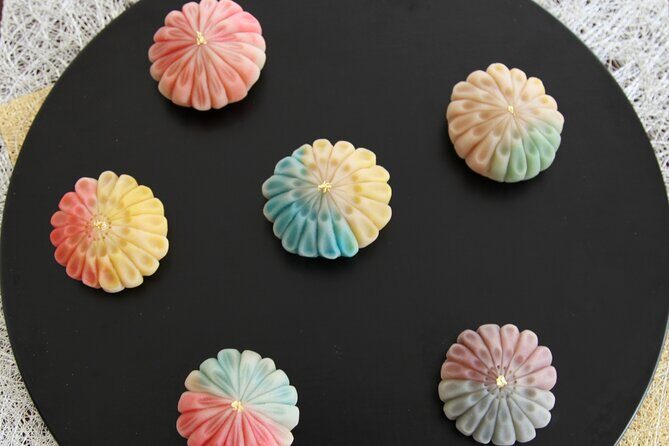
- Three nerikiri shapes first, then you create an original design to take home
- Small group cap of 4, which means more personal guidance instead of watching from the sidelines
- Fresh hot matcha paired with carefully selected Japanese sweets
- Harajuku location near Omotesando, with an easy walk to Shibuya and Harajuku hotspots
- Works for vegans and vegetarians, so you’re not stuck guessing what’s in your treat
- Hana sensei style of teaching comes through in the reviews: patient, clear, and encouraging
Nerikiri in Harajuku: Why This Craft Feels Like Real Tokyo
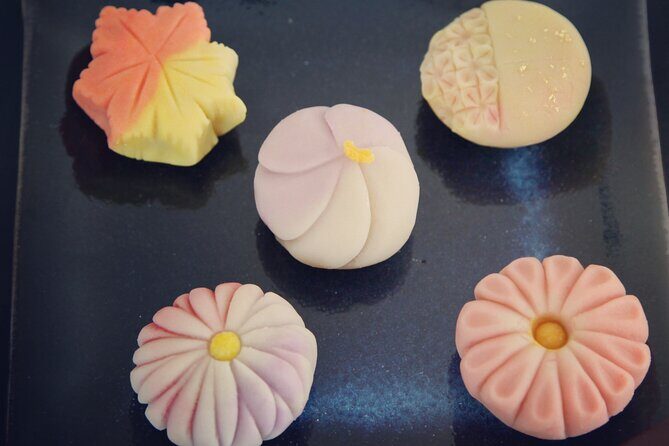
If you’ve ever wondered why Japanese sweets look like they belong in a museum display, nerikiri is the answer. You’re not just mixing ingredients—you’re practicing a traditional technique using bean paste and sugar so you can shape, smooth, and refine delicate details.
This class hits a sweet spot for your trip planning. It’s in central Tokyo, not out in the suburbs, and it’s short enough to fit alongside Shibuya Crossing, Meiji Shrine, and a Takeshita Street wander. You also get a home-based feel—this is the kind of experience that shows you how everyday Tokyo culture can be quiet, focused, and precise, not just fast and flashy.
And yes, it’s beautiful. But the best part is that the beauty comes from process. Even if your first attempt looks a little wonky, the guidance is built for beginners. That’s a huge deal when you’re on a vacation and don’t want “learning” to turn into frustration.
A few more Tokyo tours and experiences worth a look

What You Make: Three Shapes, Then Your Own Original Nerikiri
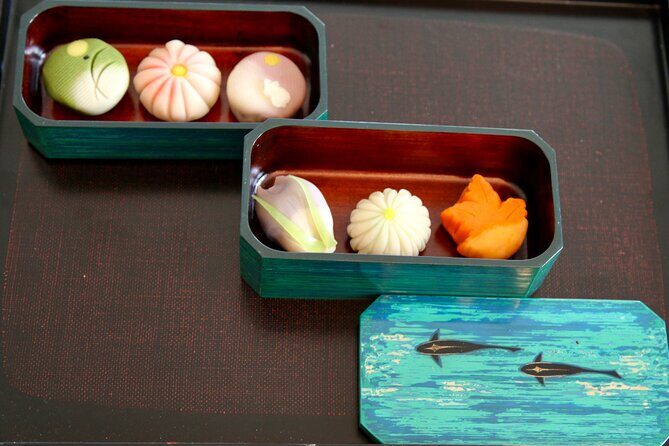
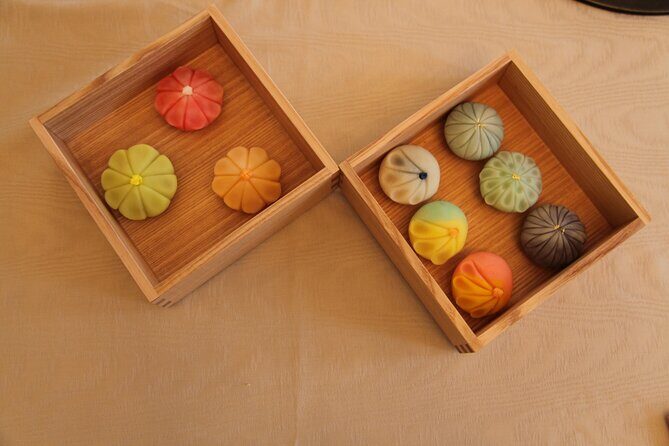
You’ll start by choosing from sample designs. Think of this as your shortcut to good results: you’re given a model, then you learn the steps to build the shape. After that, you make three different nerikiri shapes using the class’s technique.
Then comes the fun part—making your own design. You choose a concept (often inspired by the examples on hand) and work it into something uniquely yours. The big win here is psychological: you begin with structure, then end with creativity. That’s why the session feels rewarding even if you’re not naturally crafty.
By the end, you can take everything home. That matters more than it sounds. You’re not only leaving with photos and matcha breath—you’re leaving with edible reminders you can show friends and family, or enjoy later as a souvenir that doesn’t get stuck in a bag.
What you’re really learning is how to control the dough’s feel and shape it cleanly. The class is designed so you can recreate the basic approach later, not just copy a final look once.
Matcha and Tea Etiquette at the Table: More Than a Drink

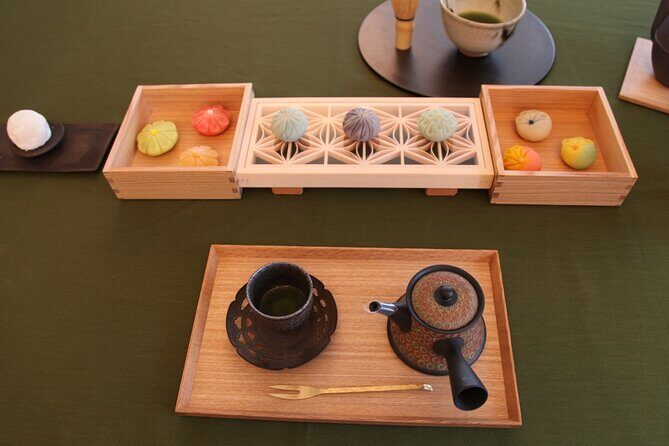
After the shaping, you shift from hands to senses. The class includes a table-style tea ceremony where matcha is served alongside carefully selected Japanese sweets sourced from across Japan.
This part is valuable because it changes the pace. Instead of rushing through Tokyo calories, you practice a small ritual: looking, tasting, and noticing. Matcha itself becomes more than a beverage when you see how it’s prepared and presented. You get to experience that Japanese “less but better” idea in dessert form.
You’ll also get four sweets total in the overall class setup, plus your hot matcha. Some people love that the tasting portion rounds out the making part—so you’re not standing in front of a counter after class trying to remember what you made.
From the reviews, a lot of the satisfaction comes from how clearly the tea portion is explained. The ceremony isn’t treated like a test; it’s taught as something you can genuinely follow.
The Omotesando Meet-Up: Easy Access, Real Home Setting
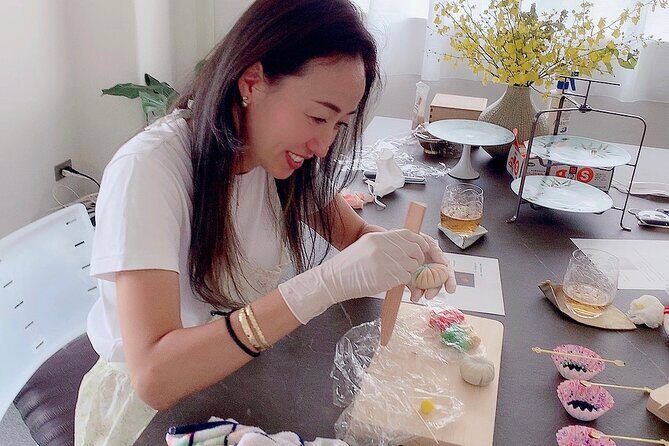
You meet at 5-chōme-2-21 Jingūmae, Shibuya, Tokyo 150-0001, Japan, specifically across CHUMS Omotesando in front of the Brown building. The walk from there to the instructor’s place is about 30 seconds. That short transfer is more convenient than you might expect in Tokyo, where “walking distance” can sometimes turn into a 15-minute saga.
The workshop is also well located. It’s about a 3-minute walk from Omotesando Station, and you’re within walking reach of major Shibuya/Harajuku areas. That makes it practical as a half-day anchor: you can come in for the class, then head out to your next stop without wasting time.
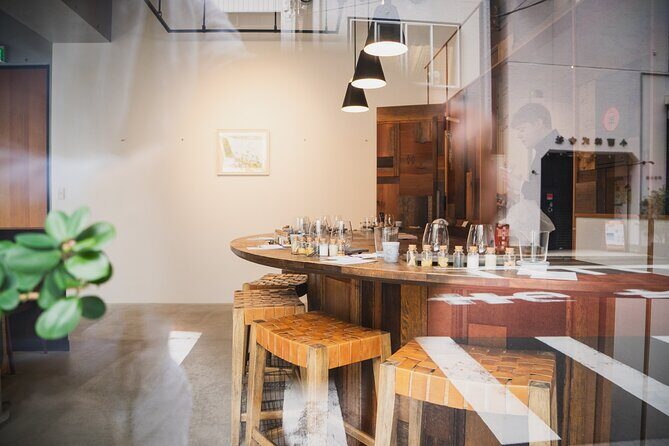
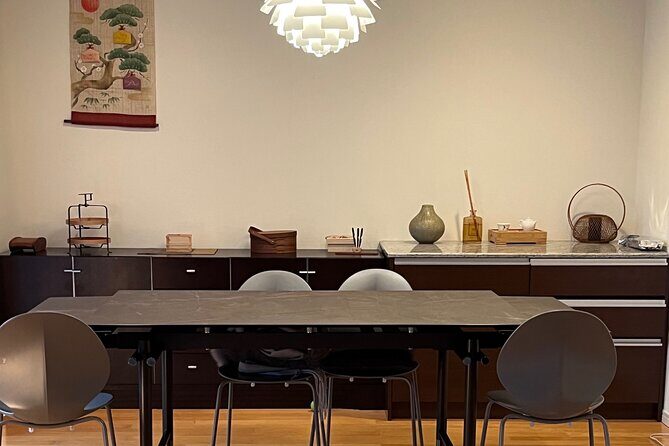
One of the most praised aspects in the reviews is the home environment. People specifically mention how special it feels to learn in a local setting, not a busy storefront. If you like travel experiences that feel personal—small-group, guided, and calm—that detail matters.
Price and Value: What $60 Gets You in Central Tokyo
At $60 per person for about 1 hour 30 minutes, this sits in the “worth it” category for Tokyo when you factor in three things:
1) Small group size (max 4)
You get real attention, not a rushed assembly-line style class.
2) Included creations and tasting
You’re not just learning techniques; you make multiple pieces and finish with hot matcha plus included Japanese sweets.
3) Central location near major sights
You’re not spending time and transit cost crossing the city. The class is positioned so you can squeeze it into a day that already includes Shibuya and Harajuku.
So while $60 isn’t bargain-basement, it’s not just paying for sugar and tea. You’re paying for teaching time, a controlled practice environment, and a guided tasting that gives context to what you made.
If you’re the type who wants one memorable Tokyo food-craft moment that’s more meaningful than another snack run, this is a strong value choice.






Best Timing: 9:00, 13:00, or 15:30 With Your Shibuya Day
You can book 9:00, 13:00, or 15:30. The “best” slot depends on what you want your day to look like.
If you want maximum sightseeing time afterward, the 9:00 start is the smart move. Many shops open around 11:00, so earlier in the morning helps you avoid dead time. You can finish your class, then step into neighborhoods like Omotesando, Harajuku, and later push toward Shibuya Crossing.
A 13:00 session works well if you want a slower start: breakfast, a museum stop, or a scenic walk first, then craft and tea in the middle of the day.
The 15:30 slot is great if you want something calmer before dinner—especially if you’ve already done the big-ticket sightseeing and just want a focused, creative reset.
Practical note: this is a “show up and do the work” class, so I’d plan your day so you’re not sprinting between neighborhoods. Tokyo is easy to move around, but this workshop rewards calm.
Who Should Book: Families, First-Timers, and Detail Lovers
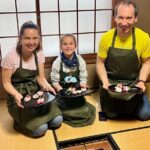
This activity is designed to be friendly for a wide range of ages. The experience is described as enjoyable for children through seniors, and the tone in the reviews backs that up—families mention kids learning the craft with support, and adults appreciating that the instruction stays clear even when people learn at different speeds.
If you’re a beginner, this is also a good fit. You start with sample designs and technique guidance, so you’re not left guessing how to shape bean paste into clean details. Reviews repeatedly highlight how patient and clear the teaching is—people describe feeling encouraged, even when they felt clumsy at first.
It’s also a good match for food travelers who want more than taste. You get context for how the sweets are formed and why they look the way they do. That’s what makes it feel like Japanese culture, not just dessert production.
Diet notes: the class is suitable for vegans and vegetarians. If you have a sensitive ingredient requirement beyond that, you should check with the organizer. One review mentions the instructor contacting after booking about an alcohol ingredient preference, which suggests they’re attentive when you communicate ahead of time.
What to Watch For During Class (So Your Nerikiri Looks Better)
Here’s how to set yourself up for success without overthinking it:
- Expect precision work more than messy fun. The goal is smooth shaping and neat forms.
- Follow the technique steps closely. Your first “try” is practice, not the final masterpiece.
- Don’t rush the creative stage. Your design will come together better if you take time refining shapes.
Because the session is small, you’ll have more chances to ask questions and get adjustments. Many reviews specifically mention the instructor giving direction that helps people improve technique, not just complete the craft.
Also, keep your expectations realistic: you’re learning a traditional method in 90 minutes. Your “own design” may not look like a professional wagashi shop piece on day one—but that’s not the point. The point is learning the approach and leaving with edible proof you practiced it.
How This Fits With Shibuya and Harajuku Afterward
You’re in a prime location for pairing. After the class, you can head toward:
- Meiji Shrine
- Takeshita Street
- Shibuya Crossing
- General walking around Harajuku and Omotesando
If you’re curious about the neighborhood angle, the class includes a home-based component that helps you see daily inner-city life. That’s part of the value for anyone who wants Tokyo that feels human, not only postcard-scenic.
The workshop meeting location is close to transit too, so you can pivot quickly to your next plan.
Should You Book This Shibuya Nerikiri and Matcha Class?
Book it if you want a hands-on Japanese food craft that’s genuinely memorable. The combination of nerikiri shaping, fresh hot matcha, included Japanese sweets, and a small-group teaching style makes this a strong choice for first-time Japan visitors and returners alike.
I’d especially recommend it if you like experiences where the details matter—because that’s where the magic shows up. And if you’re traveling with family, it’s one of the rarer food activities that works across ages without turning childish or complicated.
Skip it if you only want big sightseeing and quick sampling. This is a focused craft lesson with a calm tea finish. If you’re okay slowing down for 90 minutes, you’ll leave with both skill and something delicious you can actually take home.
FAQ
Where is the class located, and where do I meet?
You meet across CHUMS Omotesando, in front of the Brown building. The address is 5-chōme-2-21 Jingūmae, Shibuya, Tokyo 150-0001, Japan.
How long is the Nerikiri and matcha experience?
Plan on about 1 hour 30 minutes (approx.).
What time slots are available?
The class times listed are 9:00, 13:00, and 15:30.
What’s included in the class?
You’ll make traditional nerikiri sweets (four sweets total) and enjoy hot matcha. There’s also a table-style tea ceremony with Japanese sweets included.
How many people are in the group?
The experience has a maximum of 4 travelers.
Is this class suitable for vegans and vegetarians?
Yes, it’s described as suitable for vegans and vegetarians.
Can I cancel if my plans change?
Free cancellation is available up to 24 hours in advance for a full refund. If you cancel less than 24 hours before the start time, the amount you paid will not be refunded.