REVIEW · TOKYO
Tokyo Shibuya: Japan Only Limited Ramen – Select from 9 Types
Book on Viator →Operated by Fuji Tour · Bookable on Viator
Three ramen bowls, one Shibuya walk. This Tokyo Shibuya tour stacks tasting and learning in just a few hours, pairing the pulse of Shibuya Crossing with visits to three well-loved ramen shops. The big idea: instead of ordering one type and calling it a day, you sample multiple ramen styles in half portions.
I love that you get three different ramen types through small bowls, with options at each shop so you can steer your own order. I also love the way the guide frames what you’re eating—ramen history, cooking methods, and practical local tips—so your meal turns into real understanding, not just eating. One thing to think about: you’ll likely want to budget extra cash for dumplings or other add-ons, since additional orders aren’t included.
In This Review
- Key Points You’ll Care About in Shibuya
- Tokyo Shibuya Ramen Tasting: Why Three Mini Bowls Win
- Shibuya Crossing Before the Noodles
- Stop One: Thick, Rich Ramen and the Noodle Difference
- Stop Two: A More Health-Conscious Ramen Angle
- Stop Three: The Final Shop Picked for Your Tastes
- What You’re Really Buying: Learning Ramen (Not Just Eating It)
- Walking Route, Time, and Group Size That Keep It Fun
- Tickets, WhatsApp, and Payment: The Small Stuff That Saves Your Day
- Value Check: Is $50 a Good Deal for Shibuya Ramen?
- Who This Tour Fits Best (And Who Might Prefer Something Else)
- Should You Book This Shibuya Ramen Tour?
- FAQ
- Where does the Tokyo Shibuya ramen tour start and end?
- How long is the experience?
- What’s included in the price?
- Is transportation included?
- Do I need cash?
- How many people are in the group?
- What if I need help with mobility?
- Should You Book This Tokyo Shibuya Ramen Tour?
Key Points You’ll Care About in Shibuya
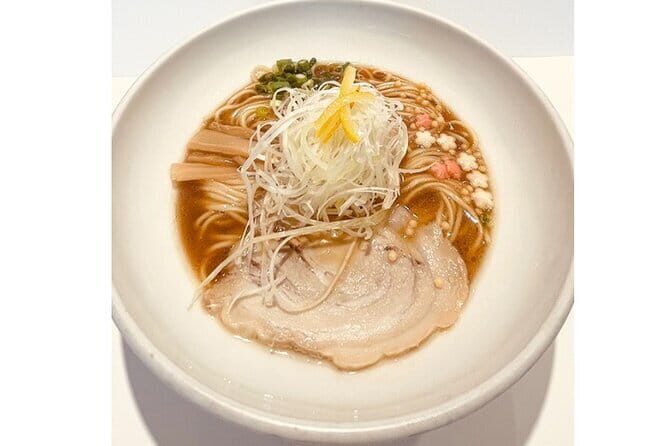
- Half-sized bowls at three shops mean variety without feeling overstuffed
- Choose from three options at each stop, so you get some control over your tastings
- A guide-led ramen explanation helps you connect broth, noodles, and toppings
- Maximum 10 travelers keeps it easier to hear and move as a group
- Walking-only route in central Shibuya is efficient, but taxis may be needed if mobility is limited
- WhatsApp contact + mobile ticket helps the day run smoothly
Tokyo Shibuya Ramen Tasting: Why Three Mini Bowls Win
Tokyo ramen can be intense. One “normal” bowl can be big, and once you commit to a favorite style, you miss the chance to compare. This tour is built around a smarter strategy: three half-sized bowls across three different ramen shops, each with a menu set that lets you pick what sounds best.
That structure is the real value. You get comparison the way a food nerd wants it—broth style, noodle thickness, and flavor direction—without spending an entire afternoon or paying for multiple full meals. It’s also a great way to handle Tokyo’s menu intimidation. Even if you don’t read Japanese, your guide and the tasting choices help you move with confidence.
And because it’s set in Shibuya, you’re not just eating; you’re also soaking up a neighborhood that’s instantly recognizable on any Tokyo first-timer list. If you want your food stop to feel like part of the city, this format delivers.
You can also read our reviews of more tours and experiences in Tokyo.



Shibuya Crossing Before the Noodles
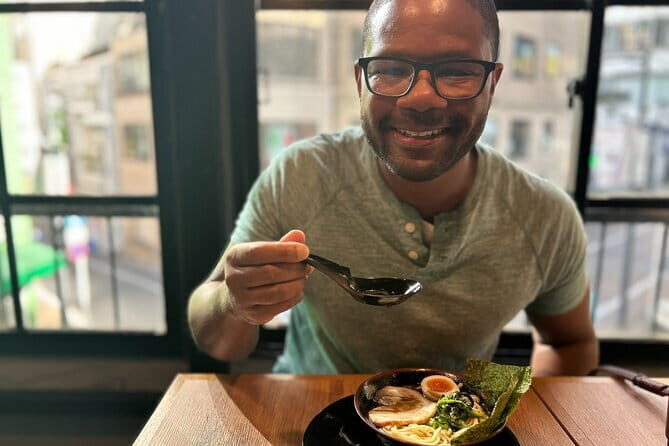
The tour begins in Shibuya at Shibuya 1092-chōme-29-1 Dōgenzaka and you end back there. First you’ll experience the world’s busiest pedestrian crossing, where crowds flow in synchronized waves.
Why this matters: it’s not just a photo stop. It sets the energy for the whole tour and helps you get oriented fast. After you’ve watched people move in every direction with calm timing, you’ll understand how easy it is to navigate the area on foot.
You’ll also be walking as a group, and that first stop is a good warm-up—no one’s hungry yet, everyone settles into the rhythm, and the guide can set expectations before ramen decision time.
Practical note: the tour time is about 2 to 3 hours, and the ramen stops are each roughly 45 minutes, so plan for a steady pace rather than lingering.
Stop One: Thick, Rich Ramen and the Noodle Difference
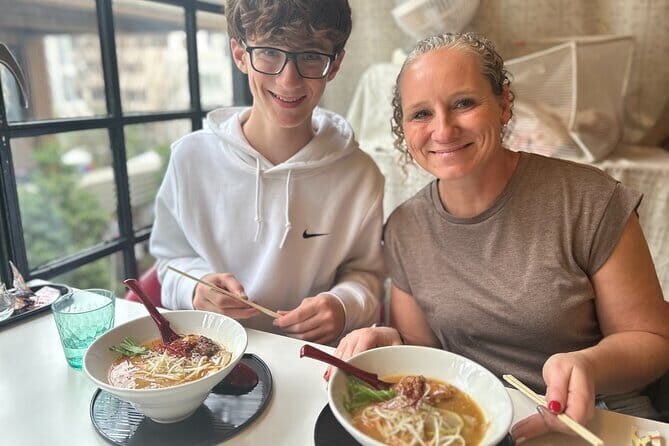
Your first ramen stop focuses on a classic style: rich and thick ramen with hearty broth and thick noodles. The idea is simple—this is the bowl that hits first, the one that feels like comfort food but still has Tokyo-level precision.
At each shop, you’ll choose a half-sized ramen from three options. That choice is important because thick broth styles can vary a lot in flavor direction: you might find heavier, salt-forward comfort, or something more savory and deeply layered. With half portions, you can sample boldly without worrying you’ll regret it later.
What I like about starting with this style: it gives you a baseline. Once you’ve tasted thick noodles and a heavier broth, you’ll notice the contrasts later—lighter bowls, different cooking methods, and different topping philosophies.
A realistic drawback: if you already know you prefer lighter ramen, this first stop may feel heavy at the start. Still, the half-size format helps. You’re not stuck with a giant bowl; you’re building a comparison.
Stop Two: A More Health-Conscious Ramen Angle
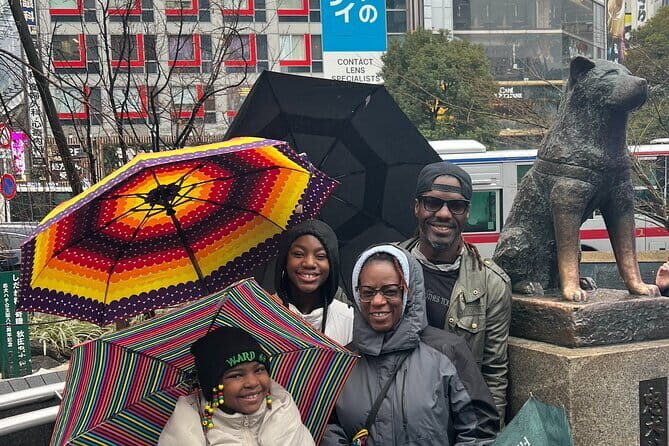
The second shop shifts gears. This stop is described as health-conscious ramen: nutritious, flavorful, and made with your well-being in mind. In plain terms, expect a lighter feeling than the first bowl, and often a different approach to broth character.
Even though the tour’s framing is about health, the key takeaway is the contrast. Ramen is not one thing. It’s broth and noodle chemistry, plus toppings and technique. This stop pushes you to pay attention to how the flavor lands—how it coats the mouth, how the salt level feels, and how the noodle texture matches the broth.
You’ll again select one half-sized ramen from three different options at that shop. That keeps the experience active. Instead of being passive in a tasting group, you’re making small decisions that help you personalize the comparison.
One practical consideration: ramen still contains meat-based broth ingredients. The tour notes that broths contain chicken, pork, or fish, so this isn’t a vegetarian-safe experience based on the provided info. If you have dietary restrictions, you’ll want to discuss them with the guide before ordering.
Stop Three: The Final Shop Picked for Your Tastes
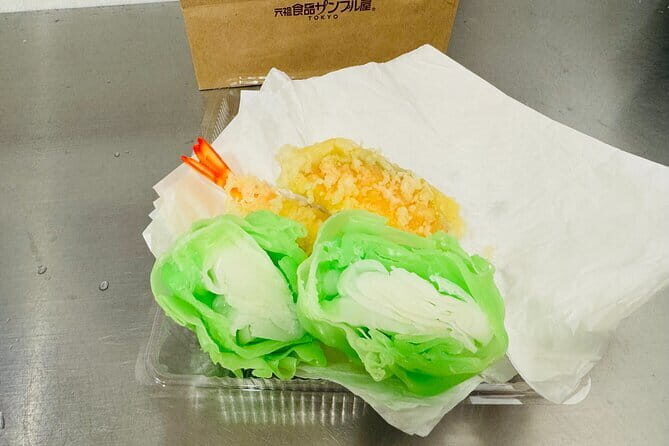
The last ramen stop is the one that often feels most exciting: a handpicked recommended shop chosen just for you. The tour structure suggests the guide pays attention to what you like, then steers your final bowl accordingly.
That’s valuable for two reasons:
- You avoid the common mistake of ordering one “best guess” dish too early.
- Your final ramen becomes the payoff—your taste preferences get reflected in the last choice.
Again, you’ll choose your half-sized ramen from three options at this final stop. At that point, you’ll likely have a clearer sense of what you want more of. Maybe you’ll lean into thicker broth after tasting the lighter stop, or maybe you’ll decide you prefer clean, health-minded flavors. Either way, you’re not just eating; you’re calibrating your preferences with real data.
One small caution: because the shop is recommended based on taste, the exact lineup of options at that final stop may differ depending on the group’s choices. That’s normal for this style of tour, but it does mean you should be ready to choose quickly once you’re there.






What You’re Really Buying: Learning Ramen (Not Just Eating It)
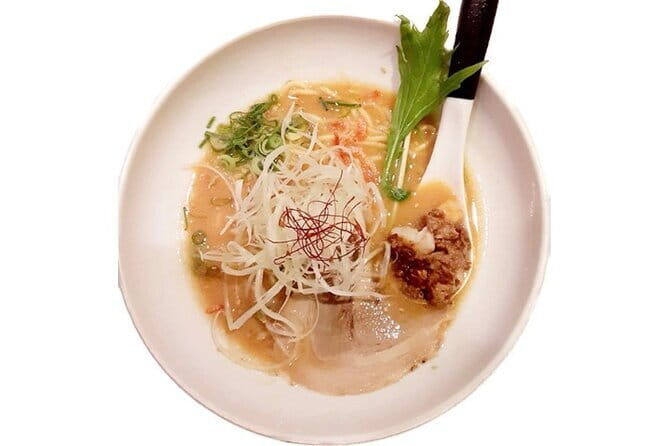
This isn’t only a food sampler. The guide’s explanations are a major part of the experience. The tour includes excellent local guide time plus explanation of ramen, and one standout detail from a past guide experience: Sakurako used a laminated presentation showing different ramen flavors and styles, including toppings and noodles. She also spoke about the history of ramen, plus Japanese culture, and offered local tips.
That laminated approach is surprisingly effective. When you can visually map noodle thickness, broth style, and toppings, the next bowl becomes easier to understand. You’ll know what to look for when comparing bowls:
- how thick or thin a broth feels
- what noodle texture does to the bite
- how toppings change the flavor direction
It also makes you better prepared for what happens after the tour. If you go back on your own later, you’ll feel less lost and more intentional—ordering with purpose instead of random luck.
Walking Route, Time, and Group Size That Keep It Fun

A big part of making ramen tastings work is pacing. This one is built for movement: Shibuya Crossing first, then three ramen stops, each about 45 minutes, with the full experience roughly 2 to 3 hours.
The group size is capped at 10 travelers. That matters because it helps with sound, timing, and ordering. You’re not stuck in a huge crowd where the guide can’t get everyone’s attention, and you’re less likely to spend half the tour waiting.
Also, it’s on foot only. The tour notes that mobility issues may require taxis at your own expense. If you can walk comfortably for short city blocks, you’ll probably find the route manageable. If not, plan your day around that walking requirement.
Tickets, WhatsApp, and Payment: The Small Stuff That Saves Your Day

The logistics are pretty straightforward, and the tour is designed to reduce friction:
- you’ll have a mobile ticket
- you should download WhatsApp for day-of contact
- transportation to the meeting point isn’t included, so you’ll need to handle getting there yourself
- hotel pickup and drop-off aren’t included
Money-wise, here’s the key point: additional orders are paid in cash. The base experience includes 3 half-sized bowls, but if dumplings, rice, or extra sides tempt you, bring cash so you’re not scrambling at the counter.
Also note: all ramen broths contain chicken, pork, or fish. If you have specific allergy needs or religious restrictions, it’s worth checking with the guide on the spot based on the options available at each shop.
Value Check: Is $50 a Good Deal for Shibuya Ramen?
At $50 per person, the value mostly comes from what you’re getting, not just the price tag. You’re paying for:
- three guided ramen tastings (half bowls at three shops)
- a local guide
- explanations about ramen and cooking approaches
- a small-group setup (max 10 travelers)
In Tokyo, ramen can range widely, and a single “big” meal doesn’t teach you how to compare styles. This tour solves that by packaging variety and learning into one short outing. You also reduce decision stress: choosing among many shops in Shibuya can be overwhelming even when you love food.
One place where value can shift: if you don’t plan to order any extra sides, you’ll keep your spending predictable. If you do want dumplings or rice, factor in additional cash. Still, even with small add-ons, you’re likely to spend less than buying three full meals plus wandering between shops solo.
For many people, the best part is the learning payoff. After you understand what makes thick noodles different from lighter styles, you’ll make smarter orders on future Tokyo ramen stops.
Who This Tour Fits Best (And Who Might Prefer Something Else)
This Shibuya ramen tasting is a great match if you:
- want a variety-focused ramen experience instead of one safe pick
- like guided context—how broth and noodles connect
- are visiting Shibuya and want something food-centered that still feels like Tokyo
It’s also a good fit for first-time ramen eaters. The half-size format lowers risk, and the guide’s explanation helps you make sense of choices.
You might consider a different option if:
- you need a vegetarian-friendly menu based on the provided ingredients info
- you can’t manage walking in central Shibuya
- you prefer to sit and linger slowly rather than move through three stops
If you’re the kind of person who gets stuck reading menus, this tour helps you bypass that paralysis.
Should You Book This Shibuya Ramen Tour?
I’d book it if you want Tokyo ramen with structure: three shops, three styles, half-size bowls, and a guide who helps you understand what you’re eating. It’s also a smart use of time. In about 2 to 3 hours, you cover enough ground and enough variation to feel like you learned something real.
I’d skip it if you already know you only want one very specific type of ramen and you’re happy doing that on your own. Also skip if your diet can’t work with broths containing chicken, pork, or fish, based on what’s provided here.
If you do book, bring cash for extras and make sure WhatsApp is ready. Then show up hungry and ready to compare. That’s where the tour shines.
FAQ
Where does the Tokyo Shibuya ramen tour start and end?
It starts at Shibuya 1092-chōme-29-1 Dōgenzaka, Shibuya, Tokyo 150-0043, Japan and ends back at the same meeting point.
How long is the experience?
The duration is approximately 2 to 3 hours.
What’s included in the price?
The experience includes 3 half-sized bowls of three different types of ramen, plus an excellent local guide and ramen explanation.
Is transportation included?
No. Transportation fee to the meeting point is not included, and there is no hotel pick up or drop off.
Do I need cash?
Yes. Additional orders (like dumplings, rice, etc.) are paid in cash, so it’s smart to have cash prepared in advance.
How many people are in the group?
The tour has a maximum of 10 travelers.
What if I need help with mobility?
The tour is on foot, and the info notes that those with mobility issues will need to use a taxi at their own expense.
Should You Book This Tokyo Shibuya Ramen Tour?
Book it if you want a compact, high-contrast ramen sampler with real guidance. In a few hours, you’ll go from the Shibuya Crossing buzz to three different ramen styles, with half portions that keep the comparisons fun instead of overwhelming. If your diet avoids broths made with chicken, pork, or fish, or if you can’t manage walking, then look for a different format.