REVIEW · KYOTO
Private Kyoto Tour with Licensed Guide & Vehicle (Max 15 persons)
Book on Viator →Operated by Japan Guide Agency · Bookable on Viator
Kyoto in one smooth private day. The big win here is private vehicle travel that cuts out the subway and bus stress, plus door-to-door hotel transfers that get you to the right places faster than public transport. I also like the way you can build a route around your interests instead of following a fixed loop. The trade-off: entrance fees and lunch aren’t included, and most stops are brief, so you’ll want to choose carefully.
This tour works especially well because you’re not stuck figuring out Kyoto in a day. With a licensed local English guide and a car that handles the gaps between neighborhoods, you can hit standout spots like Fushimi Inari-taisha, Gion, Kiyomizu-dera, and the Zen temples without wasting half your day searching bus stops. Just know it’s popular, so you should expect crowds at major sights and plan for a fast, packed rhythm.
In This Review
- Key points to know before you go
- Private Kyoto car routing: why it feels easier than public transit
- Price and value: what $634.72 really includes
- How the 6-hour structure works (and why 3–4 sights is the sweet spot)
- Fushimi Inari-taisha: torii gates plus smart timing
- Nijo Castle: UNESCO walls and Edo-era drama
- Gion: geisha-district atmosphere without the getting-lost headache
- Nishiki Market: the food-and-shopping side of Kyoto
- Kiyomizu-dera: the famous temple plus the crowds you should plan for
- Kyoto Imperial Palace: a calmer, more formal counterpoint
- Pontocho: evening-style alley vibes (even in daytime)
- Higashiyama Ward: preserved old Kyoto vibes
- Ginkakuji (Silver Pavilion): Zen restraint in visual form
- Nanzenji Suirokaku: Zen temple grounds with long-stay calm
- Tofuku-ji: a Zen stop with seasonal fame
- Toji: a Heian-era temple with classic appeal
- Kinkakuji (Golden Pavilion): Kyoto’s wow factor
- Ninnaji: World Heritage Zen calm
- Shugakuin Imperial Villa: quiet, garden-and-villa Kyoto
- Ryoan-ji: Japan’s famous rock garden moment
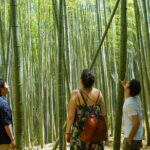
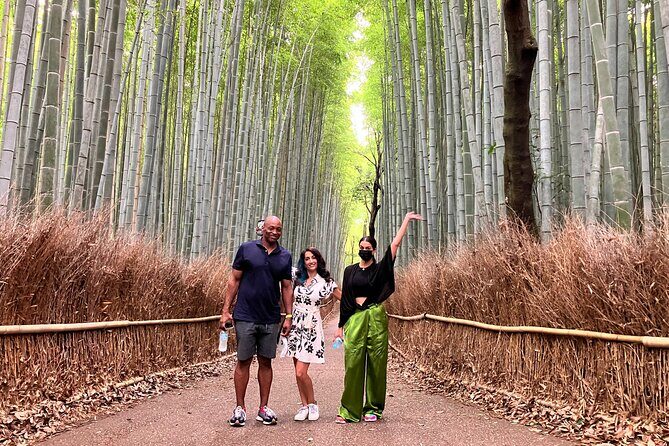
- Arashiyama: west Kyoto nature and famous temple links
- Katsura Imperial Villa: elegant architecture and gardens
- Daikaku-ji and Tenryu-ji: Sagano temple options with different moods
- Kennin-ji and Yoshimine-dera: smaller stops that can still be memorable
- Kurama and Kibune: mountain villages and shrine legends
- Choosing your perfect combo: my practical short list by traveler type
- Guide and driver quality: where your day can tip one way or the other
- Getting the most out of a private day: practical tips
- Should you book this private Kyoto tour?
- FAQ
- How long is the private Kyoto tour?
- How many people can join the tour?
- What’s included in the price?
- What isn’t included?
- Are all temple/castle entry fees included?
- Do I get to choose which places we visit?
- Is hotel pickup and drop-off included?
- Is the tour only for my group?
- What’s the cancellation window?
Key points to know before you go
- Car-based routing saves real time when Kyoto’s buses and subway lines feel like a maze
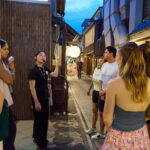
- Licensed English guide helps you understand what you’re seeing and where to walk
- Pick 3–4 sights for a day that feels doable instead of exhausting
- Short visit windows mean good photo moments, but not slow wandering everywhere
- Entrance fees are extra at several top temples and castles, so bring a small cash buffer
Private Kyoto car routing: why it feels easier than public transit
Kyoto looks calm on a map. In real life, getting from one famous temple to another can turn into stairways, transfers, and wrong turns. The whole point of this experience is simple: a driver takes you door-to-door, while your guide keeps you moving efficiently once you arrive.
You’ll feel the benefit right away at the places where crowds form and lines snake. Instead of arriving stressed, you show up with a plan: where to enter, what to look for first, and how to use your limited time on the ground. One thing I like about this setup is that it’s flexible. If your group wants slower walking in a temple area or you’d rather spend more time in a market district, a good guide can adjust on the fly.
That said, no car can erase Kyoto’s popularity. Kinkakuji and Kiyomizu-dera can still get busy, especially in peak season. Your best defense is timing and smart stop selection, which is exactly where a guide helps.
You can also read our reviews of more guided tours in Kyoto

Price and value: what $634.72 really includes
At $634.72 per group (up to 2), you’re paying for a private day with three big ingredients:
- a licensed local English-speaking guide
- a private vehicle (not shared shuttles)
- a customizable walking tour built from a list of key sites, typically centered on 3–4 stops you choose
In practice, this can be good value if:
- you’re traveling as a couple or small family and want control over pacing,
- you want to minimize transit mistakes,
- you prefer explanation over guessing.
It’s less cost-effective if you’re the type who’s happy to hop buses solo and spend hours between temples. Still, even then, the car can be a sanity saver when you want multiple highlights in a single day.
One more financial note: entrance fees, lunch, and personal expenses are not included. Also, guide entry fees are only covered for sights listed in the standard selection. In other words, you should expect to pay modest temple/castle fees at some stops, and it’s smart to carry a small amount of cash.
How the 6-hour structure works (and why 3–4 sights is the sweet spot)
The tour is about 6 hours, and the stop pattern is designed for momentum rather than long stays. Many of the listed stops run on short ground time (often around 15 minutes), which means you’re getting:
- a quick orientation,
- the best-view route or entry point,
- a moment to take photos,
- and then back to the car to reach the next area.
That’s why choosing 3–4 core sights matters. If you try to see everything, you’ll end up with a checklist and not much satisfaction. If you choose the right combination—temples + a neighborhood + one “wow” pavilion or shrine—you’ll leave feeling like you actually experienced Kyoto, not just passed through it.
I’ve also seen guide styles that make this feel less rushed. Guides like Michi have been described as friendly and even staying past the scheduled time to help with lunch plans. Others, like Yuka and Olive, are praised for handling priorities smoothly and tailoring what to emphasize. The quality of the day depends on the fit between your interests and the guide’s approach, so be clear at the start.
Fushimi Inari-taisha: torii gates plus smart timing
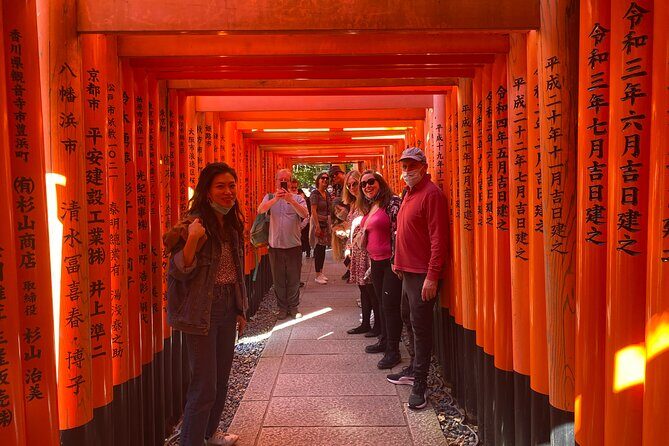
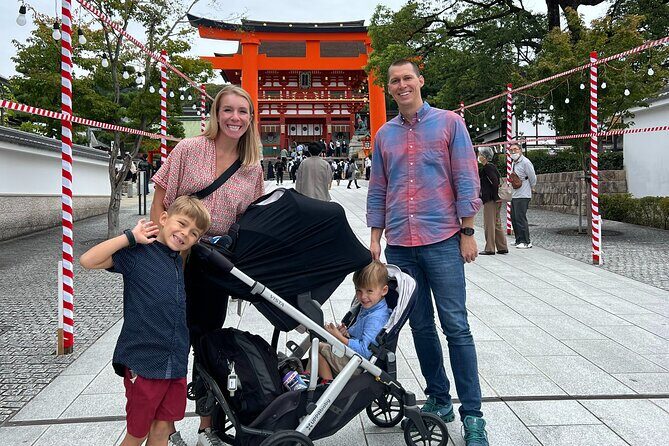
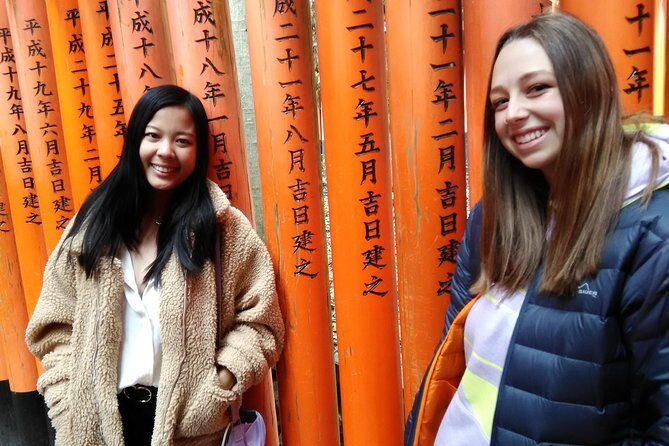
Fushimi Inari-taisha is the shrine most people picture when they think Kyoto—and for good reason. You’ll get a classic first look at the famous torii gates as you walk through the shrine paths.
Why it’s special:
- it’s iconic Kyoto in a way that’s easy to understand even with limited time,
- the walk gives you a sense of progression and scale.
Time and rhythm:
- plan on a short guided visit (the schedule lists about 15 minutes here),
- focus on the part of the route your guide recommends for the best experience in limited time.
Potential drawback:
- it can be crowded depending on the hour,
- if your route is ambitious, you might want to pace yourself rather than sprint for photos.
Good to know: the listed entry for Fushimi Inari-taisha is Free in the provided schedule.
Nijo Castle: UNESCO walls and Edo-era drama
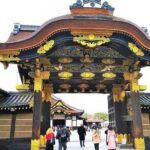
Nijo Castle is a UNESCO site built in 1603 as the Kyoto residence of Tokugawa Ieyasu. Even if you don’t know the Edo period, the place communicates power: formal spaces, strong architecture, and a sense of courtly control.
Why it’s worth including:
- it adds a different side of Kyoto beyond temples,
- it gives historical context that helps other sites make more sense.
Practical note:
- the schedule lists about 15 minutes for this stop,
- entry is not included for the castle in the provided details.
Potential drawback:
- it’s not a slow stroll. It’s built for structured viewing, so if you like lingering, you may feel limited by time.
You can also read our reviews of more private tours in Kyoto


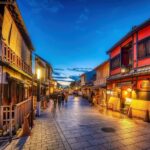
Gion: geisha-district atmosphere without the getting-lost headache
Gion can be confusing on foot. Narrow lanes, side streets, and lots of photo spots make it easy to wander without a purpose.
What you get in a guided format:
- direction through the best lanes,
- context on what you’re seeing around the geisha district,
- a smoother flow that keeps your walking efficient.
Why it works:
- you can enjoy the vibe in a short block of time,
- you don’t have to fight for bearings.
Potential drawback:
- the schedule lists a short visit window (about 15 minutes),
- crowds can build, especially around the most photographed streets.
Good to know: the schedule lists Gion as Free admission.
Nishiki Market: the food-and-shopping side of Kyoto
Nishiki Market is often called Kyoto’s kitchen because it’s packed with specialty foods and small shops along a narrow stretch. Even if you don’t buy much, it’s a sensory stop that tells you what locals actually think is worth eating.
Why I think it’s a smart inclusion:
- it balances temple time with a real neighborhood experience,
- it’s a place you can snack casually while keeping your day moving,
- it’s easy to tailor: quick tasting vs. browsing.
Practical details:
- the schedule lists about 15 minutes,
- admission is Free in the provided schedule.
Potential drawback:
- it’s a shopping street, so it can feel hectic if you hate crowds.
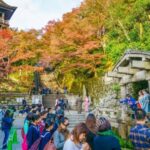
Kiyomizu-dera: the famous temple plus the crowds you should plan for
Kiyomizu-dera is one of Kyoto’s biggest draws, and the experience is a mix of spectacle and atmosphere. Your guided time here is listed as about 1-hour for the guided temple grounds component (while the broader schedule shows short transfer blocks).
Why it’s special:
- it’s a Kyoto “must” for many people,
- it’s the kind of site where understanding the symbolism makes your photos better.
Practical note:
- entry is not included for this stop in the provided details.
Potential drawback:
- expect stairs and foot traffic around major viewing points,
- peak hours can make the experience feel compressed.
Kyoto Imperial Palace: a calmer, more formal counterpoint
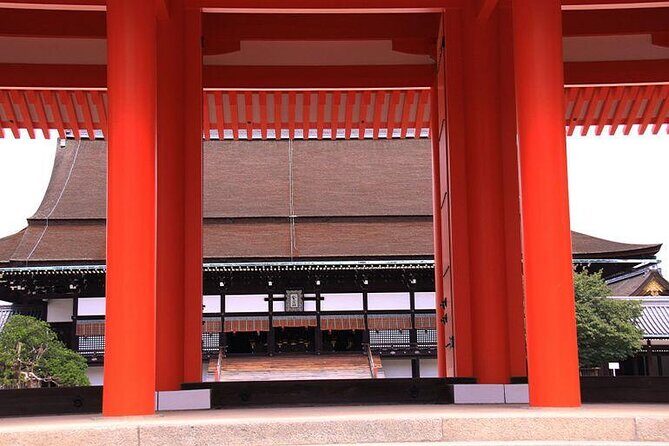
Kyoto Imperial Palace shifts the day into a different mood. This is where Japan’s Imperial Family lived in Kyoto until 1868, when the capital moved to Tokyo.
Why it’s a good pairing:
- it’s a break from temple crowds,
- it adds political and cultural context,
- it’s more about structured spaces and grounds.
Practical note:
- the schedule lists about 15 minutes,
- admission is not included.
Potential drawback:
- if you prefer dramatic temple architecture, this may feel more restrained.
Pontocho: evening-style alley vibes (even in daytime)
Pontocho is a narrow dining alley running between Shijo-dori and Sanjo-dori, one block west of the Kamogawa River. Even without a full evening out, it’s a memorable Kyoto flavor: restaurants, lantern-style charm, and a street that looks like it was made for stories.
Why it’s worth it:
- it’s atmospheric without needing big museum-style commitment,
- it’s an easy win between major sights.
Practical note:
- the schedule lists about 15 minutes,
- admission is Free.
Potential drawback:
- if you’re hungry, you may want to plan an actual meal rather than just sightseeing.
Higashiyama Ward: preserved old Kyoto vibes
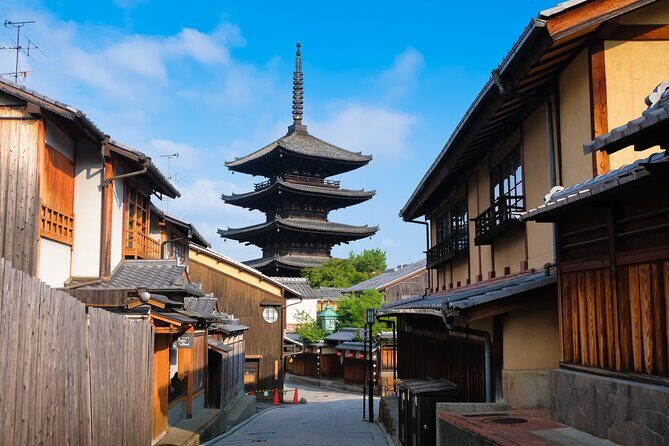
Higashiyama is one of Kyoto’s best-preserved historic districts, and it’s especially great if you want the feeling of old Kyoto—slopes, traditional streets, and classic scenery.
What you’ll feel:
- the district mood shifts from landmarks to neighborhood texture,
- walking here gives you context for why Kyoto’s temples are photographed the way they are.
Practical note:
- the schedule lists about 15 minutes,
- admission is Free.
Potential drawback:
- it can be walking-heavy depending on where you go.
Ginkakuji (Silver Pavilion): Zen restraint in visual form
Ginkakuji is a Zen temple built in 1482 as Ashikaga Yoshimasa’s retirement villa. Even though it’s called the Silver Pavilion, what you’re really seeing is restraint: a calm, refined atmosphere that contrasts sharply with the loudness of some other Kyoto icons.
Why it matters:
- it rounds out your Kyoto temple experience with a different feel,
- it’s a strong choice if you want a quieter stop.
Practical note:
- the schedule lists about 15 minutes,
- admission is not included in the provided details.
Potential drawback:
- the time window is short, so you’ll want to pick the most important viewing points your guide recommends.
Nanzenji Suirokaku: Zen temple grounds with long-stay calm
Nanzenji Temple is one of Japan’s important Zen temples. The Suirokaku area is known for its aqueduct-like structure, and it gives you something visually distinct from the typical pavilion-and-hall photo.
Why include it:
- it feels larger and calmer than smaller temple stops,
- it’s a nice break in the day where you can slow down a bit.
Practical note:
- schedule lists about 15 minutes,
- admission is not included.
Potential drawback:
- temple grounds can require walking between points, even if your scheduled time is brief.
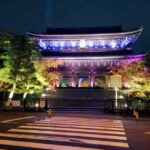
Tofuku-ji: a Zen stop with seasonal fame
Tofuku-ji is famous for autumn colors, but even outside peak season, it’s a strong Zen-temple choice if you want variety within Kyoto’s temple world.
Why it works:
- it expands your day beyond the absolute biggest names,
- it’s often easier to enjoy when your route isn’t overstuffed.
Practical note:
- schedule lists about 15 minutes,
- admission is not included.
Potential drawback:
- in peak seasons, you’ll still see crowds at major Kyoto highlights—route planning matters.
Toji: a Heian-era temple with classic appeal
Toji Temple is one of the notable temples founded after Kyoto became the capital. It’s listed as Free in the schedule details, which makes it a useful stop if you want to keep costs down.
Why it’s a smart option:
- it’s historically grounded,
- it gives you another temple experience without a big ticket price.
Practical note:
- schedule lists about 15 minutes,
- admission is listed as Free.
Potential drawback:
- since time is short, you’ll need your guide’s help to see the most meaningful parts quickly.
Kinkakuji (Golden Pavilion): Kyoto’s wow factor
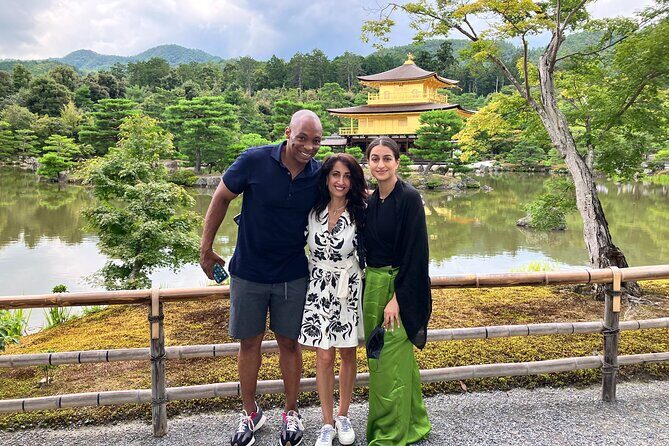
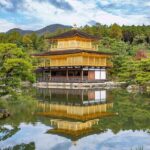
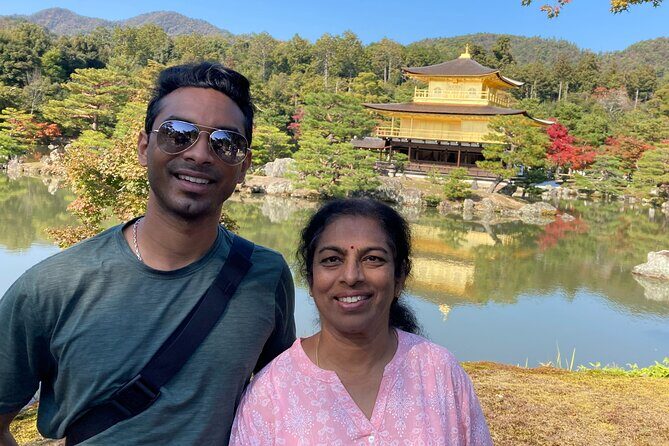
Kinkakuji is a Zen temple where the top floors are covered in gold leaf. It’s the kind of sight that turns into a literal instant memory, especially when light hits the pavilion and the pond reflections cooperate.
Why it’s worth prioritizing:
- it’s one of the most recognizable Kyoto images for a reason,
- a guided route helps you reach the best angles and keep your visit efficient.
Practical note:
- schedule lists about 15 minutes,
- admission is not included.
Potential drawback:
- it can be very crowded, including with school groups.
- your best experience will come from picking the right viewing timing your guide targets.
Ninnaji: World Heritage Zen calm
Ninnaji is a World Heritage-listed temple and the head temple of the Omuro School of the Shingon sect. It’s a strong choice if you want a temple stop that feels grounded and traditional.
Practical note:
- schedule lists about 15 minutes,
- admission is not included.
Potential drawback:
- it’s easy to under-appreciate if you’re rushing. Pick it only if your guide’s explanation and your route fit.
Shugakuin Imperial Villa: quiet, garden-and-villa Kyoto
Shugakuin Imperial Villa is managed by the Imperial Household Agency and includes Upper, Middle, and Lower Villa areas. This is the kind of stop that can feel calmer than the most crowded temple icons.
Why it’s appealing:
- it adds a more “garden and residence” side of Kyoto,
- it can be a welcome change if your day feels too temple-heavy.
Practical note:
- schedule lists about 15 minutes,
- admission is not included.
Potential drawback:
- villa-style stops can feel slow if your group prefers only the biggest spectacle points.
Ryoan-ji: Japan’s famous rock garden moment
Ryoan-ji is known for Japan’s rock garden. Even people who aren’t into garden design often remember this one, because it’s so associated with a specific, iconic visual.
Why it’s a standout:
- it’s a different kind of Kyoto beauty than shrines or gold pavilions,
- the experience is about attention, not scale.
Practical note:
- schedule lists about 15 minutes,
- admission is not included.
Potential drawback:
- it’s easy to feel the time pressure here. You’ll get the best value by focusing, not chasing every photo angle.
Arashiyama: west Kyoto nature and famous temple links
Arashiyama is a popular district in western Kyoto tied to the Heian-period love of scenic nature. In your car-and-guide day, it’s usually about making a short stop in the area and then connecting to the best temple anchor point.
Two listed options often pair well:
- Tenryu-ji Temple for Zen temple importance in Arashiyama
- Arashiyama itself for the district vibe
Practical note:
- Arashiyama is listed with about 15 minutes,
- Tenryu-ji is listed as about 15 minutes,
- both admissions are not included.
Potential drawback:
- the whole area is popular, so plan for crowds where the most photographed spots are.
Katsura Imperial Villa: elegant architecture and gardens
Katsura Imperial Villa is one of the finest examples of Japanese architecture and garden design, finished in its current form in 1645. It’s a more design-focused stop than a quick temple photo.
Why include it if you like design:
- it’s a different Kyoto lens,
- the architecture + garden approach makes the day feel more complete.
Practical note:
- schedule lists about 15 minutes,
- admission is not included.
Potential drawback:
- if your group wants only dramatic temples, you might find this more subtle.
Daikaku-ji and Tenryu-ji: Sagano temple options with different moods
Daikakuji was originally built as an Emperor Saga detached palace in the early 800s. It tends to feel more spacious and calm in the way larger temple sites do.
If you choose Tenryu-ji instead, you get the Arashiyama district’s most important Zen temple connection. Both are worth considering, depending on your group’s preference for palace-history vs Zen-teaching atmosphere.
Practical note:
- both are listed around 15 minutes,
- admissions are not included.
Potential drawback:
- you may not have room in 6 hours to do both with enough attention, so choose one.
Kennin-ji and Yoshimine-dera: smaller stops that can still be memorable
Kennin-ji Temple sits close to Hanamikoji and Shijo streets and includes dry landscape gardens. Yoshiminedera is a Tendai sect temple in the western mountains and is built along a slope.
Why include them:
- they can add variety without burning your time on the biggest crowd magnets,
- they may feel more local and less checklist-like.
Practical note:
- Kennin-ji is listed about 5 minutes,
- Yoshimine-dera is listed about 5 minutes,
- both have admission not included.
Potential drawback:
- because the time is short, your guide’s direction matters a lot.
Kurama and Kibune: mountain villages and shrine legends
These are the stops that change the character of your Kyoto day. Kibune is a forested valley town developed around Kifune Shrine, while Kurama is another northern mountain town known for Kurama-dera and a hot spring reference.
Why they’re interesting:
- they feel like a break from the city’s constant sightseeing energy,
- they give you a sense of Kyoto’s surrounding geography.
Practical note:
- the schedule lists each around 15 minutes,
- admissions are not included.
Potential drawback:
- if you only have one day, these can eat time. They make sense when your group wants nature more than more temple icons.
Choosing your perfect combo: my practical short list by traveler type
If you’re a first-timer who wants maximum Kyoto recognition in one day, consider this style:
- Fushimi Inari-taisha + Gion + Kiyomizu-dera + Kinkakuji
This mix hits shrine icons, old Kyoto neighborhoods, and the temple wow factor.
If your group prefers calmer, design-leaning sights:
- Ginkakuji + Ryoan-ji + Toji (Free) + Higashiyama Ward
If you want a “history and court” flavor:
- Nijo Castle + Kyoto Imperial Palace + Toji + one Zen temple (like Kinkakuji or Ninnaji)
And if you want a nature change of pace:
- Arashiyama + Tenryu-ji + Kurama or Kibune (choose one northern add-on)
Guide and driver quality: where your day can tip one way or the other
A private tour lives or dies with the guide. The strongest praise in the provided information points to guides who:
- tailor pacing for kids or family needs,
- offer options based on what makes sense at each stop,
- help with photo spots,
- and even help with extra planning beyond the strict time block.
Examples from the guide list include:
- Michi: praised for customizing and even helping find lunch food after the tour.
- Hiroko: praised for keeping up with two active boys and offering options.
- Yuka: praised for enthusiastic explanations and clear English.
- Olive: praised for strong English and a tailored plan, including popular sites like Kinkakuji and Fushimi Inari.
- Ken and Noriko: praised for flexibility, including route changes based on preferences and comfort needs.
There are also caution notes: one experience described the guide as not fully focused on preferences, and another said the itinerary felt stitched together. Your best move is to communicate your top priorities early and keep your must-sees to 3–4 items. That gives the guide room to do a real job.
Getting the most out of a private day: practical tips
- Decide in advance what you want most: gates and shrines, temple pavilions, markets, or garden-design Kyoto.
- Bring a small cash amount for temple/castle entry fees. The provided information explicitly suggests having cash for modest fees.
- Wear comfortable shoes. Even when stops are short, you’ll still walk uneven stone and handle stairs.
- Use the car time. Don’t let it become dead time. Ask your guide what to look for at the next site so you’re not just passing through.
Should you book this private Kyoto tour?
Book it if you want a smooth, guided highlights day with less stress and less navigation. It’s a great choice for couples and small families who want to see multiple Kyoto icons in one go without wrestling buses and transfers. The best value happens when you pick 3–4 sights that truly match your interests and you’re okay with a fast pace.
Skip it (or adjust your expectations) if you’re looking for long, slow temple wandering at every stop. Also, if your group can’t easily handle crowds at major sites, you’ll want to choose quieter combinations and rely on your guide to manage the flow.
If you do book, send your priorities clearly and keep your must-sees tight. That’s the formula that turns a private Kyoto car day from expensive transit into a genuinely satisfying day.
FAQ
How long is the private Kyoto tour?
The duration is listed as about 6 hours.
How many people can join the tour?
It’s a private tour, and the listing states a maximum of 15 persons.
What’s included in the price?
Included: a licensed local English-speaking guide, a private vehicle, and a customizable walking tour of your choice (3–4 sites from the provided selection). Pickup offered and mobile ticket are also included.
What isn’t included?
Entrance fees, lunch, and other personal expenses are not included.
Are all temple/castle entry fees included?
No. The provided stop details show some places as Free, while others list admission ticket as not included. For example, Fushimi Inari-taisha and Gion are listed as Free, while stops like Nijo Castle and Kinkakuji are not included.
Do I get to choose which places we visit?
Yes. The tour is described as flexible and personalized, with a choice from a list of places to visit.
Is hotel pickup and drop-off included?
Pickup is offered, and door-to-door hotel transfers are described as included.
Is the tour only for my group?
Yes. It’s a private tour/activity, and only your group will participate.
What’s the cancellation window?
Free cancellation is available up to 24 hours in advance for a full refund.