Kyoto feels huge until you walk it. This private local tour is built around a flexible route designed around you, not a rigid checklist. After a short questionnaire, your guide shapes the day to your interests and pace, so you can spend your hours where you’ll actually care most.
I especially like the mix of famous places with calmer corners—think Pontocho Alley and Kennin-ji—but with explanations that make them make sense. The main consideration: it’s a walking experience, and entry fees or food aren’t included, so comfy shoes and a little cash planning help a lot.
In This Review
- Key reasons this Kyoto walk works so well
- Private Kyoto, with a local host setting the tone
- How the 2–5 hour plan stays flexible (and why that’s smart)
- Pontocho Alley: the classic lane that feels timeless
- Kennin-ji: Zen temple art you’ll actually know how to read
- Gion, Hanami-koji, and Tatsumi Bridge: traditional streets with real structure
- Yasaka Shrine and Maruyama Park: the emotional switch from busy to serene
- Sannenzaka and Ninenzaka: old Kyoto streets for crafts and snacks
- Kiyomizu-dera and Otowa Waterfall: the views have a job here
- Fushimi Inari: torii gates, fox statues, and time-smart walking
- Ending with Kiyamachi Street: food and drink without the guesswork
- Guides, language, and the human touch that lifts the day
- Price and value: what $102 buys you in Kyoto
- Who this private Kyoto walk is best for
- Should you book this private Kyoto tour?
- FAQ
- How long is the private Kyoto tour?
- Is this tour private or shared?
- Where do we meet for the tour?
- Is pickup from my accommodation included?
- Is it mostly walking or does it include a vehicle?
- Are food, drinks, and temple entry fees included?
- How does the tour get personalized?
- Do I get to set the pace?
- What if I want to focus on specific highlights like Kiyomizu-dera or Fushimi Inari?
- Can I cancel for a full refund?
Key reasons this Kyoto walk works so well
- Pre-tour questionnaire: your must-sees and interests steer the route
- Private pacing: you can slow down for photos, questions, or a quieter street
- Temple art with context: you’re not just seeing buildings, you’re learning what to look for
- Off-the-main-route streets: Pontocho, Sannenzaka, and other older lanes add texture
- Local tips that save time: some guides help you plan how to move efficiently between sites
- Food and entry fees are optional: you choose together on the day, so you control the budget
Private Kyoto, with a local host setting the tone
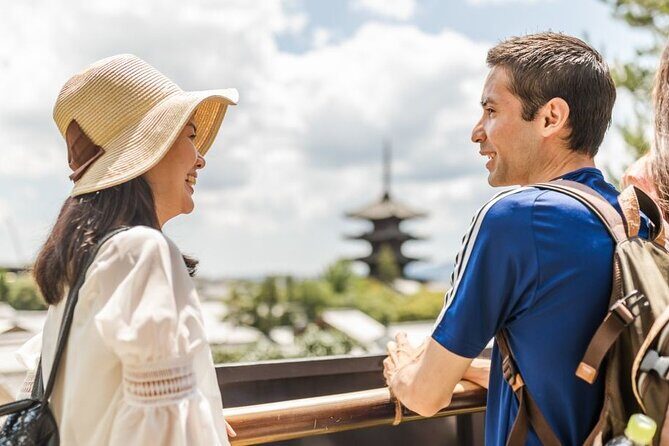
A big part of Kyoto is how much is happening underneath the surface. This tour leans into that. You’ll meet your guide at Starbucks Coffee – Kyoto Sanjo-ohashi Bridge (Nakagyo Ward, Nakajimacho). If pickup is available for your location, you can also meet at your accommodation or another central spot. Either way, the goal stays the same: get moving with someone who knows how neighborhoods actually feel.
You’ll get direct communication with your host before the experience, then a short online questionnaire after booking. That matters because Kyoto isn’t one-size-fits-all. Some days you’ll want shrines and ceremonies. Other days it’s about streets, crafts, and street-level life. Your route is meant to match your travel style and timing, whether you’ve got 2 hours or closer to 5.
The tour is private, so you’re not stuck with a one-way flow or with strangers deciding your pace. That’s why people book this approach when they have a tight schedule but still want Kyoto to feel personal.
You can also read our reviews of more private tours in Kyoto


How the 2–5 hour plan stays flexible (and why that’s smart)
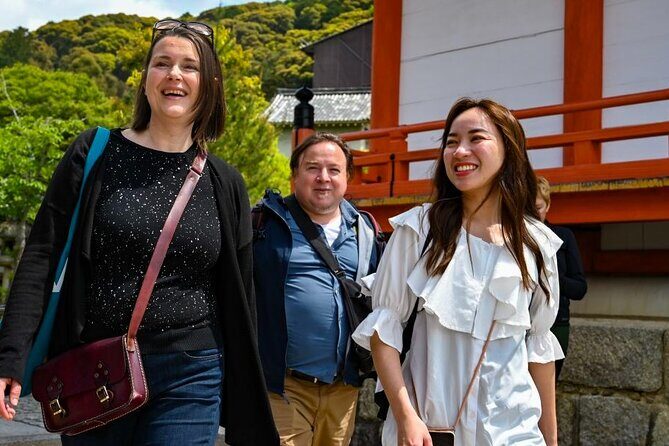
The duration is listed as 2 to 5 hours, and the itinerary is not fixed. Your guide adjusts as you go. That flexibility is practical in Kyoto because conditions change fast—crowds ebb and flow, and weather can turn your “perfect plan” into “let’s pivot.”
Here’s what you can expect from the structure:
- You’ll start at the agreed meeting point and end back there.
- You’ll mostly walk between stops, with public transportation or taxis used only when needed.
- You’ll pick food and entry fees together on the day, if you want them.
This setup is great if you’re traveling with kids, moving between hotel areas, or you just don’t want to feel rushed. It’s also ideal for first-timers. Even when you only hit a few sites, your guide can connect them so the city stops feeling like isolated postcards.
A small heads-up: since it’s walking-first, you’ll want shoes you trust on stone and slopes. If you’re planning a long day of sightseeing afterward, keep the day-after schedule light.
Pontocho Alley: the classic lane that feels timeless
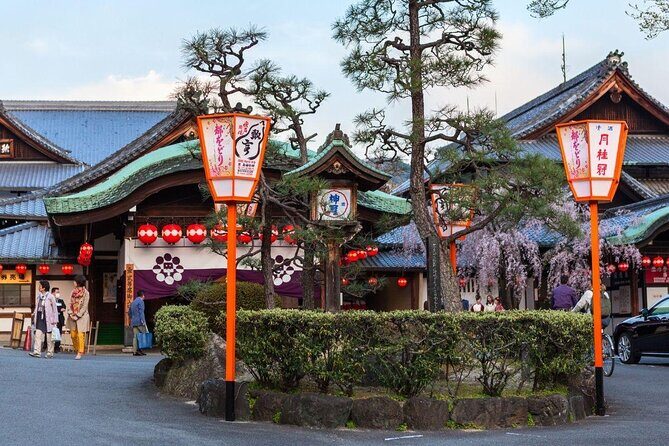
One stop that repeatedly earns love is Pontocho Alley. It’s known for being car-free, with a long, narrow shape that keeps things intimate. You’ll see traditional wooden storefronts and the kind of small restaurants where locals actually linger.
What makes this more than a photo stop is the way a good guide reads the street with you. Kyoto streets like this often look simple at a distance, but there’s meaning in the details: how the buildings face the river, how the lane frames movement, and how nightlife and tradition coexist in the same narrow space. Your host can also suggest when to wander—early vs. later—based on your interests.
If you care about atmosphere and small-scale Kyoto life, this is the kind of stop that changes your whole day. It gives you contrast after the big shrine and temple scenes.
Kennin-ji: Zen temple art you’ll actually know how to read
Next up is Kennin-ji, described as Kyoto’s oldest Zen temple. What you’re there for isn’t just the fact that it’s old—it’s the specific art details that are easy to miss without context.
You’ll focus on:
- the twin dragon mural
- gilded screens associated with the wind and thunder gods
These names sound dramatic, but the real value is what your guide helps you notice. Screens and murals in Zen spaces often point to ideas like power, discipline, and the spirit of nature—not just decoration. When you know what you’re looking at, the site becomes quieter in a good way: less checklist, more understanding.
One practical note: temples can feel crowded at certain hours. Because your day is private and paced by your guide, you’re better positioned to spend time where it feels calm.
Gion, Hanami-koji, and Tatsumi Bridge: traditional streets with real structure
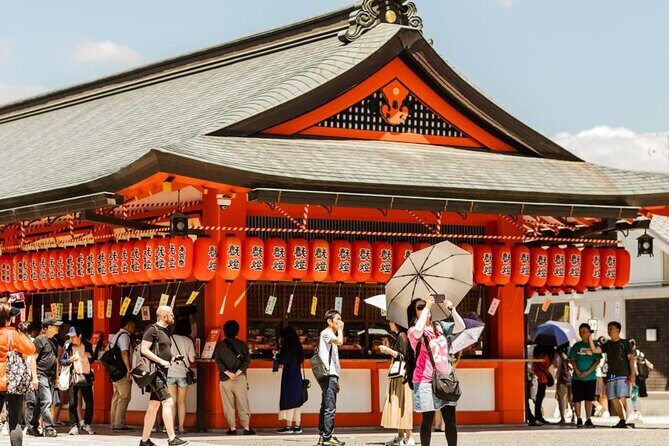
Then the tour slides into Gion, one of Kyoto’s best-known traditional districts. Even if you’ve seen photos, Gion is different up close—especially when you connect street names to how the area works.
Your route includes:
- Hanami-koji Street
- Tatsumi Bridge
- and a look toward Shimbashi’s elegant tea house area and wooden buildings
A great thing here is how your host can explain what you’re seeing. Gion’s streets are staged for visitors in many ways, but they’re also part of ongoing cultural life. Learning the basics—how districts like this fit into seasonal festivals and how tea culture ties in—helps you move through the area without feeling like you’re just walking past scenery.
If you’re curious about traditional culture, this stop is usually a highlight because you’ll understand the why, not just the what.

Yasaka Shrine and Maruyama Park: the emotional switch from busy to serene
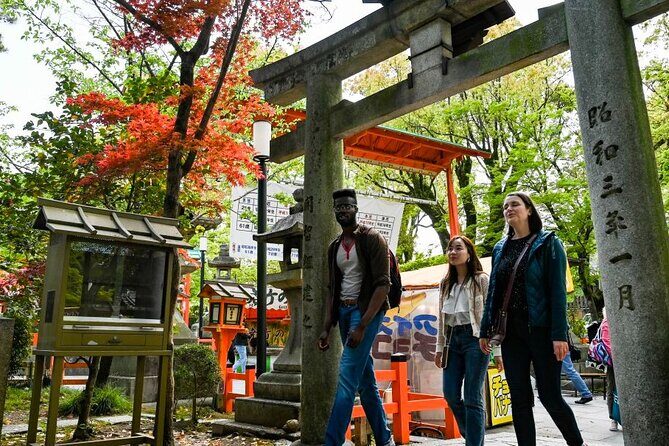
From Gion, you can add Yasaka Shrine, which is listed with a 1,350-year history and a connection to Gion Matsuri. Even when you don’t know the festival, a shrine with that kind of age has gravity. It feels less like a landmark and more like a living place with routines.
Your guide can also help you read the atmosphere: it’s often described as serene, and that contrast is useful after the louder streets nearby. If you’re trying to keep your day from turning into constant motion, Yasaka is a good reset.
Then there’s Maruyama Park for a breather. It’s a spot to slow down and take in Kyoto’s natural beauty. In spring, it’s famous for cherry blossoms, but it’s also a calm landscape choice year-round.
This pairing works well because it alternates energy: traditional street culture, then a spiritual pause, then a nature pause.
Sannenzaka and Ninenzaka: old Kyoto streets for crafts and snacks
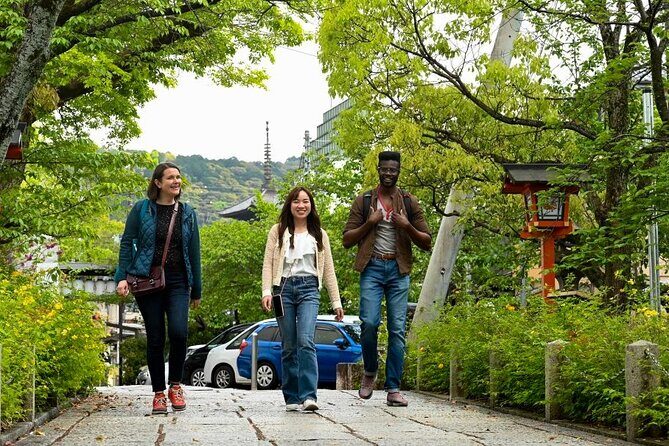
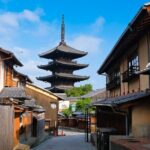
If you want more “everyday Kyoto,” Sannenzaka and Ninenzaka are where the city feels like it’s been walking forward for centuries. These lanes are described as having wooden buildings and traditional shops.
In practical terms, it’s a great place to:
- browse for crafts and pottery
- look for small local sweets
- slow down without committing to a sit-down meal
There’s a drawback to streets like these too: they can get busy depending on time of day. The benefit is that your guide can help you time the wandering and choose which shopfronts to linger at, so you spend less time pushing through crowds and more time enjoying what’s in front of you.
If you like souvenirs, this is one of the better areas to shop thoughtfully rather than just grabbing something generic.
Kiyomizu-dera and Otowa Waterfall: the views have a job here
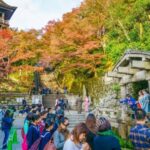
No Kyoto highlights day is complete without Kiyomizu-dera, and this tour treats it as more than a bucket list box. You’ll hear about the historic wooden stage and the Otowa Waterfall area.
Otowa Waterfall is tied to blessings associated with:
- longevity
- success
- love
Even if you’re not a shrine-or-temple expert, the meanings help you experience the site with more intention. It’s also a place where the architecture and the landscape matter. A guide can explain what to watch for so you don’t miss the visual beats that make Kiyomizu-dera famous.
Because the tour is flexible, you can spend more or less time on viewpoints based on your energy and crowd level. That’s one reason private formats score well in Kyoto: you can tailor the rhythm.
Fushimi Inari: torii gates, fox statues, and time-smart walking
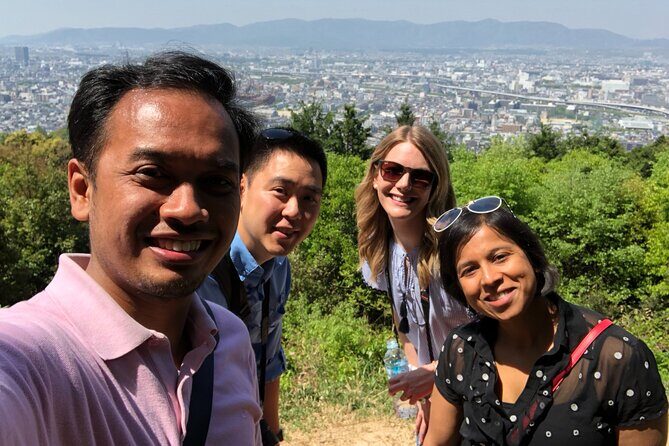
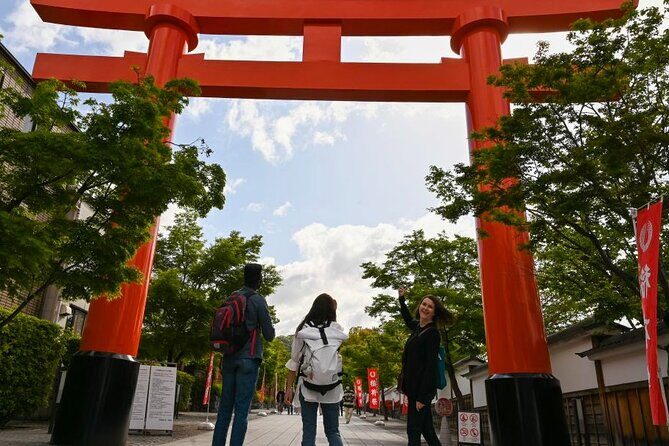
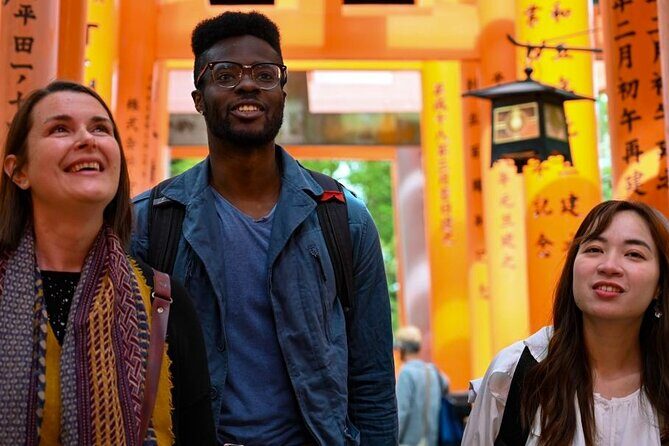
If you’re drawn to the red torii gates, this tour can include Fushimi Inari-taisha Shrine. It’s iconic for a reason, and you’ll also get practical guidance on how to approach it.
Your options during the visit can include:
- hiking partway for views
- admiring the fox statues
Here’s the real value: because your guide is tailoring the route, you’re less likely to feel like you have to do everything. Inari can swallow time fast, especially if you’re trying to walk deep into the trails. A local host can help you choose a length that matches your remaining tour time.
If you’re short on time, Fushimi Inari paired with Kiyomizu-dera is a classic “make it count” combo. Some guides even help plan movement so you don’t get stuck waiting as long as you might alone.
Ending with Kiyamachi Street: food and drink without the guesswork
To close, you might head to Kiyamachi Street, described as lively with bars, cozy cafes, and charming restaurants. It’s a smart finish because it’s less rigid than temples, and it’s a place where you can turn your day into an actual meal or a calm drink.
Your host can recommend a good spot based on your preferences—traditional meal vs. casual cafe vibe. This is especially useful if you’re tired of menus you can’t parse or restaurant areas where you’re not sure what’s worth stepping into.
It’s a nice way to land the day: you go from cultural sites and street history to a place where you can just enjoy Kyoto life.
Guides, language, and the human touch that lifts the day
One reason this tour gets such strong feedback is the way it feels like you’re walking with someone who truly cares. Guides mentioned in past tours include people like Amy, Alex, Kenta, Kokoro, Miki, Hiro, Emi, Milo, Ceci, Masaya, Afifa, Ada, and Kiyoto.
What you can take from that, even without knowing your exact host ahead of time:
- They tend to answer questions about culture and everyday life, not just facts.
- Many are good at keeping the day relaxed, even when you pack in major sites.
- Several guides are especially helpful with moving between areas using public transportation.
- Some also help with photos and video so you don’t end the day with blurry selfies and regrets.
If you want the day to feel like yours, use your questionnaire to be specific. Tell your guide what you’re excited about: temple art, shrine rituals, street shopping, festival connections, or just learning how neighborhoods work.
Price and value: what $102 buys you in Kyoto
At $102.03 per person, this tour isn’t a budget bargain, but it can be a strong value—especially if you’re comparing it to the cost of doing multiple paid entries, taxis, and tours on your own.
What you’re paying for:
- a private host (so you’re not sharing a guide with strangers)
- time-saving routing and pacing
- context that turns “I saw a thing” into “I understood the thing”
- flexibility to hit what you care about in your available hours
Because food, drinks, and entry fees aren’t included, you still control your spending. That can be good value if you want a simple day with snacks, or better value if your guide helps you choose one meal worth paying for.
If you’re the type who wants to “do Kyoto” efficiently, this price can feel fair. If you’re traveling super independently and hate walking with a schedule, you might not feel the value as much.
Who this private Kyoto walk is best for
This tour is a good match if:
- you’re visiting Kyoto for the first time and want orientation fast
- you care about both iconic sites and quieter street atmosphere
- you want a plan that adapts when your energy or interests change
- you’re traveling as a family and want a guide to keep things moving without rushing
- you’d like help with practical movement between neighborhoods
It’s also a smart choice if you have limited time but still want the day to feel structured. With a flexible 2–5 hour window, you can build a route around your priorities rather than cramming everything.
Should you book this private Kyoto tour?
Yes, if you want Kyoto with context and you like walking at a human pace. The biggest win is the combination of private flexibility plus a route that mixes major landmarks (Kennin-ji, Kiyomizu-dera, Fushimi Inari, Gion) with street life stops like Pontocho Alley and the older shopping lanes of Sannenzaka/Ninenzaka.
Book it if:
- you’ll actually use the questionnaire to shape your day
- you’re comfortable with walking and spontaneous route tweaks
- you want someone to explain what you’re seeing, not just point at it
Skip it if:
- you want a car-based loop with minimal walking
- you prefer to plan everything yourself and don’t want to pay for a guide’s time
If you’re on the fence, the best move is to pick your top 2–3 priorities (temples, streets, or rituals), then let your host build the rest around them. That’s where this tour tends to shine.
FAQ
How long is the private Kyoto tour?
The tour runs about 2 to 5 hours, depending on the route your host builds for your interests and pace.
Is this tour private or shared?
It’s private. Only your group participates.
Where do we meet for the tour?
The meeting point is Starbucks Coffee – Kyoto Sanjo-ohashi Bridge (Nakagyo Ward, Nakajimacho). The activity ends back at the meeting point.
Is pickup from my accommodation included?
Pickup is offered where accessible, and you may meet your host at your accommodation or a convenient central location.
Is it mostly walking or does it include a vehicle?
This is primarily a walking experience. A private vehicle is not included. Public transportation or local taxis may be used between sites, with costs discussed after booking.
Are food, drinks, and temple entry fees included?
No. Food, drinks, or entry fees are not included. If you want them, you choose together with your host on the day.
How does the tour get personalized?
After booking, you receive a short online questionnaire. Your guide uses your answers and reaches out directly to craft a customized itinerary.
Do I get to set the pace?
Yes. Pacing is flexible and the route adjusts as you go.
What if I want to focus on specific highlights like Kiyomizu-dera or Fushimi Inari?
Your itinerary can include major sites like Kiyomizu-dera and Fushimi Inari-taisha, plus neighborhood streets. Your guide can tailor the mix to your time and preferences.
Can I cancel for a full refund?
Free cancellation is available up to 24 hours in advance for a full refund. If you cancel less than 24 hours before the experience starts, the amount you paid is not refunded.