REVIEW · KYOTO
Kyoto 4hr Private Tour with Government-Licensed Guide
Book on Viator →Operated by Japan Guide Agency · Bookable on Viator
Kyoto in four hours needs a plan. This private tour gives you a licensed guide and lets you build a custom itinerary around the temples and neighborhoods you actually care about. I like that you’re not stuck following a fixed route, and I love how the guide turns each stop into a real story you can connect to the city. One drawback to plan for: it’s a walking tour with transport often handled by public transit or taxi, so you’ll want comfy shoes and realistic expectations about crowds.
You’ll meet your guide near your hotel for a front-door pickup on foot, then head out right away. In practice, the guides named in past tours—people like Yuri, Maya, Hiro-san, Tomy, Mizu, Yuka, Nabet, Seiko, and others—tend to focus on clear directions, practical context, and helping you choose the best time spots within your 4-hour window. If you upgrade to a private vehicle, that can reduce strain between farther locations, but the base experience is very much “Kyoto on the move.”
Because entrance fees and transport aren’t included, this tour is best when you’re strategic about which 2–3 places you pick. If you choose the right cluster of sites (east side together, or west side together), it feels like great value.
In This Review
- Key Things That Make This Tour Worth It
- A Custom Kyoto Day in 4 Hours (Without the Guesswork)
- The “2–3 sites” rule is the secret sauce
- Meeting Your Licensed Guide and Getting Around Fast
- Bring this mindset
- Your Main Stop Choices: How Each Area Changes the Day
- Fushimi Inari-taisha: The Torii Gates, Plus the Stories
- Nijo Castle: UNESCO, Power, and Design Details
- Gion: Geisha District Lanes Without the Panic
- Nishiki Market: Kyoto’s Kitchen in a Few Blocks
- Kiyomizu-dera: A Major Temple Visit with Guided Time
- Kyoto Imperial Palace: Court History in Calm Space
- Higashiyama Ward: Preserved Old Kyoto Feel
- Ginkakuji (Silver Pavilion) and the Zen Mood
- Nanzenji Suirokaku: Big Grounds, Zen Importance
- Toji and Tofuku-ji: Pick Them for Specific Interests
- Kinkakuji (Golden Pavilion): The Icon With a Ticket Reality
- Arashiyama: Bamboo, Bridge Views, and a Slower Kind of Crowds
- If you want a quieter north Kyoto flavor: Kurama and Kibune
- Kennin-ji and Byodoin (Uji): Add them only if they fit your theme
- What the Walking Pace Feels Like (and How to Avoid Day-ruiners)
- Price and Logistics: Is $109.43 a Good Deal?
- Who This Tour Fits Best (and Who Might Prefer DIY)
- Should You Book This Kyoto 4-Hour Private Tour?
- FAQ
- How long is the Kyoto private tour?
- Is this tour private?
- Do I get hotel pickup?
- Can I choose which sights to visit?
- Are entrance fees included?
- How do we travel between stops?
- Does the guide speak English?
- What’s included in the tour price?
- Can I cancel and get a refund?
Key Things That Make This Tour Worth It
- Nationally licensed English-speaking guide who explains what you’re seeing, not just where it is
- Choose 2–3 sites instead of one-size-fits-all sightseeing
- Foot pickup + smart transit using walking, public transportation, or taxi as needed
- Highly flexible pacing for families, photo stops, and real-world timing
- Entrance fees and transport not included, so budget yen for tickets and rides
- Private format means it’s only your group, not mixed with strangers
A Custom Kyoto Day in 4 Hours (Without the Guesswork)
Kyoto is the kind of city where you can walk for hours and still feel like you’re just collecting photos. This 4-hour private tour is built for the opposite mood: pick a few places, see them well, and leave with understanding.
The big win is that you choose your targets from a menu of major heritage stops—everything from Fushimi Inari’s torii gates to Gion’s lanes, to the temple complexes around Higashiyama and Arashiyama. You’re not stuck with a rigid route, and that matters because Kyoto rewards focus. If you love shrines, you’ll spend time where the details are. If you care more about gardens and Zen, your order will reflect that.
Also, the tour is designed around being practical. You’ll move like a local using trains, buses, or taxis. And because it’s private, your guide can adjust when you hit crowds or when your group needs a breather.
You can also read our reviews of more guided tours in Kyoto

The “2–3 sites” rule is the secret sauce
In a city with dozens of famous stops, 2–3 sites can sound limiting. But it’s the reason the experience works. You’ll spend less time figuring out transit and more time learning how each place connects to Kyoto’s history—plus you won’t feel like you’re constantly sprinting to the next ticket gate.
Meeting Your Licensed Guide and Getting Around Fast
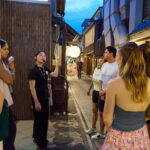
This tour starts with a practical meet-up: your guide meets you on foot within a designated area, and pickup is offered right from your hotel front door by walking. From there, you’re not just handed a map—you’re guided.
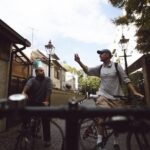
One thing I really like about guides who do this well is how they handle the “micro-problems” that ruin a self-guided day: translating what’s on signs, pointing out what to look for once you’re at the entrance, and choosing the smoothest route between stops. In past tours, guides such as Mizu have brought helpful materials, and others like Tomy and Junko have helped guests use subway and bus options without getting lost.
A simple but important detail: you can stick with public transportation and taxis, or upgrade for a private vehicle. That upgrade isn’t about luxury for its own sake. It’s about time and comfort—especially if you’re bouncing between far-apart neighborhoods or navigating lots of stairs and slopes.
Bring this mindset
You’re planning for walking. Even when taxis happen, Kyoto’s best scenes are often a few minutes farther on foot. If you’re the type who loves to wander, you’ll be happy. If you expect everything to be flat and close together, adjust your plan.
Your Main Stop Choices: How Each Area Changes the Day
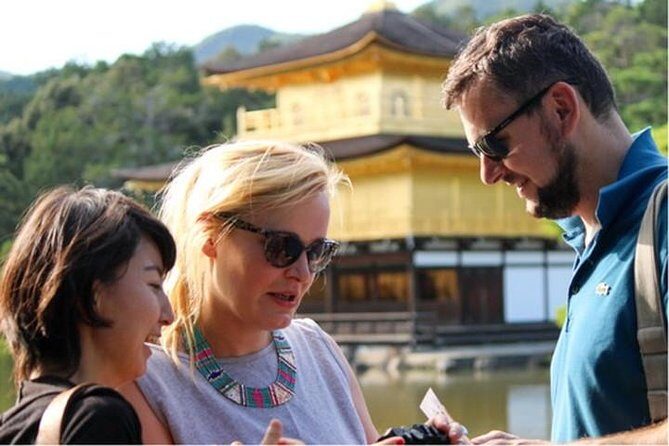
Even though your final itinerary is up to you, Kyoto sightseeing tends to group naturally by geography. Here’s how the major options tend to feel, and what to consider before you choose your 2–3 stops.
You can also read our reviews of more private tours in Kyoto


Fushimi Inari-taisha: The Torii Gates, Plus the Stories
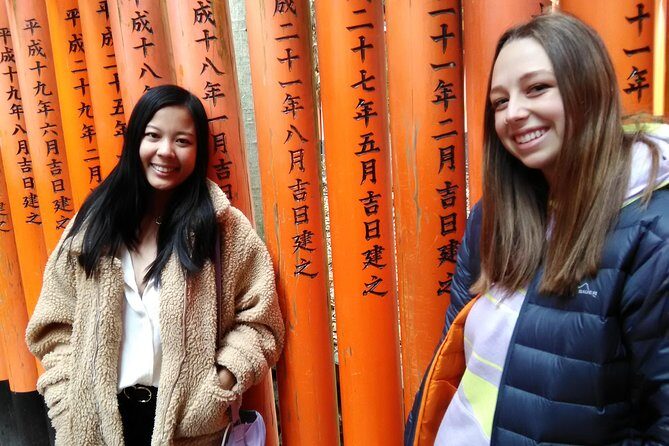
Fushimi Inari-taisha is the headline for a reason. You’ll walk through vermillion-red torii gates that create those famous tunnel views. But what makes this stop special on a guided visit is context—there’s far more to it than the photo corridor.
This is also the stop where crowds can hit hardest. One tip that comes up again and again in how people enjoy this tour: start early when you can. The tour format helps because your guide can plan the order within your 4 hours, and you’re not just arriving whenever the group tour bus rolls in.
If you love atmosphere and symbols, this is usually a great first pick. Plan for walking and a steady climb.
Nijo Castle: UNESCO, Power, and Design Details
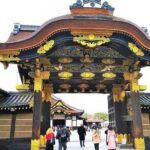
Nijo Castle is a UNESCO site built in 1603 as the Kyoto residence of Tokugawa Ieyasu, the first shogun of the Edo period. That background is exactly why this stop works well with a guide—you’re not just looking at buildings, you’re seeing a political statement in architecture.
It’s also a place where pacing matters. You’ll want time to look carefully, so choose it when you’re confident you can fit it alongside one or two other priorities.
Admission is not included, so budget for tickets.
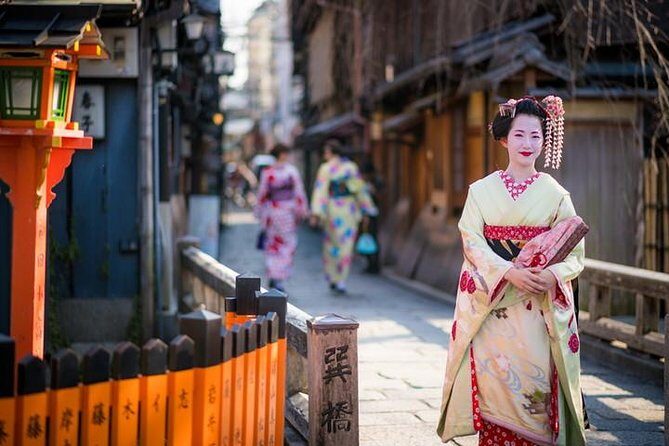
Gion: Geisha District Lanes Without the Panic
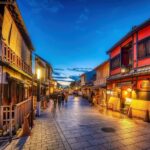
Gion can be intimidating for first-timers—narrow alleyways, busy streets nearby, and a lot of people moving in every direction. With a guide, you get two benefits: you don’t waste time turning the wrong way, and you get explanations for the rituals and the way the district functions.
Gion is a strong pick if you want “old Kyoto” vibes in a compact area. Plus, it often pairs nicely with food and market time later the same day.
Nishiki Market: Kyoto’s Kitchen in a Few Blocks
Nishiki Market is narrow and about five blocks long, lined with 100+ shops and restaurants. People often describe it as Kyoto’s kitchen, and it lives up to the name.
The smart move here is to treat it like a tasting corridor rather than a shopping marathon. Your guide can help point you toward what fits your preferences—snacks, ingredients, and small bites—while you keep moving through the lanes.
Admission is free, which makes it an easy add-on when you want something lively but not ticket-heavy.
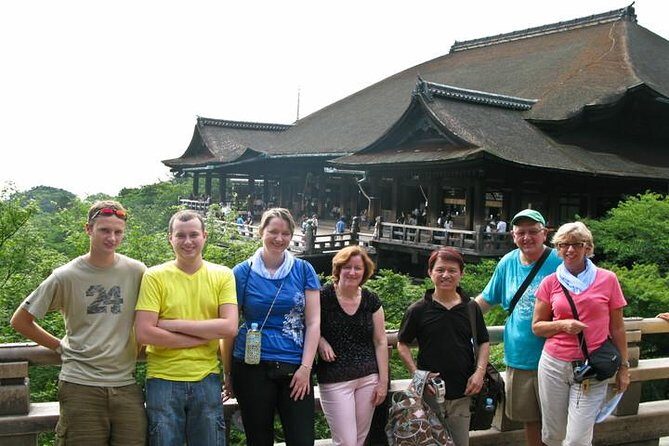
Kiyomizu-dera: A Major Temple Visit with Guided Time
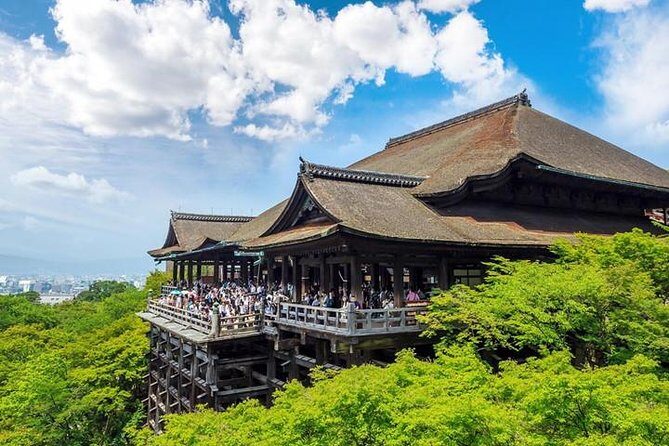
Kiyomizu-dera is one of Kyoto’s most popular temples, and it’s also a place where a guided visit can save you from missing what matters. On this kind of guided outing, you can expect a focused temple-ground experience; the tour time planning often treats it as a key “anchor” stop.
Admission is not included, so budget for tickets. If your group is temple-first, it’s a natural pick.
Kyoto Imperial Palace: Court History in Calm Space
The Kyoto Imperial Palace was the residence of Japan’s Imperial Family until 1868, when the emperor and capital moved to Tokyo. The grounds are spacious, and this is a good choice when you want history that feels less like a street maze and more like a formal setting.
Admission is not included, so build it into your ticket budget.
Higashiyama Ward: Preserved Old Kyoto Feel
Higashiyama is one of the best-preserved historic districts along the lower slopes of Kyoto’s eastern mountains. This area tends to feel like Kyoto’s “postcard timeline,” especially if you’re walking between temples and lanes.
Because it’s a district, it’s also a great place to blend sights with walking. It’s the kind of pick that helps you slow down without wasting your 4 hours.
Ginkakuji (Silver Pavilion) and the Zen Mood
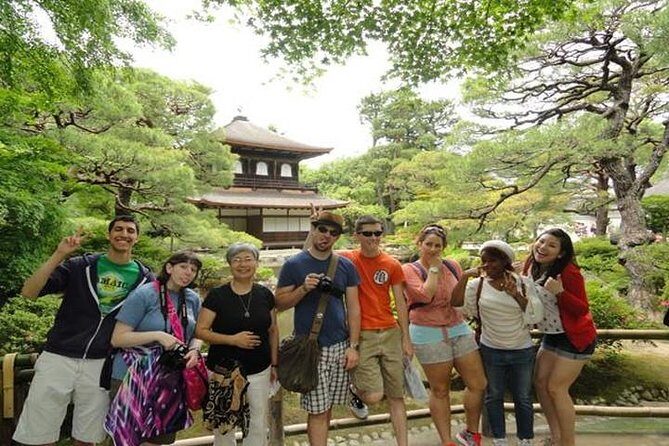
Ginkakuji is a Zen temple along the eastern mountains, associated with shogun Ashikaga Yoshimasa’s retirement villa idea. If you like refined garden-temple aesthetics and quiet detail, it’s a strong choice.
Admission is not included. Also, it’s not usually the kind of stop where you want to rush. If you’re choosing it, make sure it’s one of your “big 2–3,” not a last-minute squeeze.
Nanzenji Suirokaku: Big Grounds, Zen Importance
Nanzenji Temple is a major Zen site in Japan, with spacious grounds at the base of Higashiyama mountains. Nanzenji Suirokaku is often paired with it in guided schedules because it adds visual interest and a sense of scale.
Admission is not included. This is a great pick when you want a break from shopping lanes and want “temple space.”
Toji and Tofuku-ji: Pick Them for Specific Interests
Toji is “East Temple” founded around the time the capital moved to Kyoto. Tofuku-ji is especially noted for dramatic autumn colors.
These can work really well if you care about a particular era or you’re visiting in a season when the site is at its best. Otherwise, they can be harder to justify within 2–3 stops unless you’re genuinely excited about them.
Admission is not included for Tofuku-ji in the tour list you’re selecting from. Toji may be admission-free on the tour menu.
Kinkakuji (Golden Pavilion): The Icon With a Ticket Reality
Kinkakuji is famous for top floors covered in gold leaf. It’s also connected to Ashikaga Yoshimasa’s retirement villa. This stop is visually immediate, which is why it works well in a short private itinerary.
Admission is not included. Choose it if it’s on your must-see list, because it’s easy to spend too long there without realizing it.
Arashiyama: Bamboo, Bridge Views, and a Slower Kind of Crowds
Arashiyama is popular for a reason, and it’s a different Kyoto energy than Higashiyama. You’re in western Kyoto, with the famous bamboo groves and a temple cluster nearby.
If you pick Arashiyama as one of your 2–3 stops, your experience can feel like: walk a bit, pause more often, and take in views rather than ticking off another ticket line.
Togetsukyo Bridge: Moon Crossing Views
The Togetsukyo Bridge is Arashiyama’s iconic landmark, originally from the Heian period and reconstructed in the 1930s. Even if you only spend a short time here, the setting tends to make it feel like a “Kyoto moment,” not just an address.
Bamboo grove paths: best when the weather cooperates
The walking paths through the bamboo groves make for a nice slow stroll or bike ride, especially when there’s a light wind and the bamboo sway. This is a “stay present” stop.
Tenryu-ji: One of Arashiyama’s anchor temples
Tenryu-ji is ranked among Kyoto’s five great Zen temples and is registered as a world heritage site. It’s the kind of stop that gives Arashiyama depth beyond scenery.
Admission is not included.
Okochi Sanso Garden: Gardens Inside the Bamboo Area
Okochi Sanso is the former villa of actor Okochi Denjiro, with gardens and buildings in the back of Arashiyama’s bamboo groves. If you like gardens and architecture details, this is a strong add-on—though admission is not included.
Ryoan-ji: The rock garden stop (and a timing test)
Ryoan-ji is known for Japan’s most famous rock garden. The challenge is that it can be a “slow look” stop, and within 4 hours you’ll want to plan how it fits with travel time.
Admission is not included.
If you want a quieter north Kyoto flavor: Kurama and Kibune
Kurama and Kibune are in the northern mountains, less than an hour from the city center. They’re a different side of Kyoto: forested valleys, shrine legends, and a calmer rhythm.
The tour options include Kurama-dera and Kibune River areas. Admission is not included for these. This is a great theme if your group wants nature over big crowds, but it can be harder to fit if you also want multiple classic central sights.
Kennin-ji and Byodoin (Uji): Add them only if they fit your theme
Kennin-ji is near Hanamikoji and Shijo streets and has dry landscape gardens. It’s a good choice if you want temple grounding near the action.
Byodoin Temple in Uji is known for the Phoenix Hall, a national treasure and UNESCO World Heritage site. The tour list also notes extra travel time because it’s outside Kyoto city proper. That means it’s a “plan for it” pick, not an accidental swap.
Admission is not included for both of these stops on the tour menu you’d be choosing from.
What the Walking Pace Feels Like (and How to Avoid Day-ruiners)
This is a walking tour with pickup on foot. Even when you use trains or taxis, you’ll still walk between entrances, down lanes, and around temple grounds.
That’s why I keep repeating one simple rule: wear shoes that can take hills, not cute shoes that can take photos. In past experiences with this format, people commonly crack over 20,000 steps, so plan like it’s a day hike—minus the backpack.
If rain hits, a good guide can still keep the schedule moving. You might find the day includes taxis for timing and comfort if your group needs it.
And yes: some sights are free to visit in certain ways (like Gion and market walking), while others require tickets. Entrance fees and transportation fees are not included, so you’ll want cash on hand and an honest count of ticket costs before you start.
Price and Logistics: Is $109.43 a Good Deal?
At $109.43 per person for a 4-hour private tour, you’re paying for two things you can’t reliably buy on your own: a licensed guide and private pacing. It’s not just “someone walking with you.” It’s a guide who helps you pick the right stops, explain them, and handle transit choices so your time doesn’t disappear.
Here’s the balanced view:
- The tour price is more value than it looks if you’re selecting 2–3 major sites you’d otherwise spend extra time researching.
- You still pay entrance fees and transportation fees, depending on which stops you choose.
- If you’re trying to cram in too many must-sees, you’ll feel the limits of a 4-hour window.
Where this tour shines is first-timers who don’t want Kyoto to become a navigation project. You show up, pick your priorities, and your guide helps you get there with fewer wrong turns and more meaning per step.
Who This Tour Fits Best (and Who Might Prefer DIY)
This works especially well if you’re:
- Visiting Kyoto for the first time and want a smart start
- Short on time and want 2–3 big sights handled well
- Interested in temple and neighborhood context, not just checklists
- Traveling with family members who benefit from flexible timing (like taxi breaks when needed)
It might be less ideal if:
- You need fully barrier-free movement (it’s a walking tour)
- You’re hoping for a long list of sights without ticket budgeting
On the other hand, service animals are allowed, and the experience is set up so most people can participate—just plan for walking.
Should You Book This Kyoto 4-Hour Private Tour?
If you want a smooth Kyoto “starter chapter,” I’d book it. The combination of a nationally licensed guide, your ability to choose 2–3 sites, and the practical movement (walking plus transit/taxi) makes it a strong value—especially when entrance fees are manageable and you pick your stops wisely.
If your dream day is more like wandering with no structure at all, you might get more out of self-guided exploring. But if you want the classic Kyoto icons plus clearer connections between them, this private format is one of the fastest ways to turn time into understanding.
FAQ
How long is the Kyoto private tour?
It’s about 4 hours.
Is this tour private?
Yes. Only your group participates.
Do I get hotel pickup?
Pickup is offered on foot. You’ll meet your guide within a designated area of Kyoto, including a front-door pickup on foot.
Can I choose which sights to visit?
Yes. You build your own itinerary by choosing 2–3 sites from the available options.
Are entrance fees included?
No. Entrance fees are not included, and transportation fees are also not included.
How do we travel between stops?
The tour is a walking tour, and travel is done by public transportation or taxi. There’s also an upgrade option to arrange a private vehicle for an additional cost.
Does the guide speak English?
Yes. The guide is a local English-speaking, nationally licensed guide.
What’s included in the tour price?
You get a licensed local English-speaking guide, a customizable tour of 2–3 sites, and the meet-up on foot in Kyoto.
Can I cancel and get a refund?
Yes. Free cancellation is allowed up to 24 hours in advance for a full refund.