REVIEW · TOKYO
Tokyo’s Scariest Shitamachi Ghost Tour
Book on Viator →Operated by Tokiotours · Bookable on Viator
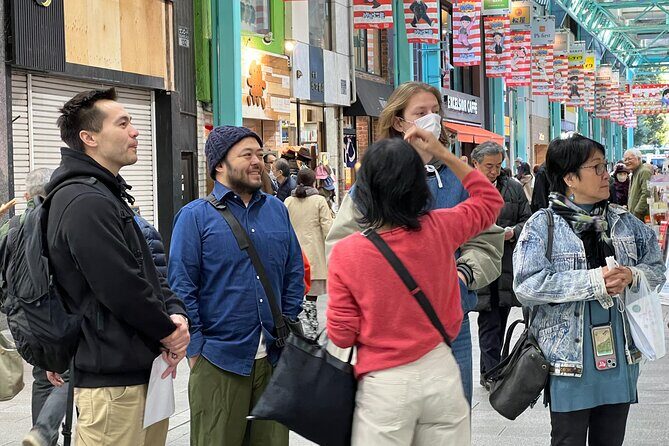
A good ghost story in Tokyo starts before you even see it. This nighttime Shitamachi tour strings together real folklore, dark local traditions, and reported hauntings across three distinct neighborhoods. What I like most is the small-group feel, capped at 8 people, so your guide can pace the walk and tailor the scares to the room.
I also like that it’s not just spooky for spooky’s sake. You’ll hit shrines and worship sites tied to tragic pasts, and you’ll learn how people historically responded to things they feared. The main drawback to weigh is the experience is walking-heavy and the “ghost” side may feel more like grim folklore and culture than nonstop supernatural jump-scares.
In This Review
- Key highlights that make this tour worth your attention
- Is $114.95 a fair deal for a “Scariest Ghost Tour”?
- The tone: grim folklore, not guaranteed jump-scares
- Starting point at Tokyo Station: easy to find, right for an evening start
- Stop 1: Otemachi shrine and the rule about not turning your back
- Stop 2: Minamisenju worship sites, tragic pasts, and reported hauntings
- Stop 3: Asakusa at night—Sensoji, Old Hag’s Pond, and Kappabashi
- Walking pace: 3 hours that can feel like more
- Guides make the difference: from Joris to Maik to Frank (and more)
- Snacks and transit: small details that prevent big annoyances
- Family-friendly option: how to decide if it fits your group
- Who should book this Shitamachi ghost tour?
- Should you book Tokyo’s Scariest Shitamachi Ghost Tour?
- FAQ
- How long is the Tokyo’s Shitamachi ghost tour?
- Where do I meet for the tour?
- Where does the tour end?
- What does the tour price include?
- Is public transportation included?
- Is the tour family-friendly?
- How big is the group?
- What is the cancellation policy?
- Is there confirmation after booking?
Key highlights that make this tour worth your attention
- Small-group size (max 8): You get a quieter, more personal night walk through the backstreets of Tokyo.
- Three-area route: Otemachi shrine stop, Minamisenju worship sites, then Asakusa around Sensoji and the Old Hag’s Pond area.
- Snacks included: Since the tour runs around dinner time, you’ll receive one local snack during the walk.
- Real shrine and temple settings: The stories land better because you’re standing in places tied to long-held beliefs and local rituals.
- Family-friendly option: The tour can be geared to be suitable for families, so you’re not locked into an adult-only vibe.
- Bring cash for transit: Public transportation fees are extra (about 400 yen per person), so you’ll want yen ready.
Is $114.95 a fair deal for a “Scariest Ghost Tour”?
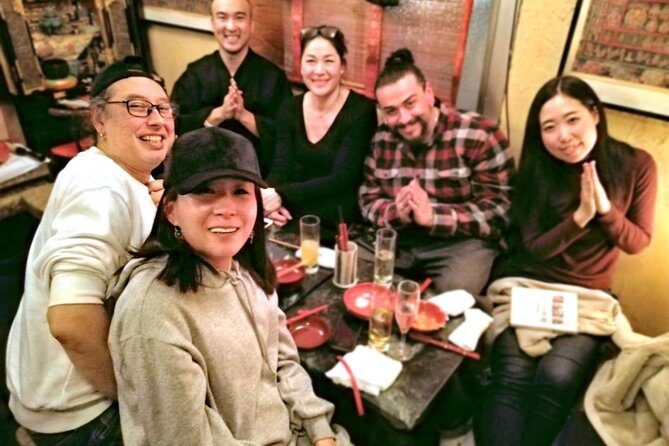
At $114.95 per person for about 3 hours, this is not a bargain-bin activity. You’re paying for (1) a guide who can translate Japanese folklore and local customs into clear English, (2) a route built around specific shrine/temple areas, and (3) the fact it’s small-group rather than a crowded bus-and-souvenir model. In Tokyo, that combination tends to cost.
What helps the value is that several stops don’t add admission fees—you’ll move through important sites where entry is free, and you get a snack so you’re not stuck hungry while the tour is running past dinner time.
Here’s the trade-off: if you’re expecting a nonstop barrage of ghost encounters—voices in the dark, dramatic supernatural moments every few minutes—you might feel slightly disappointed. The experience is more “Tokyo dark past” than “movie-style haunting.” That doesn’t make it bad, but it changes who it’s best for.
You can also read our reviews of more tours and experiences in Tokyo.



The tone: grim folklore, not guaranteed jump-scares
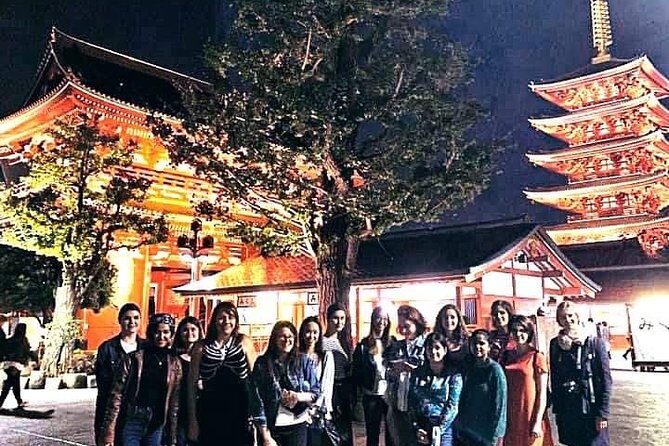
The title sells fear, but the way the tour works is different. The stories focus on true and folklore accounts tied to places, including paranormal reports and the kind of vengeful spirit lore people still treat seriously in some areas. In practice, that often means you’ll get a mix: haunting-themed storytelling plus context about local beliefs and what people did to cope.
I like that approach because it gives the tour a backbone. The spooky parts feel grounded, not random. And since you’re walking through real neighborhoods after dark—Asakusa’s Shitamachi district—the atmosphere does the heavy lifting.
Just know what you’re buying. Some people want more pure ghost content. If you’re one of them, go in with flexible expectations and focus on the locations first. The stories tend to land best when you’re ready to learn how Tokyoto tradition and fear intertwine.
Starting point at Tokyo Station: easy to find, right for an evening start
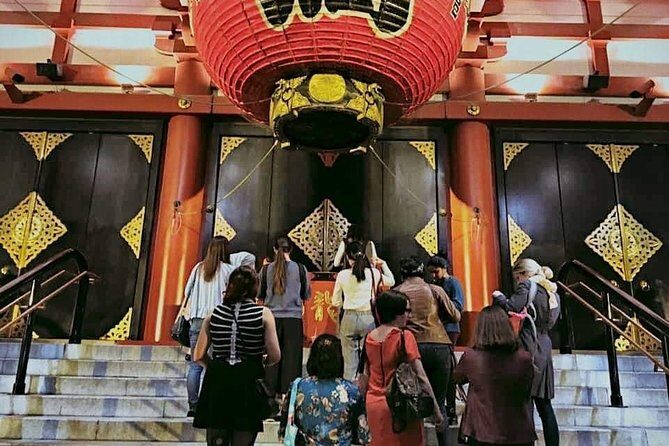
The tour starts at Yamato Transport Tokyo Station Marunouchi North Exit Baggage Service Counter (6:00 pm). That’s a helpful setup because it’s a major landmark. If you’re arriving to Tokyo Station that day, you can get your bearings fast and avoid a scramble.
Also, starting in Marunouchi means you transition from business Tokyo to the older, moodier streets quickly. You’re basically moving from bright, official Tokyo into the kind of backstreet atmosphere that makes ghost stories feel believable.
If you’re coming from somewhere else, plan your arrival so you’re not rushing. Night tours feel longer when you’re stressed.
Stop 1: Otemachi shrine and the rule about not turning your back

The first stop is in Otemachi, around a shrine where the local belief is tied to a spirit that lingers in the area. Your guide will explain why people still treat the shrine with caution—specifically the kind of body-language rule that comes with superstition.
This is short—about 20 minutes—but it sets the theme. The best ghost tours don’t just throw facts at you. They teach you how to behave in the space so the story feels real.
Practical note: you’ll want to pay attention here because you’re learning the “logic” of the tour’s storytelling. Once you understand how the guide frames fear—vengeful spirit lore, respect rituals, local etiquette—you’ll enjoy the later stops more.
Stop 2: Minamisenju worship sites, tragic pasts, and reported hauntings
Next is Minamisenju for about 40 minutes. This stretch is the tour’s “heavier” section in terms of emotion. You’ll visit multiple worship spots, including two separate places of worship with a tragic history, plus locations where there are reports of paranormal activity.
The value of this stop is how it connects place to memory. Japanese ghost tales often aren’t only about monsters. They’re about unresolved pain—grief, injustice, or what happens when communities believe something hasn’t been properly dealt with.
Possible drawback: this portion is not designed like a haunted-house ride. You’re standing and listening, then walking on. If you need constant action, you may find yourself wanting more “supernatural moments” than the guide provides.
On the other hand, if you like stories that explain why the fear exists, this is where the tour can feel especially effective.






Stop 3: Asakusa at night—Sensoji, Old Hag’s Pond, and Kappabashi
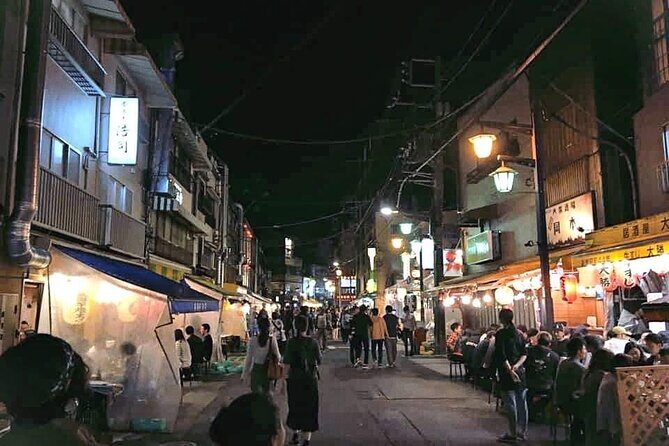
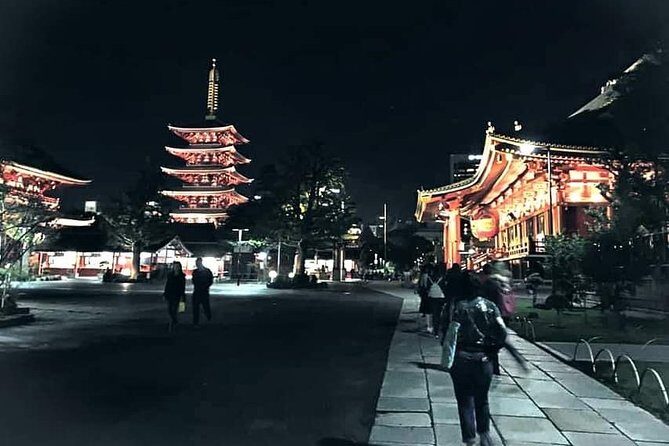
The finale is the Asakusa area for about 1 hour 20 minutes, and it’s where the tour turns scenic and atmospheric. You’ll cover several famous-feeling elements—like a viewpoint, the Sensoji temple, the streets around Sensoji, and landmarks like the Old Hag’s Pond and Kappabashi (the crafts/tool shopping street area).
This is also where the “Shitamachi vibe” clicks. Even if you’re not a hardcore folklore fan, you’ll still enjoy the neighborhood texture: old-street energy, temple illumination, and the sense that the city has layers.
If you’re taking photos, this is your best window. Just remember that night walking means you’ll be moving—so don’t plan on perfect tripod setups.
One more practical detail: the tour ends in Asakusa at 1-chōme-2-35. Your guide can drop you off near a restaurant/bar in the area or at the metro station entrance, depending on what you prefer. That flexibility is handy because it makes it easier to keep your evening going without extra subway planning.
Walking pace: 3 hours that can feel like more
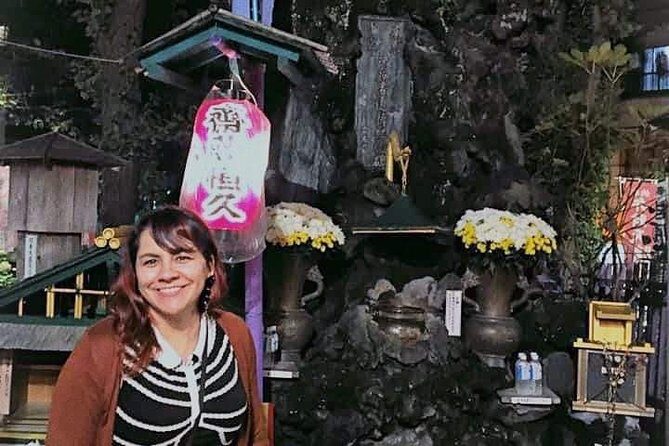
A common theme in the experience is that it’s a real walk. You’ll cover several areas, and the tour has a true evening rhythm—meeting at Tokyo Station, then heading into darker, older neighborhoods.
That matters because comfort becomes part of the “scare.” If your feet hurt, you won’t enjoy the mood. Wear comfortable sneakers. Bring water if you run warm. If you need breaks, be prepared that the tour format is mostly continuous walking with story stops, rather than long sitting breaks.
If you want a ghost tour with lots of rest, this probably isn’t it. But if you like seeing Tokyo on foot at night and don’t mind a steady pace, the walk is part of the fun.
Guides make the difference: from Joris to Maik to Frank (and more)
The tour shines when your guide keeps both story and pacing in sync. The guides are central to the experience, and the English quality is a big part of what makes the folklore land.
Names that come up repeatedly include Joris, Maik, Frank (and sometimes Mike), plus guides like Haruka, Melissa, and even hosts mentioned as Aaron and Aiden. The pattern is consistent: good guides mix local context with creepy details and keep the conversation moving so you’re not just standing there in silence.
If you’re sensitive to “too much darkness,” pay attention to how your guide frames the stories. Some versions of the tour can feel more intense because they focus on tragedy and spirit-appeasement customs. Others keep the tone lighter with humor and pacing.
This is also why small groups matter: you’re less likely to lose the thread of the story when the tour isn’t packed.
Snacks and transit: small details that prevent big annoyances
You’ll get one local snack during the tour. Since it’s an evening slot, this is a smart inclusion. It’s also a hint: eat before you arrive if you know you get hungry. The snack is meant as a quick boost, not a full meal replacement.
For transportation, you need to budget extra. Public transport fees are not included, and the cost is around 400 yen per person during the tour. Bring cash so you’re not stuck asking around while the group moves.
Also, because this is a near-public-transport route and starts at Tokyo Station, it’s not hard to rejoin transit later if you need to. Still, the cleaner experience comes from having the yen ready before you leave the meeting point.
Family-friendly option: how to decide if it fits your group
The tour can be family-friendly, which means it’s not strictly a “scary adults only” outing. That said, it’s still dealing with tragic stories and spirit lore, so the tone could feel intense to younger kids depending on their sensitivity.
If you’re traveling with families, I’d treat this as a chance to teach culture through storytelling. The shrine and temple settings make it more educational than sensational. Pick it if your kids can handle spooky stories in a controlled, guided way.
If you’re bringing a very sensitive child who hates scary themes, you might be better off choosing a lighter neighborhood walk instead.
Who should book this Shitamachi ghost tour?
This tour is a strong match if:
- you want a Tokyo after-dark walking experience with atmosphere
- you enjoy folklore and local customs, not just generic “haunted sounds”
- you like small groups and clearer storytelling (max 8 people)
- you want to see Asakusa beyond a quick daytime temple checklist
It may be a weaker match if:
- you’re chasing constant “ghost” action and frequent supernatural encounters
- you dislike walking long stretches
- you want lots of rest and fewer standing/listening breaks
Should you book Tokyo’s Scariest Shitamachi Ghost Tour?
I’d book it if your ideal night in Tokyo includes stories tied to real places—shrines, worship sites, and the street life around Sensoji. The small-group size, the included snack, and the way the route moves through Otemachi, Minamisenju, and Asakusa make it feel like a crafted evening rather than a generic ghost slideshow.
I would not book it expecting horror-movie intensity on demand. Think more “dark Tokyo folklore + tragic local traditions,” with a lively guide and a steady nighttime walk.
If that sounds like your kind of fun, grab a spot—these tours are commonly booked about 20 days ahead on average, and the group cap is tight.
FAQ
How long is the Tokyo’s Shitamachi ghost tour?
It runs about 3 hours (approx.).
Where do I meet for the tour?
Meet at the Yamato Transport Tokyo Station Marunouchi North Exit Baggage Service Counter at 6:00 pm.
Where does the tour end?
The tour ends in Asakusa at 1-chōme-2-35, Taito City. The guide can drop you near a restaurant or bar, or at the metro station entrance.
What does the tour price include?
You get one local snack. The stop admissions listed for the route are free.
Is public transportation included?
No. Public transport fees are extra, and you should bring cash. The cost is around 400 yen per person during the tour.
Is the tour family-friendly?
Yes, it can be made family-friendly.
How big is the group?
The maximum group size is 8 travelers.
What is the cancellation policy?
This experience is non-refundable and cannot be changed for any reason.
Is there confirmation after booking?
You receive confirmation within 48 hours of booking, subject to availability.