REVIEW · TOKYO
Best of Shibuya Food Tour
Book on Viator →Operated by Arigato Japan KK · Bookable on Viator
Neon Tokyo tastes better on side streets. This Shibuya tour is a guided night walk built around local restaurants and the kind of snacks you usually only spot when you’re wandering off the main drag. You meet at Hachiko, then your guide leads you through back alleys and famous lanes with purpose, not just photo stops.
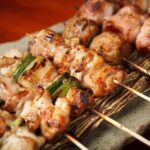
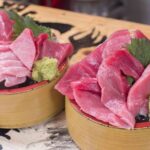
What I really like is the food approach: five food stops plus dessert, with a strong mix of Japanese favorites you’ll recognize and regional bites you might not. Expect variety like sushi, ramen, okonomiyaki (Hiroshima-style is mentioned), and yakitori style skewers, and the route is paced so you can actually enjoy each stop.
One thing to keep in mind is the price. At $217 for about 3 hours, it’s not cheap, and you’re paying for the guide plus the built-in tastings. Also, since meals depend on restaurant schedules and weather, expect that the exact places can shift.
In This Review
- Key Highlights Worth Prioritizing
- Meeting at Hachiko and Getting Oriented in Shibuya
- How the Food Stops Work (And Why the Order Matters)
- Stop-by-Stop: Shibuya Sights That Connect to the Food
- Hachiko Mural and the Start Outside the Station
- A Short Hachiko Moment
- Myth of Tomorrow
- Shibuya Center-gai: Food Alleys and Street Energy
- Shibuya Crossing: The Big Landmark, Not the Big Mess
- Shibuya 109: Shopping Culture With a Food Lens
- MEGA Don Quijote: Convenience, Snacks, and Night Openings
- Shibuya Tokyu Food Show: Ending in the Depachika World
- The Included Drink and Dessert: Small Breaks That Make the Tour Feel Easy
- What the Guides Tend to Do Best
- Dietary Options: How Flexible Is This Actually?
- Price and Value: Is $217 Reasonable for Shibuya?
- Who This Shibuya Food Tour Fits Best (And Who Should Skip)
- Should You Book This Shibuya Food Walk?
- FAQ
- How long is the Shibuya food tour?
- What’s the start time and meeting point?
- Where does the tour end?
- What’s included in the price?
- Is this tour family-friendly, and what do kids eat?
- Is there free cancellation?
Key Highlights Worth Prioritizing
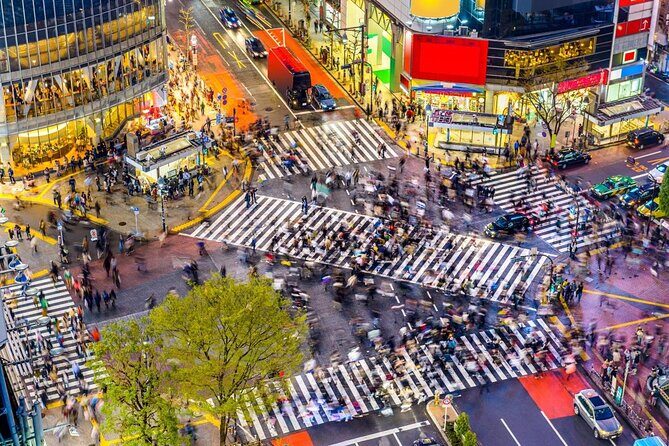
- Night Shibuya focus: You explore after the day crowd fades and the neon kicks in
- 5 planned tastings plus dessert: You should finish full, not just “sampled”
- Back-alley restaurants over tourist traps: The goal is places Tokyo locals actually use
- A depachika stop: You get time in the underground food-hall maze
- Family-friendly with adjustments for kids: Kids eat chicken skewers instead of beef
- Max 10 people: The tour stays social without turning into a stampede
Meeting at Hachiko and Getting Oriented in Shibuya
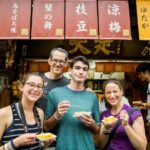
You start at Hachiko, right outside the station area, in front of the wall mural near the Hachiko Exit. The timing matters: the tour begins at 4:00 pm, which is a sweet spot between daytime rush and full-on evening nightlife. In other words, you get to see Shibuya waking up and glowing without feeling like you’re stuck in peak crush.
The walk is designed to help you get your bearings fast. Instead of guessing where the best side streets are, you follow someone who knows how to thread through Shibuya Center-gai and toward quieter pockets. With a group capped at 10, it’s also easier to keep close and actually hear the guide.
You’ll want moderate walking stamina. This is a street tour with stops, and you’re moving through busy zones like Shibuya Crossing and the retail corridors around Shibuya 109 and Don Quijote. Comfortable shoes matter more here than people expect.
You can also read our reviews of more food & drink experiences in Tokyo
How the Food Stops Work (And Why the Order Matters)
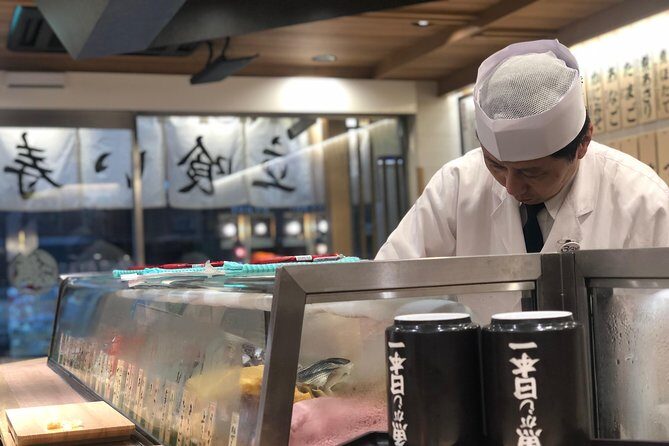
This tour is built around skipping the overpriced, obvious tourist eateries and using side-street spots instead. As you hop between stops, you’re tasting a range of Japanese foods rather than repeating the same “soup and dumplings” pattern. The structure is also practical: you’re likely to start with something lighter, then move into heartier items as you go.
The big promise is hassle-free eating: your guide handles the flow, and you’re not left trying to figure out what to order at each place. You’ll also get one included drink and dessert, so you get both the savory arc and a sweet finish without extra planning.
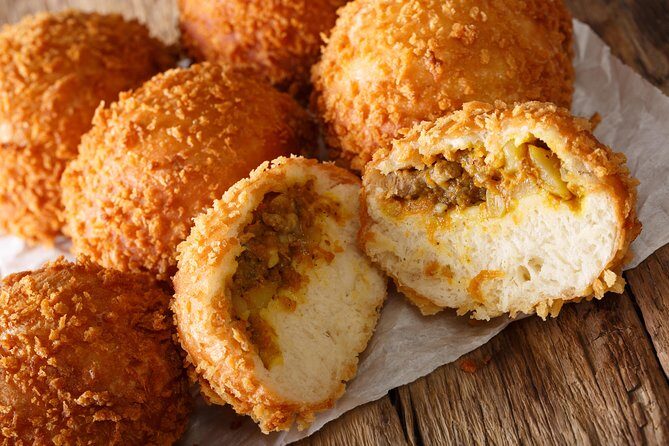
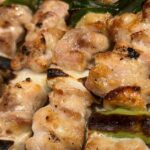
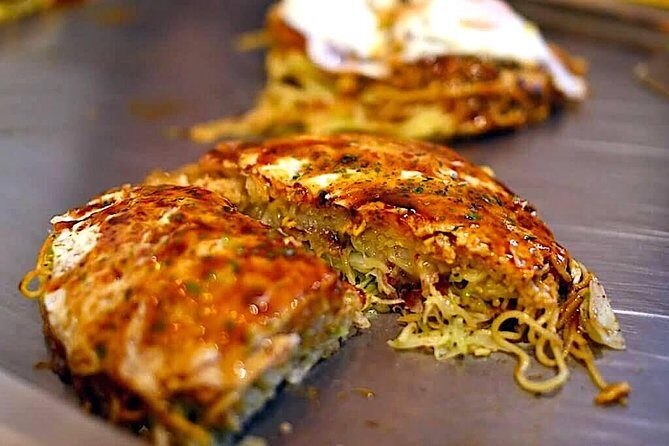
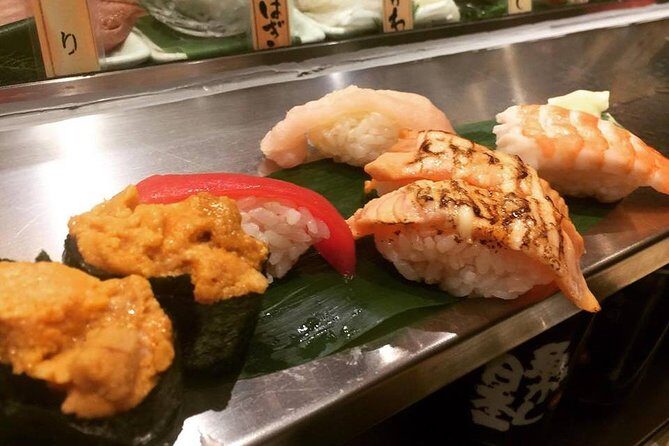
Food variety is the point, and it can include things like Hiroshima-style okonomiyaki, sushi, ramen, yakitori-style skewers, and dessert. Reviews also point to portion generosity, including spreads that can feel like multiple courses in one evening. If you’re coming hungry, you’re using the tour correctly.
Stop-by-Stop: Shibuya Sights That Connect to the Food
Shibuya isn’t just neon and shopping. On this walk, each well-known spot is used as a stepping stone to the next meal and the next local detail.
Hachiko Mural and the Start Outside the Station
You begin in front of the Hachiko wall mural, which is a helpful landmark if you’re arriving via train. The area also gives you an immediate Shibuya anchor: you’re not hunting for a meeting point in a maze of exits.
A quick note: if you’re arriving by taxi, leave extra time. One communication complaint in the feedback was basically a reminder that the meeting point needs to be easy to spot and you shouldn’t be late.
A Short Hachiko Moment
Right after the meeting spot, there’s a brief Hachiko segment where you learn local backstories and customs. It’s short, but it sets the tone for how Japanese neighborhoods work: public meeting points become social history, not just signage.
This is also where you tend to get your first sense of the guide’s style. Some guides focus more on food lore, others on neighborhood culture, but either way it helps you understand why the route goes where it does.
A few more Tokyo tours and experiences worth a look


Myth of Tomorrow
This is a quick stop labeled Myth of Tomorrow, and it functions like a palate-cleanser before the real eating begins. You’re still in the Shibuya core, but you’re not stuck staring at storefronts for long.
Because time is tight in a 3-hour tour, expect this to be informational rather than a “hang out here” moment. If you love long sight windows, you might want to pair this tour with a bit of solo wandering afterward.
Shibuya Center-gai: Food Alleys and Street Energy
Shibuya Center-gai is described as a foodie paradise, and the tour uses it to show you the kind of everyday lanes where people actually eat. The goal isn’t just to say this street exists; it’s to help you recognize the restaurant types and atmospheres that show up repeatedly in Japanese food culture.
One thing to watch: the Center-gai stretch is still busy. Your guide’s pacing matters, and this is where the small-group size helps keep the walk smooth.
Shibuya Crossing: The Big Landmark, Not the Big Mess
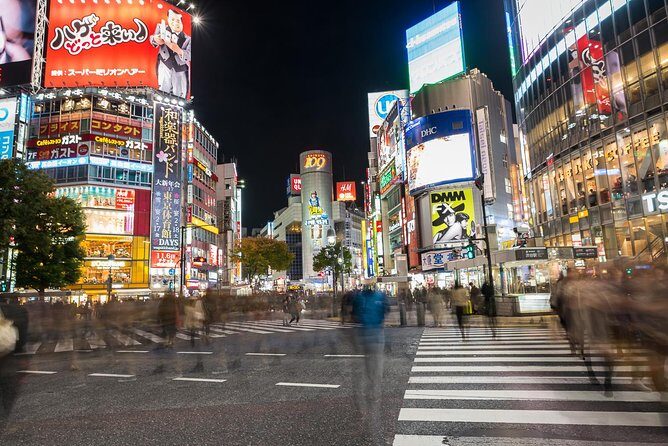
Yes, you’ll get to see Shibuya Crossing, even if the tour doesn’t linger forever. The value here is context: you’re seeing the “icon,” but you’re using it as a waypoint between meal zones.
A recurring positive in the feedback is that the guide can point out where to get a view of the crossing from above. If you’re the type who loves an angle for photos, this stop can be more satisfying than just standing at street level.
Shibuya 109: Shopping Culture With a Food Lens
Shibuya 109 is a famous retail building, and this stop ties modern shopping culture to the reality that food and retail are tightly linked in Japanese neighborhoods. You’re moving through an area where people browse, snack, and keep going.
The practical downside: if you’re not into department-store fashion culture, you may treat this as a quick pass-through. The tour isn’t pretending this is a food-only environment, but it uses the landmark to keep you oriented.
MEGA Don Quijote: Convenience, Snacks, and Night Openings
MEGA Don Quijote is another recognizable stop that helps explain how Japanese late-evening life works. Stores like this often keep you stocked with drinks and small snacks, which makes sense because these food walks run into evening.
If you’re sensitive to crowds, this stretch can feel energetic. Still, it’s also useful because you’ll learn how the area fits into your later self-guided exploring.
Shibuya Tokyu Food Show: Ending in the Depachika World
The tour ends at Tokyu Department Store basement level under the station, in the Shibuya Tokyu Food Show area. This is where the depachika factor comes in: the underground food hall is a literal maze of specialty items where you can browse like locals do.
Even if you just ate a lot, don’t underestimate how good it feels to look at desserts and regional packaged treats afterward. It’s a smart ending point: you can keep snacking, buy gifts, or plan your next meal before you head off.
The Included Drink and Dessert: Small Breaks That Make the Tour Feel Easy
You get one drink included. The minimum drinking age is 21, so if you’re traveling with younger people, the included drink aspect will work differently for them (and kids get the chicken skewers instead of beef, per the rules). Either way, the drink is there for pacing.
In a walking tour, people often underestimate how much a sit-down minute helps. This included beverage gives you a natural reset between stops, and it’s also where you can chat with your guide about what you’re seeing.
Dessert is included too. That matters because some food tours end on savory notes and you’re left hunting sweets afterward. Here, the sweet finish is part of the design, not an afterthought.
What the Guides Tend to Do Best
The guide is the difference between eating in Japan and understanding Japan. The tour is set up for someone to connect the dots between food, neighborhood layout, and local customs, and that usually shows up in the details.
In the feedback, the strongest praise consistently links great guides with clear explanations and smooth pacing. Guides with names like Seika, Clara, Ray, Saika, Melissa, Jane, Alex, Maya, Vanessa, Jacob, YU, Sandra, and Daniel show up often, which is a good sign that the company puts real effort into the people leading the walks.
You’ll also benefit if your guide adjusts for your group. One example in the feedback mentioned a guide slowing pace for a slower walker, and another highlighted restroom timing for kids. You can’t count on every group having identical needs, but it tells you what great service looks like on this tour.
Dietary Options: How Flexible Is This Actually?
The tour notes dietary restriction flexibility, including vegan and vegetarian-friendly options. That’s a key point for planning, because Japanese meals can be pork-heavy or fish-forward depending on where you go.
The tour also specifies that children get chicken skewers instead of beef. So if you’re traveling with kids, the food plan isn’t just a smaller adult version. That’s helpful when you’re trying to keep everyone eating something that matches their needs.
Still, because the exact restaurants can change due to schedules and weather, treat flexibility as a request you should communicate. If you have strong allergies or strict rules, it’s smart to confirm what can be handled when you book.
Price and Value: Is $217 Reasonable for Shibuya?
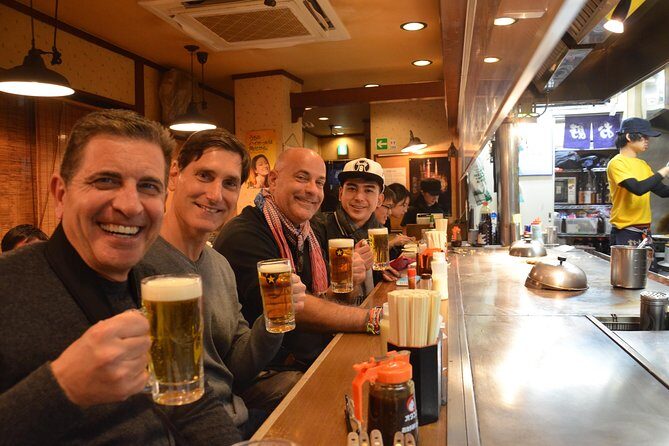
At $217 per person for about 3 hours, you’re paying for several things at once: a local guide, five food stops, dessert, and one included drink. You’re also paying for logistics—someone handles timing, ordering flow, and routing through Shibuya’s most chaotic zones.
What makes it feel worth it for many people is that the tastings tend to be more than tiny bites. The feedback includes examples of generous portions—enough to feel like you’re eating multiple dishes rather than just sampling. If your goal is a full dinner built into a guided walk, this is aligned with that.
The main value risk is expectation mismatch. A couple of lower-rated notes mention food choices feeling average or the experience not feeling worth the cost. That usually comes down to either portion expectations, personal taste, or the fact that substitutions can happen when restaurants can’t accommodate schedules.
My practical advice: if you love food variety and want a guided evening that also teaches you Shibuya streets, the price can make sense. If you’re the type who prefers building your own food route restaurant by restaurant, you may find the same money buys more freedom on your own.
Who This Shibuya Food Tour Fits Best (And Who Should Skip)
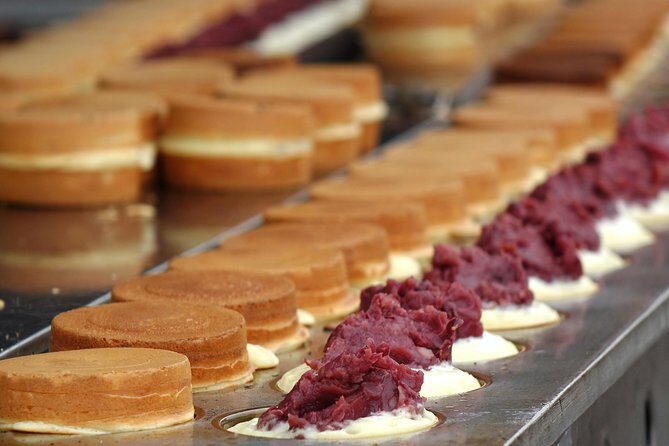
This tour fits best if:
- You’re in Shibuya for the first time and want a shortcut to side-street eating
- You want a night walk with real food milestones, not just strolling
- You’re traveling with family and want an organized plan (it’s family-friendly)
- You can handle moderate walking and crowded streets
- You eat a variety of Japanese foods and want regional variety across stops
It may not fit as well if:
- You’re chasing the cheapest possible way to eat in Tokyo
- You dislike walking through busy shopping corridors
- You’re very sensitive to the idea that restaurants could change due to weather or schedules
- You only want one specific type of food (like only sushi, only ramen, etc.), because the strength here is variety
One more perk to consider: karaoke after party is listed as available. If you like group activities, that option can turn a food tour into a full-night Shibuya story.
Should You Book This Shibuya Food Walk?
If you want an evening that gives you structure—meeting point to dessert—you should book it. The core payoff is simple: you get local side-street meals, enough tastings to feel properly fed, and Shibuya landmarks explained in a way that makes you feel like you’re moving through the city with intention.
Book it especially if you’re short on time and want someone else to handle the hardest part: picking where to eat and how to avoid the most obvious tourist traps. The depachika ending at Tokyu Food Show is a smart bonus for anyone who likes browsing sweets and regional specialties even after dinner.
If the price makes you hesitate, treat this as a “value in convenience” purchase, not just “value in food calories.” If you’d rather do independent exploration, you can still have a great Shibuya night on your own. But if you want your first Tokyo food experience in Shibuya to be guided and organized, this one is built for that.
FAQ
How long is the Shibuya food tour?
It runs for about 3 hours.
What’s the start time and meeting point?
The tour starts at 4:00 pm. You meet in front of the wall mural of Hachiko at the Hachiko Exit.
Where does the tour end?
The tour ends at the Tokyu Department Store basement level under the station, at the Shibuya Tokyu Food Show area.
What’s included in the price?
You get a local guide, 5 food stops, dessert, and one drink included.
Is this tour family-friendly, and what do kids eat?
It’s family-friendly. Children must be accompanied by an adult. For kids on this tour, the skewers are chicken instead of beef, and a passport information copy is required for kids 10 and above.
Is there free cancellation?
Yes. You can cancel up to 24 hours in advance for a full refund.
If you tell me your dietary needs (vegetarian, vegan, allergies) and whether you’re traveling solo, with a partner, or with kids, I can help you decide if this timing and food mix match your style.