REVIEW · TOKYO
Asakusa’s Historic Treasures
Book on Viator →Operated by Smiley Walk · Bookable on Viator
Asakusa feels like a time machine. I love how the tour maps Asakusa’s story from 628 to 2012, and I love the shift into playful karaoke with a free drink bar led by Miley.
One catch: it starts at 2:00 pm and the experience requires good weather, so you may need flexibility if rain rolls in.
In This Review
- Key Highlights at a Glance
- A 4-Hour Asakusa Tour That Feels Like Two Different Tokyo Moods
- Finding Your Bearings Near Kaminarimon (And Why the Start Point Works)
- The Timeline Walk: From 628 to 2012, Without the Lecture Tone
- Temples vs Shrines: What You Learn While You Walk
- Asakusa Yokocho: Festival-Style Photos, Free Admission, Quick Hit
- Karaoke Tea Time: High-Quality Singing Plus Drinks
- Monja Experience: Make It Yourself (And Don’t Judge the Look)
- Ending Near Ninja House: Optional Drink to Cap the Day
- Price and Value: What $164.72 Buys in Real Terms
- Practical Tips So You Enjoy Every Stop
- Who This Tour Is Best For
- Should You Book Smiley Walk’s Asakusa Historic Treasures?
- FAQ
- How long is the Asakusa Historic Treasures tour?
- What time does the tour start?
- What is the price per person?
- Is this tour a mobile ticket experience?
- How many people are in the group?
- Where do I meet for the tour?
- Where does the tour end?
- What activities are included during the tour?
- Are drinks included?
- What happens if weather is bad?
- Can I cancel for free?
Key Highlights at a Glance
- A timeline walk (628–2012) that turns Asakusa’s streets into a chronological history lesson
- Temple-and-shrine comparisons plus examples of buildings that survived conflict (1649–1945)
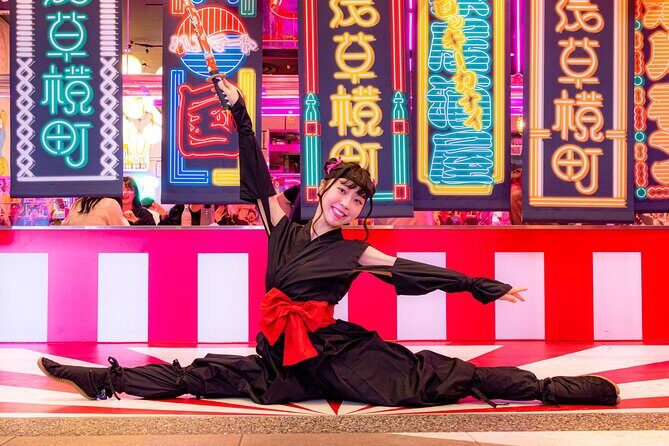
- Asakusa Yokocho in festival-fantasy mode, with free admission and easy photo spots
- Karaoke tea time (1 hour) plus a free drink bar, geared for real fun rather than stage fright
- Hands-on monja (1 hour) where you make your own and get a drink with the meal
- Ends in front of Ninja House, with an easy optional follow-up drink
A 4-Hour Asakusa Tour That Feels Like Two Different Tokyo Moods
This is a great option if you want Tokyo that isn’t just sightseeing stamps. You get a guided walk focused on Asakusa’s past, then the day tilts into hands-on fun: karaoke, monja, and a couple of “step inside the vibe” stops along the way.
The group size is capped at 9 travelers, which matters more than people think. Smaller groups mean fewer waiting gaps, and the guide can keep conversations moving while you’re walking and doing activities.
You’ll also start right in the Asakusa area at 2:00 pm, so plan the day around that. If you love morning temple wandering, this one shifts later, which can be perfect if you want a slow start before your guided 4-hour block.
You can also read our reviews of more historical tours in Tokyo
Finding Your Bearings Near Kaminarimon (And Why the Start Point Works)
You meet at Burger King Asakusa Azumabashi, at Cross Bil Royal Palace on Kaminarimon side (Taito City). It’s a practical meetup that keeps things simple: you don’t need a complicated “meet behind the vending machine” scavenger hunt.
Because Asakusa has dense foot traffic and lots of side streets, a solid meetup location helps you relax. You’re close enough to jump into the historic zones quickly, while still getting that guided flow instead of trying to stitch everything together on your own.
The tour ends in the Asakusa area near Ninja House (with an option to continue with a drink). That’s a nice way to finish: you’re not stuck miles away from the nightlife pocket. You can either call it a night or keep the energy going.
The Timeline Walk: From 628 to 2012, Without the Lecture Tone
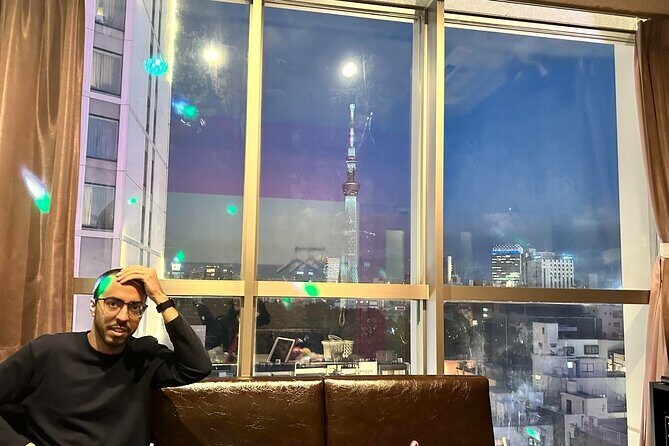
One of the smartest parts of this experience is the structure. Instead of tossing random facts at you, you follow a chronological history thread as you move through Asakusa.
The tour frames Asakusa as a time slip journey running from 628 to 2012. That matters because it helps you notice changes in the streets: what feels traditional, what looks like it was rebuilt, and where the present still carries traces of older eras.
I like tours that teach you how to look. Here, you’re not just seeing things; you’re learning how to connect them to time. That’s what makes Asakusa feel more than a pretty neighborhood.
Temples vs Shrines: What You Learn While You Walk
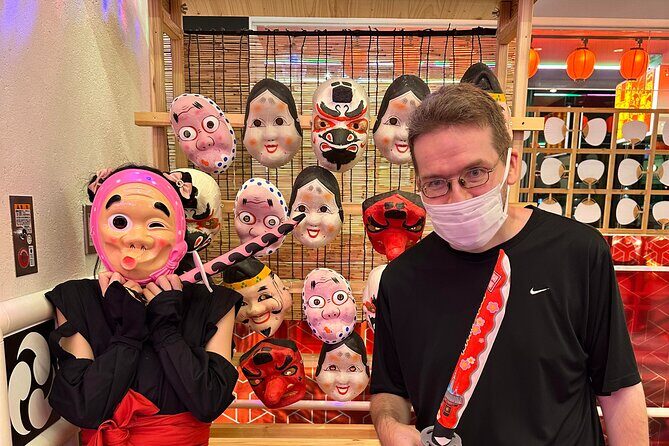
Asakusa is famous for its religious architecture, but the tour doesn’t treat temples and shrines as the same thing. You’ll get a clear explanation of the difference between temples and shrines, and how to spot those distinctions as you go.
You’ll also see examples of buildings that survived the war period (1649–1945). That adds weight to the walking part. It turns what could be just “nice old buildings” into something more meaningful: you’re understanding why certain structures still matter.
The key benefit: once you learn what separates the temples and shrines, you start spotting those details on your own later. It’s the kind of practical takeaway that keeps paying off after the tour ends.
Asakusa Yokocho: Festival-Style Photos, Free Admission, Quick Hit
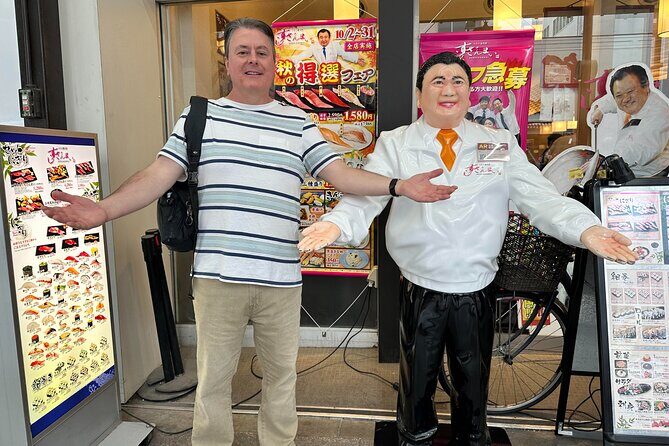
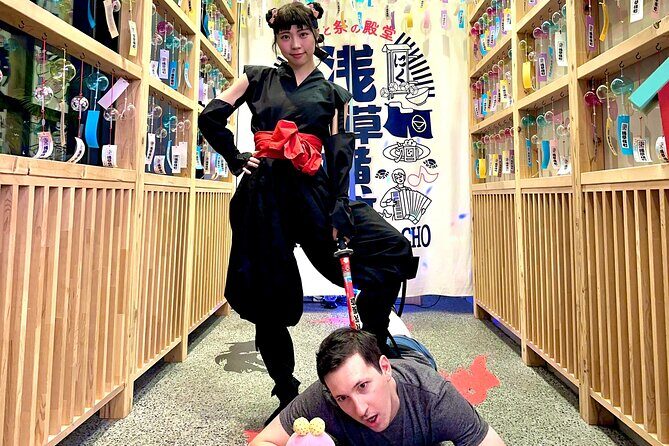
Next up is Asakusa Yokocho, a short stop (about 20 minutes) with free admission. This is a fun breather in the middle of the tour, and it works well if you want photo time without losing the group.
The area is designed around the concept of Japanese festivals, so the feel is playful and colorful. Even if you don’t plan to buy snacks, it’s a great place to reset your brain and take in the atmosphere.
A quick note: since it’s a short stop, don’t expect this to replace a full neighborhood wander. Think of it as a highlight moment, not a deep dive.






Karaoke Tea Time: High-Quality Singing Plus Drinks
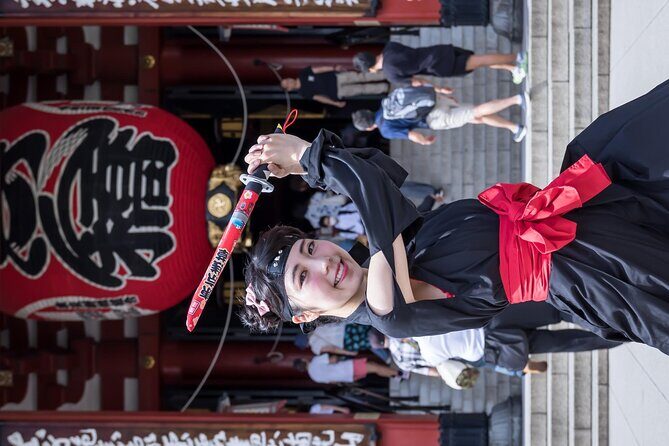
Then comes the part many people remember most: karaoke. The session runs about 1 hour and is described as Japan’s birthplace of karaoke, with high-quality karaoke and a free drink bar.
This is more than a gimmick. In a small group of up to 9, karaoke becomes a shared activity that breaks the formality of a history walk. You’ll likely find it easier to relax, and the guide’s role becomes part emcee and part translator of local context.
If you’re worried about singing, you can treat it like a social experience. The tour’s design is built for participation, not perfection. Also, having drinks included through the free drink bar helps the mood.
The one thing to consider: this portion is scheduled. If you’re the type who needs total free time, this may feel like a structured “activity stop” rather than open strolling.
Monja Experience: Make It Yourself (And Don’t Judge the Look)
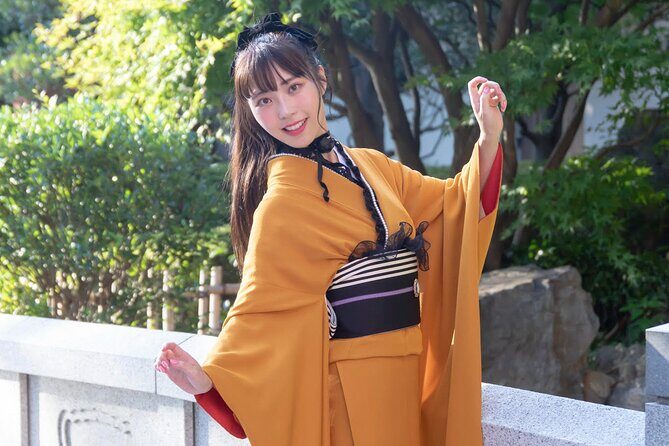
After karaoke, you switch gears to monja, a food described as unique to Asakusa. The session is about 1 hour, and you get taught how to make it.
The guide also provides the meal experience, plus one drink is included. That’s a solid value element because you’re getting both instruction and a sit-down food component, not just a taste.
The description may sound odd at first: it’s said to look surprising, but it’s supposed to taste great. I’d take that as a heads-up. If the appearance of batter-style dishes makes you squeamish, you might want to approach it with a sense of humor rather than expecting a perfect-looking plate.
This stop is where the tour becomes most interactive. You’re learning a local specialty by doing it, which is often the difference between “I watched” and “I remember.”
Ending Near Ninja House: Optional Drink to Cap the Day
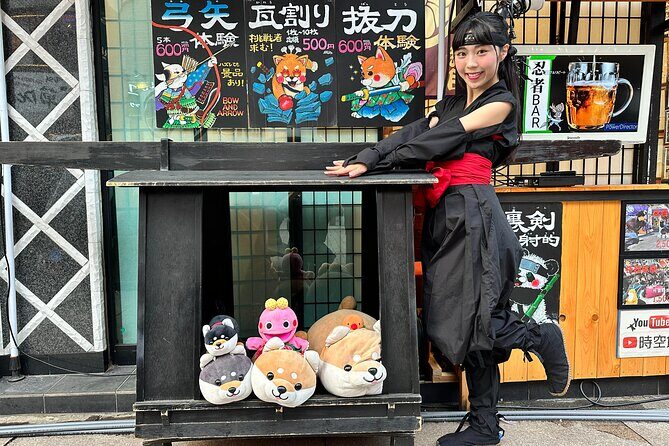
The tour ends in front of Ninja House. There’s an option to continue your adventure by grabbing a drink there with the guide.
I like endings like this because it gives you choice. If you’re energized, you can extend the evening socially. If you want an early exit, you’re still in an area where it’s easy to find your next move.
Even if you skip the extra drink, the finish point works because it keeps you close to the Asakusa action.
Price and Value: What $164.72 Buys in Real Terms
At $164.72 per person for about 4 hours, you’re paying for more than walking. You’re paying for:
- a guided historical route across Asakusa
- karaoke time with a free drink bar
- hands-on monja making, including the meal and one drink
- multiple stops that are described as free admission (like Asakusa Yokocho)
When tours feel overpriced, it’s usually because you’re getting mostly “look, listen, move on.” Here, a chunk of the time is structured around activities where you’re doing something, not just watching.
Also, the max group size of 9 is part of the value. Smaller groups generally make it easier to ask questions and stay engaged during the history portion.
If you’re a traveler who wants one neat plan that mixes culture + food + a fun activity, this price starts to make sense fast.
Practical Tips So You Enjoy Every Stop
A few things will help you get the most out of the day:
- Wear shoes you can stand in. The experience is a guided walking day plus seated activity blocks.
- Keep your schedule flexible around good weather. The tour can be affected by rain, so don’t lock yourself into other hard-to-change plans right before or after.
- Go into monja with an open mind. The food is described as visually surprising, but that’s part of the charm.
- If karaoke makes you nervous, treat it as social fun. You’re in a small group, and the mood is set up for participation.
Who This Tour Is Best For
This fits you if you:
- want a guided way to understand Asakusa beyond surface photos
- like history that’s tied to how to observe (temples vs shrines, older structures that survived)
- enjoy activity-based travel, especially food making and karaoke
- prefer small groups with a guide who can keep energy high while teaching
It might not be the best fit if you only want quiet museum-style tourism, or if you strongly dislike interactive activities like cooking and karaoke.
Should You Book Smiley Walk’s Asakusa Historic Treasures?
I’d book it if you want Tokyo that mixes real local culture with a practical, fun schedule. The biggest reason is the balance: history walking plus two participatory experiences (karaoke and monja) in a compact time window.
This is also a strong choice for your first trip to Asakusa, because you leave with a clearer way to read what you’re seeing. And ending near Ninja House gives you an easy option to keep the night going without scrambling across town.
If your travel dates are tight and you can’t handle weather changes, the requirement for good weather is the main reason to think twice.
FAQ
How long is the Asakusa Historic Treasures tour?
It lasts about 4 hours.
What time does the tour start?
The start time is 2:00 pm.
What is the price per person?
The price is $164.72 per person.
Is this tour a mobile ticket experience?
Yes, it uses a mobile ticket.
How many people are in the group?
The maximum group size is 9 travelers.
Where do I meet for the tour?
Meet at Burger King Asakusa Azumabashi, Cross Bil Royal Palace, 2-chōme-20-6 Kaminarimon, Taito City, Tokyo 111-0034, Japan.
Where does the tour end?
It ends in front of Ninja House, near 2-chōme-4-3 Asakusa, Taito City, Tokyo 111-0032, Japan.
What activities are included during the tour?
You’ll do a guided history walk in Asakusa, stop at Asakusa Yokocho, enjoy a karaoke experience, and have a monja experience.
Are drinks included?
Yes. The karaoke experience includes a free drink bar, and the monja experience includes one drink.
What happens if weather is bad?
The experience requires good weather. If it’s canceled due to poor weather, you’ll be offered a different date or a full refund.
Can I cancel for free?
Yes. You can cancel up to 24 hours in advance for a full refund.