REVIEW · OSAKA
Osaka Cooking Class and Sake Tasting with Local Supermarket Visit
Book on Viator →Operated by MagicalTrip Inc. · Bookable on Viator
Shopping turns into dinner lessons in Osaka. I love the market-style ingredient hunt led by guides like Yuka, because you learn what to pick up and why before you cook. I also like the hands-on 4-hour pace, where you’re folding gyoza and building okonomiyaki with live guidance, not just watching. One thing to consider: it’s a full, packed window, so you’ll want to show up on time and bring a real appetite.
This class also earns points for being low-pressure. No cooking background is needed, and the group is capped at 7 people, so you can actually get feedback while you learn.
In This Review
- Key Highlights You’ll Feel Right Away
- Osaka Market-to-Studio Cooking: Why This Format Works
- Meeting Point And The 10:00am Start: Plan Your Morning Around Food
- The Local Supermarket Stop: Shopping Like You Mean It
- Cooking Niku-sui, Okonomiyaki, and Gyoza in One Session
- Niku-sui (Beef Soup): Comfort With Clear Technique
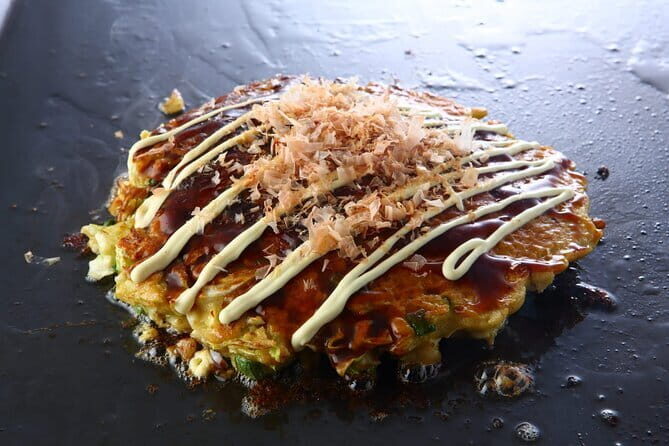
- Okonomiyaki: Turning Ingredients Into a Real Dish
- Gyoza: Folding Practice You Can Reuse
- Sake Tasting With Your Meal: A Friendly Way In
- Small Group Size (Up to 7) And Real Coaching From Yuka And Mari
- Price And Value: What $92.50 Buys You Here
- Who Should Book This Osaka Cooking + Sake Tasting Class
- Should You Book This Osaka Cooking Class and Sake Tasting?
- FAQ
- How long is the Osaka Cooking Class and Sake Tasting?
- Where does the tour start and end?
- What’s the group size limit?
- What dishes will I cook?
- Do I need cooking experience?
- Is there sake tasting included?
- What kind of ticket do I get?
- Can I get a refund if I cancel?
Key Highlights You’ll Feel Right Away
- Supermarket shopping time that helps you choose ingredients for Osaka-style dishes
- Gyoza folding coaching so you’re doing the work, step by step
- Okonomiyaki building with guidance that keeps it simple for beginners
- Niku-sui (beef soup) as a warm, practical dish to master
- Sake tasting with your meal, plus beer or soft drinks if you prefer
- Small group size (max 7) for more hands-on attention
Osaka Market-to-Studio Cooking: Why This Format Works
Osaka is serious about food, and this experience uses that fact in the most practical way: you shop like a local first, then cook right after. It’s not just a class where ingredients magically appear. You get to see what’s available and learn how your guide thinks about picking what goes into the dishes.
The value is in the sequence. A supermarket stop teaches you how to notice quality and match ingredients to what you’re making. Then the studio time turns those choices into skills—how to handle the process, how to adjust as you go, and how to plate and eat your own work.
If you like doing things with your hands (and eating the results), this is a strong match. You’ll cook iconic Osaka dishes, then finish with a tasting that’s part of the meal instead of a separate add-on.
You can also read our reviews of more food & drink experiences in Osaka
Meeting Point And The 10:00am Start: Plan Your Morning Around Food
The experience starts at FamilyMart Minamimorimachi Station South side (Tenjinbashi area, 530-0041), and it ends back at the same meeting point. The start time is 10:00am, and the total duration is about 4 hours.
Because it’s a tight schedule, I treat the first 10–15 minutes like a warm-up for the rest of the day. Get there early enough that you can settle in, check your bearings, and be ready when the group sets off. You’ll get the most out of the supermarket segment if you’re not rushing.
One more practical detail: you’ll receive a mobile ticket, so have your phone ready. It’s a small thing, but it prevents the awkward 5-minute scramble that steals time from the fun part.
The Local Supermarket Stop: Shopping Like You Mean It
This is where the experience earns its name beyond cooking. You’ll visit a local supermarket with your guide and choose ingredients for the recipes you’ll make back at the studio. The goal isn’t just to buy stuff. It’s to learn how to think in an Osaka kitchen: what to look for, how ingredients connect to the dish, and how to shop without overcomplicating it.
I especially like the way the guides explain the connection between shopping and cooking. In particular, Mari’s approach—explaining what to shop for based on each recipe—shows up as a key reason people love this class. You come away feeling more confident that you could recreate the dishes later, not just follow a list.
Practical tip: go in with a quick plan for yourself. If you’re watching dietary preferences, decide early what you’re comfortable eating. The tour description doesn’t spell out special substitutions, so it’s smart to ask your guide during the shopping segment if you have questions.
Cooking Niku-sui, Okonomiyaki, and Gyoza in One Session
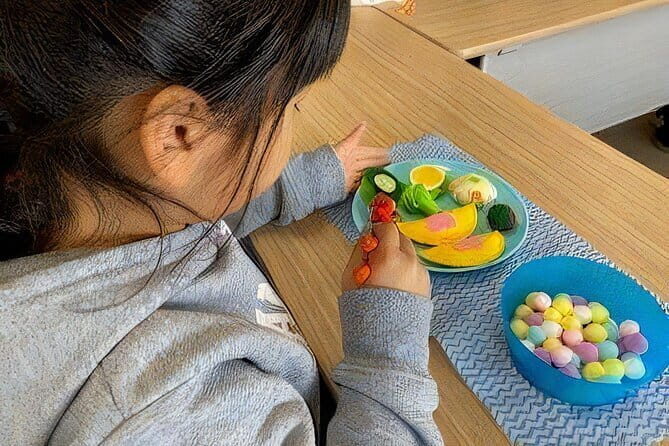
The studio portion is built around three recognizable Osaka dishes: niku-sui (beef soup), okonomiyaki (savory pancake), and gyoza (dumplings). You’ll do the cooking with step-by-step instruction and live feedback, which matters because these dishes can look intimidating if you’ve only seen photos.
Also, you’re not just learning one technique. You’ll practice different skill sets:
- soup-making logic (comforting, steady, and forgiving)
- pancake construction (layering and timing)
- gyoza prep (filling and folding)
Niku-sui (Beef Soup): Comfort With Clear Technique
Niku-sui is the dish that often feels most approachable in a class like this. It’s a good way to learn the rhythm of cooking a hot dish while your guide keeps everything understandable. If you’re new to Japanese home cooking, soup-style learning can build confidence fast.
You can also read our reviews of more cooking classes in Osaka
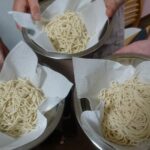
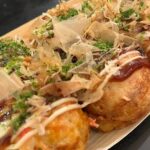
Okonomiyaki: Turning Ingredients Into a Real Dish
Okonomiyaki can be intimidating until someone shows you the process in plain steps. This class focuses on crafting it with guidance that keeps it beginner-friendly. You’re not stuck at a distance from the work—your hands are part of the session.
The best part is that okonomiyaki is forgiving once you understand the core idea. Even if your first attempt isn’t perfect, you learn how adjustments affect the result. That’s the kind of skill you can actually use later at home.
Gyoza: Folding Practice You Can Reuse
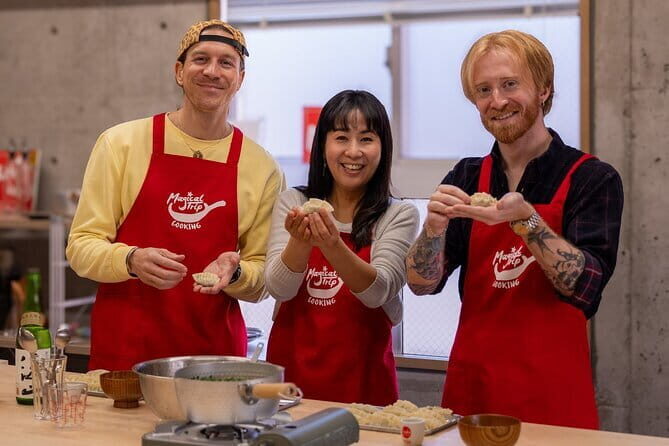
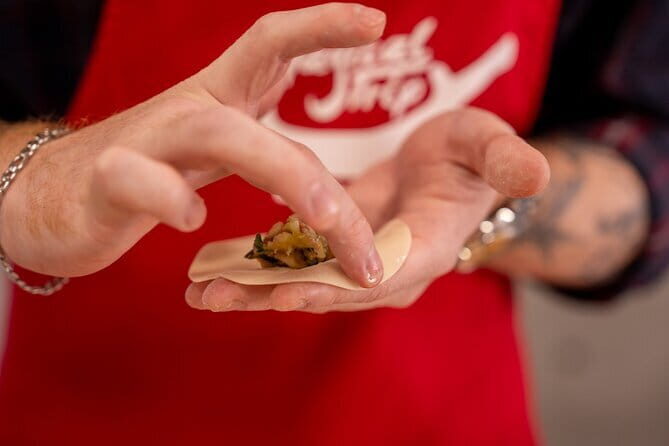
Gyoza is the standout skills challenge: folding and shaping the dumplings. The tour specifically highlights that you’ll learn how to fold gyoza, which turns it from a showpiece into a learnable technique.
If you enjoy hands-on tasks, this is where you’ll feel proud. And when you sit down to eat, it’s more satisfying because you made the pieces yourself, not just the flavor.
Sake Tasting With Your Meal: A Friendly Way In
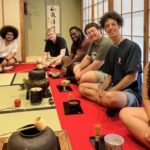
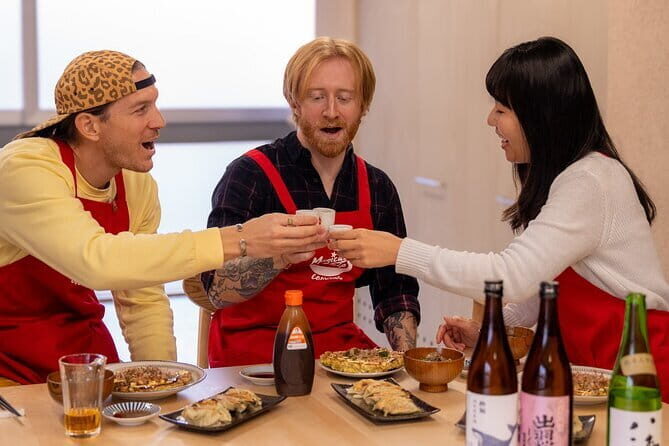
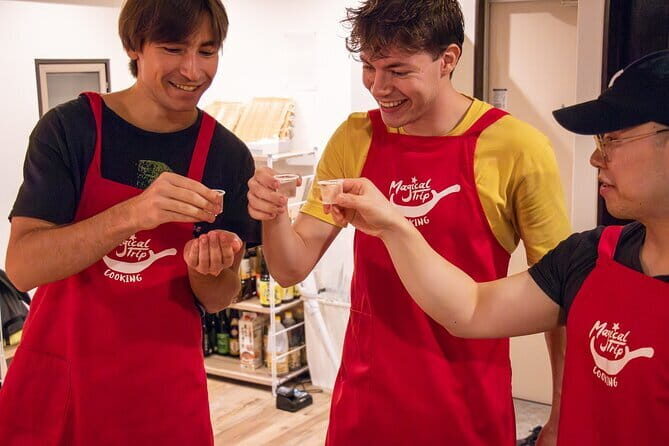
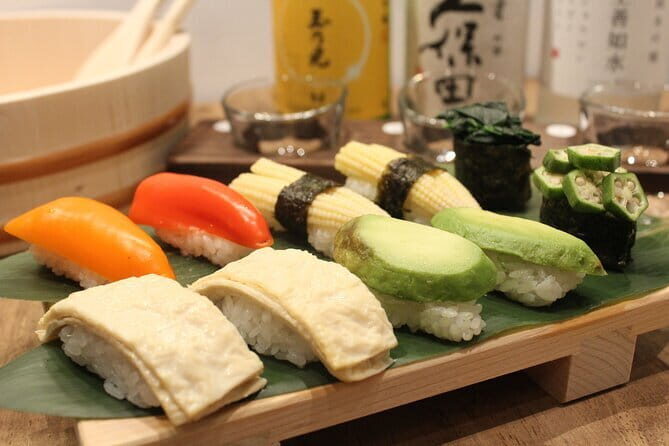
After cooking, you’ll enjoy what you made with local sake, and the experience also includes beer or soft drinks. That mix is practical. Sake tasting can be a highlight even if you’re new to it, and the options mean you won’t feel pressured to drink alcohol.
What I like about pairing the tasting with your meal: it helps you connect flavors to what you cooked. You’re not tasting in a vacuum. You’re eating your own okonomiyaki and soup, then taking a sip and noticing how it changes the experience.
If you’re unsure about sake, keep it simple. Take small sips. Pause between bites. Ask your guide what you should notice. The tour description doesn’t list specific sake varieties, so focus on taste impressions rather than trying to memorize labels.
Small Group Size (Up to 7) And Real Coaching From Yuka And Mari
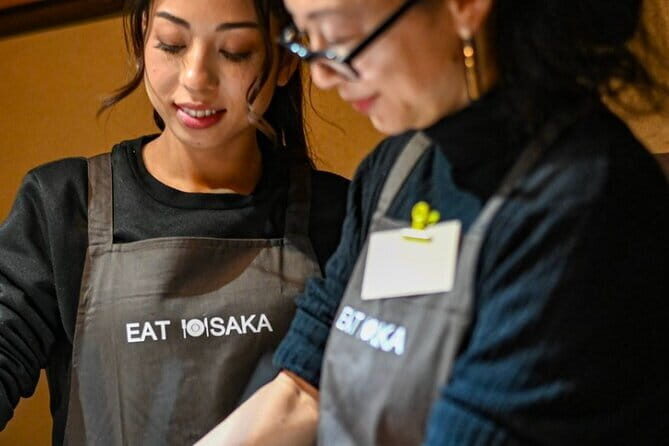
The group limit—maximum 7 travelers—is a big deal. In a larger class, the instructor can’t easily check your work while you’re cooking. Here, you’re more likely to get hands-on corrections when you need them.
The reviews reinforce this. People highlight the friendliness and clarity of guides like Yuka and Mari, and both names show up tied to the same themes: step-by-step help, explanations that make ingredients make sense, and a class that feels welcoming.
This is also the kind of small-group structure that helps solo travelers. You’re learning in a shared task, not performing in front of a crowd. Couples and friends benefit too, because you can talk during the cooking and still get attention from the guide.
Price And Value: What $92.50 Buys You Here
At $92.50 per person, you’re paying for a bundle of time and guidance: a supermarket visit, cooking instruction, and sake tasting as part of the meal. You also get a small group size, which typically costs more than mass-market tours because it requires more instructor time.
Is it cheaper than buying groceries and cooking at home? Sure, in theory. But the real value isn’t the ingredients—it’s the coaching. This class is designed to teach you repeatable technique, not just provide a nice meal out.
If you’re the type who wants to come home with usable skills, this is where the cost starts to feel fair. You’ll leave knowing how to approach gyoza folding, how to assemble okonomiyaki, and how to cook niku-sui in a way that matches local style.
Who Should Book This Osaka Cooking + Sake Tasting Class
Book it if:
- You want a hands-on class, not a passive one.
- You’d enjoy learning from supermarket shopping, where you practice choosing ingredients.
- You like cooking Osaka dishes—especially okonomiyaki, gyoza, and beef soup.
- You want a fun cultural activity that works for beginners too.
Skip it if:
- You hate structured schedules. The tour runs about 4 hours, and it moves through multiple stages.
- You only want to taste sake and don’t care about cooking. This is primarily a cooking class with tasting as a finish.
In terms of group vibe, it suits solo travelers, couples, families, and friends. The class is described as relaxed and welcoming, with step-by-step instruction designed for all skill levels.
Should You Book This Osaka Cooking Class and Sake Tasting?
I’d book it if your goal is to take home more than a meal. The best part is the connection between the shopping segment and the cooking segment. You’re not guessing what ingredients mean—you’re guided through it.
Also, the small group size plus specific coaching moments like gyoza folding make it feel worth your time. When a class is limited to 7 people, you’re less likely to get ignored while everyone cooks.
If you like Osaka food culture and want a guided way to learn it, this is a smart use of a half day. Just plan your morning carefully so you’re ready to cook, taste, and enjoy the results.
FAQ
How long is the Osaka Cooking Class and Sake Tasting?
The experience runs for about 4 hours.
Where does the tour start and end?
It starts at FamilyMart Minamimorimachi station South side (Japan, 530-0041, Kita Ward, Tenjinbashi, 2-chōme 3-10 1F) and ends back at the same meeting point.
What’s the group size limit?
The tour has a maximum of 7 travelers.
What dishes will I cook?
You’ll make niku-sui (beef soup), okonomiyaki (savory pancake), and gyoza (dumplings).
Do I need cooking experience?
No. The class is designed for all skill levels, and no prior cooking experience is needed.
Is there sake tasting included?
Yes. You’ll enjoy your dishes with local sake, and the experience also includes beer or soft drinks.
What kind of ticket do I get?
You’ll receive a mobile ticket.
Can I get a refund if I cancel?
Yes. Cancellation is free up to 24 hours in advance of the experience start time for a full refund.