REVIEW · TOKYO
Tokyo Customized Private Tour: See Top Attractions in 1 Day
Book on GetYourGuide →Operated by Japan Wonder Travel · Bookable on GetYourGuide
Tokyo can feel like a maze. This private day tour turns it into a clear, doable route, with a customized itinerary and an English guide who helps you get around fast. If you end up with a guide like Yeomi, Tak, or Laila, the day often turns into a mix of top sights and the kind of practical tips that make the rest of your trip easier.
Two things I really like here: first, you can tailor the stops to your interests and even your fitness level. Second, you’re not just viewing Tokyo from a distance—you’re learning how to move through it using public transit and on-foot routes. One drawback to consider: the tour is built around walking and metro, and it also uses public transportation rather than private car service, so you’ll want comfortable shoes and realistic expectations about time and pace.
In This Review
- Key Points That Make This Tokyo Private Tour Work
- Why a One-Day Private Plan Beats Tokyo Wandering
- Price and Value: What $141 Gets You (and What It Doesn’t)
- Choosing 4, 6, or 8 Hours: Pick Your Depth, Not Just Your Time
- The Route Flow: From Tsukiji to Asakusa to Shibuya
- Sensō-ji and Asakusa: Old Tokyo You Can Actually Feel
- Meiji Shrine and Harajuku’s Takeshita Street: Quiet Then Loud
- Tsukiji Outer Market: Food Culture Without the Guesswork
- Shibuya and Shinjuku: Crossings, Neon Energy, and Easy Photos
- Ginza and Tokyo Skytree Town: Shopping Streets and Big-Sky Views
- Tokyo National Museum, Odaiba, and Hamarikyu Gardens: When You Want More Than Photos
- Public Transportation Done Smart: Why This Tour Helps You After It Ends
- What the Best Guides Do Differently
- What to Bring and How to Survive Tokyo Weather
- Who Should Book This Tokyo Private Tour
- Should You Book This Tokyo Customized Private Tour?
- FAQ
- How long is the Tokyo customized private tour?
- What’s included in the price?
- What isn’t included?
- What happens if Tsukiji Fish Market is closed?
- When is Tsukiji Fish Market generally closed?
- Does the tour use public transportation?
- What should I bring?
- Is the tour wheelchair accessible?
Key Points That Make This Tokyo Private Tour Work
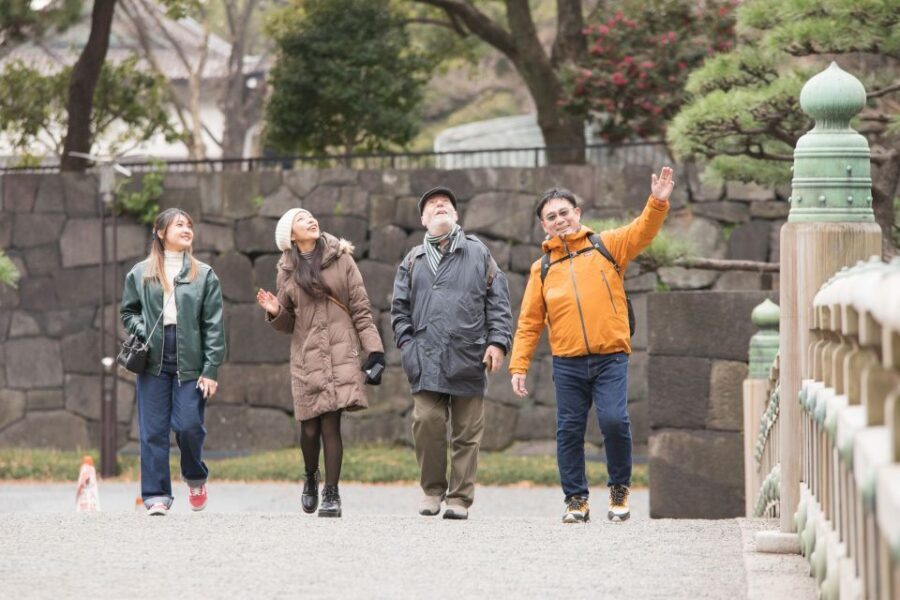
- Real itinerary customization based on your interests and energy level, not a rigid script
- Metro coaching so you can understand stations and navigate after the tour
- A smart hit-list blending classic Tokyo neighborhoods with modern photo stops
- Tsukiji backup plan if the fish market is closed, with an alternative site scheduled
- Central Tokyo hotel pickup within the 23 wards, so you start the day without hassle
- Rain or shine with a guide leading the way (and the day still getting done)
Why a One-Day Private Plan Beats Tokyo Wandering
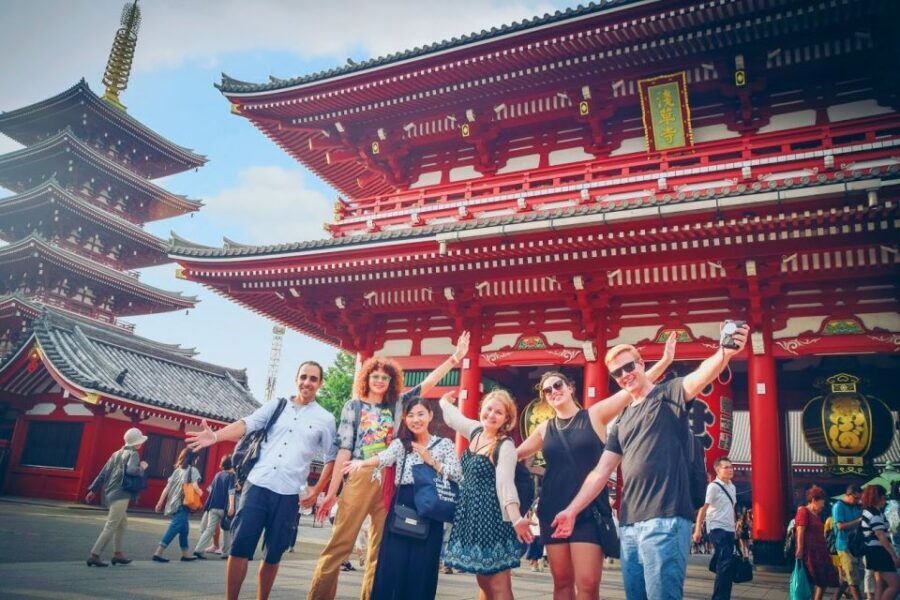
Tokyo is big. A day can vanish if you spend it guessing where to go, how to get there, and which exit to take. This tour is built for direction. You get an experienced local guide plus a day route that’s meant to keep momentum.
The private format matters too. You’re not timing your questions between other people. You can slow down for a temple moment, speed up through a shopping street, or swap one stop for another based on what you actually care about.
You can also read our reviews of more private tours in Tokyo


Price and Value: What $141 Gets You (and What It Doesn’t)
At $141 per person, you’re paying for a dedicated English-speaking guide and hotel pickup within central Tokyo. For many first-time visitors, that’s the value: not just seeing sights, but saving hours of decision-making and transit confusion.
What’s not included is equally important. Transportation fees, lunch, and entrance fees are not part of the price. That means your final total will depend on what you choose to enter and what you eat, especially if your route includes museums or gardens with paid admission.
If you’re traveling as a family or a small group that wants a tailored pace, the cost tends to feel more fair. One theme that shows up in guide feedback is that families appreciate having someone manage transitions, especially in crowded areas and busy stations.
Choosing 4, 6, or 8 Hours: Pick Your Depth, Not Just Your Time
The duration isn’t just “more time.” It changes how many places you can realistically experience. A 4-hour tour typically covers about 2–3 spots, while 6 hours goes for 3–4 spots, and 8 hours aims for 4–5 spots.
That matters because Tokyo rewards both concentration and variety. If you cram too much, you’ll spend the day moving your legs without feeling the neighborhoods. If you choose the longer option, you can add a museum or gardens without turning the day into a race.
The Route Flow: From Tsukiji to Asakusa to Shibuya
A common morning structure (based on the sample timing) looks like this: meet around 9:00, then start with Tsukiji and Asakusa before moving toward Harajuku/Shibuya, and finish later in the afternoon (around 17:00 in the sample). The exact order can shift because the tour is designed to be customizable and to match opening patterns.
This route flow is smart. You start with older Tokyo energy in the morning, when markets and temples feel most alive. Then you pivot to the modern districts where Tokyo’s lights, crossings, and skyline views land better when you’ve already built your “Tokyo brain.”
Sensō-ji and Asakusa: Old Tokyo You Can Actually Feel
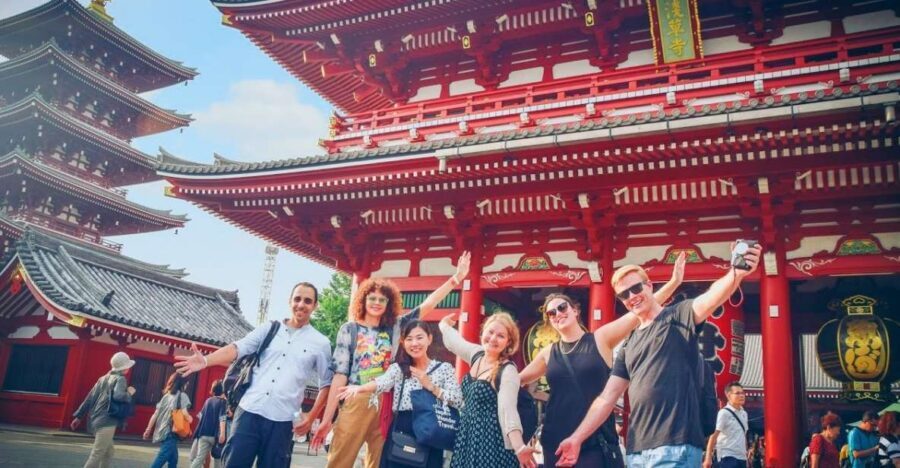
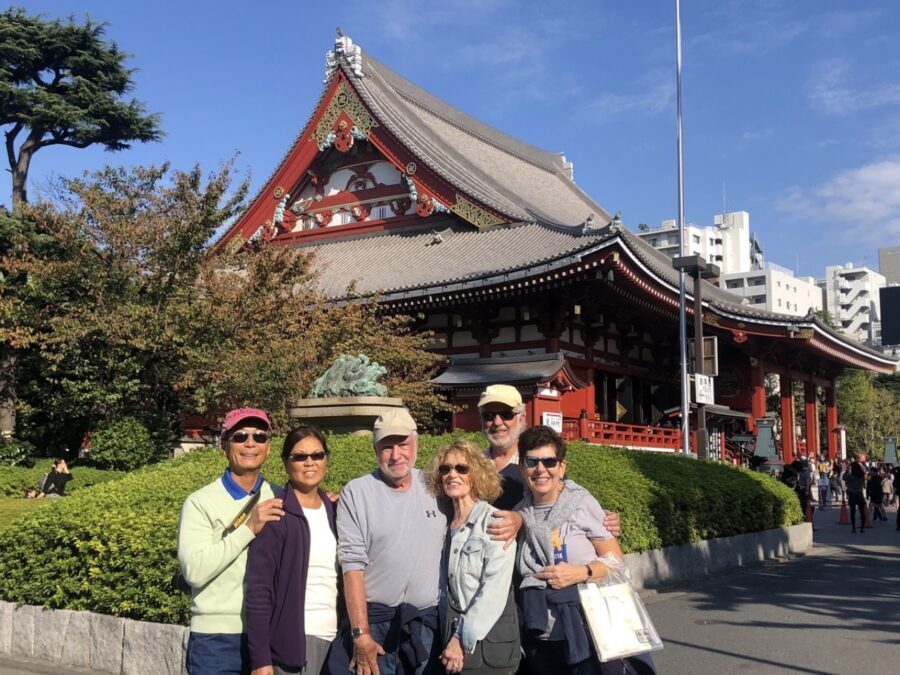
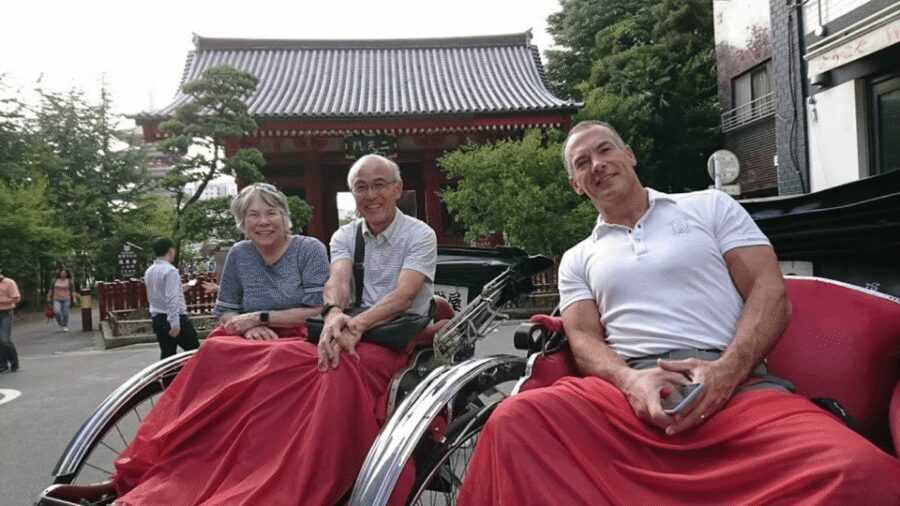
The day often begins at Sensō-ji Temple in Asakusa. Expect a guided visit (about 1 hour for Sensō-ji), plus a short stop to explore the surrounding Asakusa area. This is one of those spots where a guide helps you slow down and notice what you’d otherwise rush past.
Asakusa is where Tokyo shows its long memory. If your interests include tradition, street rituals, or the visual rhythm of an older neighborhood, this is a strong anchor. It’s also a nice contrast to later stops, when you’ll be surrounded by the city’s faster, newer energy.
One practical tip: wear shoes you don’t mind walking in. Asakusa is photogenic, but you’ll cover ground.
A few more Tokyo tours and experiences worth a look




Meiji Shrine and Harajuku’s Takeshita Street: Quiet Then Loud
From the temple area, the tour commonly shifts to Meiji Shrine (another guided stop around 1 hour). Even though it’s in Tokyo, Meiji feels like a different tempo. This is a good reset before the day gets more commercial.
Then comes Takeshita Street for photos and time to shop (often around 1 hour). This is the youth-fashion lane: busy, colorful, and full of quick photo opportunities. It’s exactly the kind of stop that benefits from customization, because not everyone wants to shop in the same way.
A simple strategy: if Takeshita Street isn’t your thing, ask your guide to swap it for a neighborhood that fits your vibe. The tour’s format is built for that swap.
Tsukiji Outer Market: Food Culture Without the Guesswork
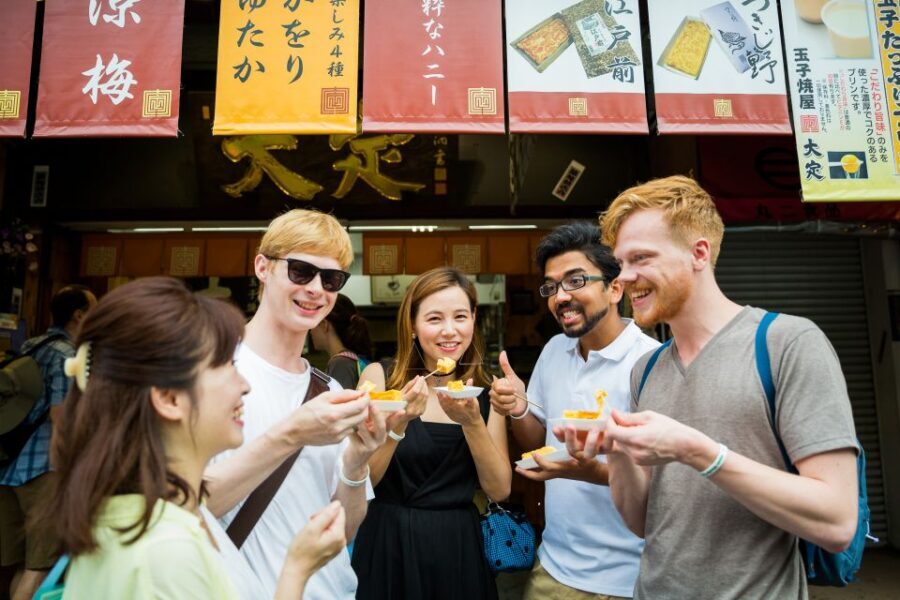
Tsukiji Outer Market is usually a highlight. The big win isn’t just the food. It’s having a guide who helps you navigate a place that can feel chaotic when you don’t know where to stand, what to look for, and how to order.
The tour typically includes about 1 hour here, and the focus is on sightseeing and guided help. Food options can be a major part of the experience, and some guides lean into this side by steering you toward what’s worth tasting.
Now the key logistics: Tsukiji can be closed, commonly on Wednesdays and Sundays. If it’s closed on your day, the plan switches to either the Imperial Palace area or Hama-rikyu Gardens. In other words, your morning isn’t automatically ruined. You just get a different flavor of Tokyo instead.
Shibuya and Shinjuku: Crossings, Neon Energy, and Easy Photos
Next up is Shibuya City (often guided for about 1 hour). If your day includes the Shibuya Scramble Crossing, it’s the classic Tokyo moment: crowds, street angles, and a view of modern life moving in real time.
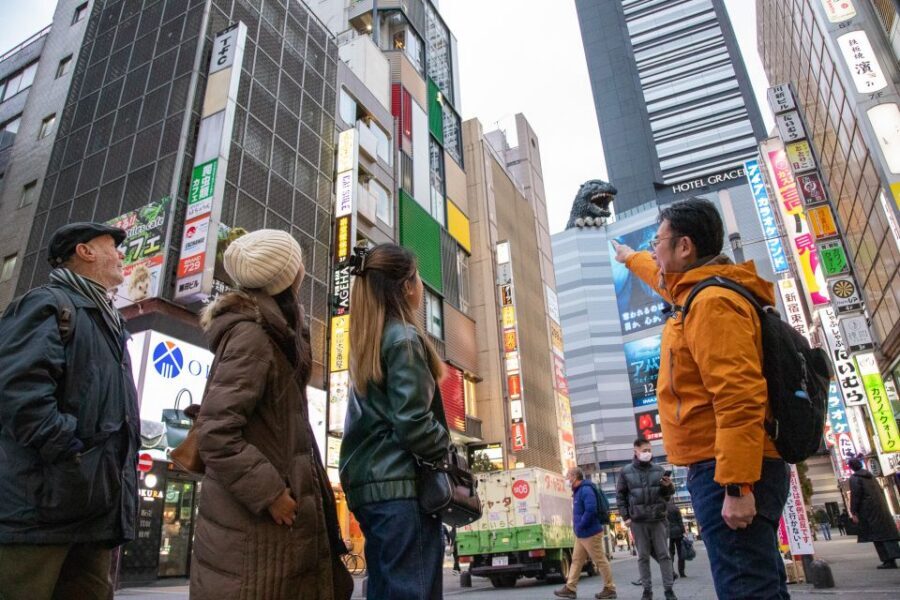
After that, Shinjuku often appears as a photo stop plus a visit (again, about 1 hour depending on your selected duration and the day’s routing). Shinjuku is where Tokyo’s mood shifts toward tall buildings and nonstop motion.
A guide helps here because you’ll want the right viewpoints and the easiest walking routes. Without help, it’s easy to bounce between stations and waste time.
Ginza and Tokyo Skytree Town: Shopping Streets and Big-Sky Views
Some versions of the route include Ginza for photos, sightseeing, and shopping (often around 1 hour). Ginza can feel more polished than other neighborhoods. It’s a great contrast if you’re coming from temples and markets.
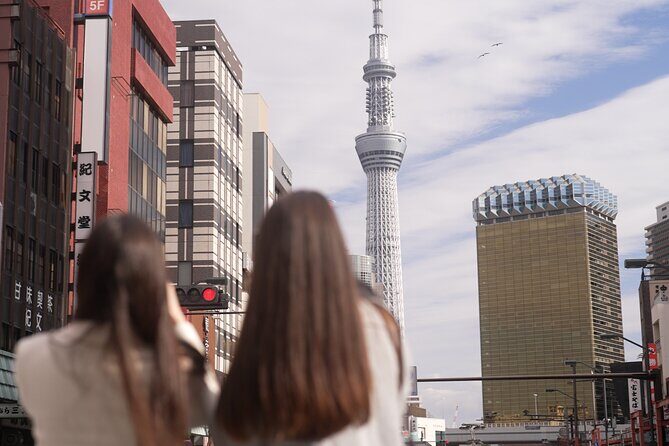
Then you may head to Tokyo Skytree Town for a photo stop and visit (often about 1 hour). Skytree is visually dominant, and it’s also a practical landmark when you’re trying to orient yourself in Tokyo. Even if you don’t go up to a viewpoint, the area is worth seeing.
Tokyo National Museum, Odaiba, and Hamarikyu Gardens: When You Want More Than Photos
Depending on time and your interests, the tour may include a museum. Tokyo National Museum is listed as a guided visit (often around 1 hour). This is a good choice if you want cultural depth without losing the day’s main neighborhoods.
Odaiba is another option on the itinerary (guided visit around 1 hour). Odaiba often works well for people who want modern Tokyo that’s a little more open and scenic than the densest central streets.
Then there’s Hama-rikyū Gardens. If you reach it as a replacement for closed Tsukiji—or if your route includes it anyway—you’ll get a calmer Tokyo stop. The day balance changes here: after fast-moving city sections, gardens give your legs and your eyes a breather.
Public Transportation Done Smart: Why This Tour Helps You After It Ends
This is one of the most praised parts of the experience. Your guide uses public transit, and many guides focus on showing you how to understand stations and move between lines without panicking later.
In guide feedback, you’ll see repeated praise for learning the metro system logic—how stations work, how to get from point A to point B, and how to avoid the stress of figuring out signage in a city you don’t yet read fluently. That’s more valuable than it sounds.
And it’s not just transit. In crowded areas like market streets and busy crossings, guides often help with safety and timing—getting you across at the right moment and keeping the day smooth.
What the Best Guides Do Differently
The reviews back up a clear pattern: the guides make the tour feel personal. You’re not just ticking boxes. You’re getting a Tokyo day shaped around you.
You’ll hear guide names like Tak, Laila, Yoko, Aki, Yuriko, and Nino. What stands out is flexibility. Guides adjust when kids get tired, speed up when you want more momentum, and slow down when you want to linger. Some guides also add small extras that fit the day, like fun cultural asides during transit or food stops that match your tastes.
It’s also common for guides to share practical travel tips. Think: what to do next, how to handle the next neighborhood, and how to avoid wasting time your first day.
What to Bring and How to Survive Tokyo Weather
Bring comfortable shoes. That’s not filler advice. This tour mixes temple areas, shopping streets, and transit walking, so your feet will do most of the work.
The tour runs rain or shine, so plan for that. If you’re carrying a small umbrella or a light rain layer, do it. Your guide can handle the route adjustments, but you still want to be comfortable while you wait outside for transit and photos.
Who Should Book This Tokyo Private Tour
This is a great fit if:
- You want a first-day orientation to Tokyo with less stress and more structure
- You care about classic highlights but also want your day adjusted to your interests
- You’re traveling with kids, mixed ages, or different activity levels
- You like walking and using metro instead of defaulting to taxis all day
You may want to skip it if:
- You can’t handle a walking-heavy plan
- You need wheelchair accessibility, since this tour is not suitable for wheelchair users
- You’d rather self-explore without a guide’s route help
Should You Book This Tokyo Customized Private Tour?
I’d book this if you want the easiest way to get your bearings in Tokyo while still seeing the big names like Sensō-ji, Tsukiji, Shibuya, and the chance to add landmarks like Tokyo Skytree, Odaiba, or gardens like Hama-rikyū. The customization is the real advantage. You’re not trapped in someone else’s priorities.
Choose your duration based on your stamina. If you want quality over quantity, go longer and let the day breathe. And if Tsukiji matters to you, remember it can close—plan to enjoy the backup option just as much.
If you’re after a guided day that helps you move through Tokyo like you live there (at least for a day), this private tour is a strong value.
FAQ
How long is the Tokyo customized private tour?
It runs for 4 to 8 hours, depending on the option you choose.
What’s included in the price?
You get a local English-speaking guide and hotel pickup and drop-off (limited to hotels in central Tokyo within the 23 wards).
What isn’t included?
You’ll need to cover transportation fees, lunch, entrance fees, and any personal expenses.
What happens if Tsukiji Fish Market is closed?
If Tsukiji is closed, the tour will visit either the Imperial Palace or Hama-rikyū Garden instead.
When is Tsukiji Fish Market generally closed?
It’s generally closed on Wednesdays and Sundays, but you should check official updates for exact opening times.
Does the tour use public transportation?
Yes. The tour uses public transportation during the day.
What should I bring?
Wear comfortable shoes since there’s a lot of walking.
Is the tour wheelchair accessible?
No. This tour is not suitable for wheelchair users.