REVIEW · KANAZAWA
Kanazawa Private/Group Walking Tour: Local & Major Highlight
Book on GetYourGuide →Operated by Made in Nippon · Bookable on GetYourGuide
Kanazawa clicks when a local guides your feet. This private or small-group walk connects the city’s standout old-town sights with the stories behind them, from samurai-era Nagamachi to the gardens and shrine culture around Kenrokuen. I especially like how guides such as Emi and Yu explain what you’re looking at, not just where to stand for photos. You also get a practical route that works well even if it’s your first afternoon in town.
Two things I like a lot: first, the stops line up into a clean “history to daily life” route, including Nagamachi Samurai District, Omicho Fish Market, Oyama Shrine, Kanazawa Castle Park (and the inside visit), Kenrokuen Garden, and the Higashi Chaya District. Second, the guide side feels personal—some guides reach out by WhatsApp before the tour, share restaurant ideas, and even send photos after (yes, the good kind). The one drawback to think about is that English clarity can vary by guide, so if language precision matters to you, consider booking a session where you feel comfortable communicating.
If you’re chasing the feeling of Kanazawa—architecture, ritual spaces, and the rhythm of neighborhoods—you’ll likely enjoy this. Just remember it’s mostly walking, with a short start ride, so wear shoes you trust and plan for weather.
In This Review
- Key things that make this Kanazawa tour work
- Planning your day: how this 2–4 hour route fits Kanazawa
- Nagamachi Samurai District: preserved lanes and the life behind the walls
- Omicho Fish Market: what you gain from a guided first pass
- Oyama Shrine: Edo-era stories and the shrine visit rhythm
- Kanazawa Castle Park: castle views, Edo mood, and inside access
- Kenroku-en Garden: seasonal beauty plus design logic you can spot
- A quick café break, then Higashi Chaya District’s preserved tea-house lanes
- Private vs small group: the real difference you’ll feel
- $48 value: what you’re really paying for in Kanazawa
- How to get the most out of it (without overplanning)
- Should you book this Kanazawa private/group walking tour?
- FAQ
- How long is the Kanazawa walking tour?
- Is this tour private or shared?
- What languages do the guides speak?
- Is the tour wheelchair accessible?
- What does the tour include, and what doesn’t?
- Where will the tour start and end?
Key things that make this Kanazawa tour work

- Nagamachi Samurai District with guided context: you’re not just looking at old walls and preserved homes—you’re hearing how people lived and worked there.
- Omicho Fish Market with a smart first-pass: you’ll know what you’re seeing (and what to skip) before you try sampling on your own later.
- Oyama Shrine explained clearly: expect history tied to Kanazawa’s samurai leadership and the culture around shrine visits.
- Kanazawa Castle Park plus an inside visit: you’ll get the Edo-period mood and the main points inside the complex.
- Kenrokuen Garden with seasonal details: the garden’s design logic shows up fast when someone points it out, and plum blossoms can be a highlight in the right season.
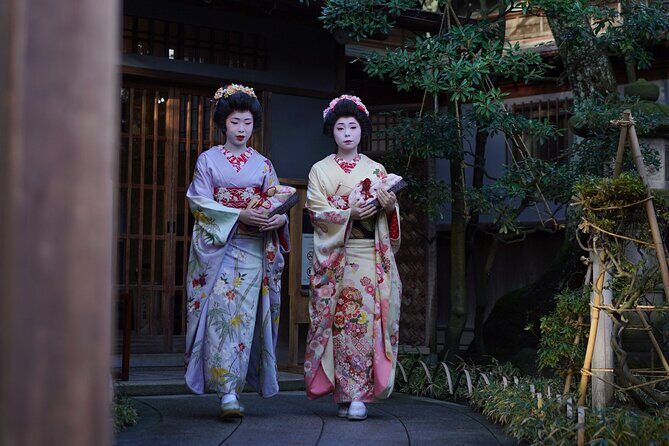
- Higashi Chaya District to wrap it up: wooden teahouses and geisha-quarter atmosphere give you a satisfying final picture of the city.
Planning your day: how this 2–4 hour route fits Kanazawa
This tour is built for people who want big highlights without spending the whole day “commuting between photos.” The time window is listed as 2 to 4 hours, and there’s a short 10-minute coach/bus segment at the start, then you’re mainly on foot. That matters because Kanazawa’s best scenes are close enough to stitch together, but far enough that a self-guided loop can take longer than you expect.
You’ll also get a “first understanding” effect. Instead of leaving with only names, you leave with mental connections: why a shrine sits where it does, how samurai neighborhoods shaped street patterns, and why a garden feels designed—not random. If you’re the type who likes to wander later with confidence, this kind of guided setup is a strong move.
You can also read our reviews of more walking tours in Kanazawa

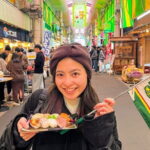
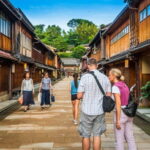
Nagamachi Samurai District: preserved lanes and the life behind the walls

You start in the Nagamachi area, the samurai-residential district where the street feel is still shaped by the past. The tour plan includes a photo stop plus time to visit and walk, so you’re not stuck rushing through viewpoints.
What I like about starting here is that it gives you a framework before you hit the busier food and sightseeing stops. Kanazawa’s castle and temple culture can feel disconnected if you jump straight to them. Nagamachi helps you understand the “home base” of power—earth walls, the look of old residences, and the neighborhood logic that kept samurai families close to the civic system.
A practical tip: slow down your walking pace for the first 15–20 minutes. In Nagamachi, the details are small—angles, wall textures, and the way streets curve. If you’re eager for the next stop, you’ll miss why this district feels different from modern streets.
Omicho Fish Market: what you gain from a guided first pass

Next up is Omicho Fish Market, and this is where Kanazawa’s everyday energy shows. The tour includes photo time plus guided walking and sightseeing around the market area.
You could treat Omicho as a pure food stop and just snack your way around. That can be fun, but it’s also easy to miss the “why.” With a guide, you’ll understand local food traditions and what makes Kanazawa’s market culture distinctive—before you get overwhelmed by options.
One important value point: a guided market stop helps you decide what to taste later. When you know what’s typical and what’s a specialty, your second visit (or lunch choice after the tour) gets easier.
If you’re not a big seafood person, don’t panic. Omicho is also a good place to observe the rhythm of the market—how stalls are arranged and how people shop—then choose a simple snack rather than forcing a full meal.
Oyama Shrine: Edo-era stories and the shrine visit rhythm

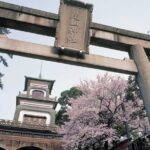
Then you head to Oyama Shrine, one of Kanazawa’s iconic shrines. The schedule includes time for photo stops and a guided visit, with sightseeing on the walk between stops.
Here’s why Oyama Shrine is a smart anchor. It connects the city’s religious space to its leadership history—specifically the story tied to Kanazawa Castle’s samurai leader and his beloved wife. Even if you don’t plan to read every plaque, hearing the story gives the shrine grounds meaning beyond “pretty architecture.”
You’ll also pick up on the tour’s bigger theme: how Japanese belief systems overlap in real life. One of the highlights specifically mentions learning about the relationship between Shinto and Buddhism at a historic temple. You’ll feel that through the way sites are presented and explained, not just through abstract facts.
Practical note: shrines and temple stops can involve standing and walking on uneven ground. Wear grippy shoes, and take a moment to step back for quiet photos instead of only shooting from the main foot traffic path.
Kanazawa Castle Park: castle views, Edo mood, and inside access

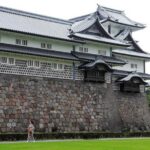
After the shrine, it’s time for Kanazawa Castle Park. The tour plan allows about 30 minutes here, including a visit inside the castle.
This is a key part of the day because castle areas can feel like a list of walls and buildings if you go alone. With a guide, you get the Edo-period atmosphere explained in plain terms: why the castle mattered, how it shaped the city, and what the physical design is trying to communicate.
The inside visit is especially valuable. Outside, you can admire scale. Inside, you get the context that turns scale into understanding—how the castle functioned and why the city grew around it.
One consideration: castle time can feel short if you love museums. This tour is timed, so if you want to linger for long reads, you might appreciate the free time at the end of the tour to return later.
You can also read our reviews of more private tours in Kanazawa


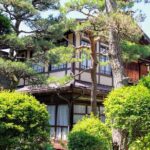
Kenroku-en Garden: seasonal beauty plus design logic you can spot
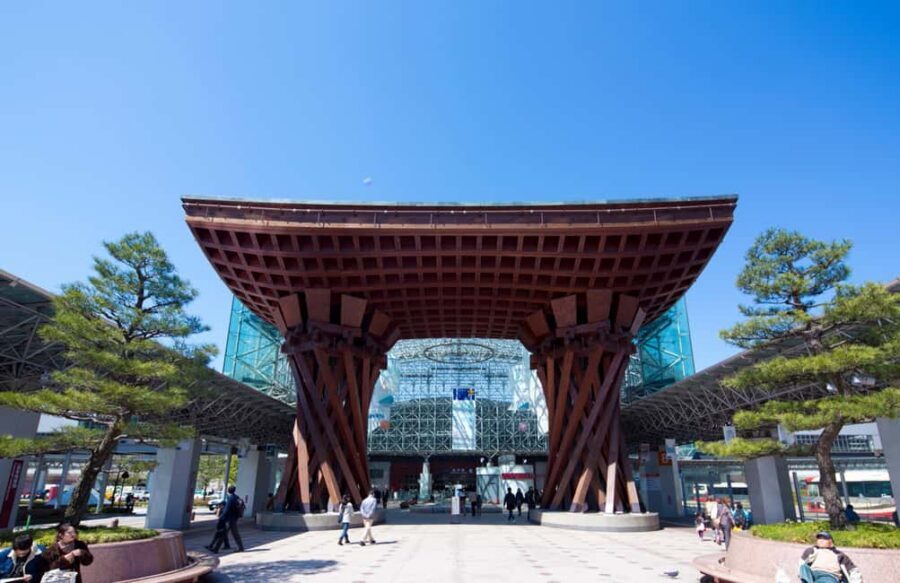
Next comes Kenroku-en, described as one of Japan’s three most beautiful gardens. You’ll spend about 30 minutes with a guide plus photo time.
This is where I think a guided approach pays off fast. Garden “beauty” can sound like a vague compliment if you don’t know what to look for. A good guide points out how the design guides your viewing, how water and paths shape the experience, and why the garden’s seasonal changes matter. The highlights also call out plum blossoms, which makes this stop extra meaningful if your dates line up with blooming time.
Your goal in Kenroku-en isn’t to see everything like a checklist. It’s to learn how the garden is composed so you recognize the idea even if you return on your own.
Practical tip: bring a light layer. Garden sightseeing is often slower, and weather can feel cooler near shaded paths and open spaces.
A quick café break, then Higashi Chaya District’s preserved tea-house lanes
Right between major stops, there’s a local café break (about 20 minutes) at the guide’s favorite spot, where you can grab tea or coffee. This pause isn’t filler; it keeps the energy steady so the final district stop doesn’t feel rushed.
Then you finish in the Higashi Chaya District, the traditional geisha district with preserved wooden teahouses. The tour includes guided time plus some free time so you can stroll at your own pace.
I like the way this ending works. Markets are loud. Castles are grand. Gardens are calm. Chaya districts bring it back to a human scale—streets that feel lived-in and built for slow walks. Even if you don’t plan to photograph everything, it helps you leave Kanazawa with a sense of everyday heritage rather than only monuments.
Private vs small group: the real difference you’ll feel
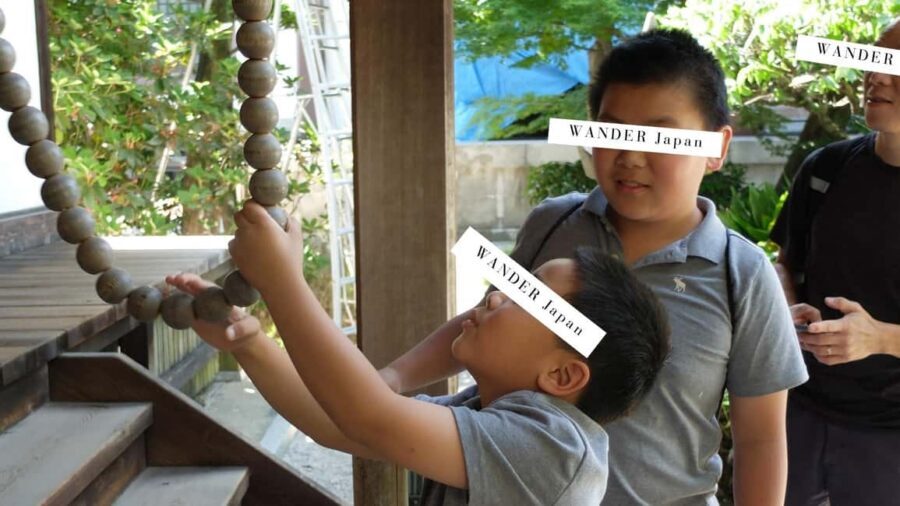
This experience is available as private or small groups. The private option is best when you have specific interests—history heavy, photography heavy, shrine-focused, or you want the guide to adjust pace for your day.
The small-group setup can still work well, especially if you like hearing other peoples’ questions. Since this tour’s success depends heavily on storytelling and pace, a smaller format usually means you get more attention and fewer distractions.
One more detail that matters: the tour mentions wheelchair accessibility and can be adapted for at least some mobility needs. One booking note: if you or someone in your group uses a wheelchair, confirm route comfort with the operator ahead of time so the day stays smooth.
$48 value: what you’re really paying for in Kanazawa
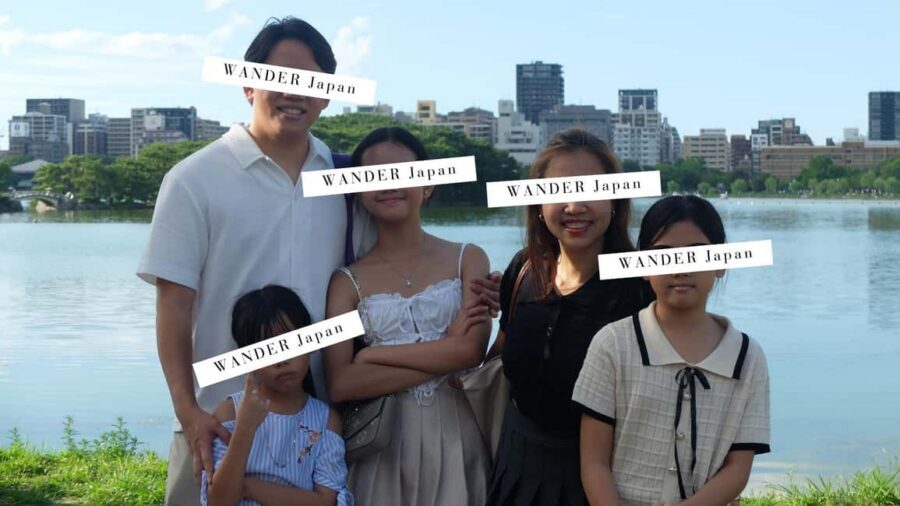
At $48 per person, this tour sits in the “guided highlights” category. The price makes sense when you factor in what the guide is adding: context, timing, and the ability to connect Kanazawa’s themes without you doing a bunch of pre-research.
If you tried to DIY this route, you’d still pay for taxis or transport time, and you might spend extra hours working out the order. Here, the order is designed to reduce backtracking and keep the story flowing—from samurai neighborhoods to markets, shrines, castle architecture, and then the garden and tea district.
Also, it’s a walking experience with a short starting ride, so you’re not paying for vehicle comfort. You’re paying for a local who knows how to make the walk meaningful.
How to get the most out of it (without overplanning)
A few simple habits can make a big difference:
- Ask the guide for 1–2 follow-up suggestions right after Kenroku-en. You’ll get recommendations tailored to what you just saw.
- Wear shoes for uneven sidewalks and garden paths. This is not a sit-and-scroll tour.
- Bring cash and a credit card. You’ll likely want snacks or small purchases in market and shopping areas.
- If you care about plum blossoms, ask what the season looks like right now. Plum highlight is seasonal, so timing matters.
If you’re traveling with a language need, note this too: the tour is offered with English and Japanese live guides, but English clarity can vary by guide. If you want the most effortless experience, you can also choose your preferred guide option when available.
Should you book this Kanazawa private/group walking tour?
Book it if you want an efficient Kanazawa orientation that goes beyond photo stops. This works especially well for first-timers who want to understand samurai neighborhoods, shrine culture, and the reasons behind major sights like Kenroku-en. The combination of history, religious context, market life, and a geisha-district finish gives you a rounded picture of the city in a short time.
Skip it (or at least consider alternatives) if you prefer long museum time, deep reading in one place, or you don’t like walking. This is designed as a moving route, not a linger-and-study day.
If you like travel days that feel structured but still allow free time at the end, this tour is a strong fit. It’s also a good “start here” choice, since it helps you explore with better instincts right after.
FAQ
How long is the Kanazawa walking tour?
The tour duration is listed as 2 to 4 hours, depending on the option you book.
Is this tour private or shared?
It’s offered as a private or small-group walking tour.
What languages do the guides speak?
The live guide is available in English and Japanese.
Is the tour wheelchair accessible?
Yes, the tour is listed as wheelchair accessible.
What does the tour include, and what doesn’t?
Included: a private and personalized walking tour with a local guide, plus hotel meet-up for central locations on request. Not included: food and drinks, and transportation (though it’s primarily walking, with a short start ride).
Where will the tour start and end?
The meeting point may vary depending on the option booked. Drop-off options include Kanazawa and 金箔きらら, with the exact end point depending on your selected arrangement.