REVIEW · KANAZAWA
World Heritage Shirakawa-go and Experience Tours from Kanazawa
Book on Viator →Operated by Japan Panoramic Tours · Bookable on Viator
Shirakawa-go in one day, then straight into Kanazawa. This tour stitches together UNESCO gassho-zukuri farmhouses in the mountains and classic Kanazawa sights with hands-on cultural stops. If you love a day that moves at a human pace, with an organized plan and chances to look around on your own, this one is a strong fit.
My favorite parts are the live English-speaking guidance (I’ve seen guides like Yasushi and Aiko highlighted for clear explanations and upbeat energy) and the built-in cultural activities, especially wagashi sweet making and the gold leaf experience. The main drawback to weigh is that lunch isn’t included, so you’ll want to plan what you’ll eat during your free time in Shirakawa-go.
In This Review
- Key things that make this day trip click
- Why this combo tour works: Shirakawa-go first, Kanazawa after
- Getting rolling from Kanazawa Station: comfort, Wi-Fi, and guide support
- Shirakawa-go gassho-zukuri farmhouses: the village experience you’ll remember
- Ogimachi Castle Old Site Observatory: the best view isn’t complicated
- Kenrokuen Garden in one hour: how to see the highlights without rushing
- Wagashi-making at the Ishikawa local center: a souvenir you eat
- Gold leaf at Kanazawa Bikazari Asano: learning a craft with real wow-factor
- Higashi Chaya District: geisha-quarter walking time and a sweet treat option
- Price and logistics: is $122.45 actually good value?
- Small practical tips so the day stays enjoyable
- Who should book this Shirakawa-go and Kanazawa tour
- Should you book this tour
- FAQ
- What is the duration of the tour?
- Where do I meet the group?
- Is lunch included?
- What experiences are included besides sightseeing?
- Is Kenrokuen Garden admission included?
- Is the bus comfortable and equipped?
- What if something is closed or weather is bad?
- How big is the group?
Key things that make this day trip click
- Early start from Kanazawa Station (7:50 am) helps you get into Shirakawa-go before the heaviest crowds.
- A/C bus with Wi-Fi makes the long day feel easier, even with stops back-to-back.
- Free time in Shirakawa-go means you can wander the village streets and shop at your own speed.
- Kenrokuen Garden admission included, so you don’t have to juggle tickets mid-trip.
- Gold leaf and wagashi are hands-on, not just watch-and-leave.
- Small group size, up to 38 travelers, keeps the day from feeling chaotic.
Why this combo tour works: Shirakawa-go first, Kanazawa after
This is the kind of day you book when you want the big cultural hits without needing a car or extra lodging. Shirakawa-go and Kanazawa are both worth their own trips, but bundling them makes sense because they hit different sides of Japan: rural traditions in the morning, then refined city culture afterward.
The pacing is also smart. You get time in Shirakawa-go to take in the village feel and take photos, then you transition to Kanazawa where the highlights are calmer and easier to “consume” in an organized way. With a total duration of about 9.5 hours, you’re not spending your whole day commuting in circles, either—you’re moving forward.
One thing I really like is that you’re not just sightseeing. The afternoon includes craft experiences, so your brain has something concrete to focus on while the schedule runs. It also gives you souvenirs that feel earned, not just bought.
You can also read our reviews of more historical tours in Kanazawa

Getting rolling from Kanazawa Station: comfort, Wi-Fi, and guide support
Your meeting point is Kanazawa Station West Plaza (short-term car park area), and the tour starts at 7:50 am. You’ll finish back at the same meeting spot, so there’s no confusing end-of-day transit.
On the road, you ride in an air-conditioned vehicle with Wi-Fi. That matters more than you’d think. This day includes enough walking and sitting that having reliable comfort helps you stay pleasant—plus, Wi-Fi lets you check maps, translate signs, or simply rest your phone before you’re out in the village.
You’ll also have multilingual audio guidance available on board. The tour lists English plus Spanish, French, Italian, German, Portuguese, Ukrainian. Even if you’re mainly using the English-speaking guide, it’s helpful when you want extra context or you miss a detail.
Finally, the guide part is not just a formality. In the feedback you can see a pattern: guides like Yasushi and Aiko are praised for staying organized and keeping the bus ride interesting, not dry. That’s huge on a day with real driving time.
Shirakawa-go gassho-zukuri farmhouses: the village experience you’ll remember
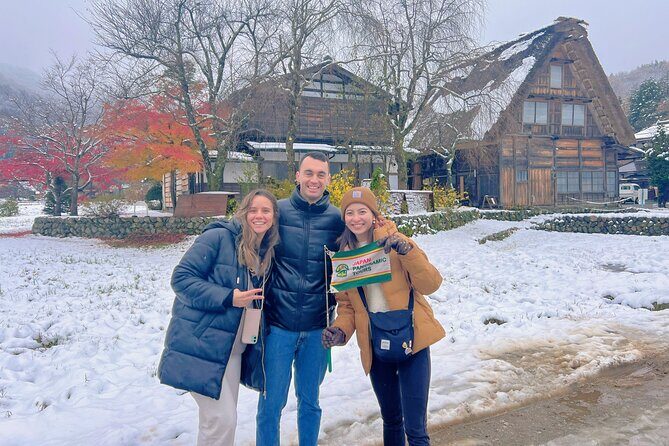
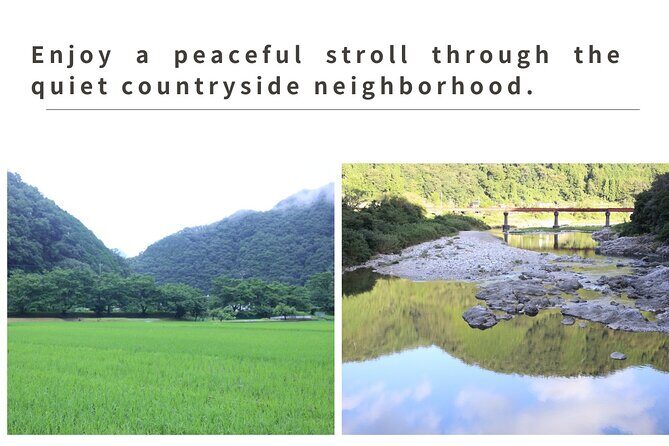
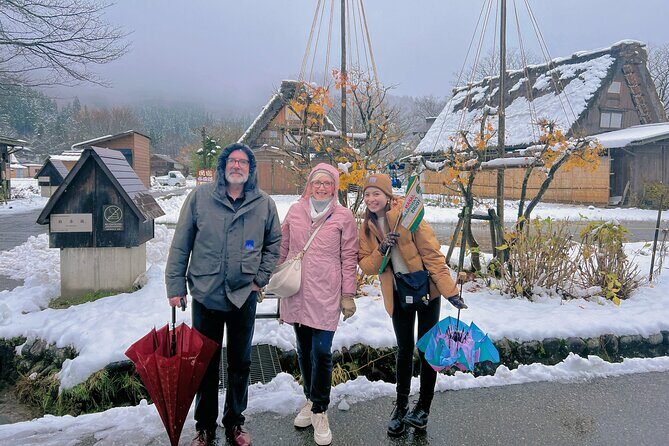
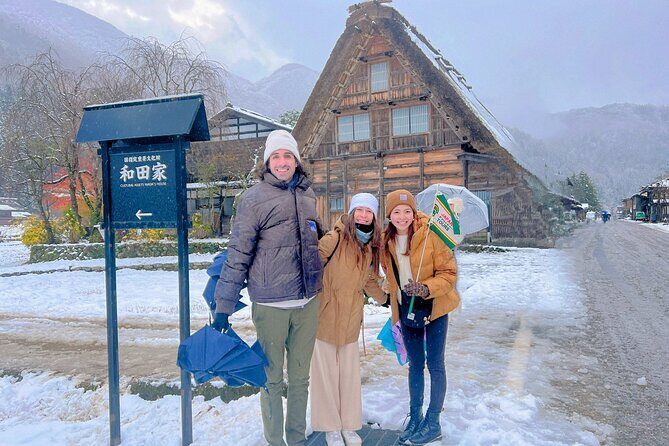
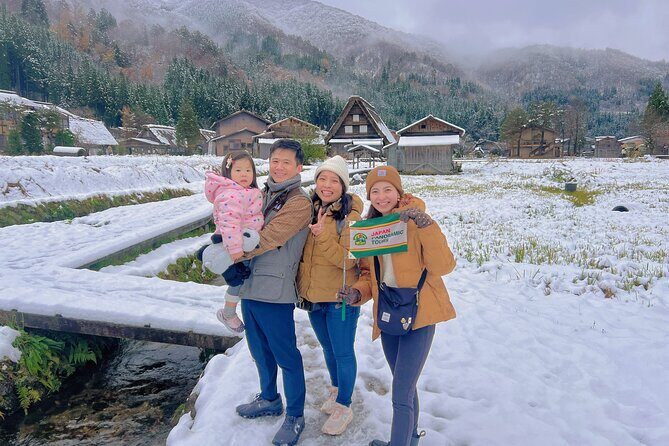
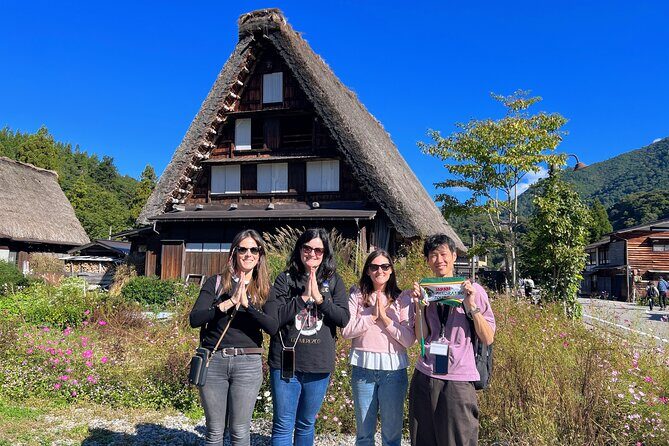
Morning brings you to the Historic Villages of Shirakawa-go Gassho Style Houses, centered around the village area of Shirakawa-go. The big visual is the gassho-zukuri architecture—farmhouses with steep, triangular roofs designed to handle heavy snowfall.
You get about 2 hours here, and that time structure is exactly what you want. You don’t want a rushed stop where you see the rooflines for 6 minutes and call it done. You need enough time to walk the lanes, look at the details, and feel how the village sits in the mountains.
This stop also includes a practical note: lunch is on your own in Shirakawa-go. So bring cash or a payment method you’re confident with, and don’t assume every place has an easy menu in English. If you’re picky about timing, treat lunch as your own mini-plan inside the 2-hour window.
A small but important consideration: Shirakawa-go is a mountain settlement. Even if the walking isn’t extreme, you’ll likely be on uneven ground. Comfortable shoes help.
Ogimachi Castle Old Site Observatory: the best view isn’t complicated
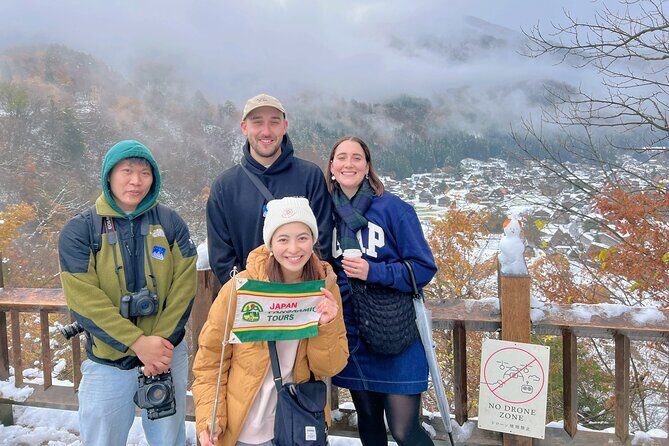
After the village time, you move to the Ogimachi Castle Old Site Observatory for about 20 minutes. This is a short stop, but it’s built for what you want from Shirakawa-go: an elevated look over the central settlement area of Ogimachi.
Think of it as your “reset button.” After exploring at street level, the observatory gives you scale—how the houses cluster, how the rooftops form patterns, and why the region earned its UNESCO recognition in the first place.
Because the time is limited, you’ll want to be quick about choosing your photo spots. If it’s crowded, don’t wait too long for the perfect spot; you’ll have plenty of angles back at ground level too.
Kenrokuen Garden in one hour: how to see the highlights without rushing
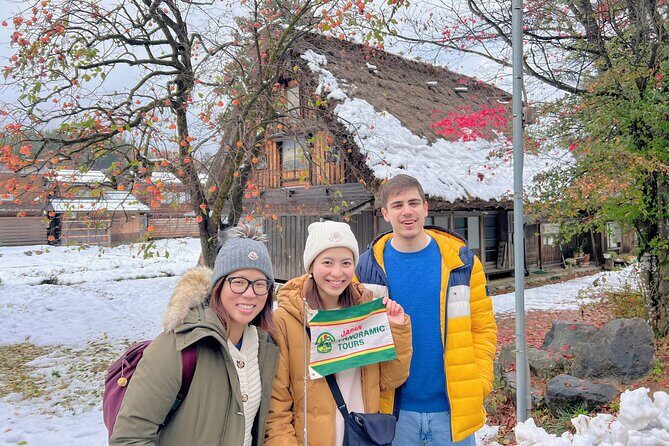
Next up is Kenrokuen Garden, one of Japan’s three most famous gardens. You get about 1 hour, and garden admission is included. One hour sounds short until you realize Kenrokuen is designed for strolling—it’s not a museum where you sit and read labels for hours.
This tour also leans into something useful: the beauty of Japan’s four seasons. Even if you’re visiting in one season only, the guide context can help you understand why certain features matter year-round. It gives meaning to what you’re seeing instead of turning it into a photo-only stop.
If you want a tip: keep your route flexible. In gardens like this, your best views often come from small turns, not from staring at the first pond you see. With only an hour, staying too rigid can make you miss the “oh, that’s pretty” moment.



Wagashi-making at the Ishikawa local center: a souvenir you eat
At the Ishikawa Local Products Center, the tour includes a Japanese sweets-making experience (wagashi) with a professional craftman. The experience slot is about 50 minutes, and admission here is covered.
What makes this stop good value is that it’s not just watching someone shape a cookie. You’re making something that connects to regional taste and tradition. Wagashi is often more about texture, shape, and seasonal expression than sweetness alone, so the craft gives you a window into how Japanese sweets can feel more like art than dessert.
There’s also a small flexibility note in the tour info: depending on the craftsperson’s schedule, this may be painting Daruma dolls instead. If you have a strong preference, it’s worth double-checking when booking. Either way, you’re still getting a hands-on cultural activity that you can take home, and you’ll have a nice break between big sightseeing stops.
Gold leaf at Kanazawa Bikazari Asano: learning a craft with real wow-factor
The gold leaf stop is one of the most memorable parts of Kanazawa culture. Here, you’ll go to Kanazawa Bikazari Asano for a gold leaf experience lasting about 40 minutes, and admission is included.
The practical part: you’ll learn about gold leaf and make something through the process. The tour description frames it as a traditional craft you can see firsthand, and that’s important. Gold leaf looks simple when you see it on screens or store items, but the technique is delicate. Getting to handle the steps makes it click.
Also, gold leaf is visually satisfying in a way that travels well. Even if you don’t usually buy crafts, this is the kind of activity where the item becomes a story: you watched the process, learned the care, and now you own the result.
A bonus you’ll notice in the schedule: the tour pairs gold leaf here with gold leaf mentions later in Higashi Chaya, so the theme ties together instead of feeling random.
Higashi Chaya District: geisha-quarter walking time and a sweet treat option
To close the day, you head to the Higashi Chaya District, where you’ll spend about 30 minutes. This is one of Kanazawa’s larger geisha districts, and the area has that preserved-teahouse atmosphere that makes evening strolls feel special, even earlier in the day.
The tour info encourages you to try gold leaf ice cream, which is a very Kanazawa move. It’s not listed as included, but it’s specifically called out as an option. If you want one last bite that feels locally themed, this is your window.
Keep expectations realistic: 30 minutes is enough for a quick walk and photos, not enough for slow browsing through every doorway. If you’re the type who hates being rushed, plan to do your real souvenir shopping during the earlier craft stops and your village free time.
Price and logistics: is $122.45 actually good value?
At $122.45 per person, you’re paying for a full-day structure that includes a lot of moving parts being handled for you. Here’s what’s included in the tour price:
- Kenrokuen Garden admission
- Gold leaf experience
- Wagashi-making (or Daruma painting, depending on schedule)
- Professional English/Japanese guide
- A/C bus + Wi-Fi
- Multilingual audio guidance
- A mobile ticket
What’s not included: lunch (important), plus anything personal you buy in the districts and villages.
For value, the key question is whether you’d be able to combine these pieces on your own without extra planning stress. If you’re relying on public transit and timing buses carefully, this tour removes friction. Even if you love DIY travel, the included craft activities are often more expensive to book separately than you expect.
The small group size (up to 38) is another value signal. It’s large enough to be efficient, but not so huge that you lose the guide’s attention.
Small practical tips so the day stays enjoyable
A good day trip is mostly preparation. Here’s what to do with the info you have:
- Be on time at Kanazawa Station. The tour notes that late arrivals can’t be accommodated and joining mid-tour isn’t feasible.
- Plan for lunch in Shirakawa-go since it isn’t included. Decide in advance if you want a quick bite or a sit-down meal.
- Wear comfortable shoes for village walking and the observatory approach.
- If weather changes, keep expectations flexible. The tour states it requires good weather, and if a stop can’t happen, the plan may shift to an alternative (with a gift as compensation). No refunds are mentioned for missed activities.
- If you’re traveling with multiple separate bookings, contact the provider with your booking numbers so they can arrange the same bus.
Who should book this Shirakawa-go and Kanazawa tour
This tour is a great match if you:
- Want UNESCO Shirakawa-go without changing hotels.
- Care about culture you can do with your hands—wagashi and gold leaf.
- Like having a guide explain what you’re seeing as you go, not after the fact.
- Appreciate a day that includes both a village setting and a top-tier garden.
It might feel like a lot if you:
- Hate long bus days and would rather do one place slowly.
- Need long meal breaks or lots of free time between stops.
- Prefer fully independent planning without any schedule constraints.
If you’re torn between “half day Shirakawa-go only” and this full combo day, the full version makes more sense. You get Kanazawa’s core sights and at least two major craft experiences, all in one go.
Should you book this tour
Book it if you want a structured day that balances big scenery, famous garden time, and hands-on craft without you doing extra organizing. The price is reasonable given what’s included—especially the gold leaf and Kenrokuen admission.
Don’t book it if lunch freedom and unhurried pacing are your top priorities. This is a packed day, and while there’s free time in Shirakawa-go, the overall schedule stays tight.
If you’re choosing based on guide style, look for days with guides like Yasushi or Aiko—both are praised for keeping the ride engaging and making the cultural explanations stick. Even when the guide changes, the format is built to keep you moving with clarity.
FAQ
What is the duration of the tour?
It runs for about 9 hours 30 minutes (approximately) from start to finish.
Where do I meet the group?
You meet at Kanazawa Station West Plaza – Short-term Car Park. The tour starts at 7:50 am and returns to the same meeting point.
Is lunch included?
No. Lunch isn’t included, but you’ll have time to enjoy lunch on your own while in Shirakawa-go.
What experiences are included besides sightseeing?
You’ll include a Japanese sweets (wagashi) making experience or Daruma doll painting and a gold leaf experience.
Is Kenrokuen Garden admission included?
Yes. Kenrokuen Garden admission is included in the tour.
Is the bus comfortable and equipped?
Yes. You’ll travel in an air-conditioned vehicle with Wi-Fi, and you’ll have multilingual audio guidance available.
What if something is closed or weather is bad?
The tour notes that it requires good weather. If a place is closed, the provider will try to attend an alternative place. The plan may also change due to weather or traffic, and you may receive a gift as compensation. Refunds aren’t stated for changes made on the day.
How big is the group?
The tour has a maximum size of 38 travelers.